Combination Tennis And Pickleball Court: Ultimate Dual-Sport Setup

Combination tennis and pickleball courts are gaining popularity. They offer a versatile space for two exciting sports.
These courts blend the best of both worlds, providing a unique experience for players. Tennis enthusiasts can enjoy the traditional game, while pickleball fans get their fast-paced action. The rise of combination courts meets the growing demand for diverse recreational options.
This trend is especially appealing for communities and recreational centers. It maximizes space and caters to different interests. With the right design, a single court can host both sports seamlessly. This dual-purpose approach is efficient and cost-effective. Curious to know more about combination tennis and pickleball courts? Read on to discover their benefits, how they work, and why they are a great addition to any sports facility.
Introduction To Dual-sport Courts
Combining tennis and pickleball courts is becoming increasingly popular. These dual-sport courts offer a practical solution for sports enthusiasts. They allow players to enjoy both sports in one space. This approach maximizes the use of available land. It also brings together communities of tennis and pickleball players.
Benefits Of Dual-sport Courts
Dual-sport courts provide several advantages:
- Space Efficiency: Combining courts saves space. This is perfect for areas with limited land.
- Cost-Effective: Building a dual-sport court can be cheaper than two separate courts.
- Flexibility: Players can switch between sports easily. This is great for families and clubs.
- Increased Usage: The court will be in use more often. This makes it a valuable community asset.
Popularity Of Tennis And Pickleball
Tennis and pickleball are both beloved sports. Each has a loyal following. Tennis is a classic sport with a rich history. It is played worldwide and has many famous tournaments.
Pickleball, on the other hand, is relatively new but growing fast. It is easy to learn and suitable for all ages. Many people find it fun and less physically demanding than tennis.
Combining these two sports on one court caters to a wider audience. It encourages more people to stay active and engaged in sports.
| Aspect | Tennis | Pickleball |
|---|---|---|
| Origin | 19th Century | 1965 |
| Age Range | All Ages | All Ages |
| Physical Demand | High | Moderate |
| Learning Curve | Steep | Easy |
Credit: northstateresurfacing.com
Designing The Court Layout
Designing the court layout for a combination tennis and pickleball court requires careful planning. Both sports have unique requirements, but a well-designed layout can accommodate both. Here’s how to achieve the best court design for your needs.
Optimal Dimensions
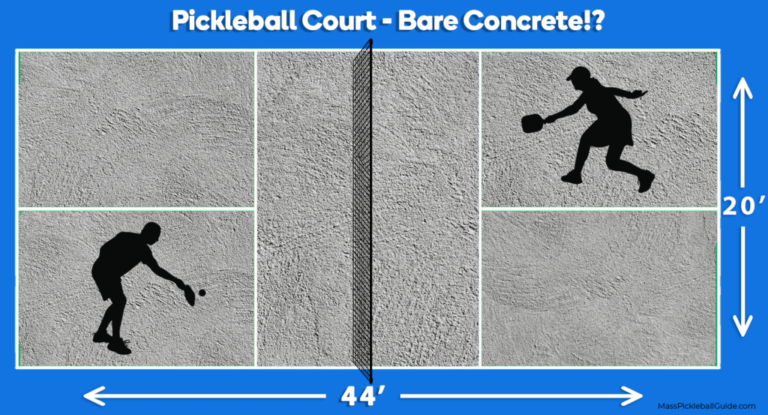
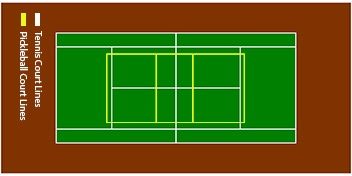
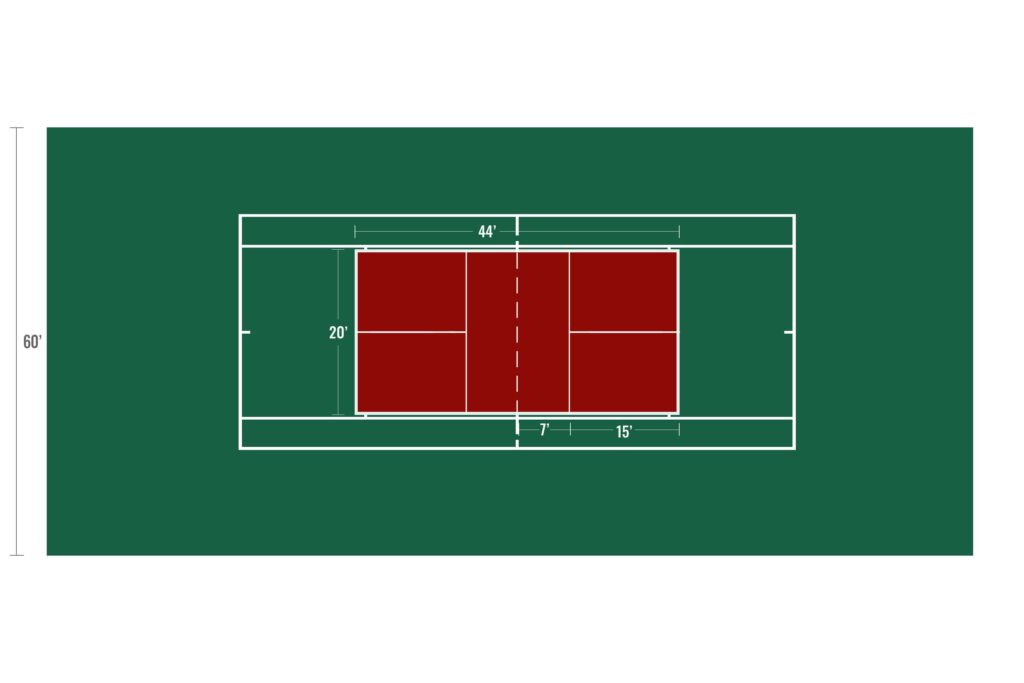
Choosing the right dimensions is essential. A standard tennis court measures 78 feet by 36 feet. For pickleball, the court is smaller, at 44 feet by 20 feet. Combining both can be challenging but not impossible. Use the tennis court as the base. Mark pickleball lines within the tennis court. Ensure there is enough space for safe play. Consider the buffer zones for both sports. This prevents any overlap during games.
Surface Materials
The surface material impacts the play experience. Tennis courts often use asphalt or concrete. These materials provide a hard and durable surface. For pickleball, a similar surface works well. Some prefer a slightly textured surface for better grip. Acrylic coatings can add this texture. They also come in various colors. Choose colors that contrast well for easy visibility. Ensure the surface is non-slip to prevent injuries.
Essential Equipment
Creating a combination tennis and pickleball court requires specific equipment. Proper gear ensures a smooth and enjoyable game experience. Below are the essential items needed for setting up your court.
Nets And Posts
Nets and posts are crucial for both tennis and pickleball. Use adjustable nets to accommodate both sports. Tennis nets stand at 42 inches high at the posts. For pickleball, the net height is 36 inches in the center and 34 inches at the ends. The nets should be durable, weather-resistant, and easy to adjust.
| Sport | Net Height |
|---|---|
| Tennis | 42 inches |
| Pickleball (Center) | 34 inches |
| Pickleball (Ends) | 36 inches |
Lines And Markings
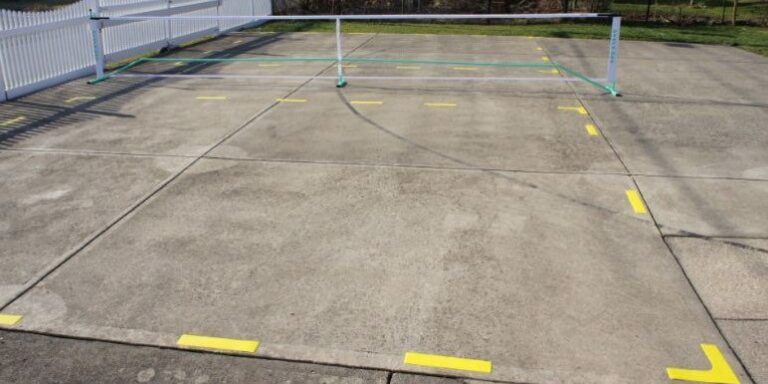
Proper lines and markings are essential for clear boundaries. Use durable paint or tape to mark the court. The lines must be visible and weather-resistant. For tennis, the court is 78 feet long and 36 feet wide for doubles. Pickleball courts measure 44 feet long and 20 feet wide.
- Tennis Court Dimensions: 78 feet x 36 feet (doubles)
- Pickleball Court Dimensions: 44 feet x 20 feet
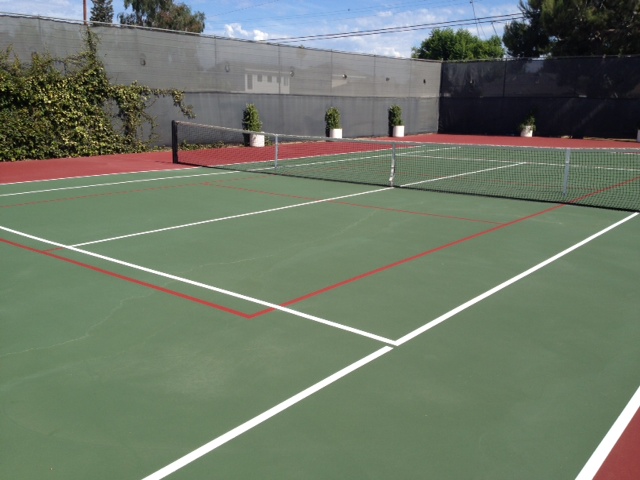
Ensure the lines are distinct for each sport. This helps players easily identify the boundaries. Dual-purpose courts often use different colors for each set of lines. This avoids confusion during play.
Construction Process
The construction process of a combination tennis and pickleball court involves several crucial steps. These steps ensure the court’s durability, functionality, and safety. Let’s break down the process into manageable parts.
Site Preparation
Proper site preparation lays the foundation for a successful court. The steps involve:
- Clearing the area: Remove vegetation, rocks, and debris.
- Leveling the ground: Ensure a flat surface to prevent water pooling.
- Soil testing: Check soil stability and drainage capabilities.
- Marking boundaries: Outline the court dimensions.
Installation Steps
The installation process is meticulous. It ensures the court meets standards for both sports.
- Base layer: Add a gravel or crushed stone base for drainage.
- Sub-base installation: Lay a compacted sub-base to provide stability.
- Surface application: Apply asphalt or concrete as the main surface.
- Surface coating: Use specialized coatings for smoothness and grip.
- Line marking: Paint lines for both tennis and pickleball games.
- Net installation: Set up adjustable nets for both sports.
- Final inspection: Ensure everything meets safety and quality standards.
Below is a table summarizing the key steps:
| Step | Description |
|---|---|
| Clearing the area | Remove all obstructions from the site. |
| Leveling the ground | Ensure the site is flat and even. |
| Soil testing | Check for soil stability and drainage. |
| Base layer | Add a gravel or crushed stone layer for drainage. |
| Sub-base installation | Lay a compacted sub-base for stability. |
| Surface application | Apply asphalt or concrete as the main surface. |
| Surface coating | Use coatings for a smooth, grippy surface. |
| Line marking | Paint lines for both sports. |
| Net installation | Set up adjustable nets for both sports. |
| Final inspection | Ensure everything meets standards. |
Each of these steps is vital. They contribute to a high-quality combination tennis and pickleball court.
Maintenance Tips
Maintaining a combination tennis and pickleball court ensures its longevity and playability. Proper care can prevent costly repairs and keep the court looking pristine. Here are some essential maintenance tips to keep your court in top condition.
Regular Cleaning
Consistent cleaning removes debris and prevents surface damage. Follow these steps:
- Use a leaf blower to remove leaves and dirt.
- Wash the surface with a mild detergent and water.
- Rinse thoroughly to avoid soap residue.
- Inspect for mold or algae growth, especially in shaded areas.
Surface Repairs
Regularly inspect the court for cracks or other damage. Here’s how to handle common repairs:
| Issue | Solution |
|---|---|
| Small Cracks | Fill with a crack sealer specific to sport courts. |
| Large Cracks | Consult a professional for resurfacing or patching. |
| Faded Lines | Repaint using high-quality, non-slip paint. |
Keeping your combination tennis and pickleball court well-maintained ensures a safe and enjoyable playing surface. Regular cleaning and addressing surface repairs promptly will extend the life of your court.
Safety Considerations
Playing on a combination tennis and pickleball court can be a lot of fun. But it’s important to stay safe. Following some simple safety tips can help prevent injuries and ensure everyone enjoys the game.
Proper Footwear
Wearing the right shoes is crucial. Tennis and pickleball both require quick movements. Shoes with good grip and support are essential. Avoid wearing running shoes. They don’t offer the side-to-side support needed. Look for court-specific shoes. They provide stability and reduce the risk of slipping.
Protective Gear
Using protective gear can also help keep you safe. Wrist guards and knee pads can prevent injuries. They are especially useful for pickleball. The game involves sudden stops and starts. Sunglasses can protect your eyes from the sun. They also help you see the ball better. Consider wearing a hat or visor. This keeps the sun out of your eyes and helps with visibility.
Cost And Budgeting
Creating a combination tennis and pickleball court involves various costs. Understanding these expenses helps in effective planning. This section will break down the initial investment and long-term expenses.
Initial Investment
The initial investment includes all the costs to build the court. This can vary based on materials, location, and additional features.
- Construction Costs: This includes site preparation, labor, and materials. Expect around $30,000 to $60,000.
- Surface Materials: Choose between asphalt, concrete, or synthetic surfaces. Costs range from $5,000 to $15,000.
- Fencing and Lighting: Fencing costs about $5,000. Add $3,000 to $10,000 for lighting.
- Net Systems: Quality nets for both sports cost about $1,000 each.
- Markings and Accessories: Expect to spend $500 to $2,000 for court markings and accessories.
Long-term Expenses
Long-term expenses include maintenance and repairs. Regular upkeep ensures the court remains in good condition.
- Maintenance: Regular cleaning and surface repairs cost about $1,000 annually.
- Resurfacing: Resurfacing is needed every 5-10 years. This can cost $5,000 to $10,000.
- Net Replacement: Nets may need replacing every few years. Budget around $500 for this.
- Lighting Upgrades: Lighting systems might need upgrades. Plan for $2,000 to $5,000 over several years.
Proper budgeting ensures you enjoy your combination court without unexpected costs. Regular maintenance extends the lifespan of your investment.
Credit: www.flooringinc.com
Community Impact
Combination tennis and pickleball courts can bring communities together in many ways. These courts offer a versatile space for recreational activities. They provide an opportunity for people of all ages to engage in sports. The community impact is significant. It promotes health, social interaction, and a sense of belonging.
Increasing Participation
Combination courts attract more participants. Tennis enthusiasts and pickleball fans can use the same space. This increases the number of people using the courts. Kids, adults, and seniors all find it appealing. People who never tried tennis or pickleball get curious. They might join in, boosting participation rates.
More people playing means more physical activity. This leads to healthier lifestyles. A busy court is a sign of a vibrant community. It shows people are active and engaged. The combination of two sports opens doors for cross-training. Tennis players might enjoy the fast-paced nature of pickleball. Pickleball players might appreciate the challenge of tennis.
Hosting Events
Combination courts are perfect for hosting events. You can organize tournaments and friendly matches. Events like these draw crowds. They bring excitement and energy to the community. Local businesses can get involved too. They might sponsor events or provide refreshments.
Events create opportunities for socializing. Neighbors meet and form bonds over their shared interests. Kids learn teamwork and sportsmanship. It’s not just about the games. It’s about building a stronger community. Regular events keep the courts busy and well-maintained. They ensure the space is used to its full potential.
Credit: localtenniscourtresurfacing.com
Frequently Asked Questions
What Is A Combination Tennis And Pickleball Court?
A combination tennis and pickleball court is designed to accommodate both sports. It includes markings and nets for tennis and pickleball, allowing players to enjoy both games on the same surface.
How Are Lines Marked On A Combo Court?
Lines on a combination court are marked for both sports. Tennis lines are typically white, while pickleball lines are often another color to distinguish them easily.
Can You Convert A Tennis Court To A Pickleball Court?
Yes, you can convert a tennis court to a pickleball court. By adding pickleball lines and adjusting the net height, you can use the same surface for both sports.
What Are The Benefits Of A Combo Court?
A combination court maximizes space and usage. It allows facilities to offer both tennis and pickleball, catering to a wider range of players and increasing court availability.
Conclusion
A combination tennis and pickleball court offers great versatility. Both sports can be enjoyed on the same court, saving space. This setup promotes community interaction and active living. It’s a smart choice for parks and recreational areas. Plus, it attracts a wider range of players.
Embrace this dual-purpose court for more fun and fitness. It’s an efficient way to maximize your space. Try it and see the benefits. Your community will thank you.