Can You Play Pickleball on Concrete? Discover the Best Tips 2026

Yes, you can play pickleball on concrete. Many players do it.
Concrete is a popular surface for pickleball courts. Concrete courts are common in many places. They are durable and easy to maintain. Playing pickleball on concrete has its pros and cons. The surface can be hard on the body, but it offers a consistent bounce for the ball.
If you’re wondering about the best surface to play on, concrete is a good choice for many. In this blog, we will explore why concrete is suitable for pickleball. We will also look at some tips to make your game more enjoyable on this surface. Stay tuned to learn more about playing pickleball on concrete.
Credit: usapickleball.org
Introduction To Pickleball On Concrete
Pickleball is a popular sport enjoyed by many. It combines elements of tennis, badminton, and ping-pong. But where can you play it? Many players choose concrete surfaces. Concrete provides a stable and durable playing field.
Benefits Of Concrete Surfaces
Concrete surfaces offer several benefits for pickleball players:
- Durability: Concrete courts last long and withstand heavy use.
- Low Maintenance: Concrete requires minimal upkeep compared to other surfaces.
- Consistent Bounce: The hard surface provides a predictable ball bounce.
- Cost-Effective: Building a concrete court is often cheaper.
Challenges To Consider
Playing pickleball on concrete does come with some challenges:
- Hard on Joints: Concrete can be tough on knees and ankles.
- Temperature: Concrete heats up quickly, making it uncomfortable.
- Surface Wear: Frequent play can cause surface wear and tear.
Concrete pickleball courts are popular for their benefits. But, it’s important to consider the challenges too. This helps ensure a great playing experience.
Preparing Your Concrete Court
Preparing your concrete court for pickleball is crucial. A well-prepared court ensures safety and enhances gameplay. This section will guide you through cleaning and maintaining the court, as well as marking it for play.
Cleaning And Maintenance
Start by sweeping the court. Remove any debris, dirt, or leaves. Use a stiff broom for better results. Next, wash the concrete surface. A garden hose with a spray nozzle works well. For stubborn stains, use a mild detergent. Scrub the area with a soft brush. Rinse thoroughly to remove any soap residue. Allow the court to dry completely before use.
Court Markings
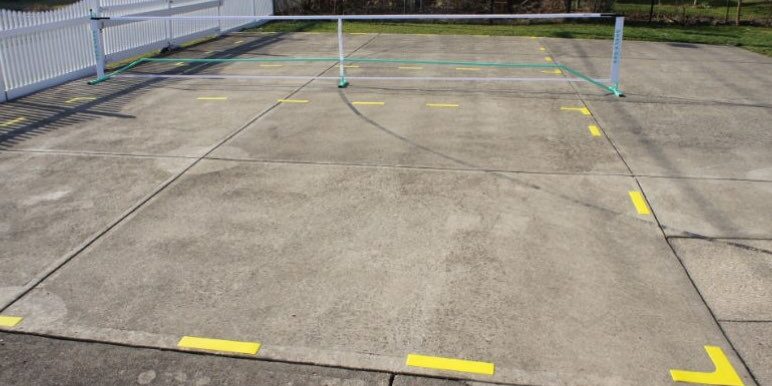
Marking the court properly is essential. Use a measuring tape to ensure accuracy. First, mark the baseline and the non-volley zone. The baseline is 22 feet from the net. The non-volley zone, or kitchen, is 7 feet from the net. Use a chalk line or masking tape to create straight lines. For a more permanent solution, use paint. Choose a bright color for visibility. Make sure the lines are 2 inches wide.
Choosing The Right Equipment
Playing pickleball on concrete requires specific equipment for the best experience. The right gear ensures safety and boosts performance. Below, we cover essential items you need.
Paddles And Balls
Pickleball paddles come in various materials like wood, composite, and graphite. Graphite paddles are light and offer excellent control. Composite paddles provide a good balance between power and control. Wooden paddles are heavier but more affordable.
Choosing the right ball is equally important. Pickleball balls are made from plastic and have holes. Outdoor balls are harder and have smaller holes, making them ideal for concrete surfaces. Indoor balls are softer with larger holes and are not suitable for outdoor play.
Footwear For Concrete
Proper footwear is crucial for playing on concrete. Tennis shoes or court shoes work well. They provide the grip and support needed on hard surfaces.
Consider the following features when choosing footwear:
- Cushioning: Reduces impact and provides comfort.
- Durability: Ensure the shoes can withstand rough concrete.
- Grip: Good tread patterns prevent slipping.
Wearing the right shoes can prevent injuries and enhance your game.
Improving Your Gameplay
Improving your pickleball gameplay on concrete involves focusing on key aspects. Two crucial elements are movement and footwork, and shot techniques. Mastering these will enhance your performance and enjoyment of the game.
Movement And Footwork
Concrete surfaces can be hard on your joints. Proper movement and footwork help reduce the impact. Wear the right shoes to provide cushioning. Practice light and quick steps. This minimizes the strain on your knees and ankles.
Focus on staying balanced. Bend your knees slightly. Keep your weight on the balls of your feet. This makes it easier to move quickly in any direction. Short, controlled steps are better than long strides. They help you maintain control and stability.
Try to anticipate your opponent’s shots. This allows you to position yourself better. Quick reactions can make a significant difference. Stay alert and ready to move at all times.
Shot Techniques
Playing on concrete requires adapting your shot techniques. The ball bounces differently on hard surfaces. Adjust your shots to account for this. Aim to hit the ball with a bit more spin. This helps control its bounce and direction.
Work on your serves and returns. A strong, accurate serve can give you an advantage. Practice placing the ball where your opponent finds it hard to reach. Mix up your shots. Use a combination of drives, drops, and lobs. This keeps your opponent guessing.
Focus on consistency. It’s better to have reliable shots than flashy but inconsistent ones. Practice regularly to develop muscle memory. This makes your shots more accurate and dependable.
Remember, improving your gameplay is a continuous process. Keep practicing and stay dedicated. Your efforts will pay off in the long run.
Safety Tips For Concrete Play
Playing pickleball on concrete requires special attention to safety. Concrete surfaces are firm and unforgiving, which can lead to injuries if precautions are not taken. Below are some essential safety tips to ensure a safe and enjoyable game on concrete.
Avoiding Injuries
Concrete is hard, so you must take steps to avoid injuries. Here are some tips:
- Wear Proper Shoes: Choose shoes with good grip and cushioning.
- Warm Up: Always stretch before you start playing.
- Use Knee Pads: Consider wearing knee pads for extra protection.
- Check the Surface: Ensure the concrete is free from cracks and debris.
Staying Hydrated
Playing on concrete can make you sweat more due to heat. Staying hydrated is crucial:
- Drink Water: Keep a water bottle handy and take regular sips.
- Avoid Sugary Drinks: Sugary drinks can dehydrate you.
- Take Breaks: Rest in the shade and hydrate during breaks.
Weather Considerations
Playing pickleball on concrete can be fun. But weather conditions matter. Concrete courts react differently to heat and rain. Understanding these factors can keep your game safe and enjoyable.
Playing In Hot Weather
Concrete courts get very hot. During summer, the surface can be scorching. This can make the game uncomfortable. Wear light, breathable clothing. Also, choose shoes with good soles to protect your feet. Hydrate often. Take breaks under shade to cool down.
Handling Rain And Wet Surfaces
Wet concrete can be very slippery. Playing on a wet court increases the risk of injury. If rain starts, it’s best to stop playing. Wait until the surface is completely dry. Use a squeegee to remove standing water. Always check for slick spots before resuming play.
Maintaining Your Concrete Court
Maintaining your concrete pickleball court is essential for longevity and performance. Regular care keeps the surface in top condition, ensuring a safe play environment. This section provides tips on how to maintain your concrete court effectively.
Regular Inspections
Inspect your court frequently. Look for cracks, chips, and uneven areas. Regular checks help spot issues early. Early detection prevents bigger problems later. Walk the entire court, focusing on high-use areas. Take note of any potential hazards.
Repairing Cracks And Damage
Address cracks as soon as you spot them. Small cracks can grow quickly. Use concrete filler to patch small cracks. For larger cracks, consider professional repair. Fixing damage promptly keeps the court safe. It also extends the life of your surface.

Credit: honeybuilthome.com
Popular Alternatives To Concrete
Concrete is a common surface for pickleball courts. It’s durable and low-maintenance. But many players prefer other surfaces that offer different playing experiences. Let’s explore some popular alternatives to concrete for pickleball courts.
Asphalt Courts
Asphalt is another popular choice for pickleball courts. It provides a smooth playing surface. Asphalt offers better traction compared to concrete. This can reduce the risk of slips and falls. Asphalt courts also have a bit more cushion, which can be gentler on joints. These courts do require regular maintenance. Sealing and resurfacing may be needed over time.
Indoor Gym Floors
Indoor gym floors are ideal for playing pickleball in controlled environments. These floors are typically made of wood or synthetic materials. They provide a consistent and smooth surface. Indoor gym floors offer excellent traction and shock absorption. This can enhance player comfort and reduce injury risks. Playing indoors also means weather conditions won’t affect your game. Indoor courts often feature good lighting and climate control.
Conclusion And Final Thoughts
Pickleball on concrete is possible and popular. Concrete courts provide a durable and consistent playing surface. Just ensure proper footwear for safety.
Playing pickleball on concrete is a popular choice for many players. Concrete courts offer durability and a consistent playing surface. But, there are factors to consider for safety and comfort.
Recap Of Key Points
Concrete surfaces provide a durable and long-lasting court. They are easy to maintain and offer a consistent bounce. But, they can be hard on the joints due to their firmness. Proper footwear and stretching can help reduce joint stress. Adding a cushioned surface or mat can improve comfort.
Encouragement For Players
Don’t let the hardness of concrete deter you. With proper preparation, playing on concrete can be enjoyable. Focus on using the right gear and techniques. Remember to take breaks and stay hydrated. Enjoy the game and improve your skills on any surface!
“`

Credit: honeybuilthome.com
FAQs (Can You Play Pickleball on Concrete)
Is Concrete Suitable For Pickleball?
Yes, concrete is a suitable surface for playing pickleball. It provides a firm, durable, and consistent playing surface, which is essential for the game.
How Do You Prepare Concrete For Pickleball?
To prepare concrete for pickleball, ensure it is clean and level. Apply a non-slip surface coating and paint the court lines accurately.
What Are The Benefits Of Playing Pickleball On Concrete?
Playing pickleball on concrete offers a stable and consistent playing surface. It also provides excellent ball bounce and requires minimal maintenance.
Are There Any Drawbacks To Concrete Pickleball Courts?
Concrete courts can be hard on joints and may become slippery when wet. Proper footwear and surface treatment can mitigate these issues.
Conclusion
Playing pickleball on concrete offers a convenient and durable option. Concrete surfaces provide consistent bounce and stability. Ensure the court is clean and smooth to prevent injuries. Proper footwear can also enhance your performance. Remember, pickleball can be enjoyed on various surfaces.
Concrete remains a popular choice due to its affordability and availability. So, grab your paddle and enjoy the game on concrete. Happy playing!