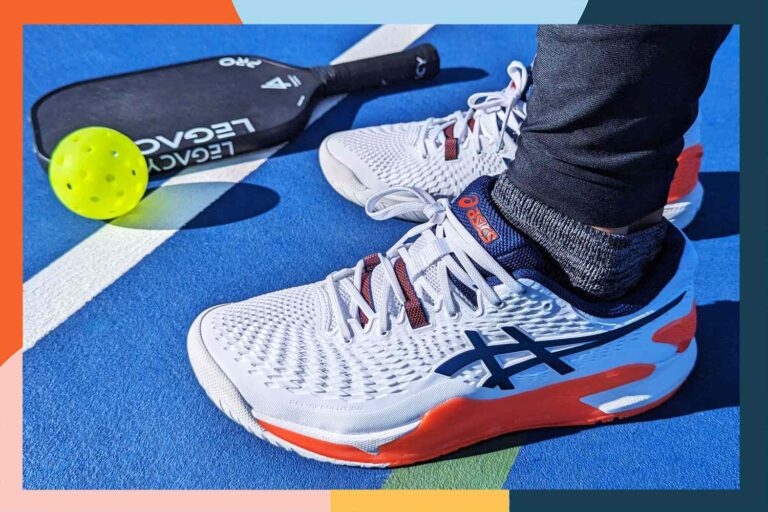
What Muscles Does Pickleball Work: Uncover the Secret Fitness Boost

Pickleball is a fun and engaging sport. It offers a great workout too.
But what muscles does it work? Pickleball targets several key muscle groups. It’s a full-body activity that combines elements of tennis, badminton, and ping-pong. Your legs get a good workout from constant movement and quick direction changes. Your core muscles stay engaged for balance and stability.
Your arms and shoulders also get a lot of action through swinging and hitting the ball. Understanding the muscles involved can help you enhance your game and avoid injuries. Whether you’re a beginner or a seasoned player, knowing how pickleball impacts your body can lead to better performance and overall fitness. So, let’s explore the muscles that pickleball works and how you can benefit from this popular sport.
Introduction To Pickleball
Pickleball is a fun and engaging sport that combines elements of tennis, badminton, and ping pong. It is played on a smaller court using a paddle and a plastic ball with holes. Whether you are a beginner or an experienced player, pickleball offers a great way to stay active and improve your fitness. Let’s dive into the fascinating world of pickleball and explore its history and popularity.
Brief History
Pickleball was invented in 1965 by three friends: Joel Pritchard, Bill Bell, and Barney McCallum. They created the game to entertain their families during a summer vacation. The game quickly caught on and spread throughout the United States.
Initially, it was played with simple paddles and a wiffle ball. Over time, the equipment evolved, and the rules were standardized. Today, pickleball is played professionally and recreationally by millions of people worldwide.
Popularity Growth
Pickleball’s popularity has seen tremendous growth in recent years. The sport is accessible to all ages and skill levels, making it a favorite for both young and old.
Many communities have built dedicated pickleball courts. Schools and recreational centers have also embraced the sport. The ease of learning the game and the social aspect of play have contributed to its widespread appeal.
According to the USA Pickleball Association, the number of players has doubled in the past decade. This growth is expected to continue as more people discover the benefits and joys of playing pickleball.
In summary, pickleball is a fantastic sport with a rich history and growing popularity. It offers a great workout while being enjoyable and social. Let’s explore further to understand which muscles are worked during a game of pickleball.
Credit: www.theskilledpickle.com
Cardiovascular Benefits
Pickleball is a fun and dynamic sport that works various muscle groups. But did you know it also offers great cardiovascular benefits? Playing pickleball regularly can improve your heart health and boost your endurance.
Heart Health
Pickleball gets your heart pumping. This sport involves quick movements and constant activity. These actions raise your heart rate, which strengthens your heart. A stronger heart pumps blood more efficiently. This reduces the risk of heart diseases. Regularly playing pickleball can help maintain a healthy blood pressure. It also helps lower cholesterol levels. This keeps your arteries clear and reduces the strain on your heart.
Endurance Improvement
Pickleball enhances your endurance. The game requires constant motion. You are always moving, whether you are hitting the ball or chasing it. This keeps your muscles engaged and builds stamina over time. As you play more, you will notice that you can play longer without feeling tired. This increased stamina translates to daily activities. You will find yourself less fatigued and more energetic throughout the day. Pickleball’s varied pace keeps your body adapting. This makes it a great way to improve your overall fitness level.
Upper Body Muscles
Pickleball is more than just fun. It is a great workout too. This sport engages several upper body muscles. Playing pickleball can help strengthen your shoulders and arms. Let’s break it down.
Shoulders
Your shoulders play a crucial role in pickleball. Every swing and serve activates the shoulder muscles. The primary muscles involved are the deltoids. They are responsible for lifting and rotating your arms.
The rotator cuff muscles also get a workout. These muscles help stabilize your shoulder joint. This is crucial for maintaining control and power in your shots. Regular play can lead to stronger, more stable shoulders.
Arms
Pickleball also works your arms. The action of swinging the paddle targets several muscles. The biceps and triceps are heavily engaged. These muscles contract and extend with each shot.
The forearm muscles also get a good workout. Holding and maneuvering the paddle requires grip strength. This helps in building strong forearms and improving overall arm endurance.
In summary, pickleball is a full upper body workout. It strengthens and tones your shoulders and arms. So, keep playing and enjoy the benefits.
Credit: www.retrofitpilates.com
Core Strength
Pickleball is not just fun; it is a full-body workout. One key area it targets is core strength. A strong core is vital for balance, stability, and power. Playing pickleball helps you develop these essential muscles, ensuring you perform better on the court and in daily life.
Abdominals
The abdominal muscles play a crucial role in pickleball. Every time you hit the ball, you engage your abs. This repetitive motion strengthens your rectus abdominis and obliques. Strong abs help you maintain good posture and prevent back injuries.
In pickleball, you often twist your body. These twisting motions work your oblique muscles. Well-developed obliques aid in powerful swings and quick direction changes. Regular play leads to noticeable improvements in these muscle groups.
Lower Back
The lower back muscles are also heavily engaged in pickleball. They support your spine and assist in rotation and bending. Playing pickleball helps strengthen these muscles, reducing the risk of lower back pain.
Strong erector spinae muscles in the lower back are vital for stability. These muscles work to keep you upright and balanced during the game. Regularly playing pickleball helps fortify these muscles, contributing to better overall posture and fewer back issues.
Lower Body Muscles
Pickleball is a fun and exciting sport. It offers a great workout for your lower body muscles. As you move around the court, you’ll engage several muscles in your legs and glutes. This helps in improving strength, balance, and agility.
Legs
Your legs play a vital role in pickleball. Every step, jump, and pivot works your leg muscles. Here are some key muscles involved:
- Quadriceps: These are the muscles on the front of your thighs. They help in extending your knees and are used when you run or jump.
- Hamstrings: Located at the back of your thighs, these muscles help in bending your knees. They are crucial for quick movements and stability.
- Calves: These muscles are found at the back of your lower legs. They help in pushing off the ground and maintaining balance.
Glutes
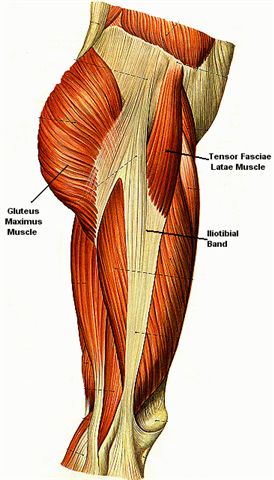
Your glutes are essential for power and stability in pickleball. They include three main muscles:
- Gluteus Maximus: This is the largest muscle in your buttocks. It helps in extending your hips and provides power for your movements.
- Gluteus Medius: Located on the side of your hip, it helps in abducting your thigh. This muscle is important for lateral movements and balance.
- Gluteus Minimus: This is the smallest glute muscle, found beneath the gluteus medius. It assists in the same movements and provides additional stability.
By playing pickleball, you can strengthen these muscles. This not only improves your game but also enhances your overall fitness.
Flexibility And Agility
Playing pickleball demands a high level of flexibility and agility. These two components are crucial for quick, fluid movements on the court. Improving flexibility and agility not only enhances your performance but also helps prevent injuries.
Range Of Motion
Pickleball requires a wide range of motion in various joints. Your shoulders, hips, and knees need to move freely. This wide range helps you reach shots and maintain balance.
Here are some exercises to increase your range of motion:
- Shoulder Circles: Increase shoulder flexibility.
- Hip Rotations: Improve hip movement.
- Knee Bends: Enhance knee flexibility.
Consistent stretching can also improve flexibility over time.
Quick Movements
Pickleball involves many quick movements. You need to react fast to your opponent’s shots. Quick movements require strong leg muscles and a stable core.
Key exercises for quick movements include:
- Squats: Strengthen legs.
- Lunges: Improve balance.
- Planks: Build core strength.
Practicing drills can also help you move swiftly on the court. Try shuttle runs or ladder drills to boost your speed.
Incorporating these exercises into your routine will enhance your flexibility and agility, making you a better pickleball player.
Mental Health Benefits
Pickleball is not just a physical workout; it also provides significant mental health benefits. Engaging in this sport can positively impact your mind and emotional well-being. Playing pickleball can help you manage stress, improve cognitive function, and boost your overall mood.
Stress Relief
Playing pickleball can be an effective way to relieve stress. The sport requires you to focus on the game, which can distract you from your worries. The physical activity involved helps release endorphins. These are natural chemicals in your brain that make you feel good. Laughing and chatting with friends on the court also lifts your spirits.
Cognitive Function
Pickleball can help keep your brain sharp. The game involves strategy and quick thinking. You need to plan your shots and anticipate your opponent’s moves. This mental exercise helps improve your cognitive function. Regular play can enhance memory and decision-making skills. Staying mentally active is crucial for long-term brain health.

Credit: protalus.com
Conclusion And Tips
Pickleball is a fun way to stay active. It targets several muscle groups. This section will summarize the benefits and provide tips for starting.
Summary Of Benefits
- Improves cardiovascular health: Pickleball gets your heart pumping.
- Enhances muscle strength: It works the arms, legs, and core.
- Boosts flexibility: The movements help stretch muscles.
- Promotes weight loss: It burns calories efficiently.
- Reduces stress: Playing can improve your mood.
Getting Started
New to pickleball? Here are some tips to help you begin:
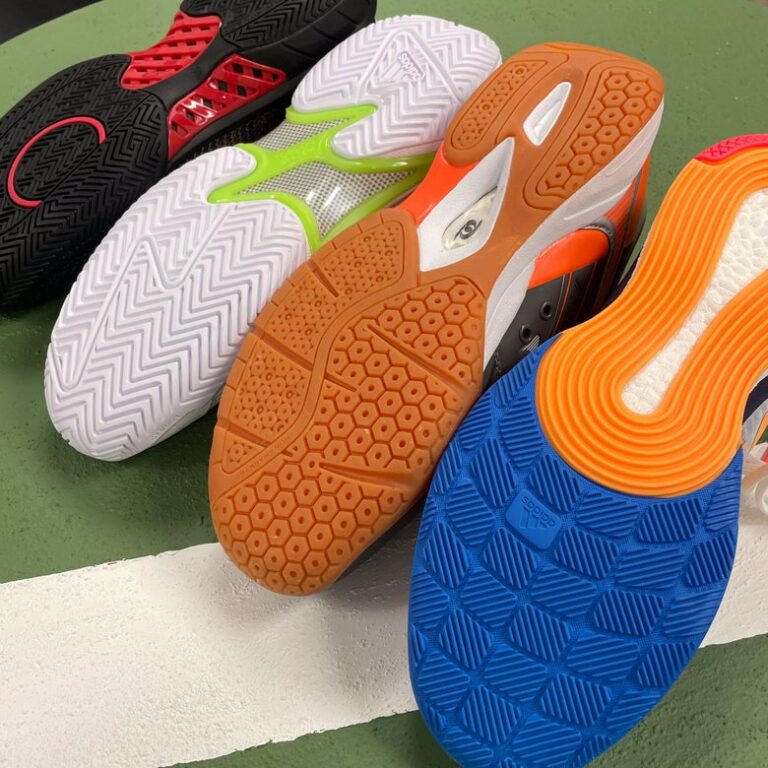
- Get the right equipment: You’ll need a paddle, ball, and comfortable shoes.
- Learn the rules: Understanding the game basics is key. Read the rule book.
- Warm up: Stretch your muscles before playing. Focus on your arms, legs, and back.
- Start slow: Play at a pace that suits your fitness level. Gradually increase your intensity.
- Practice regularly: Consistency is important. Aim to play several times a week.
Pickleball is enjoyable and beneficial. Follow these tips to get the most out of your games. Enjoy playing and stay active!
Frequently Asked Questions
What Muscles Are Used In Pickleball?
Pickleball primarily works your legs, core, and upper body. Your quadriceps, hamstrings, and calves provide stability and movement. The core muscles engage during swings, while shoulders, forearms, and wrists handle paddle control.
Does Pickleball Build Muscle?
Yes, pickleball can help build muscle. The sport involves repetitive movements that strengthen various muscle groups. Consistent play enhances muscle endurance, especially in the legs, core, and upper body.
Is Pickleball Good For Your Core?
Yes, pickleball is excellent for your core. The twisting motions during play engage your abdominal and lower back muscles. This improves overall core strength and stability.
How Does Pickleball Benefit Your Legs?
Pickleball benefits your legs through constant movement and quick direction changes. These actions strengthen your quadriceps, hamstrings, and calves. Improved leg strength enhances agility and balance.
Conclusion
Playing pickleball benefits many muscle groups. Your legs, arms, and core get a workout. Regular play improves strength and endurance. It’s a fun way to stay active. Pickleball also enhances balance and agility. Whether young or old, anyone can enjoy this sport.
So grab a paddle and hit the court. Enjoy the health benefits of pickleball today!