What is a Volley in Pickleball: Essential Techniques Explained

A volley in pickleball is hitting the ball before it bounces. This is a key skill in the game.
Pickleball combines elements of tennis, badminton, and ping-pong. A volley is a crucial part of this sport. It can change the course of a game. Mastering volleys can improve your performance on the court. In this post, we will explore what a volley is and why it matters.
We will also discuss how to execute it correctly. Understanding volleys can help you become a better player. So, let’s dive into the world of pickleball volleys and learn more about this essential skill.

Credit: www.youtube.com
Introduction To Pickleball Volleys
Welcome to the world of pickleball! If you are new to the sport, you might be curious about different techniques. One such technique is the volley. Understanding volleys can improve your game and make you more competitive. Let’s dive into what volleys are and their role in pickleball.
Basics Of A Volley
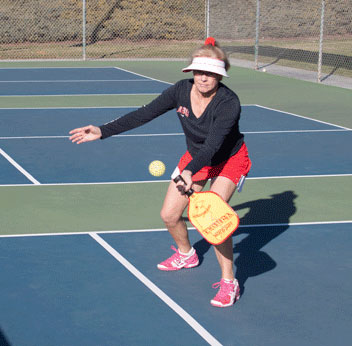
A volley in pickleball means hitting the ball before it bounces. Players perform volleys while standing at the net. It is a quick action that requires good reflexes. You must keep your paddle up and be ready. Your stance should be balanced and your eyes on the ball. Focus on a controlled and accurate hit. Avoid swinging too hard. Soft and precise volleys are usually more effective.
Importance In The Game
Volleys are crucial in pickleball for several reasons. First, they keep your opponents on their toes. A good volley can disrupt their rhythm. Volleys also help in maintaining an aggressive position. Staying at the net puts pressure on your opponents. It forces them to make quick decisions. This can lead to mistakes and missed shots. Mastering volleys can enhance your defensive and offensive strategies. It makes you a more versatile player on the court.
Types Of Pickleball Volleys
Pickleball volleys are key to effective play. Mastering different types can enhance your game. Two primary types are the forehand and backhand volleys.
Forehand Volley
The forehand volley is a common shot in pickleball. It uses the front part of your paddle. Hold your paddle with a firm grip. Keep your eyes on the ball. Use a short, controlled motion to hit the ball. Aim to keep the ball low and fast. Forehand volleys are great for quick exchanges at the net.
Backhand Volley
The backhand volley is another essential shot. It uses the back part of your paddle. Hold your paddle with a firm grip. Keep your wrist firm and steady. Use a short, controlled motion to hit the ball. Aim to keep the ball low and fast. Backhand volleys are useful when the ball is on your non-dominant side.
Practicing both types of volleys can make you a better player. Remember, control and precision are key. Keep practicing to improve your skills.
Grip And Stance
Understanding the grip and stance is crucial for mastering a volley in pickleball. The right grip and stance can greatly influence your performance. Let’s delve into the essential techniques to improve your volley.
Proper Grip Techniques
Having the correct grip on your paddle is vital. There are different grips used in pickleball, but the Continental Grip is the most common for volleys.
Here’s how to achieve the Continental Grip:
- Hold the paddle like you are shaking hands with it.
- Your index knuckle should be on the top bevel of the handle.
- Ensure your thumb rests comfortably against the back of the handle.
This grip allows for better control and maneuverability. Practice holding the paddle this way until it feels natural.
Optimal Stance
An optimal stance sets the foundation for a successful volley. Stand with your feet shoulder-width apart. Bend your knees slightly for better balance.
Here are key points to remember:
- Keep your weight on the balls of your feet.
- Position your paddle in front of you, ready to react.
- Maintain a slight forward lean.
This stance provides stability and quick reaction time. Adjust your position based on the ball’s trajectory.
Combining the proper grip and optimal stance will enhance your pickleball volley skills. Practice these techniques regularly to see improvement.
Credit: iptpa.com
Executing A Forehand Volley
The forehand volley in pickleball is a vital skill. It allows you to attack and defend at the net. Understanding hand positioning and swing motion is key to success.
Hand Positioning
Proper hand positioning starts with a relaxed grip. Hold the paddle like you would a hammer. Your index finger and thumb should form a “V” shape. This grip offers control and power.
Keep your paddle face open. This means the paddle should face slightly upward. It helps you lift the ball over the net. Make sure your wrist is firm to avoid weak shots.
Swing Motion
The swing motion for a forehand volley is compact. It should be short and controlled. Start with your paddle in front of your body. Your non-dominant hand helps balance.
As the ball approaches, step forward with your non-dominant foot. This adds power and keeps you balanced. Swing your paddle forward while keeping your arm straight. Aim to contact the ball in front of your body.
Finish the swing by following through slightly. This helps maintain control and direction of the ball. Remember, a short and controlled swing is more effective.
Mastering The Backhand Volley
Mastering the backhand volley in pickleball can significantly improve your game. This skill requires proper technique and practice. Let’s break down the essentials to help you succeed.
Hand Positioning
Proper hand positioning is crucial for a strong backhand volley. Hold the paddle with a firm grip. Keep your wrist firm and slightly cocked back. The paddle face should stay open. This helps to control the ball better.
Swing Motion
The swing motion is key for an effective volley. Use a short, compact swing. Avoid large, sweeping motions. Focus on a quick punch-like action. Keep your paddle in front of you. Your non-dominant hand should help maintain balance. This ensures a consistent and controlled volley.
Footwork And Positioning
Footwork and positioning are crucial in pickleball, especially during volleys. Proper movement and stance can help you reach the ball quickly and control your shots. Keeping an active stance will improve your overall game and help you stay balanced.
Movement Tips
Good movement starts with your feet. Stay light on your toes and be ready to move in any direction. Small, quick steps help you adjust your position without losing balance. Avoid crossing your feet. Instead, shuffle or side-step to keep your body stable.
Bend your knees slightly. This lowers your center of gravity, making it easier to change direction. Keep your weight on the balls of your feet. This helps you react faster to the ball.
Court Positioning
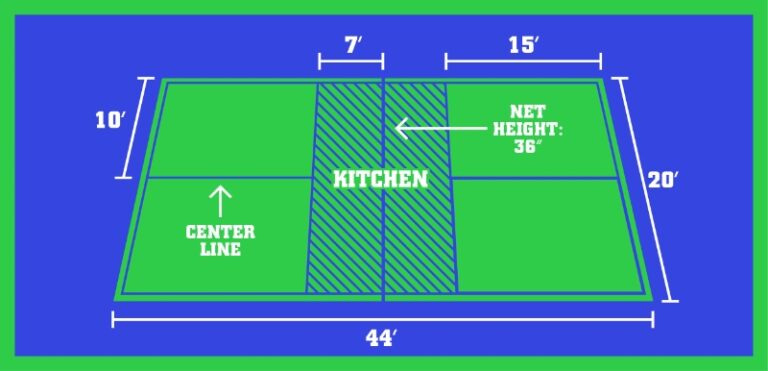
Where you stand on the court affects how well you can play a volley. Stay near the non-volley zone line, also known as the kitchen. This position allows you to cover the net and return volleys quickly.
If you move back, you give your opponent more angles to play with. Always aim to move forward after each shot. This keeps you in an attacking position and ready for the next volley.
Communicate with your partner. If playing doubles, make sure both players cover their areas. This avoids confusion and ensures the entire court is covered.
Common Mistakes To Avoid
Understanding common mistakes in pickleball can improve your volley game. Recognizing and addressing these errors can help you play better. Here are some key areas where players often struggle.
Grip Errors
One common mistake is gripping the paddle too tightly. This can limit your control and increase fatigue. Hold the paddle with a relaxed, firm grip. Another error is using the wrong grip type. Ensure you use the continental grip for volleys. This grip is versatile and allows quick adjustments.
Poor Footwork
Footwork is crucial in pickleball. Many players stand still during volleys. This makes it hard to reach the ball in time. Keep your feet active and ready to move. Another mistake is improper weight distribution. Balance your weight on the balls of your feet. This position makes it easier to move quickly.
Drills And Practice Techniques
Drills and practice techniques are vital in mastering the volley in pickleball. Regular practice helps players improve their reflexes and precision. Both solo and partner drills can enhance your skills significantly.
Solo Drills
Practicing alone can be very effective. Wall drills are a great start. Stand a few feet from a wall. Hit the ball against the wall repeatedly. Try to keep the ball at a consistent height. This helps with control and accuracy.
Another solo drill involves using a paddle and a ball. Bounce the ball on your paddle continuously. Aim to keep the ball steady. This helps improve hand-eye coordination.
Partner Drills
Partner drills offer dynamic practice. One popular drill is the “dink” drill. Stand across from your partner. Hit the ball softly over the net. Keep the ball within the non-volley zone. This helps develop control and patience.
Another effective partner drill is volley exchanges. Stand close to the net with your partner. Hit the ball back and forth quickly. Focus on maintaining a steady rhythm. This improves reflexes and speed.
Advanced Volley Strategies
Volleys are key in pickleball. Mastering advanced volley strategies gives you an edge. Understanding both offensive and defensive tactics can transform your game. Let’s explore these techniques.
Offensive Volleys
Offensive volleys aim to put pressure on your opponent. Hit the ball with power and precision. Target weak spots in your opponent’s defense. Aim for their feet or corners of the court. This forces them to react quickly. It makes returning the ball harder.
Use the angle of your paddle. Direct the ball where you want it to go. Sharp angles make the ball harder to return. Mix up your shots. Keep your opponent guessing. Vary your speed and direction. This creates uncertainty and leads to mistakes.
Defensive Volleys
Defensive volleys are about staying in the game. Focus on control and placement. Keep the ball low and slow. This reduces your opponent’s attack options. Use a soft grip on your paddle. Absorb the impact of the ball. This helps with control.
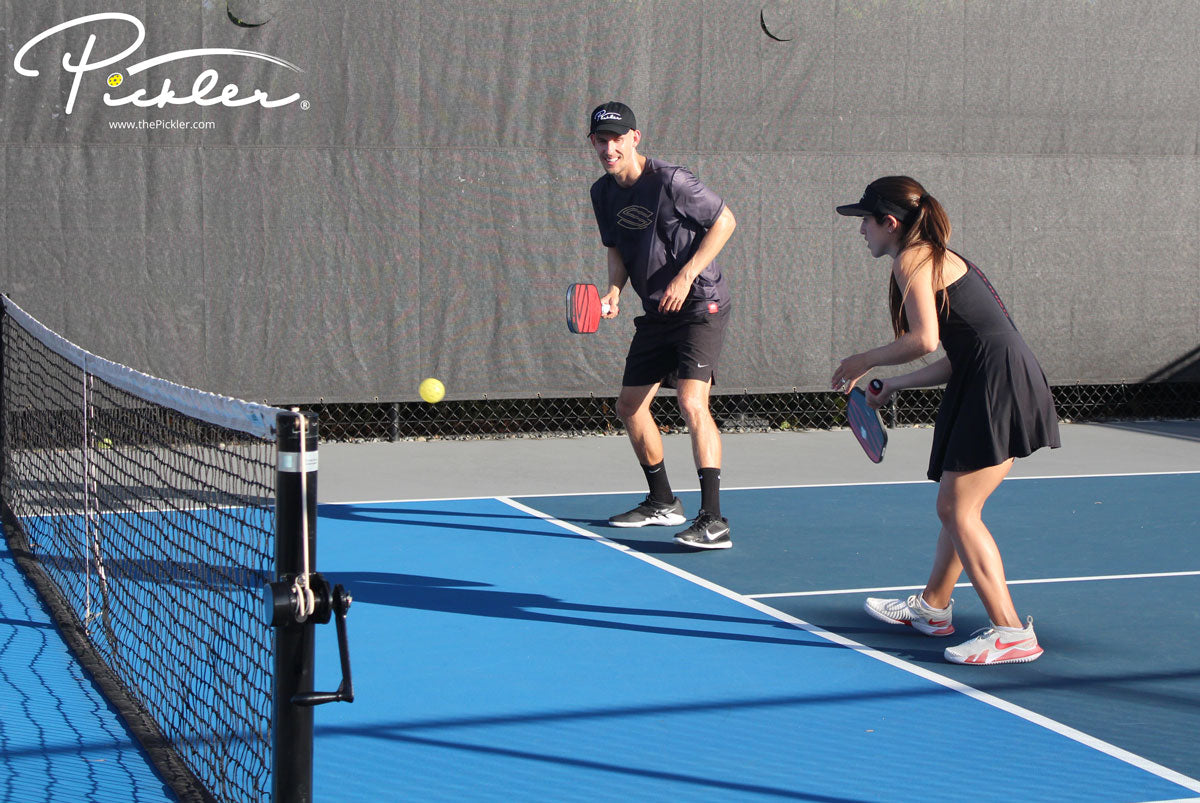
Positioning is crucial. Stand close to the net. Be ready to react quickly. Watch your opponent’s body language. Anticipate their next move. Prepare to counter their shots. Stay calm under pressure. Consistency in defense can frustrate your opponent. It might lead them to make errors.
Credit: thepickler.com
Conclusion And Key Takeaways
Understanding what a volley is in pickleball helps improve your game. In this section, we will summarize the techniques, offer tips for improvement, and highlight key takeaways.
Summary Of Techniques
To execute a perfect volley, keep your paddle up and ready. Position yourself near the net. Watch the ball closely. Use short, compact swings. A controlled wrist snap can help. Stay light on your feet. React quickly to your opponent’s moves.
Tips For Improvement
Practice regularly to improve your volley. Focus on footwork. Good positioning is key. Play with different partners. Learn from their styles. Watch professional players. Observe their techniques. Stay relaxed and confident.
Frequently Asked Questions
What Is A Volley In Pickleball?
A volley in pickleball is a shot where the ball is hit before it bounces. Players usually perform volleys near the net to maintain control and pressure the opponents.
When Should I Volley In Pickleball?
You should volley in pickleball when you’re near the net and can take the ball early. Volleys help maintain offensive pressure and disrupt your opponent’s rhythm.
How Do You Execute A Good Volley?
To execute a good volley, keep your paddle up and your movements compact. Focus on quick reflexes, steady grip, and aiming for open spaces on the court.
Are Volleys Allowed In The Kitchen?
Volleys are not allowed in the kitchen, also known as the non-volley zone. You must wait for the ball to bounce before hitting it in this area.
Conclusion
A volley in pickleball is a key skill to learn. It involves hitting the ball before it bounces. This move keeps the game fast and exciting. Practice your volleys to improve your play. Remember, positioning and timing are crucial. Keep your paddle up and stay alert.
With regular practice, you’ll get better. Enjoy the fun and challenge of pickleball. Happy playing!