What Are Minimalist Running Shoes: 2026 Buyer’s Guide

Minimalist running shoes are low, flexible, foot-shaped shoes that promote natural movement.
If you have wondered what are minimalist running shoes, you are in the right place. I coach runners and test gear for a living. I will break down what are minimalist running shoes, why they work, when they fail, and how to use them well. Read on for clear steps, real stories, and science you can trust.

What Are Minimalist Running Shoes? The Core Idea
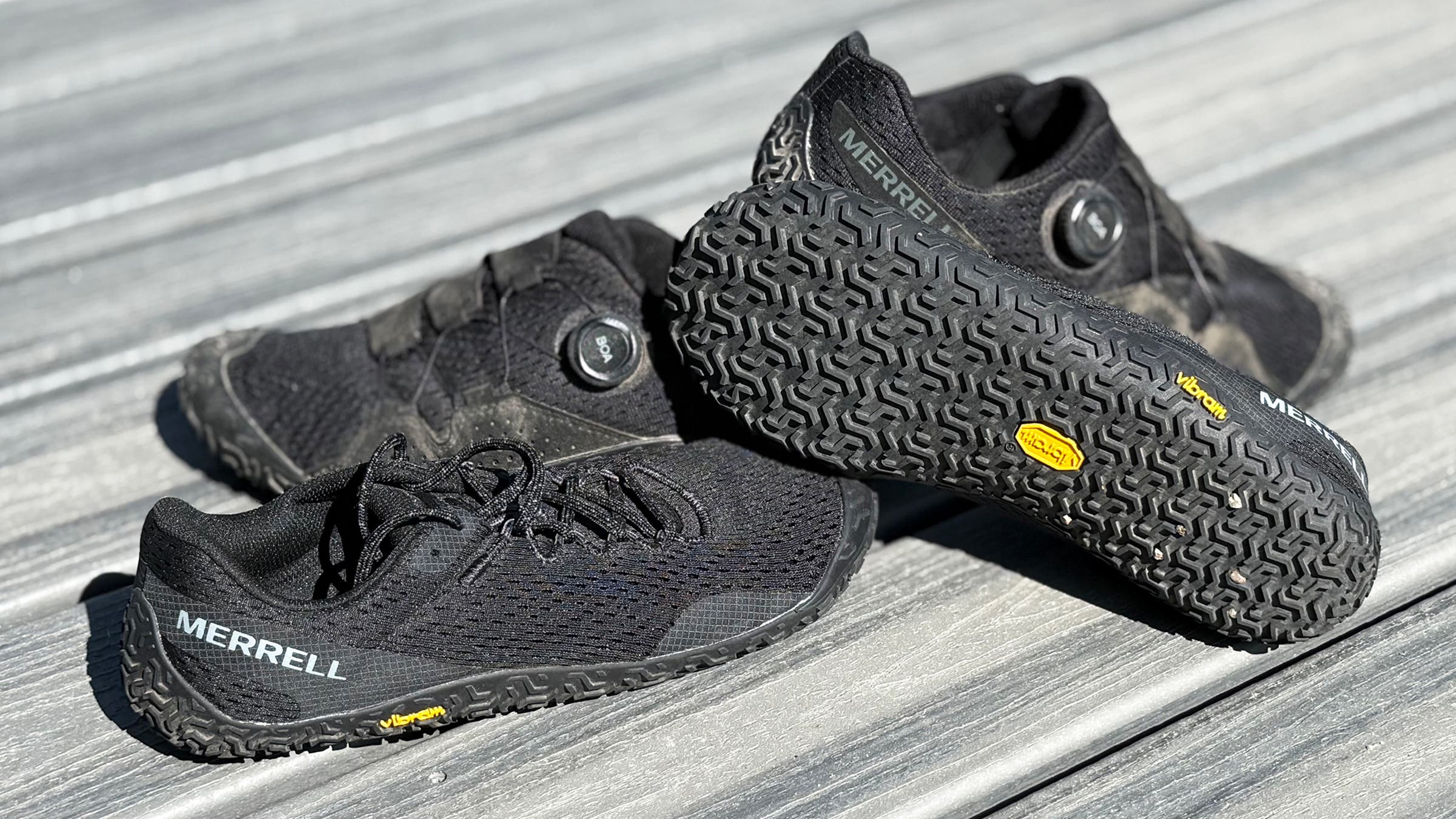
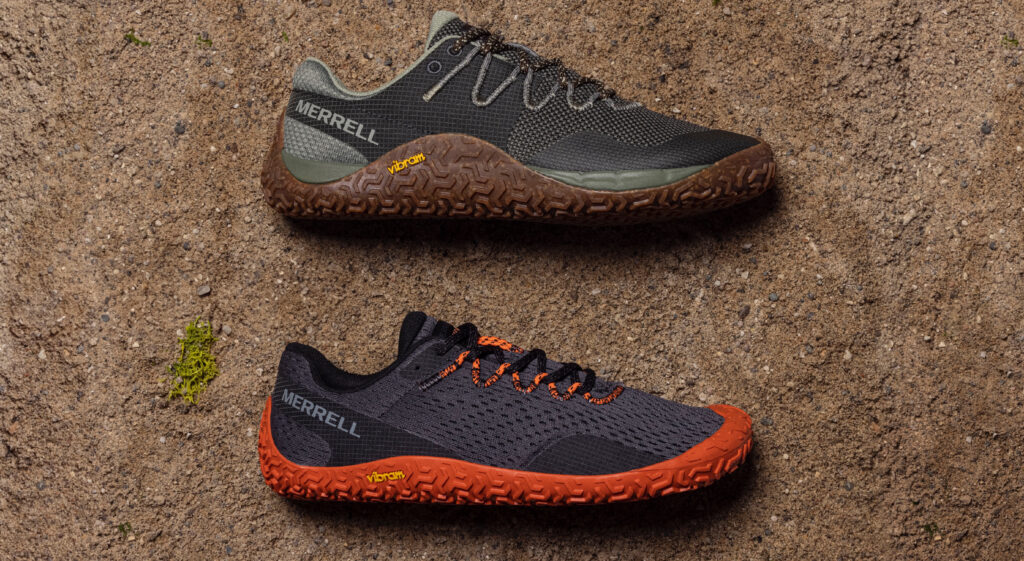
Minimalist running shoes aim to let your feet move like they do when barefoot. They use less foam, very low heel-to-toe drop, and a wide toe box. The result is more ground feel and a natural stride.
Common traits include:
- Low stack height so you feel the ground and react fast.
- Near zero heel-to-toe drop to reduce heel lift and cue a midfoot strike.
- High flexibility so the shoe bends with your foot.
- Wide toe box so toes can splay and grip.
- Light weight to keep your stride quick.
People ask what are minimalist running shoes because they see many types. Think of a scale. Barefoot shoes have no cushion. Minimalist shoes have a little cushion and some rubber underfoot. Traditional trainers have moderate foam and structure. Maximal shoes add lots of foam for comfort.
If you came here asking what are minimalist running shoes, keep this picture in mind. They are tools to help your foot do its job, not props that do the job for it.
How Minimalist Shoes Change Your Running Mechanics
Minimalist shoes cue a shorter stride and higher cadence. They tend to shift load from the knee to the ankle and foot. Many runners move from a hard heel strike to a gentle midfoot or forefoot strike.
You gain more proprioception. That means your brain gets rich feedback from the ground. You adjust faster to bumps and angles. Research shows this can reduce knee load, but it can raise load in the calf and Achilles.
If you ask what are minimalist running shoes in a mechanics sense, they are feedback devices. They make bad form loud and good form smooth.
Benefits You Might Notice
- Better form feedback. You feel sloppy landings right away and adjust.
- Stronger feet and calves over time. Small muscles wake up and work.
- Lighter steps and quicker cadence. Less shoe mass helps turnover.
- Improved balance and agility. Ground feel helps trail control.
- Natural toe splay. This may ease hot spots and numb toes.
- Versatility for gym work and travel. One pair can do many tasks.
From my own miles, the biggest gain was cadence. I went from 166 to around 176 steps per minute on easy runs. Over months, my feet felt stronger, and my post-run calf tightness faded with good strength work.

Risks, Limitations, and Who Should Be Cautious
Minimalist shoes shift stress. Calves, Achilles, and the forefoot take more load. If you rush the switch, you risk sore calves, plantar pain, or a metatarsal stress reaction.
Some feet need more cushion on long road runs. Cold weather and sharp debris also bite more when the sole is thin. Wet grip can vary by brand and outsole.
If you are dealing with a fresh injury, ask a clinician before you dive in. When people ask what are minimalist running shoes good for, I add this: they are great tools, but not magic fixes. Respect the load.
How to Transition Safely
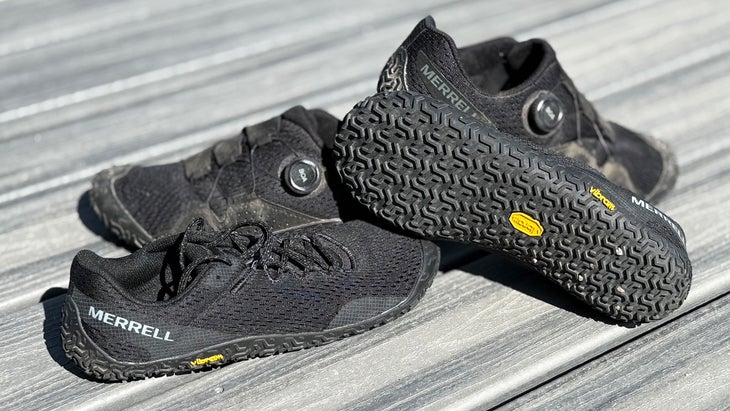
- Start with short walks in your pair. Let the sole of your foot wake up.
- Add form drills twice a week. Include high knees, skips, and quick steps.
- Strengthen feet and calves. Do calf raises, toe yoga, and short foot.
- Keep easy runs in your old shoes at first. Blend in the new pair slowly.
A simple 8-week ramp:
- Week 1: Walk 10–15 minutes daily in minimalist shoes.
- Week 2: Add 2 runs of 5–10 minutes each in them.
- Week 3: Two runs of 12–15 minutes. One short stride session.
- Week 4: One run of 20 minutes. Add 1–2 hill sprints.
- Week 5: Two runs of 20–25 minutes. Keep most miles in old shoes.
- Week 6: One run of 30 minutes. Stay pain-free for 48 hours.
- Week 7: Two runs of 30 minutes. Add a few short intervals.
- Week 8: Make one easy run fully minimalist. Review form and feel.
Stop and reset if pain lingers. Use a log to track minutes, not miles. When friends ask what are minimalist running shoes and how to start, this is the plan I share.

Choosing the Right Minimalist Running Shoe
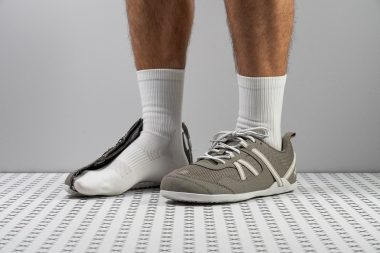
Fit first. Your toes need room to spread. You should have a thumb’s width at the front. The shoe should bend and twist, but not fold in half like paper.
Look for:
- Stack height and drop that match your needs. Many start with 4–8 mm drop, then move lower.
- Outsole grip that suits road or trail.
- Upper that holds the midfoot but frees the toes.
- Durability. Thin rubber lasts longer than exposed foam.
Types to consider:
- Road trainers with low stack for daily miles.
- Trail models with rock protection for rough paths.
- Racing flats for speed days.
- Sandal-style options for hot days and casual wear.
If you still wonder what are minimalist running shoes you should buy, start with a forgiving pair. Then refine as your feet grow stronger.
Minimalist vs Barefoot vs Maximalist
Barefoot shoes are the thinnest. They offer almost no cushion and zero drop. Minimalist shoes add a bit of foam and protection. They are a step toward barefoot, not the end point.
Traditional or maximal shoes have more foam and structure. They can feel great on long pavement runs. They mute ground feel but can cut impact stress on the foot.
So, what are minimalist running shoes in this lineup? They sit in the middle. Enough protection for daily use. Enough feel to guide form.
Care, Durability, and Cost
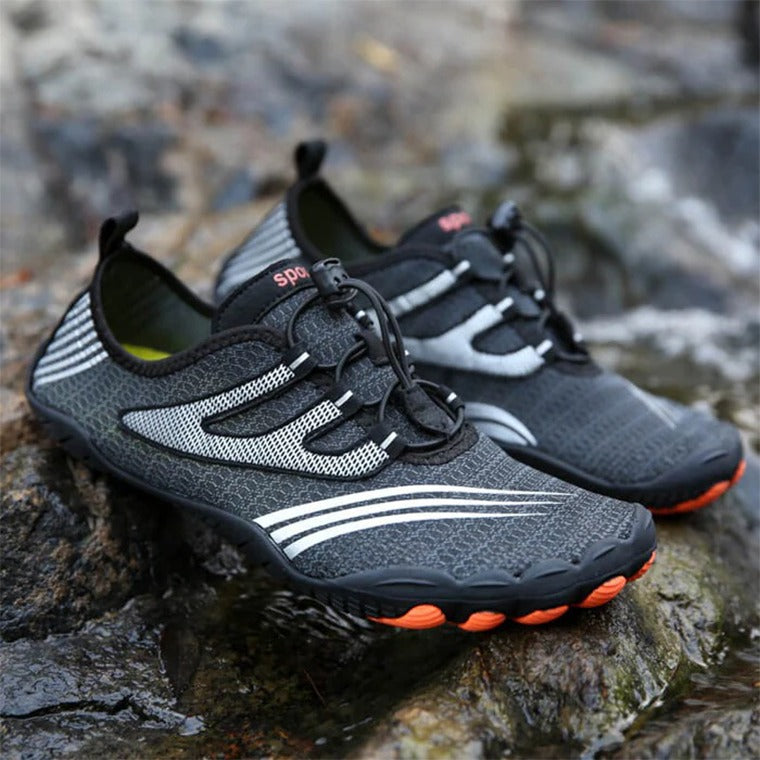
Rotate pairs to let foam rebound and uppers dry. Hand-wash with mild soap. Air dry away from heat.
Expect 300–500 miles for many models. Trail lugs may wear faster on roads. Prices range from budget to premium, but you can find solid values.
If budget matters and you ask what are minimalist running shoes that last, look for thick rubber under high-wear zones.

Real-World Examples and Use Cases
Short runs on soft paths are ideal early on. Drills, strides, and hill sprints also pair well. Many runners use them in the gym for lifts and single-leg moves.
A client of mine had nagging knee ache in bulky shoes. We eased in a low-drop, flexible pair over 10 weeks. His knee felt better, but only after we built calf and foot strength. That story shows what are minimalist running shoes at their best: partners, not cures.
Frequently Asked Questions
What are minimalist running shoes?
Minimalist running shoes are low, flexible shoes with little cushion and support. They help your feet move more naturally and improve ground feel.
Are minimalist shoes good for beginners?
Yes, but only with a slow plan. Start with short walks and short runs, and build strength as you go.
How long does it take to transition safely?
Most runners need 8–12 weeks. Some need more time if calves or feet get sore.
Can minimalist shoes help with knee pain?
They can lower knee load for some people. But they can raise load at the ankle and foot, so progress with care.
Are minimalist shoes okay for flat feet?
Often yes, if you build strength and control volume. Severe issues may need a pro’s advice first.
What surfaces work best?
Start on soft dirt, grass, or a track. Add roads later when your feet and calves adapt.
Do I wear socks with minimalist shoes?
It is up to you. Thin socks help with sweat and blisters, while sockless gives more feel.
How do I know if they fit right?
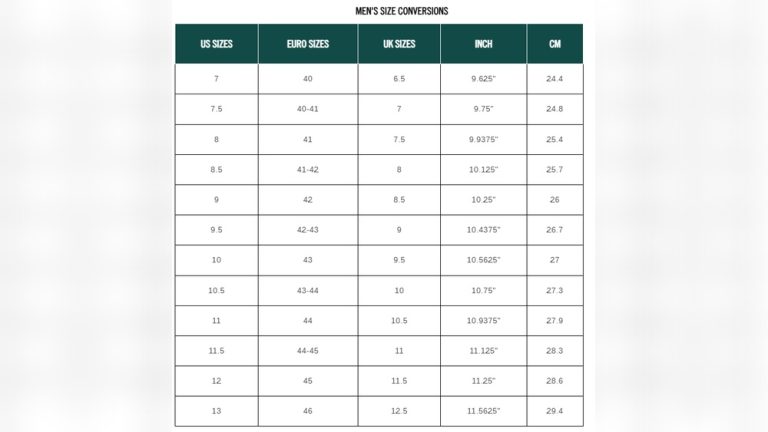
Your toes must splay without pressure. The midfoot should feel secure, and there should be a thumb’s width at the front.
What are minimalist running shoes compared to barefoot shoes?
They add a bit more cushion and protection than barefoot shoes. They still keep low drop, flexibility, and a wide toe box.
Can I race in minimalist shoes?
Yes, for short to mid races if you are trained for them. Test in workouts first to be sure.
Conclusion
Minimalist running shoes can sharpen form, build strong feet, and make running feel simple again. They also shift stress, so a careful plan matters. Start small, add strength, and let your body guide the pace.
If you came here to ask what are minimalist running shoes, you now have a clear path. Try a short walk, a few drills, and a gentle test run this week. Want more tips like this? Subscribe, share your questions, or leave a comment with your experience.