
Can Running Shoes Be Used For Light Hiking: Quick Tips 2026

Yes, in the right conditions, running shoes can be used for light hiking.
If you have ever eyed a mellow trail and wondered, can running shoes be used for light hiking, you are not alone. I guide new hikers and runners on local trails each season, and this question comes up often. In this guide, I share what works, what fails, and how to make smart choices so your feet stay happy and safe.

What counts as light hiking?
Light hiking means easy terrain and low risk. It also means you move fast and carry less.
Here is a simple way to define it:
- Trails that are well groomed and signed
- Mostly dry surfaces with few roots or rocks
- Gentle grades with short climbs and descents
- A daypack under 10 to 15 pounds
- Hikes under 8 to 10 miles, with bailout options
On this type of path, can running shoes be used for light hiking? Yes, if the weather is stable and you pick your route with care.

Benefits of using running shoes on easy trails
Running shoes shine on soft, steady ground. They feel light, airy, and quick.
Key upsides:
- Comfort out of the box. Many running shoes need little break-in.
- Less weight on your feet. Lighter shoes can help you move faster and tire less.
- Breathable uppers. Your feet dry quicker and stay cooler in heat.
- Nimble feel. You can place your feet with more control on smooth paths.
- Budget friendly. You may already own a pair.
In my coaching groups, new hikers switch from old boots to running shoes and smile within minutes. On summer park loops, the change feels like you took off a weighted vest.

Limitations and risks you should know
Running shoes are not perfect for every trail. Know the limits before you go.
Common drawbacks:
- Grip gaps on mud, wet rock, and loose gravel
- Less underfoot protection if there is no rock plate
- Softer uppers that can tear on sharp brush
- Less support with heavy packs or sidehills
- Poor weather defense if the mesh is wide open
I have slipped on wet granite in smooth road shoes. That scare taught me to save those for bike paths and dry dirt. If you expect slick roots or snow, ask again: can running shoes be used for light hiking? Not that day.
A quick decision guide: when it’s a good idea
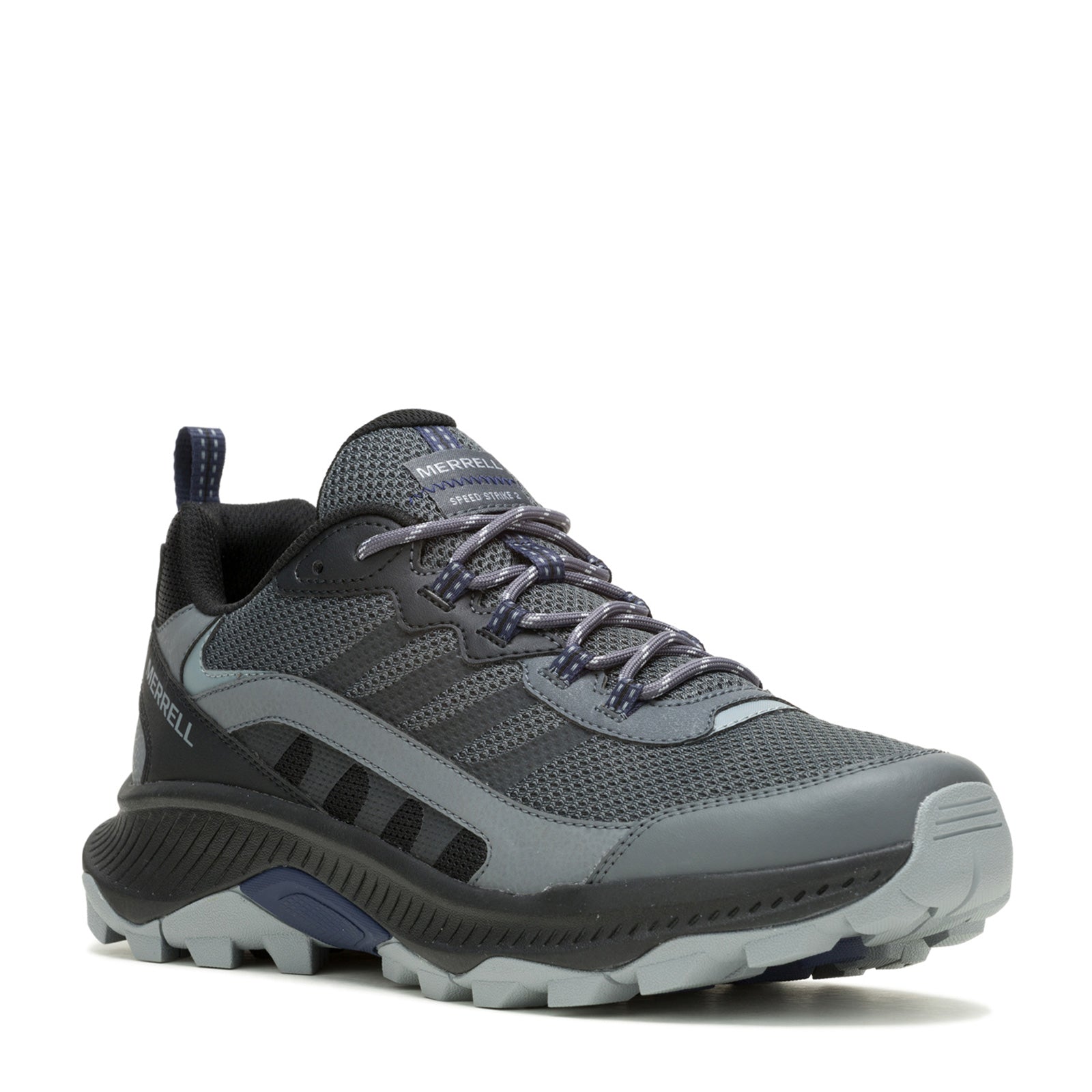
Use this simple checklist. The more boxes you tick, the better the fit.
- Trail is Class 1 or easy Class 2 with clear tread
- Forecast is dry and mild, with low chance of rain
- Pack weight is light, under 10 to 15 pounds
- Mileage is moderate, with water and exit points nearby
- You have a recent pair with good tread and firm foam
- Your ankles feel strong, and your fit is dialed in
If most points say yes, can running shoes be used for light hiking? Yes, and they may be the best choice for comfort and speed.
What to look for in a running shoe for light hikes
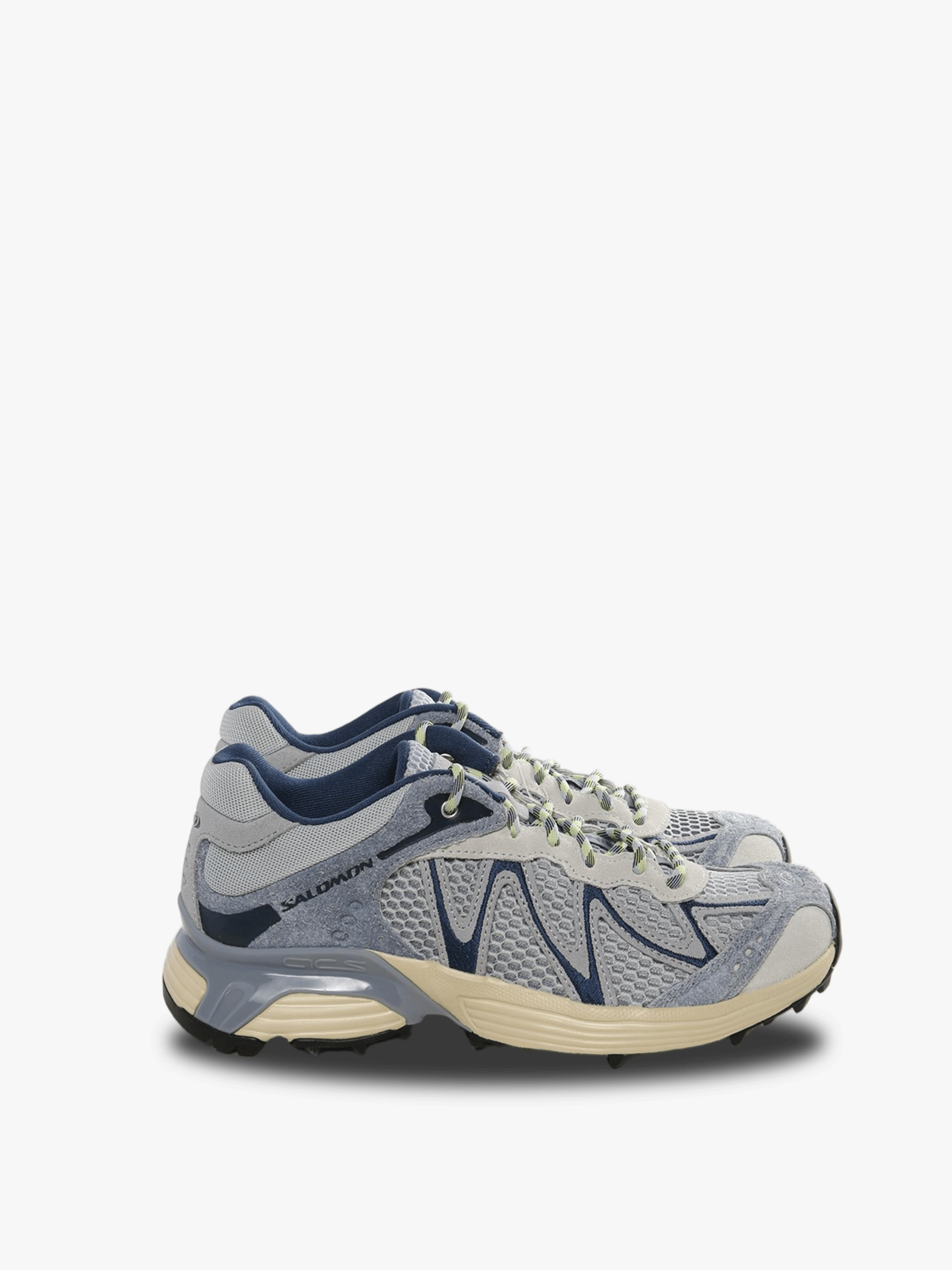
Some running shoes work better than others. Focus on a few parts that matter most.
Core features:
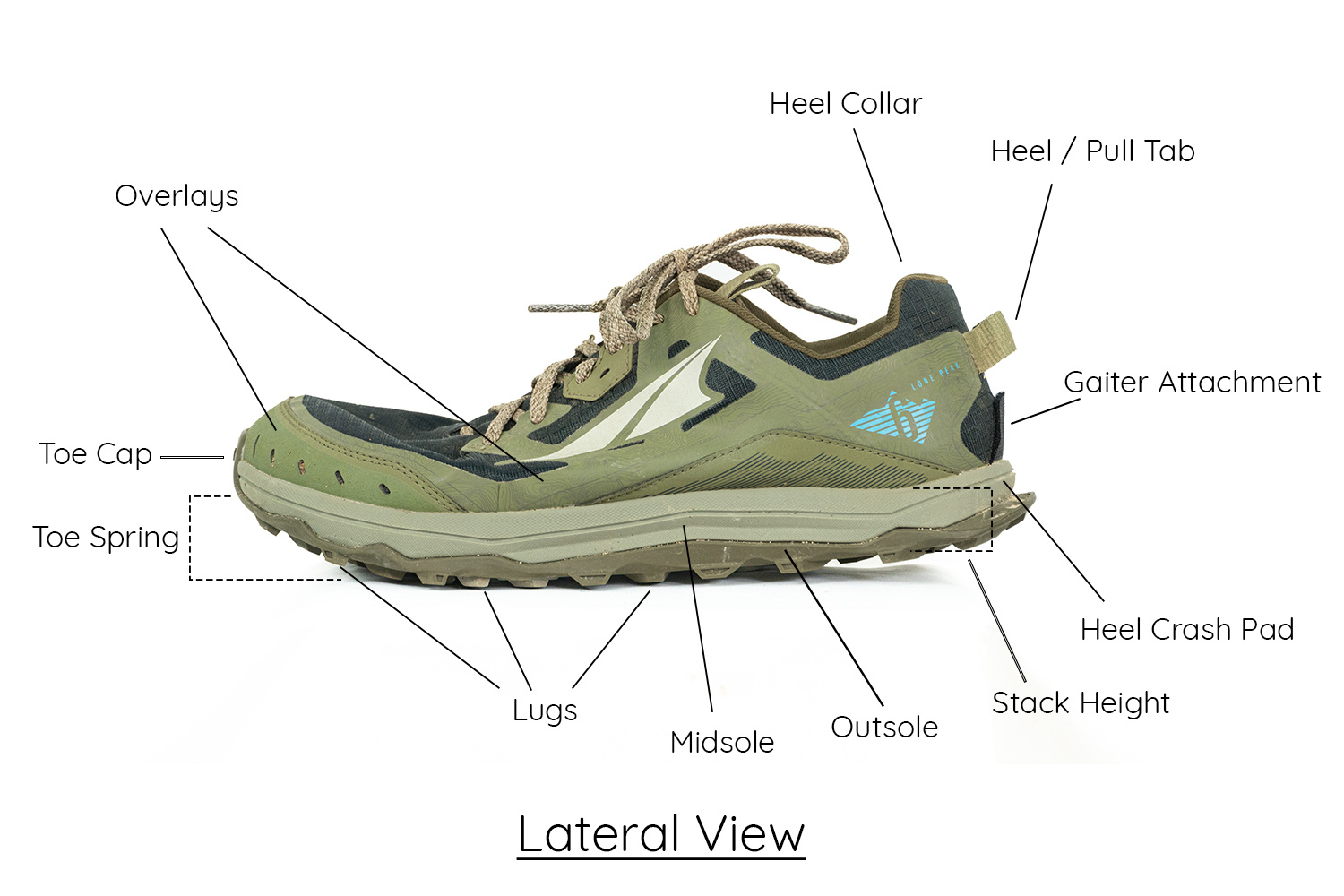
- Traction. Look for multi-direction lugs at least 3 to 4 mm deep.
- Rubber. Stickier rubber helps on dry rock and roots.
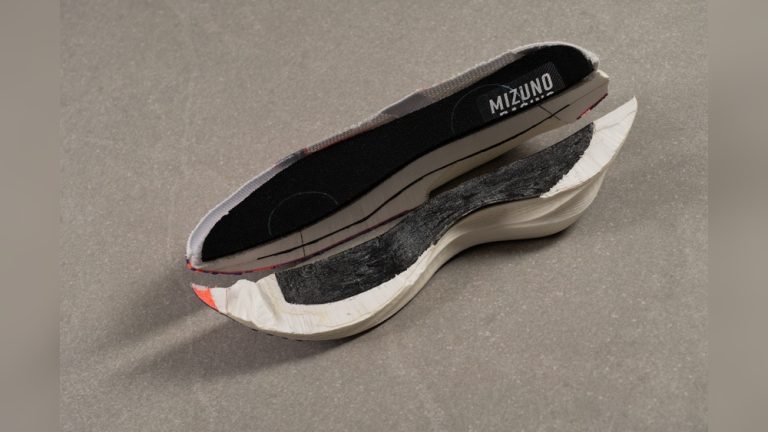
- Underfoot shield. A rock plate or firmer foam guards against sharp stones.
- Fit. A secure heel and roomy toe box help on descents.
- Stack and drop. Moderate stack with a 4 to 8 mm drop suits many feet.
- Upper. Reinforced mesh and a toe bumper add life and safety.
- Water plan. Waterproof liners add warmth, but trap sweat. Use by season.
Trail running shoes are often the sweet spot. Road shoes can work on bike-path style dirt, but they lose grip fast on loose ground. If you ask can running shoes be used for light hiking on gravel fire roads, trail models are a safe bet.
Simple upgrades that make running shoes trail-ready
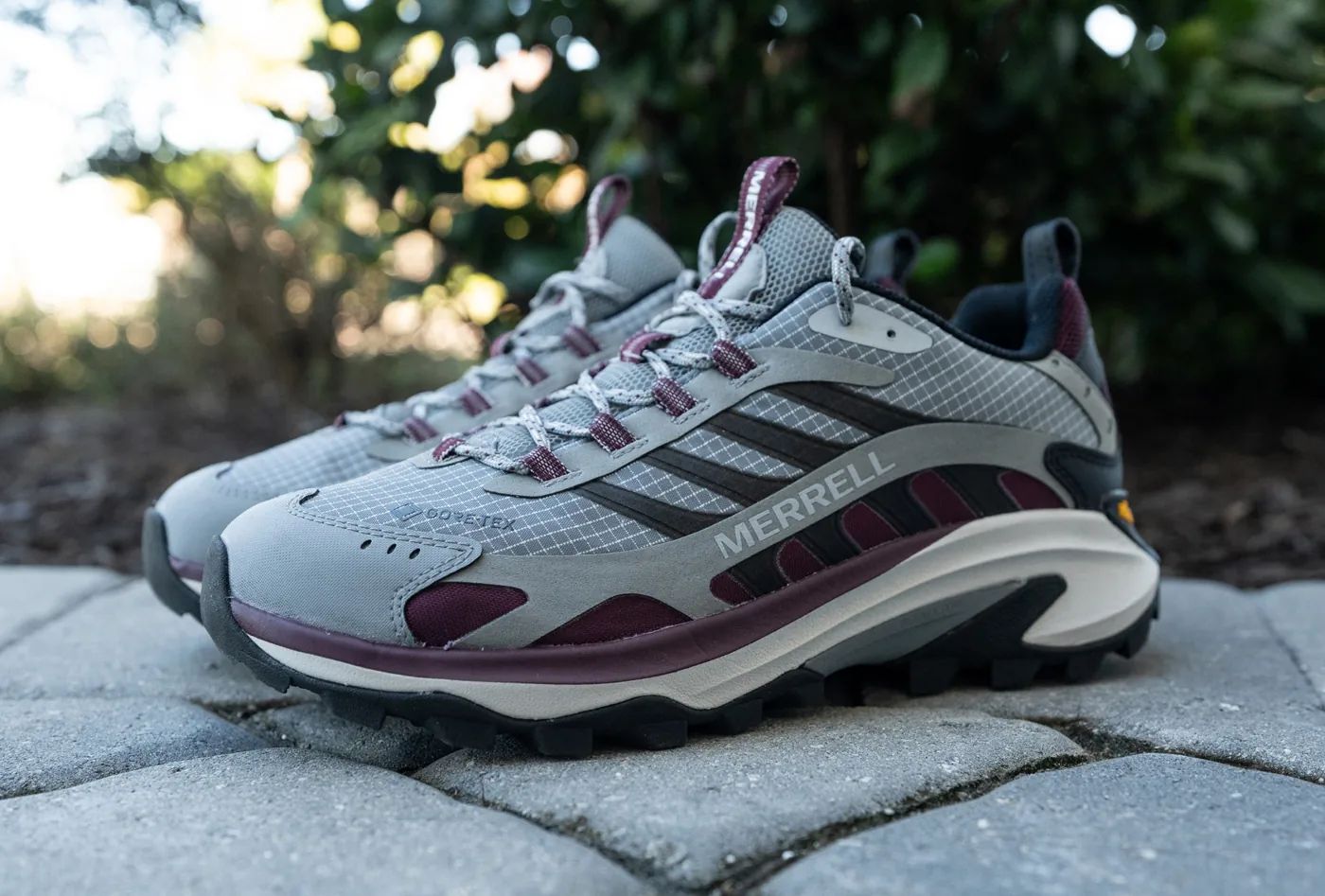
Small tweaks add safety and comfort. You do not need to spend much.
Try these:
- Wear merino or synthetic socks. Skip cotton to reduce blisters.
- Use thin gaiters to block grit and needles.
- Add a supportive insole if you need arch help.
- Learn a heel-lock lace to stop slipping on descents.
- Pack light traction for frost or packed snow if needed.
- Bring trekking poles. They add balance and offload knees.
With these steps, can running shoes be used for light hiking more often? Yes, because you solve the most common pain points.
Care, lifespan, and when to retire your pair
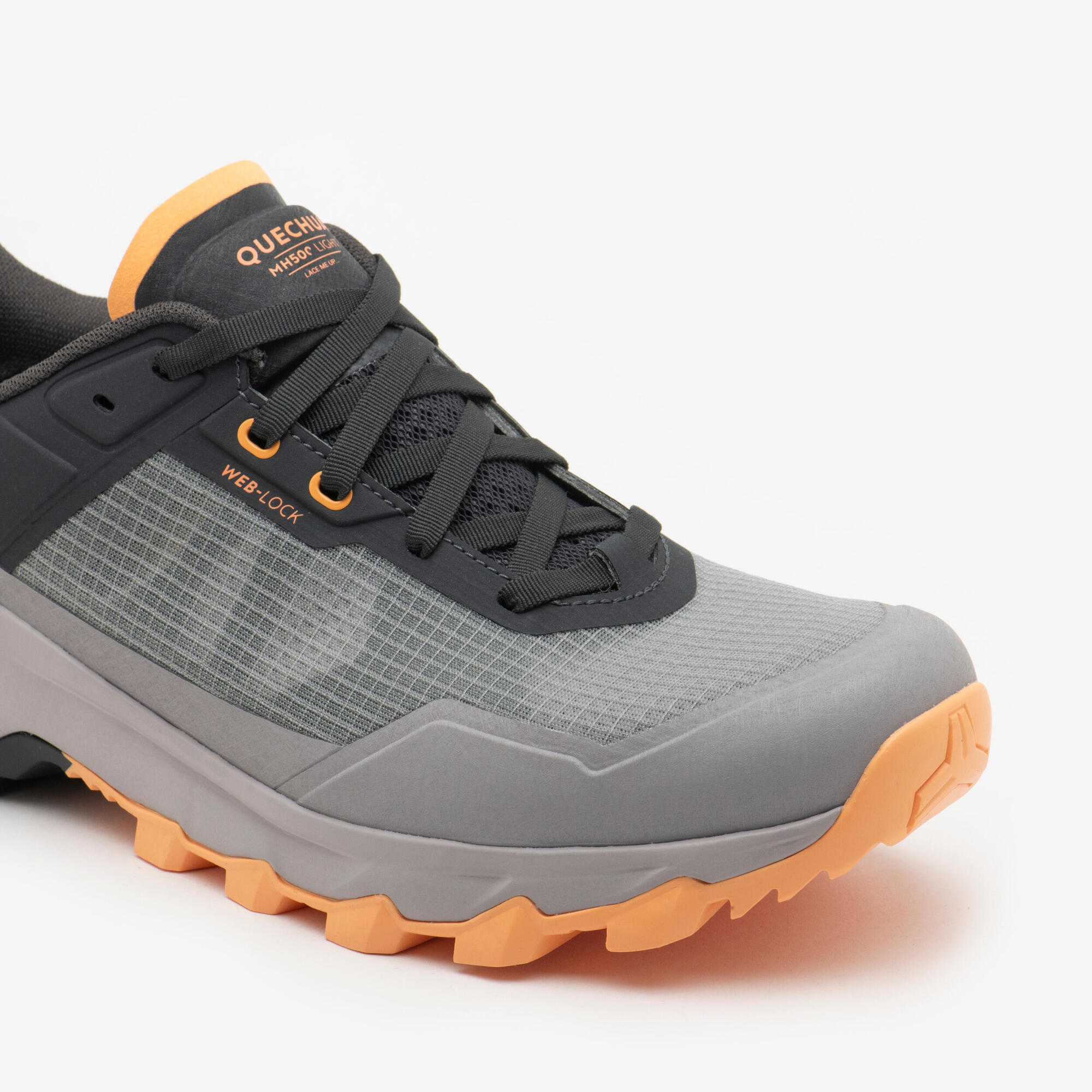
Clean gear lasts longer. It also keeps you safe.
Tips that work:
- Rinse mud after hikes and air-dry at room temp
- Pull the insole and stuff paper to speed drying
- Rotate pairs to let foam rebound
- Inspect tread, sidewalls, and midsole creases
Most running shoes last 300 to 500 miles on roads. On rocky dirt, expect less. If the outsole is bald or the foam feels flat, it is time to replace. Ask again, can running shoes be used for light hiking if the tread is gone? Not until you upgrade.

Field notes from the trail
I have tested road and trail shoes on city greenbelts and mountain parks. On a dry, sandy loop near home, my trail runners felt perfect. I moved fast, stayed cool, and finished with happy feet. On a foggy day on granite slabs, my road shoes slid twice in ten minutes. I turned back. That one choice saved my ankle and a rescue call.
The big lesson: match the shoe to the day, not your wish. Can running shoes be used for light hiking? Yes, but the trail and weather get the final vote.
Packing smart for light hikes in running shoes
Keep your kit tight and simple. Think comfort, safety, and fix-it tools.
Bring:
- One to two liters of water and snacks
- Phone, map app, and a paper map as backup
- A light shell, sun hat, and sunscreen
- A small first aid kit and blister care
- A headlamp and a whistle
- A mini repair kit with tape and a spare lace
With this setup, can running shoes be used for light hiking on after-work loops? Yes, and you will be ready if plans change.
Frequently Asked Questions of can running shoes be used for light hiking
Are road running shoes okay on dirt trails?
Yes, if the trail is smooth, dry, and free of loose rock. For mixed terrain, trail running shoes grip better.
Do I need ankle support for light hiking?
Not always. Strong legs, poles, and good foot placement protect ankles on easy ground.
How much weight can I carry in running shoes?
Keep it light. A daypack under 10 to 15 pounds keeps stress low on your feet and knees.
What socks work best with running shoes on hikes?
Merino or synthetic crew socks manage sweat and prevent blisters. Avoid cotton since it stays wet.
Can I hike in running shoes when it’s wet?
Use care. Wet roots and rock can be slick, so choose trail shoes with good lugs or save it for a drier day.
How do I know my grip is worn out?
Check the lugs. If they look flat or smooth, or you slip more often, it is time to replace.
Are waterproof running shoes good for light hiking?
They help in cold, wet weather. In heat, they trap sweat, so many hikers prefer breathable mesh.
Conclusion
On easy, dry trails with a light pack, running shoes can be a smart, comfy pick. They save weight, boost agility, and let you enjoy the day without sore feet. The key is fit, traction, and honest route choices.
If you keep asking can running shoes be used for light hiking, run this test: Is the trail mellow, the weather steady, and your pack light? If yes, lace up and go. Share your trail wins and hard lessons below, and subscribe for more gear tips and field-tested advice.
One Comment