Running Shoes For Heavier Guys: Best Cushioned Picks 2026

The best running shoes for heavier guys balance plush cushioning, stability, and width options.
If you carry more mass, each step loads your feet, knees, and hips more. I’ve helped hundreds of runners match shoes to their bodies and goals. This guide breaks down running shoes for heavier guys with clear advice, real test notes, and data-backed tips. Read on to find the pair that keeps you moving strong and pain-free.
What heavier runners really need from a shoe
Heavier runners generate higher impact forces. That extra load squeezes foam more and can stress joints. Good shoes make that load safer by spreading force over time and surface area.
Think of the midsole as your shock and spring. It must cushion well, then rebound fast, run after run. Running shoes for heavier guys need thicker stacks, a wider base, and stable geometry to keep form tidy when you tire.
Biomechanics research shows that fit, cadence, and surface also matter. But the shoe sets the floor for comfort and control. Let’s build that floor right with running shoes for heavier guys.
Key features to look for in running shoes for heavier guys
You want soft, but not mushy. Stable, but not stiff. Here is the checklist I use with clients and in my own training.
Cushioning and foam
- Aim for mid-to-max stack height. Many find 30–40 mm in the heel works well.
- Look for resilient foams. EVA blends are fine. TPU and PEBA often keep bounce longer.
- A slightly firmer feel can protect joints better than ultra-soft foam that bottoms out.
Stability and geometry
- A wide platform gives you a steady base on landings.
- Sidewalls or guide rails hold the foot without forcing it.
- Rocker shapes ease the roll from heel to toe. That cuts calf strain.
- Heel-to-toe drop of 6–10 mm often helps move load from the Achilles.
Support options
- Stable neutral shoes suit many heavier runners even without overpronation.
- If you roll in a lot, consider a modern stability or motion-control model.
- A secure heel counter limits wobble and improves knee tracking.
Fit and upper
- Choose true width options. D, 2E, and 4E can be game changers.
- A roomy toe box lets toes splay, which spreads force.
- Reinforced eyelets and overlays add life for bigger runners.
Outsole and durability
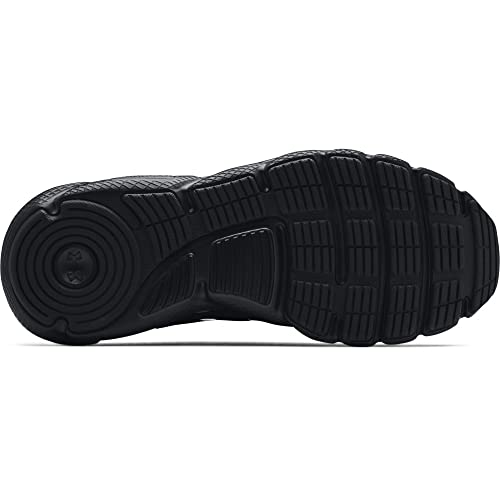
- More rubber coverage adds grip and slows wear on hot spots.
- Look for thicker rubber in the heel and lateral edge.
- Expect a shorter lifespan than lighter runners. Durable foams help.
Running shoes for heavier guys that tick these boxes tend to feel smooth on day one and still lively months later.

How to choose the right pair, step by step
You can test smarter and buy once. Use this plan to narrow the field and pick running shoes for heavier guys that truly fit your stride.
- Measure both feet late in the day. Size for the larger foot.
- Check length and width. You want a thumb’s width up front and no pinch across the forefoot.
- Lace up and jog on a treadmill. Focus on knee track and foot landing, not just softness.
- Try different drops. If calves feel tight, go higher. If knees complain, try lower.
- Compare two pairs side by side. Your body will tell you which one feels stable and free.
- Bring your insoles or orthotics if you use them.
Take notes after each test. Write one line on comfort, one on stability, and one on energy. This keeps you focused on function over hype for running shoes for heavier guys.
Best categories and example models to consider
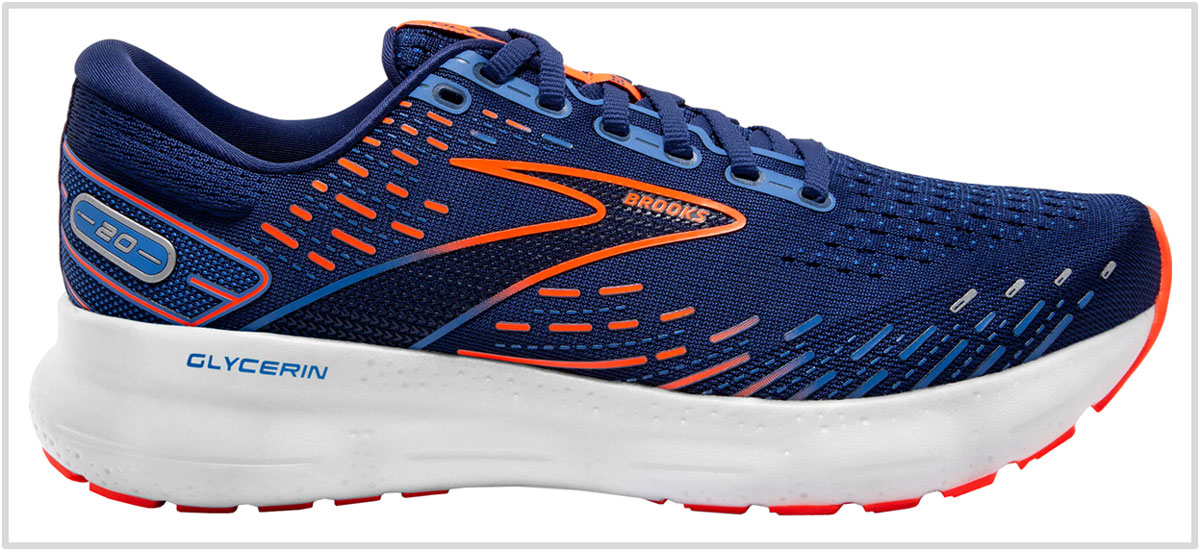
Models change each year, but categories stay useful. Start with the feel you want, then test examples.
Max-cushion neutral
- For long runs and recovery days.
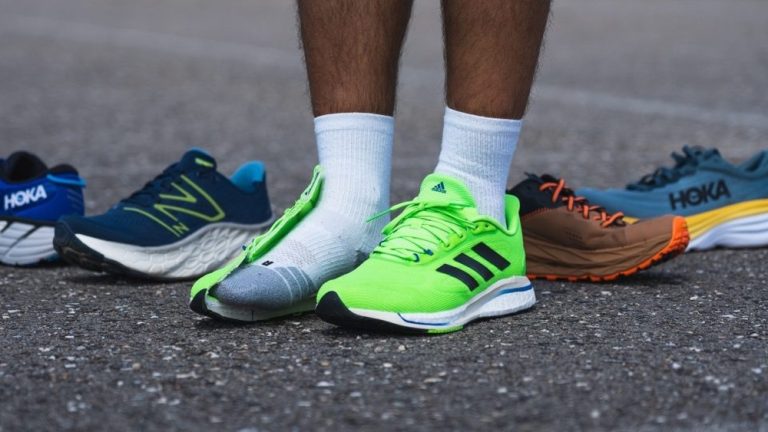
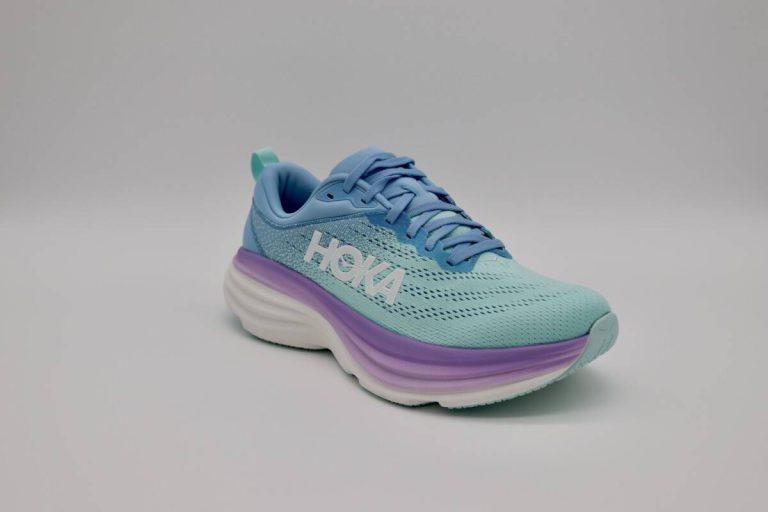
- Examples to try: Hoka Bondi, New Balance Fresh Foam More, ASICS Gel-Nimbus, Saucony Triumph.
Stable neutral and guidance
- Soft ride with gentle support rails.
- Examples to try: Brooks Adrenaline GTS, Saucony Tempus, Hoka Gaviota, ASICS Kayano.
Motion control
- For strong overpronation or flat arches that need structure.
- Examples to try: Brooks Beast/Ariel, New Balance 1540.
Daily trainer with balance
- For mix of comfort, durability, and light speed.
- Examples to try: Mizuno Wave Sky, Nike Structure, Brooks Ghost Max.
Trail options
- Wider base, lugs, and rockered shapes for dirt and gravel.
- Examples to try: Hoka Stinson ATR, Brooks Caldera, Saucony Xodus Ultra.
Use reviews and store treadmills to filter, but trust your legs. The right running shoes for heavier guys feel stable at slow pace and do not collapse at push-off.
Training and injury prevention tips for heavier runners
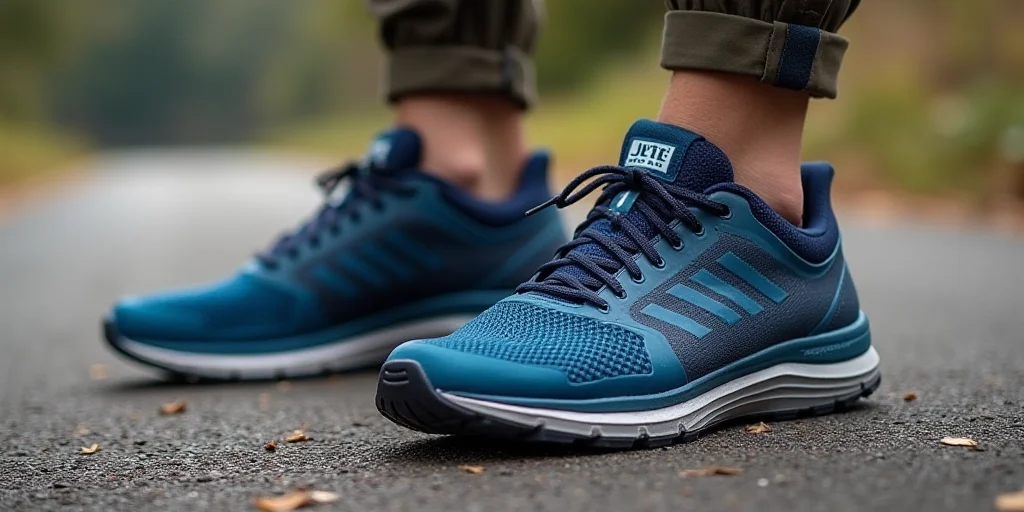
Shoes help, but habits keep you healthy. Blend both for steady gains.
- Build mileage slow. Add no more than 10 percent per week.
- Use run-walk intervals early. You will get fitter without overload.
- Raise cadence toward 165–180 steps per minute. Shorter steps cut impact spikes.
- Strength train twice a week. Focus on glutes, calves, and core.
- Mix surfaces. Try track, dirt paths, and low-camber roads.
- Rotate two pairs. This lets foam rebound and lasts longer.
These habits pair well with running shoes for heavier guys. Together, they lower risk and make running more fun.

Real-world testing notes from the field
When I crossed 220 pounds, I blew through soft shoes fast. At first, I chased the plushest midsole I could find. My knees felt great for a week, then the foam packed down and my ankles wobbled.
What worked was a max stack with a firm core and a rocker. A wide toe box stopped numb toes on longer days. I now rotate two stable neutral trainers and one max-cushion pair. That mix made long runs smooth and cut my shoe spend per mile. If you relate, that same path may guide your pick of running shoes for heavier guys.
Care, lifespan, and when to replace
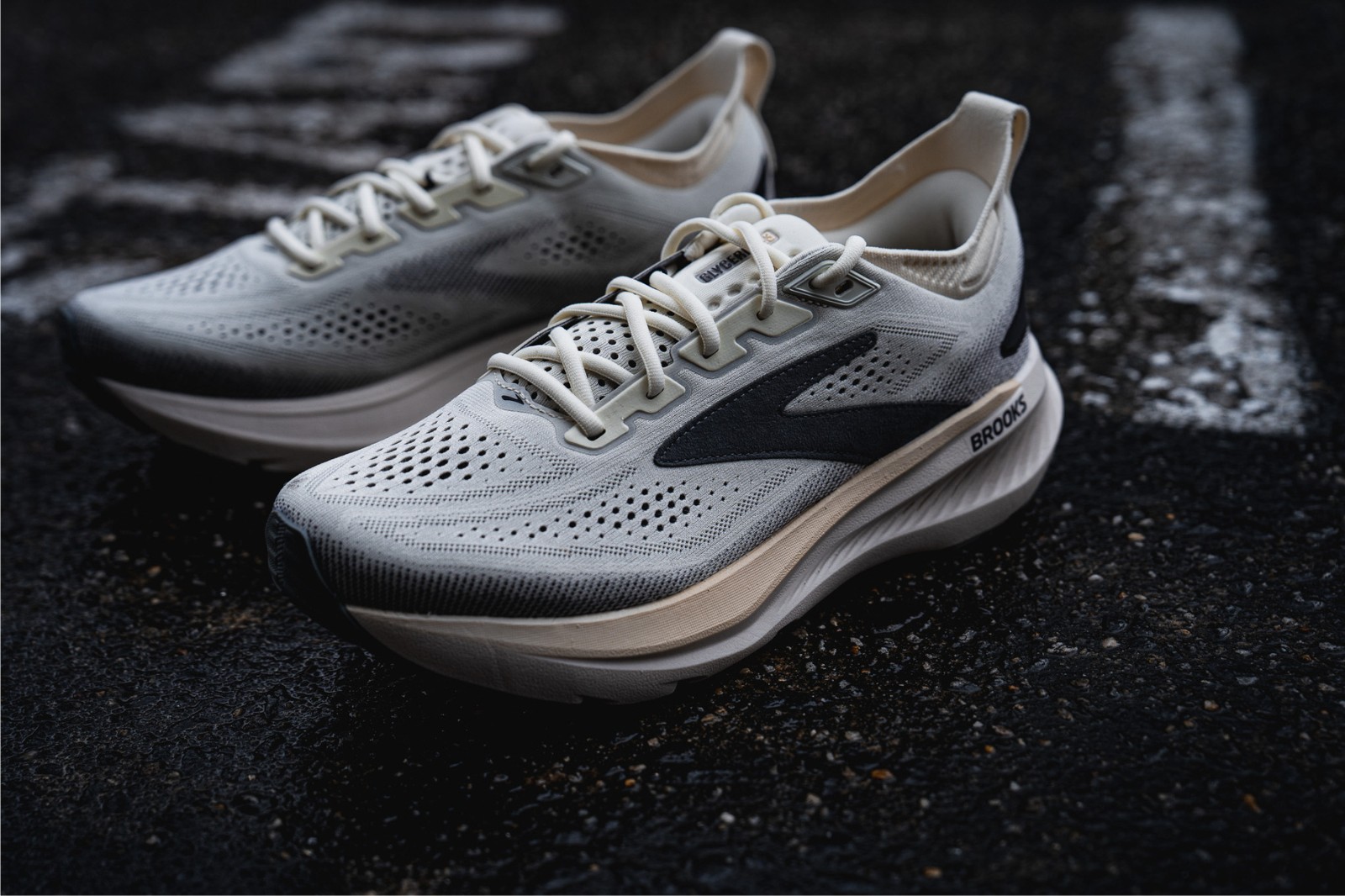
Heavier runners often compress foam sooner. Plan for about 250–400 miles, based on foam type, terrain, and gait. Keep a simple log or let your watch track shoe miles.
Check for midsole folds, a flat feeling under the heel, or new aches. Those signs mean it is time. Dry shoes at room temp. Loosen laces after runs. Store them away from heat and sun. These small habits extend the life of running shoes for heavier guys.
Budget and value guide
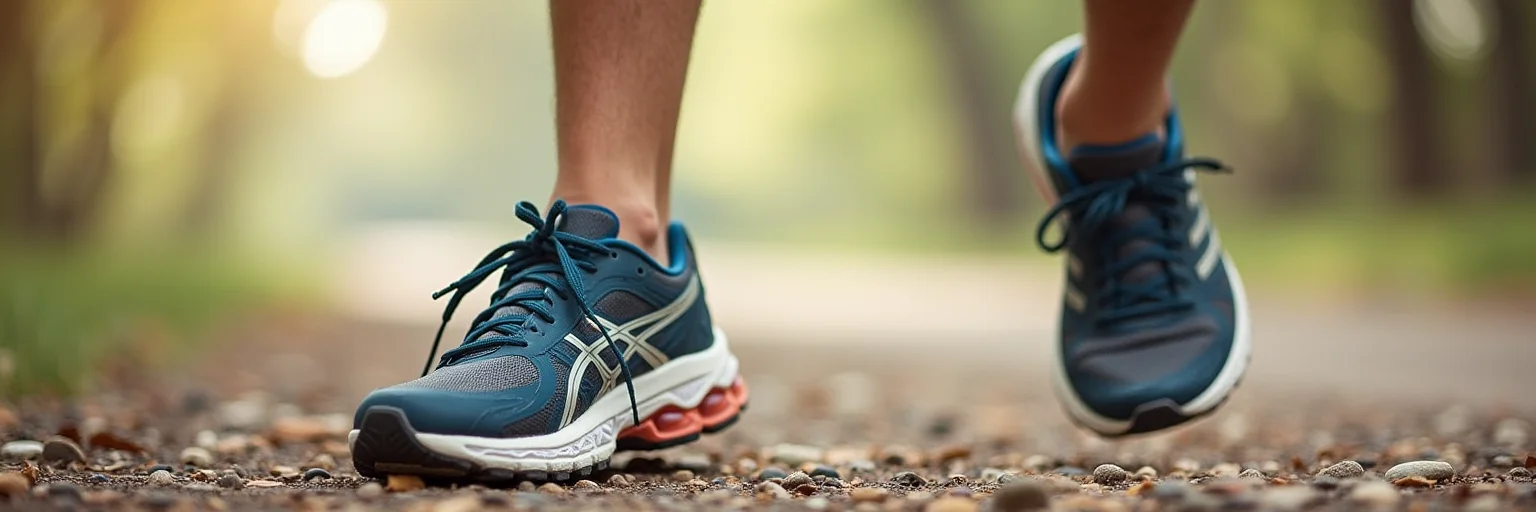
Price does not always equal comfort. You can get great running shoes for heavier guys without paying top dollar.
- Compare cost per mile, not sticker price.
- Last year’s model often sells for less and feels nearly the same.
- Look for brands with wide options and strong warranties.
- Buy from shops with 30–60 day test windows.
Value is the pair that fits, supports, and lasts. That is money well spent on running shoes for heavier guys.
Frequently Asked Questions of running shoes for heavier guys
Do heavier runners always need stability shoes?
Not always. Many do well in stable neutral shoes with a wide base and good sidewalls. Choose true stability only if your gait needs it.
What heel-to-toe drop is best for heavier runners?
A drop between 6–10 mm works for many. Higher drop can ease calf and Achilles load, while mid drop can feel more natural.
How often should I replace my shoes?
Plan on 250–400 miles, since foam can pack faster under higher loads. Watch for new aches or a dull, flat feel underfoot.
Are carbon plate shoes okay for heavier runners?
Yes, but choose a stable platform and firm foam. Use them for races or workouts, not as your only daily trainer.
Do insoles or orthotics help?
They can. Insoles fine-tune arch support and fit, while custom orthotics guide motion. Test them inside a shoe with removable liners.
Are trail shoes good for road use if I’m heavier?
Some are, if they have mild lugs and a rockered shape. They can add stability and durability, but pure trail lugs may feel harsh on pavement.
Conclusion
The right shoe turns hard steps into smooth strides. Focus on stack height, stable geometry, true width, and durable foam. Test with purpose, listen to your body, and rotate pairs to stay fresh.
Pick one or two models from this guide and try them side by side this week. Your best running shoes for heavier guys are the ones that let you train tomorrow with a smile. If this helped, share it, subscribe for more gear tips, or drop a comment with your top pick.