Good Trail Running Shoes For Wide Feet: Top Picks 2026

Choose trail shoes with a wide toe box, stable midsoles, and deep, grippy lugs.
If you struggle to find good trail running shoes for wide feet, you are not alone. I test shoes year-round on rocky ridges, muddy singletrack, and dusty fire roads. In this guide, I break down what makes a wide-friendly trail shoe work, how to fit it right, and which models shine. You will leave with a clear plan to pick good trail running shoes for wide feet that feel great and last.
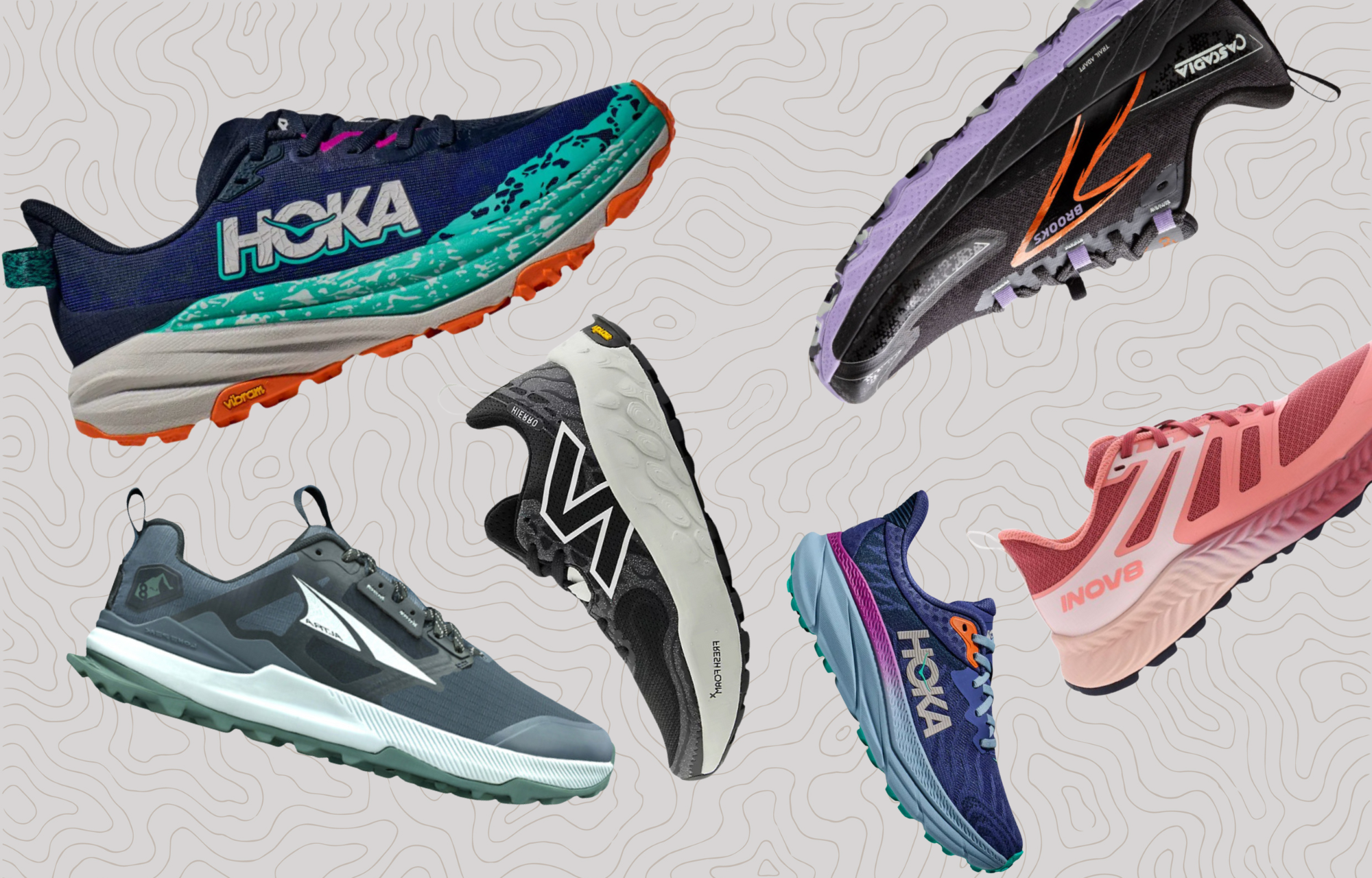
What Makes A Trail Shoe Work For Wide Feet
Wide feet need space, but not slop. The best setups blend a roomy toe box with a stable platform. That lets your toes splay on climbs and landings while your heel stays locked.
Key ideas to know:
- Width and volume are not the same. Width is side-to-side. Volume is the space over the foot.
- Standard men’s width is D. Wide is 2E. Extra wide is 4E. For women, standard is B. Wide is D.
- Last shape matters. An anatomical last follows the foot’s shape. It feels better for bunions and toe splay.
- A stable midsole helps. Soft does not always mean comfy. If foam is too soft, your foot can roll off the edge.
From my own miles with a 2E forefoot and mild bunions, I look for a fan-shaped toe box, mild arch support, and a heel that does not slip on steep downs. That mix stops hot spots and helps form stay fresh late in long runs. These are the traits that define good trail running shoes for wide feet.

How To Measure And Fit Wide Feet For Trail Running
Fast, simple steps:
- Measure both feet at day’s end. Feet swell. Use a Brannock device if you can.
- Trace your foot on paper. Match the outline to the insole. Your toes and insole should align.
- Aim for a thumb’s width of space up front. That is about 6 to 10 mm.
- Try with your trail socks. Thicker socks change volume.
- Test on an incline. Walk down a ramp. Toes should not jam. Heel should not lift.
- Use a heel-lock lace. It boosts rear hold without crushing the forefoot.
Common fit errors:
- Sizing up in length to get width. That can cause toe bang and sloppy steering.
- Ignoring volume. If the shoe feels tight over the top, try a higher volume upper or remove the insole and test with a thinner one.
Dialing in fit like this is the fastest path to good trail running shoes for wide feet.
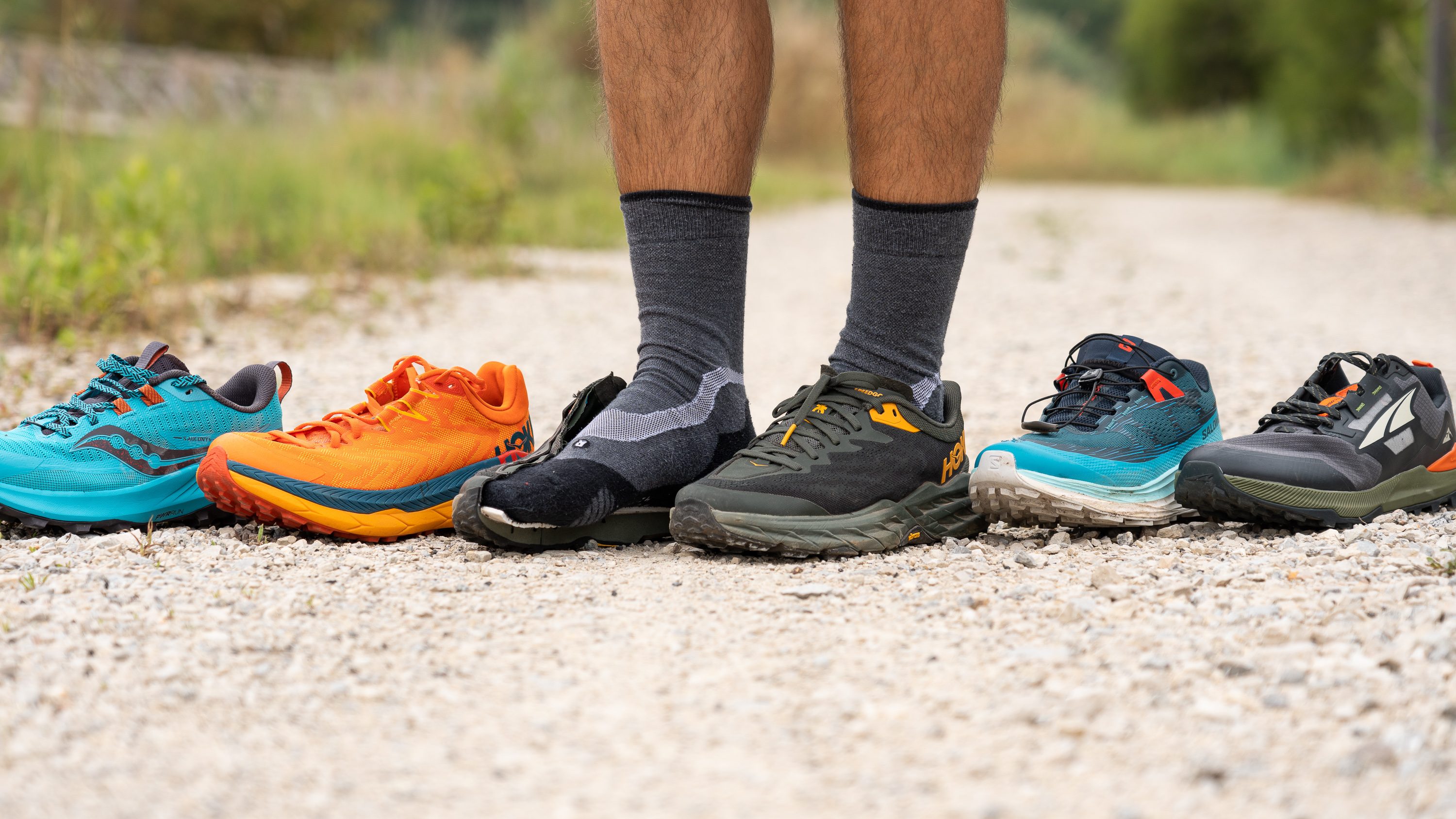
Key Features To Look For
When you shop for good trail running shoes for wide feet, focus on these parts:
Toe box and upper
- Anatomical or foot-shaped toe box. Lets toes splay on impact.
- Flexible mesh with welded overlays. Holds shape without hard seams.
- Gusseted tongue. Keeps grit out and spreads lace pressure.
- Gaiter points. Useful in sand, snow, and scree.
Midsole and platform
- Stable foam. A blend of cushion and support reduces edge collapse.
- Rock plate or dense foam layer. Shields from sharp stones.
- Stack height that matches your runs. More stack for ultras. Less for technical feel.
- Drop that suits your calves and Achilles. Lower drop improves feel. Higher drop eases strain.
Outsole and traction
- 4 to 5 mm lugs for mixed trails. 6 to 7 mm for mud. Shorter for hardpack.
- Quality rubber. Sticky compounds help on wet rock.
- Full coverage under the forefoot for durability.
Fit aids
- Heel counter with some give. Locks in without rubbing.
- Extra eyelets for lace locking.
- Removable insole. Allows custom orthotics or volume tuning.
These traits separate good trail running shoes for wide feet from pairs that only feel fine in the store.

Best Models And Picks By Use Case
Here are wide-friendly options I have used or fit on runners with broad feet. Always try before you buy, since shapes vary.
Natural, foot-shaped fit
- Altra Lone Peak. Zero drop, flexible forefoot, roomy toe box. Great ground feel. Less stable on very rocky trails.
- Altra Timp and Olympus. More cushion than Lone Peak. Olympus is max cushion for long days.
Roomy but secure, with mild drop
- Topo Athletic MTN Racer and Ultraventure. Anatomic toe box with a snug midfoot. Confident on mixed terrain.
Max cushion for long miles
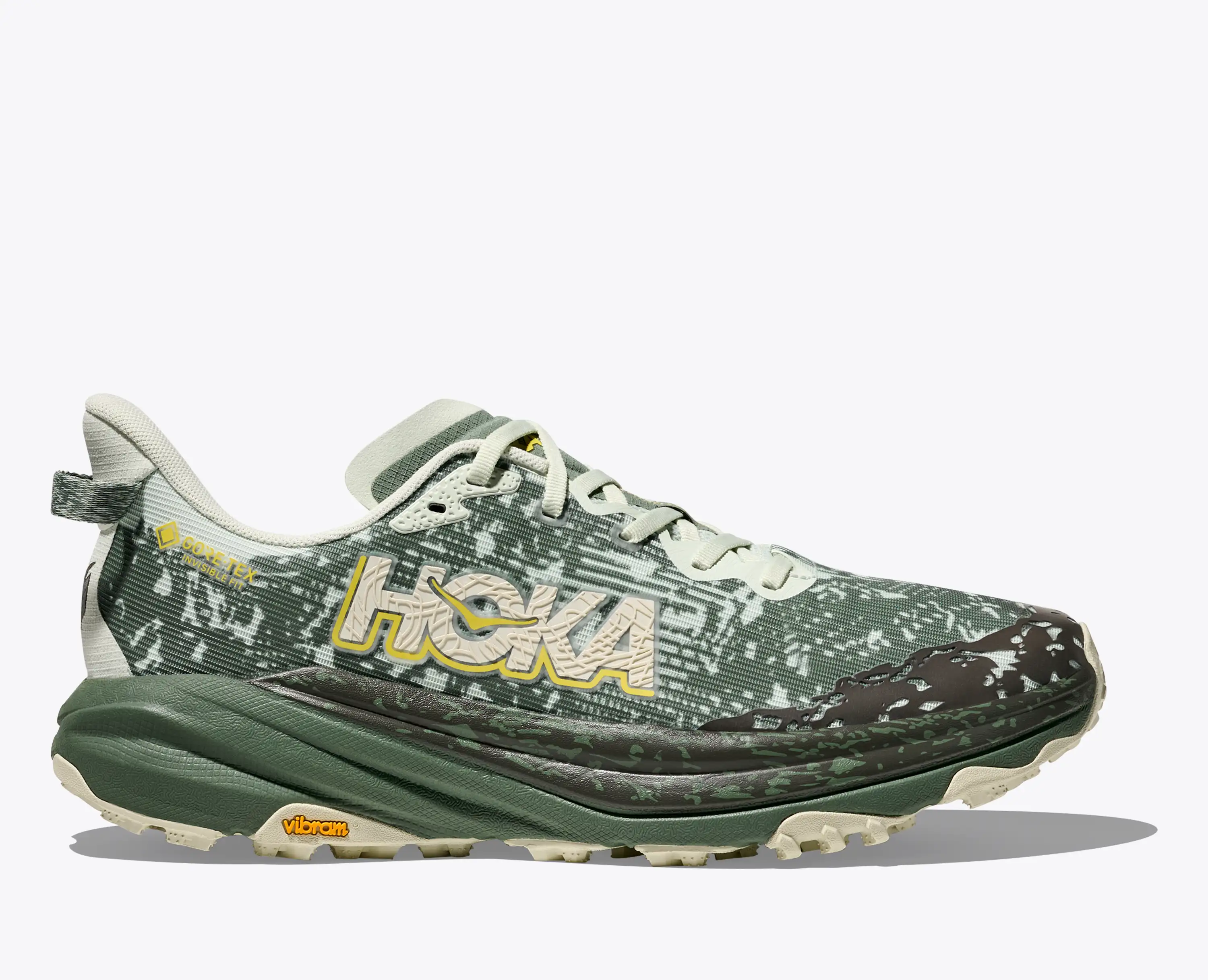
- Hoka Speedgoat 5 Wide. Grippy outsole, stable for the stack height. Snug midfoot, wide forefoot in the Wide version.
- Brooks Caldera Wide. Plush, stable ride on long, rolling trails.
Classic all-arounders in wide
- Brooks Cascadia Wide. Trusted stability, rock plate, durable upper.
- New Balance Fresh Foam Hierro Wide. Smooth ride, strong outsole, more volume in the forefoot.
Technical terrain, secure hold
- Salomon Sense Ride 5 Wide or Speedcross 6 Wide. Precise wrap with room up front in the Wide versions.
- La Sportiva Jackal II Wide. Stable platform, rock-ready outsole, firmer feel.
Budget or entry picks
- ASICS Gel-Venture Wide. Trail-ready tread for light paths and door-to-trail runs.
- Inov-8 models with Fit Scale 5. Wider forefoot with agile feel on roots and rocks.
Tip: Brands size and shape wide shoes differently. A 2E in one brand can feel like a D in another. Try two half sizes to compare. If you focus on good trail running shoes for wide feet, start your search with these lines to save time.
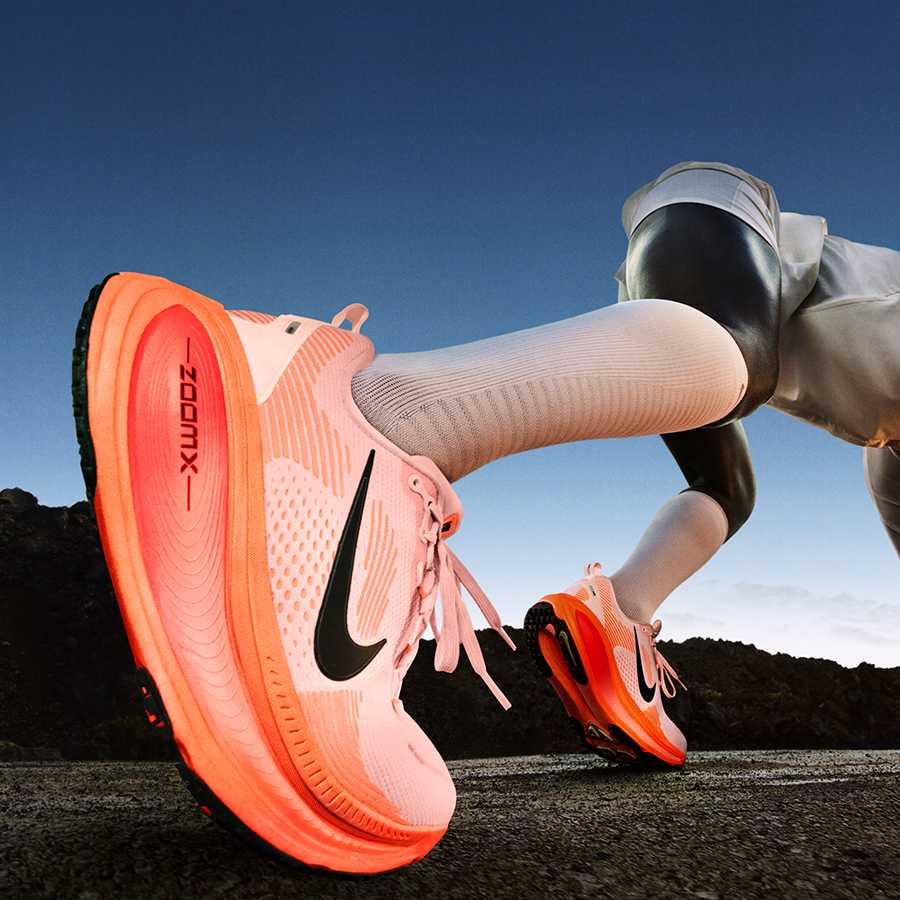
Match Your Shoes To Terrain And Style
Your trail type should guide your choice:
- Hardpack and fire roads. Moderate lugs and stable foam. Shoes like Hierro Wide or Caldera Wide shine.
- Technical rock and roots. Grippy rubber and a secure midfoot. Think Jackal II Wide or Sense Ride Wide.
- Mud and grass. Deeper lugs and supportive upper. Speedcross Wide is built for this.
- Long ultras. Max cushion but not mushy. Speedgoat 5 Wide or Altra Olympus do well.
Running style also matters:
- Heel strikers may like a bit more drop.
- Forefoot strikers need toe room and flexible forefoot.
- Heavier runners benefit from firmer, wider platforms to resist roll.
Tie it back to your needs. The right match turns good trail running shoes for wide feet into great ones for you.

Break-In, Care, And Rotation
Make them work for you from day one:
- Break in with 2 to 3 short runs. Check hot spots near bunions and fifth met head.
- Adjust lacing by zone. Loosen forefoot, lock heel.
- Swap insoles if volume is tight. A thinner insole can free space.
Keep them fresh:
- Dry with newspaper. Heat can warp foam and glue.
- Clean out grit from the strobel and insole. Grit rubs holes.
- Expect 300 to 500 miles. Rotate pairs to extend life and reduce injury risk.
A little care keeps good trail running shoes for wide feet feeling lively longer.
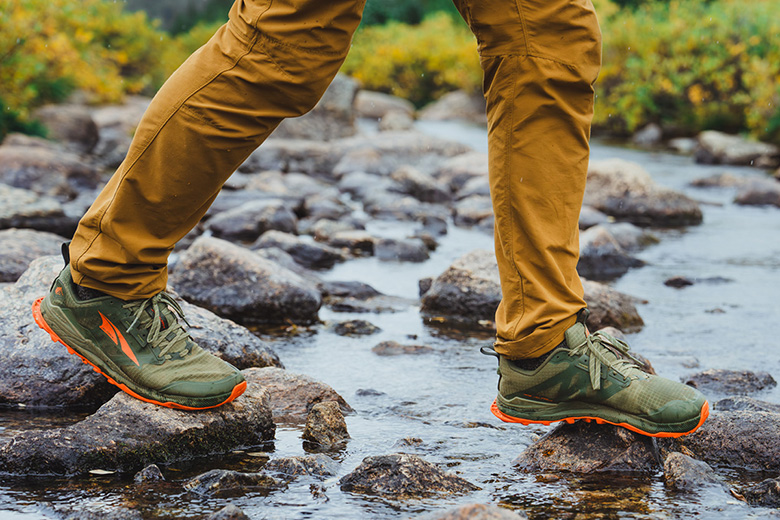
Budget And Sizing Tips
Smart ways to save and still get the right fit:
- Shop last season’s colorways. Same midsole and outsole, less cost.
- Use stores with free returns. Order two widths and send one back.
- Mind brand quirks. Altra fits short for some. Hoka wide helps forefoot but midfoot stays snug.
If you hunt deals, you can land good trail running shoes for wide feet without risk.

Common Mistakes To Avoid
Skip these pitfalls:
- Buying extra length to fake width. It causes toe bang and sloppy steering.
- Going ultra soft. Excess squish can make ankles work harder and irritate knees.
- Ignoring socks. Thick seams can create pressure on bunions.
- Over-tightening laces. Star lacing can ease midfoot pressure while keeping heel locked.
- Forgetting gaiters in debris-prone areas. Grit causes blisters fast.
Small fixes here can turn average pairs into good trail running shoes for wide feet.
Frequently Asked Questions of good trail running shoes for wide feet
How do I know if I need a wide trail shoe?
If your toes feel cramped or you get bunion pain or numbness, try a wide. Check the insole match to your foot trace to confirm width needs.
Are zero-drop shoes good for wide feet?
They can be. Many zero-drop shoes have natural toe boxes that suit wide feet. Ease in to protect your calves and Achilles.
What lacing works best for wide feet?
Use a heel-lock lace for security and keep the forefoot loose. Skip an eyelet over pressure points to reduce top-of-foot pain.
Do orthotics fit in wide trail shoes?
Most wide models have removable insoles and extra volume. Bring your orthotics to test length, width, and heel hold.
How much room should I have in the toe box?
Aim for a thumb’s width in front of your big toe. You should wiggle toes without side pressure.
Which brands run widest for trail?
Altra and Topo are the roomiest shapes. Hoka, Brooks, Salomon, and New Balance offer true Wide versions in popular models.
Can I hike in trail running shoes if I have wide feet?
Yes. Choose stable, wide-friendly models with good lugs and a rock plate. Many hikers prefer them for lighter weight and better feel.
Conclusion
Finding good trail running shoes for wide feet comes down to shape, stability, and fit. Choose a roomy toe box, a midsole that resists collapse, and traction that matches your terrain. Test with your socks, lock the heel, and keep the forefoot free.
Take the next step today. Try two widths at home, run a short loop, and note any hot spots. Share your questions or your favorite wide-friendly models in the comments, and subscribe for future gear tests and fit tips.