
Can Women Wear Mens Running Shoes? Expert Guide & Tips

Can Women Wear Men’s Running Shoes?
Many women wonder if they can wear men’s running shoes, especially when shopping for sports footwear. Maybe you’ve seen a great deal on men’s shoes, or a color you love only comes in the men’s section. The quick answer is yes—women can wear men’s running shoes. But, there are important things to know before making your choice. Understanding the differences in sizing, design, comfort, and performance will help you pick the best shoe for your needs.
This guide explores everything you need to know about women wearing men’s running shoes. You’ll learn how men’s and women’s shoes differ, how to convert sizes, what to watch out for, and when it makes sense to choose a men’s shoe.
Let’s dive in and help you run your best—no matter which section your shoes come from.
How Men’s And Women’s Running Shoes Are Designed
Most people think that the main difference is size. But there’s more to it. Shoe companies create men’s and women’s running shoes with unique features for each group. Understanding these differences will help you make a smart choice.
Sizing Differences
Men’s shoes are built for generally larger feet. A men’s size 8 is not the same as a women’s size 8. Usually, men’s sizes are about 1.5 sizes larger than women’s. For example, if you wear a women’s size 8, you’d wear a men’s size 6.5. But this is just a starting point.
Another thing to note is the width. Men’s shoes tend to be wider, especially in the heel and toe box. This can help women with wider feet but may feel loose if you have narrow feet.
Shape And Fit
The shape inside the shoe is called the “last. ” Men’s lasts are wider in the heel, midfoot, and forefoot. Women’s lasts are shaped for narrower feet and heels. A shoe’s shape affects how secure and comfortable it feels while running.
Some brands also change the arch support. Women’s shoes sometimes have extra arch support, as women tend to have higher arches. Not all brands do this, but it’s something to check if you need special support.
Cushioning And Weight
Women, on average, weigh less than men. Some companies add softer midsoles to women’s shoes. This means women’s shoes may feel a bit “bouncier” or have more cushion. Men’s shoes might be firmer to support more weight.
The difference is small, but if you are light and sensitive to how the shoe feels, it could matter. Heavier runners might prefer the firmer feel of men’s shoes, even if they’re women.
Colors And Style
This is the most obvious difference. Men’s running shoes usually come in darker, neutral colors. Women’s shoes often have brighter colors and patterns. If you like a men’s style or color, there’s no reason not to try it.
The “gender Neutral” Trend
Some brands now make unisex running shoes. These are designed for all foot types and sizes. But most shoes are still divided into men’s and women’s versions.
Why Women Might Choose Men’s Running Shoes
There are good reasons why a woman might pick a men’s running shoe. It’s not just about style. Sometimes, men’s shoes are a better choice for fit, comfort, or performance.
1. Wider Feet
If you have wide feet, women’s shoes can feel tight. Men’s shoes are made wider, especially in the forefoot and heel. Women with bunions, high volume feet, or those who just want more space often find men’s shoes more comfortable.
2. Limited Sizes In Women’s Shoes
High-performance running shoes often come in more sizes and widths for men. If your feet are large (women’s size 11+), you might not find your size in women’s shoes. Men’s shoes go up to larger sizes.
3. Different Styles
Sometimes, a color or style you love only comes in the men’s section. Many women buy men’s shoes for the look.
4. More Selection
Stores often carry more men’s models. If you want the latest tech or a specific shoe, you might only find it in men’s.
5. Better Fit For Orthotics
Some women wear orthotics or custom insoles. Men’s shoes often have a deeper footbed, making them better for adding inserts.
6. Durability
Anecdotally, some runners find that men’s shoes last longer. This is not always true, but firmer midsoles or wider soles can sometimes hold up better for high mileage.

Credit: www.runningshoesguru.com
How To Convert Women’s Size To Men’s Size
If you want to buy a men’s running shoe, you need to know your size. The rule of thumb is to subtract 1.5 sizes from your women’s US size to get your men’s US size.
For example:
- Women’s 8 = Men’s 6.5
- Women’s 9 = Men’s 7.5
- Women’s 10 = Men’s 8.5
But sizing can be tricky. Different brands fit differently. The best way is to try them on, but you can use a conversion chart to get close.
Here’s a simple comparison:
| Women’s US Size | Men’s US Size | EU Size (Approx.) | UK Size (Approx.) |
|---|---|---|---|
| 6 | 4.5 | 36.5 | 4 |
| 7 | 5.5 | 38 | 5 |
| 8 | 6.5 | 39 | 6 |
| 9 | 7.5 | 40.5 | 7 |
| 10 | 8.5 | 42 | 8 |
| 11 | 9.5 | 43 | 9 |
Always check the brand’s sizing chart for the most accurate fit. Sizing can vary between brands like Nike, Adidas, Asics, and New Balance.
Key Differences: Women’s Vs. Men’s Running Shoes
Let’s look at the most important differences in detail. Understanding these will help you decide if men’s running shoes are a good fit for you.
Width
- Men’s shoes are wider by default.
- Women’s shoes come in regular, wide, and extra-wide, but options are limited.
- Men’s “D” width = Women’s “B” width (standard width)
- Men’s “2E” width = Women’s “D” width (wide)
If you need more room, men’s shoes could be a better choice.
Heel Shape
Women’s shoes have a narrower heel. This helps prevent heel slipping. If you have a wide heel, men’s shoes may fit better. If your heel is narrow, men’s shoes might slip.
Arch Support
Some women’s shoes have higher arch support. If you have flat feet, you may prefer the flatter men’s shoe, but if you need arch support, check carefully.
Weight
Men’s shoes are usually heavier, since they use more material. For some runners, the weight difference is not noticeable, but for racing, every ounce can matter.
Cushioning
Brands may use softer foam in women’s shoes. Heavier runners, or those who prefer a firmer ride, may like the men’s version.
Drop
“Drop” is the height difference between the heel and toe. Most brands keep the drop the same for men’s and women’s models, but check the specs.
Price
Prices are usually similar, but sometimes men’s shoes are on sale or have a wider selection of discounts.
Here’s a side-by-side summary:
| Feature | Men’s Running Shoe | Women’s Running Shoe |
|---|---|---|
| Width | Wider (D as standard) | Narrower (B as standard) |
| Heel | Wider, less shaped | Narrower, more shaped |
| Arch Support | Standard | Often higher |
| Cushioning | Firmer, more dense | Softer, more flexible |
| Weight | Heavier | Lighter |
| Color/Style | Darker, neutral | Brighter, varied |
Benefits Of Women Wearing Men’s Running Shoes
Women can get several advantages from wearing men’s running shoes, especially if their foot shape or needs don’t fit the typical “women’s” design.
1. More Room For Wide Feet
A wider fit can prevent blisters, black toenails, and discomfort. If women’s shoes feel tight, men’s shoes offer relief.
2. Extra Durability
A firmer sole may last longer, especially for high-mileage runners. Shoes that are too soft can break down faster.
3. Better For Orthotics
If you use thick orthotics, a men’s shoe may offer more space, making it easier to fit your insert without squeezing your foot.
4. Easier To Find Larger Sizes
If your foot is bigger than women’s sizing allows, men’s shoes can be a lifesaver.
5. Access To More Styles
Men’s shoes often have more color and style choices for neutral designs.
6. Sometimes A Better Price
Men’s shoes may go on sale more often, especially in common sizes.
Potential Downsides To Consider
While many women find men’s running shoes comfortable, there are some risks and trade-offs.
1. Heel Slippage
If you have a narrow heel, men’s shoes may slip and cause blisters. Lacing techniques can help, but sometimes the shape just doesn’t fit.
2. Too Much Room
If your foot is narrow, a wider shoe can lead to sliding and instability. This can cause foot fatigue or even injuries.
3. Weight
Some women prefer a lighter shoe. Men’s shoes usually have more material and may feel heavy during long runs or races.
4. Less Flexibility
Men’s shoes can be stiffer, which might not suit lighter runners or those who like a softer feel.
5. Missed Gender-specific Tech
Some brands add features specifically for women, like extra arch support or changes in the outsole shape. You might miss these benefits with a men’s shoe.
6. Sizing Confusion
Sizing is not always consistent. You may need to try several sizes to find the right fit, especially when ordering online.
How To Choose The Right Men’s Running Shoe
If you decide to try men’s running shoes, follow these steps to get the best fit and performance.
1. Measure Your Feet
Measure both feet at the end of the day, when they are largest. Use a Brannock device or a ruler, and compare to the brand’s size chart.
2. Try Shoes On
If possible, try several sizes and widths. Walk and jog in the shoes. Pay attention to:
- Heel fit (should be snug, not loose)
- Toe room (should not touch the front)
- Width (should not pinch or slide)
3. Check Return Policies
When buying online, choose stores with free returns. Order two sizes and send one back if needed.
4. Consider Your Running Style
If you run long distances, focus on comfort and support. If you race, prioritize weight and fit.
5. Bring Your Orthotics
If you use inserts, bring them when trying on shoes.
6. Don’t Focus Only On Size
Fit is more than just the number. Shape, width, and foot volume all matter. A shoe that fits your shape will feel better than one that just matches your number.
7. Read Reviews
Look for feedback from women who wear men’s shoes. Sites like Reddit and running forums can offer real-world advice.
Real-world Examples
Many female runners have switched to men’s shoes and found improvements in comfort and performance. Here are two real stories:
Emily, marathon runner: “I have wide feet and always got blisters in women’s shoes. I switched to men’s New Balance and now I run pain-free.”
Sara, trail runner: “My size is a women’s 11, but most brands stop at 10.5. Men’s shoes opened up a whole new world of options for me.”
Professional runners sometimes wear men’s or unisex shoes for the same reasons—fit, style, or availability.
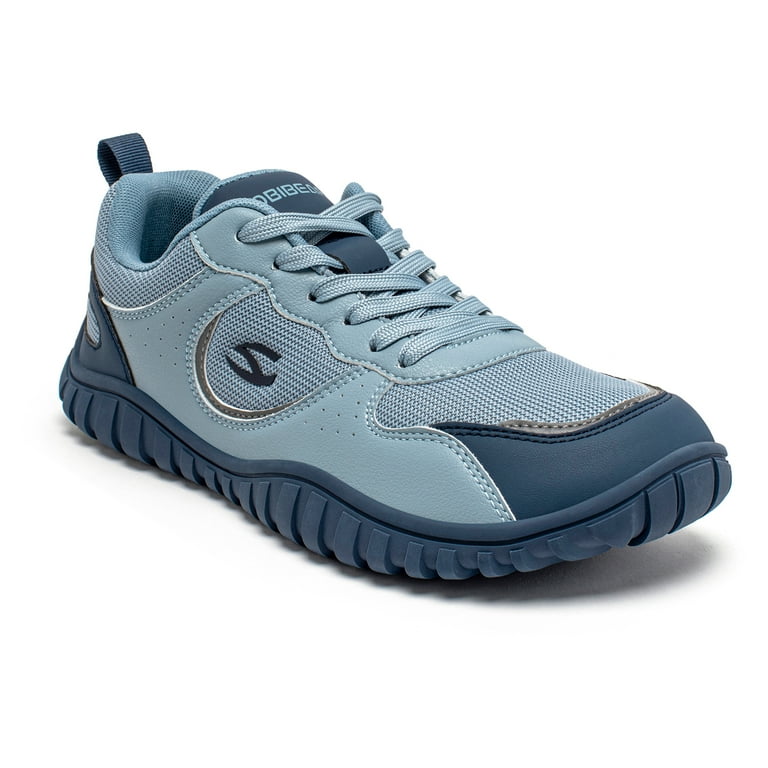
Credit: www.walmart.com
Common Myths About Women Wearing Men’s Shoes
Let’s clear up a few myths that might keep you from trying men’s running shoes.
Myth 1: Men’s Shoes Are Always Too Big For Women
Not true. If you convert the size properly, you can get a great fit.
Myth 2: Men’s Shoes Don’t Have Enough Arch Support For Women
Some women’s shoes have more arch support, but many men’s shoes have strong support too. Always check the specific model.
Myth 3: Wearing Men’s Shoes Will Cause Injuries
Injuries are more likely if your shoes don’t fit, no matter if they are men’s or women’s. Proper fit is the key.
Myth 4: Men’s Shoes Are Only For Men
Shoes don’t care about gender. If the shoe fits, wear it.
Myth 5: All Brands Are The Same
Each brand uses different “lasts” and materials. You might fit into men’s shoes in one brand but not another.
When Should Women Avoid Men’s Running Shoes?
There are situations where men’s shoes might not be the best choice.
1. If You Have A Narrow Heel
Heel slippage can cause discomfort and injuries. Women’s shoes usually have a better heel fit.
2. If You Need Gender-specific Support
Some runners need the specific arch or midfoot support found in women’s models.
3. If You Prefer Lighter Shoes
Men’s shoes can add extra weight, which matters for racing.
4. If You Have A Small Foot
Men’s shoes start at a higher size. If you have small feet (women’s 5 or below), you may not find a men’s size that fits.
5. If You Care About Colors
If you love bright or pastel colors, men’s shoes might not have your style.
How To Shop For Men’s Running Shoes As A Woman
Shopping for men’s shoes can feel confusing at first. Here are practical steps to get the best results:
- Know your size using the 1.5 size difference.
- Use store staff—let them know what you need.
- Try on different brands and models—fit changes by brand.
- Wear your running socks when testing shoes.
- Run in the store if possible. Some shops have a treadmill.
- Check the return policy before buying.
- Look for sales—men’s models often have bigger discounts.
How Foot Shape Affects Shoe Choice
Your foot shape matters as much as your size. Women with wide feet, high volume feet, or bunions may find men’s shoes more comfortable. Women with narrow feet or high arches might prefer women’s shoes.
Here’s how foot shape and width line up with shoe types:
| Foot Shape | Best Shoe Type | Notes |
|---|---|---|
| Wide forefoot | Men’s shoe | More space for toes |
| Narrow heel | Women’s shoe | Better heel hold |
| High arches | Women’s shoe | Often more arch support |
| Flat feet | Either, based on support | Check model features |
| High volume foot | Men’s shoe | Deeper fit, more space |

Credit: www.wikihow.com
Insider Tips For Women Trying Men’s Running Shoes
- Try before you buy. Sizing and fit can surprise you.
- Don’t be shy. Shoe store staff are used to helping with cross-gender sizing.
- Use the same brand. If you love a women’s model, try the men’s version for direct comparison.
- Consider socks. Thicker socks can help fill extra space, or thinner socks if the shoe is snug.
- Check for heel slips. Use “runner’s loop” lacing to keep your heel secure.
- Pay attention to returns. Online shopping is safer if returns are free.
- Look for reviews. Other women have made the switch and share their experiences online.
- Don’t be afraid to experiment. Your best shoe might not be in the women’s aisle.
What The Experts Say
Running coaches, podiatrists, and shoe fitters agree: the right fit is what matters most. Dr. Jane Andersen, a podiatrist, says, “The idea that you must wear a women’s shoe if you’re a woman is outdated. Fit is personal. If a men’s shoe fits better, wear it.”
The American Podiatric Medical Association (APMA) also recommends picking the shoe that fits your foot’s size and shape—not just your gender.
For more technical details, you can read about running shoe construction at the Wikipedia Running Shoe page.
The Bottom Line: Should Women Wear Men’s Running Shoes?
Yes, women can wear men’s running shoes if they fit well and feel comfortable. Many women find that men’s shoes solve problems like tightness, lack of size options, or not enough room for orthotics. However, you need to pay attention to fit, width, and support.
The biggest mistake is picking a shoe based only on the number. Always try shoes on or buy from places with easy returns. Be open to testing different brands and models. Comfort and injury prevention matter more than the label on the box.
The best running shoe for you is the one that feels good and supports your running goals. Don’t let gendered marketing limit your options. Explore, experiment, and run happy.
FAQs For Can Women Wear Mens Running Shoes
Can Women Wear Men’s Running Shoes If They Have Narrow Feet?
Yes, but it’s harder to get a perfect fit. Men’s shoes are wider. If you have narrow feet or a slim heel, you may get heel slippage or too much space. Try different lacing techniques or thicker socks, but women’s models may fit better.
How Do I Convert My Women’s Shoe Size To Men’s?
Subtract 1. 5 from your US women’s size to get your US men’s size. For example, women’s 8 = men’s 6. 5. Always check the brand’s chart, as sizing can differ.
Are There Any Risks To Wearing Men’s Running Shoes As A Woman?
The main risks are poor fit, such as heel slippage or too much width. This can lead to blisters or foot pain. If the shoe fits well, there is no risk to switching.
Do Men’s Running Shoes Last Longer Than Women’s?
Some runners find men’s shoes more durable because they are firmer, but this is not always true. Durability depends on the materials and how you use the shoes, not just whether they are men’s or women’s.
Are There Any Brands That Make Unisex Or Gender-neutral Running Shoes?
Yes, some brands now offer unisex running shoes. These are made for all foot types, but sizing is usually based on men’s sizes. Always check the sizing guide and try them on if possible.

5 Comments