Are Tennis Shoes Good for Running? Expert Guide and Insights

If you’ve ever stood in a sports store, tennis shoes in one hand and running shoes in the other, you know the confusion. They look similar, feel similar, and sometimes even cost about the same. But when it comes to using tennis shoes for running, are they really a good choice?
Or could using the wrong shoe type put your comfort, speed, or even health at risk? This article dives deep into the differences between tennis shoes and running shoes, explores where they overlap, and explains when it’s okay—or not okay—to swap one for the other.
Whether you jog for fun or are training for your first 5K, you’ll find clear, research-backed advice to help you make the right decision for your feet and your fitness.
What Makes Tennis Shoes Different From Running Shoes?
To decide if tennis shoes are good for running, you first need to understand how they’re built. While both types might appear similar, their design purpose is not the same.
The Design Focus Of Tennis Shoes
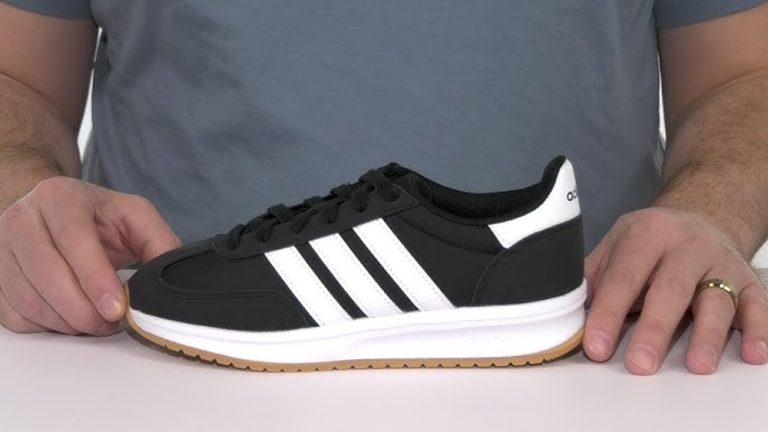
Tennis shoes are made for the sport of tennis, which is played on courts that can be hard, clay, or grass. In tennis, players move in many directions—side to side, forward, and backward—with sudden stops and quick starts. Because of this, tennis shoes focus on:
- Lateral support: To keep feet stable during side-to-side motion.
- Durable outsoles: For withstanding sliding and quick turns on abrasive court surfaces.
- Reinforced toe areas: Since many players drag their toes during serves and volleys.
- Low to the ground design: For better balance and court feel.
The Design Focus Of Running Shoes
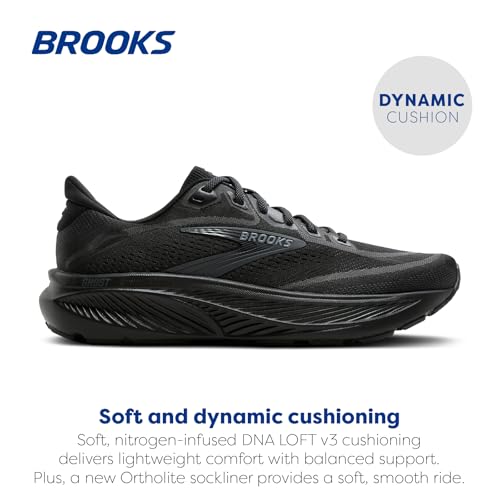
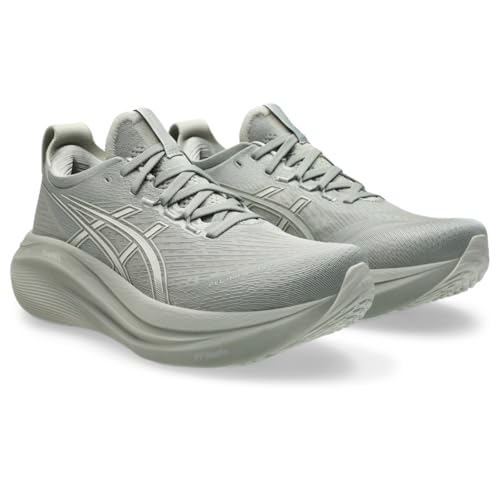
Running shoes, on the other hand, are built for repetitive forward motion. The main goals are to help absorb impact and promote a smooth stride. Running shoes usually feature:
- Cushioning: Extra padding in the heel and forefoot for shock absorption.
- Heel-to-toe drop: The heel is often higher than the toe to encourage forward movement.
- Lightweight materials: To reduce fatigue over long distances.
- Breathable mesh uppers: For better airflow and moisture control.
Key Construction Differences
Here’s a side-by-side comparison to highlight the main differences:
| Feature | Tennis Shoes | Running Shoes |
|---|---|---|
| Primary Support | Lateral (side-to-side) | Forward (heel-to-toe) |
| Cushioning | Moderate, focused on stability | High, focused on impact absorption |
| Outsole Material | Durable, non-marking rubber | Lighter, designed for grip on pavement/trail |
| Weight | Usually heavier | Usually lighter |
| Flexibility | Stiffer for stability | More flexible for stride |
Knowing these differences is the first step in understanding why most shoe brands don’t recommend using tennis shoes for running—especially for longer distances or frequent runs.
The Impact Of Wearing Tennis Shoes For Running
It’s easy to think, “A shoe is a shoe. ” But using tennis shoes for running can affect your comfort, performance, and even your risk of injury. Let’s break down the real-world impact.
Comfort And Fit
Tennis shoes are often stiffer and heavier than running shoes. While that’s perfect for holding your foot steady during a hard volley, it can make each step feel clunky and less natural when running. Over time, this can cause blisters, calluses, or sore spots—especially if you run more than a mile or two at a time.
Shock Absorption And Joint Health
Running puts a lot of stress on your joints. The average runner absorbs up to three times their body weight with every step. Running shoes help by providing targeted cushioning, especially in the heel. Tennis shoes, with their focus on stability and lateral movement, often have less heel cushioning. This can lead to sore heels, knees, or even shin splints after repeated runs.
Injury Risks
Here’s where the differences can really matter. Common running injuries from using improper shoes include:
- Plantar fasciitis: Inflammation of the foot’s arch due to poor support.
- Shin splints: Pain in the lower leg from repeated stress.
- Knee pain: Lack of shock absorption leads to extra strain.
- Stress fractures: Small bone cracks from repeated impact without enough cushioning.
According to a 2018 study in the *British Journal of Sports Medicine*, runners using shoes without proper cushioning and fit were twice as likely to report injuries over a 12-week period compared to those using dedicated running shoes.
Performance
If you care about your speed or endurance, shoe choice matters. Tennis shoes, being heavier and less flexible, can slow you down and make each stride more tiring. Over a short distance, the difference might be small. Over a 5K or more, you’ll likely notice your legs fatiguing faster.
Real-world Example
Many beginners start jogging in whatever shoes they have at home. After a few weeks, they often complain of sore feet or aching knees. When they switch to running shoes, most report feeling lighter on their feet and experience less discomfort.
When Is It Okay To Run In Tennis Shoes?
It’s not all bad news. There are some situations where running in tennis shoes is perfectly fine.
Short, Occasional Runs
If you’re only running short distances (less than a mile) once or twice a week, and you’re not pushing your speed or running on hard pavement, tennis shoes can work in a pinch. They’re especially suitable if your main activity is tennis, but you want to warm up with a light jog.
Versatile Gym Workouts
Tennis shoes are also a good choice for mixed workouts—like HIIT, circuit training, or gym sessions where you might jog for a few minutes but mostly do other exercises. Their stability and lateral support help with agility drills, lunges, and jumping.
Young Children Or Beginners
For kids or absolute beginners who run very short distances or play casually, tennis shoes offer enough protection and support to get started. As their mileage increases, though, it’s wise to move to proper running shoes.
When Should You Avoid Using Tennis Shoes For Running?
There are clear situations where tennis shoes are a poor choice for running.
Long-distance Runs
If you’re training for a 5K, 10K, or marathon, tennis shoes don’t offer the necessary cushioning or support for repeated, high-impact motion. This increases your risk of injury and fatigue.
Hard Surfaces
Running on concrete or asphalt amplifies the impact on your joints. Without the added cushioning of running shoes, your feet, knees, and hips take the brunt of each step.
Previous Injuries
If you have a history of foot, knee, or back pain, proper footwear is essential. Tennis shoes could aggravate old injuries due to their stiffer, flatter design.
High-intensity Running
Sprinting, interval training, and hill workouts demand shoes designed for forward propulsion and shock absorption. Tennis shoes may slow you down and increase strain.
Pros And Cons Of Using Tennis Shoes For Running
Here’s a quick overview of the main advantages and drawbacks:
| Pros | Cons |
|---|---|
| Good lateral support for mixed workouts | Less cushioning for running impact |
| Durable for court or gym use | Heavier and stiffer, reducing running efficiency |
| Protects toes during multidirectional movement | Poor shock absorption increases injury risk |
| Works for short, casual runs | Not suitable for long distances or high speeds |
Key Factors To Consider Before Running In Tennis Shoes
If you’re thinking about using tennis shoes for running, consider these important factors:
- Distance: The longer you run, the more you’ll notice the lack of cushioning.
- Frequency: Regular runners need better shock absorption for joint health.
- Surface: Harder surfaces demand more protection.
- Your body: Your weight, foot shape, and injury history all matter.
- Budget: Investing in the right shoes can prevent costly injuries down the road.
Many beginners overlook how much foot type matters. For example, people with flat feet or high arches are at higher risk of pain or injury if they don’t use purpose-built running shoes. Another often-missed detail: tennis shoes’ soles are designed to grip on smooth courts, which can wear down quickly on rough pavement, reducing their lifespan.
Scientific Insights On Shoe Choice And Injury
Sports scientists have studied shoe choice for decades. A 2020 review in *Sports Medicine* found that:
- Running in shoes not designed for running increases the risk of overuse injuries by up to 45%.
- Proper running shoes can reduce impact forces by about 20–30% compared to generic athletic shoes.
- Shoe fit is as important as cushioning—ill-fitting shoes, even if labeled as “running,” can still cause blisters and pain.
The key insight is that the shoe must match the movement. Tennis requires side-to-side stability; running requires forward cushioning and flexibility.
Are There Hybrid Shoes That Work For Both?
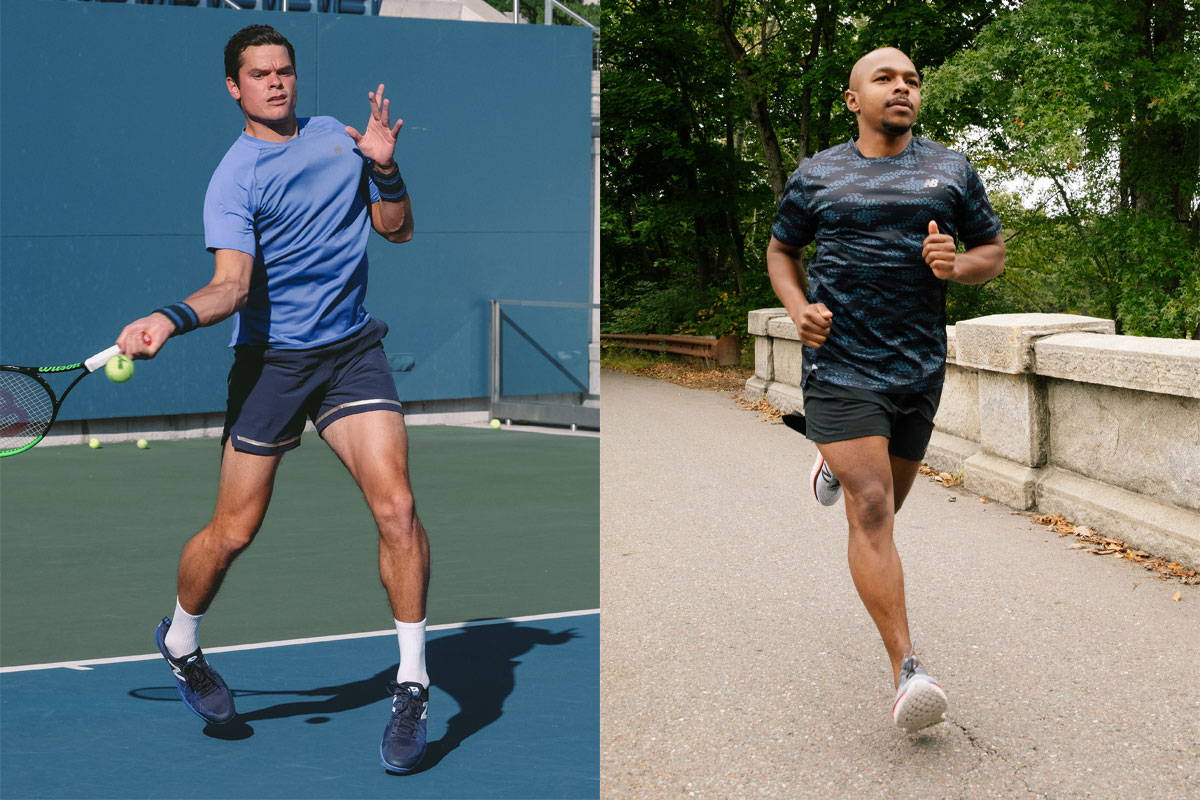
Some brands have started making “cross-training” shoes. These shoes try to balance lateral support and cushioning for people who do a mix of activities—running, gym work, court sports.
While cross-trainers are more versatile than pure tennis shoes, they still don’t match the level of specialized support that dedicated running shoes provide. If your workouts are 80% running and 20% other activities, running shoes are the better choice.
Credit: www.holabirdsports.com
How To Identify If Your Shoe Is Suitable For Running
If you’re not sure what type of shoe you have, look for these signs:
- Heel cushioning: Running shoes have visible padding at the heel.
- Sole flexibility: Running shoes bend easily at the forefoot.
- Tread pattern: Running shoes have grooves designed for straight-ahead movement, not side-to-side grip.
- Weight: If the shoe feels noticeably heavy, it’s likely not a running shoe.
Try this simple test: bend the shoe at the ball of the foot. Running shoes should flex easily; tennis shoes will feel much stiffer.
Tips For Safe Running If You Must Use Tennis Shoes
Sometimes, you might have no choice—maybe you forgot your running shoes or are traveling light. If you must run in tennis shoes, keep these tips in mind:
- Limit distance: Stick to short runs (under 2 miles) to reduce impact.
- Choose softer surfaces: Run on grass or dirt trails when possible.
- Slow your pace: Avoid sprints or high-impact intervals.
- Check for wear: Make sure the sole still has grip and hasn’t become uneven.
- Listen to your body: Stop if you feel pain or discomfort.
Even one or two runs in tennis shoes won’t ruin your feet, but making it a habit increases risk over time.
How To Choose The Right Shoe For Your Activity
Not sure which shoe to buy? Here’s a quick guide:
- For running only: Go for running shoes with good fit and shock absorption.
- For tennis only: Pick tennis shoes with strong lateral support and durable soles.
- For mixed workouts: Consider cross-trainers, but be aware of their limits.
- For walking: Walking shoes have more flexibility than tennis shoes but less cushioning than running shoes.
It’s a common mistake to buy shoes just for looks or price. Always prioritize fit, comfort, and the activity you do most.
Cost Comparison: Are Running Shoes Worth The Investment?
Some people stick with tennis shoes for running to save money. But do running shoes really cost more in the long run? Let’s compare:
| Type | Average Price | Expected Lifespan (Miles) | Cost per 100 Miles |
|---|---|---|---|
| Tennis Shoes | $60–$120 | 200–300 | $24–$60 |
| Running Shoes | $80–$160 | 300–500 | $16–$53 |
While running shoes may cost more upfront, they often last longer for running and offer better protection, potentially saving you money on injury treatment or replacements.
The Role Of Proper Fit
No matter which shoe type you choose, proper fit is crucial. Ill-fitting shoes can cause more problems than the wrong type. When trying on shoes:
- Shop in the afternoon (feet swell during the day).
- Wear the socks you plan to run in.
- Leave a thumb’s width between your longest toe and the tip of the shoe.
- Make sure the heel doesn’t slip and the sides aren’t too tight.
A study from the American Academy of Orthopaedic Surgeons found that over 60% of people wear the wrong size shoe, increasing their risk of foot problems.
Expert Opinions
Sports podiatrists and coaches agree: while tennis shoes are fine for their intended sport, they are not the best option for regular running. Dr. Emily Splichal, a specialist in sports medicine, says, “The right footwear can prevent up to 80% of common running injuries. Using sport-specific shoes is more than a marketing ploy—it’s a matter of health and safety.”
The American Council on Exercise also warns against using “multi-sport” shoes for dedicated running, especially if you’re increasing your distance or training for a race.
Real User Experiences
Many runners share similar stories: starting out with tennis or casual sneakers, then switching to proper running shoes after experiencing discomfort. Most report immediate improvements in comfort, speed, and recovery time.
For example, Sarah, a recreational runner, says, “I ran my first 5K in old tennis shoes and my knees hurt for days. After switching to running shoes, I felt lighter and didn’t have any pain after my runs. ” Stories like these are common in running forums and highlight the value of choosing the right shoe.
Why Some People Still Use Tennis Shoes For Running
Despite the evidence, some people continue to use tennis shoes for running. The main reasons include:
- Convenience: They already own tennis shoes.
- Budget: They want to avoid buying multiple pairs.
- Lack of knowledge: They don’t realize the difference matters.
- Fashion: They prefer the style of tennis shoes.
If you’re in this group, remember that even small improvements in comfort and protection can make your workouts more enjoyable and reduce the risk of injury.
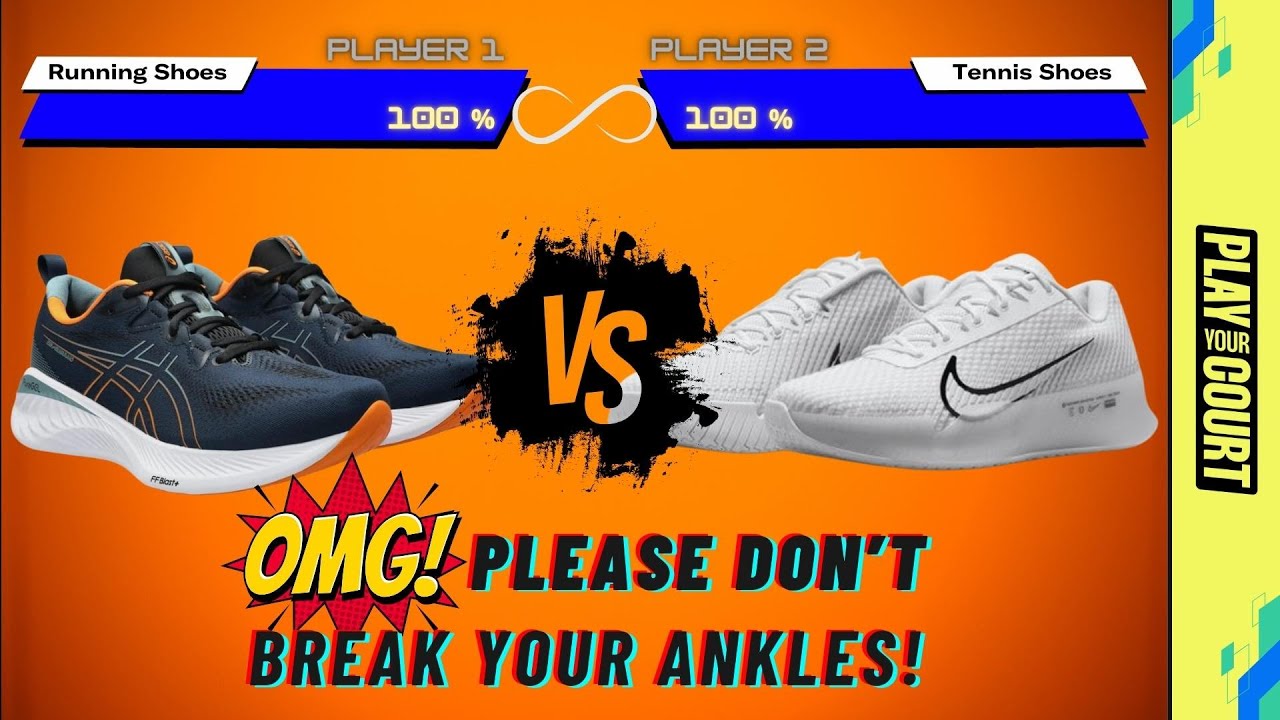
Credit: www.youtube.com
Frequently Asked Questions
Can I Use Tennis Shoes For Running On A Treadmill?
Tennis shoes can be used for short, low-speed treadmill sessions, but they lack the cushioning and flexibility of running shoes. For regular treadmill running, proper running shoes are safer and more comfortable.
Are Tennis Shoes Better Than Running Shoes For Walking?
Not usually. Running shoes tend to offer more cushioning and flexibility, making them a better choice for walking long distances. Tennis shoes work fine for short walks or mixed activities.
Will Running In Tennis Shoes Ruin Them?
Running on pavement can wear out the soles of tennis shoes quickly, especially if they’re made for court surfaces. This shortens their lifespan for tennis and reduces their grip, making them less effective for their intended sport.
How Do I Know If My Shoes Are Causing My Pain?
If you notice new pain in your feet, knees, or hips after running, and you’re using tennis shoes, try switching to running shoes. If the pain improves, the cause was likely your footwear. Persistent pain should be checked by a medical professional.
Where Can I Find More Guidance On Choosing Running Shoes?
A good starting point is the Runner’s World running shoe guide, which explains shoe types, fit, and what to look for based on your running style and foot shape.
Final Thoughts
The bottom line: while tennis shoes and running shoes may look similar, they’re designed for very different activities. Tennis shoes are great for stability and support during quick, sideways movements on the court, but they fall short when it comes to absorbing the repeated impact of running. Using tennis shoes for the occasional, short jog won’t harm most people, but for regular or long-distance running, investing in proper running shoes is a smart move for your comfort, performance, and long-term joint health.
Remember, taking care of your feet is one of the most important things you can do for your fitness journey. Choose the shoe that matches your main activity, and your body will thank you every step of the way.

Credit: deauvillegreenawards.com