What Loft Should My Putter Be And Why It Matters: Unlock Your Best Stroke

When it comes to putting, every little detail counts—especially the loft of your putter. You might think loft is just a number, but it actually plays a huge role in how your ball rolls and how consistent your putts become.
If your putter’s loft isn’t right for your stroke or the greens you play on, you could be fighting against your equipment without even knowing it. Wondering what loft your putter should be and why it truly matters? Keep reading, because understanding this simple adjustment could be the key to lowering your scores and sinking more putts with confidence.

Credit: www.ebay.com
Putter Loft Basics
Understanding the basics of putter loft is essential for improving your putting. Putter loft affects how the ball rolls on the green. It influences the launch angle, spin, and speed of your putt. Choosing the right loft helps you control the ball better and make smoother strokes. This section covers typical loft ranges and their impact on ball launch.
Typical Loft Ranges
Most putters have lofts between 3 and 4 degrees. Some models come with as little as 1 degree or as much as 5 degrees. The exact loft depends on your putting style and the greens you play on. Higher lofts help lift the ball slightly off the ground. Lower lofts keep the ball closer to the green surface. Finding the right loft range can improve your consistency and accuracy.
Impact On Ball Launch
Putter loft controls the initial ball launch angle. Too much loft causes the ball to rise too high. This can create backspin and slow the ball down. Too little loft presses the ball into the turf. This leads to skidding and less smooth roll. The ideal loft creates a gentle, forward roll. This helps the ball stay on line and reach the hole with proper speed.
Effects Of Too Much Loft
Choosing the right loft for your putter is critical. Too much loft can cause problems with your putting. It changes how the ball moves and reacts on the green. Understanding these effects helps improve your stroke and control.
Higher Ball Launch And Backspin
Too much loft makes the ball launch higher off the green. This extra height causes the ball to spin backward more than usual. Backspin can slow the ball down quickly after it lands. The ball may stop too soon or even roll backward. This reduces your control and accuracy on short putts.
Speed And Distance Control Issues
Excess loft affects how you control speed and distance. The ball may feel softer when struck, but it can be harder to judge its roll. Speed control becomes less consistent. You might hit putts too hard or too soft without meaning to. This inconsistency leads to missed putts and lower confidence.
Effects Of Too Little Loft
Choosing the right loft for your putter is crucial. Too little loft can cause several problems that affect your putting performance. It changes how the ball interacts with the clubface and the turf. This section explains the key effects of using a putter with too little loft.
Ball Pressing Into Turf
When a putter has too little loft, it can push the ball down into the grass. This pressing reduces the ball’s natural roll. Instead of smoothly rolling forward, the ball may get stuck or bounce unevenly. Pressing into the turf also increases friction, which slows down your putt. This effect makes it harder to control distance and direction.
Reduced Roll And Skidding
Too little loft causes the ball to skid instead of rolling. Skidding means the ball slides on the green’s surface before it starts rolling. This slide leads to unpredictable paths and less accuracy. A lack of smooth roll reduces the chances of the ball staying on your intended line. It also makes it difficult to judge speed, increasing missed putts.
How Loft Influences Stroke
Loft plays a key role in how you stroke the ball with your putter. It affects the angle at which the ball leaves the face. This angle influences the ball’s speed, spin, and roll. Understanding loft helps improve control and consistency on the green.
Ball Roll And Spin Loft
Loft controls the initial launch angle of the ball. Too much loft causes the ball to lift and spin backward. This backspin slows the ball and makes it stop quickly. Too little loft presses the ball into the ground. This can cause skidding and uneven roll. The right loft produces a smooth, forward roll. This helps the ball stay on line and roll true to the target.
Stroke Consistency
Consistent loft helps keep your putting stroke steady. If the loft varies, the ball reacts differently each time. This leads to unpredictable distances and direction. Proper loft makes it easier to strike the ball in the sweet spot. This builds confidence and repeatable strokes. A well-fitted loft matches your stroke style and green conditions. It enhances your touch and feel on the greens.
Matching Loft To Your Stroke
Matching the loft of your putter to your stroke style affects how the ball rolls. Proper loft helps the ball start smoothly and roll true. It reduces skidding and bouncing after impact. Different strokes need different lofts for best results.
Flat Vs. Arched Stroke Considerations
A flat stroke moves the putter blade straight back and through the ball. It creates a shallow arc. For this stroke, less loft helps the ball stay on the ground quickly. Too much loft can cause the ball to bounce or skid.
An arched stroke swings the putter on a higher arc. The face opens and closes through the stroke. More loft suits this style well. It helps the ball lift and roll smoothly on the green.
Adjusting Loft For Personal Style
Every golfer has a unique putting style. Adjusting loft can match your natural stroke better. Test different lofts to see how the ball rolls. Small changes in loft can improve control and distance.
If your ball digs into the turf, increase loft slightly. If the ball skids too long, reduce loft. Proper fitting can help find the best loft for your stroke style.
Course Conditions And Loft
Course conditions play a big role in choosing the right loft for your putter. The loft affects how the ball rolls on the green. Different greens and weather can change how your putts behave. Adjusting your putter loft helps you control speed and direction better.
Green Speed And Surface Types
Green speed means how fast the ball rolls on the grass. Fast greens need a different loft than slow greens. On fast greens, a lower loft helps keep the ball on the ground. Slow or bumpy greens need more loft to lift the ball slightly. This reduces skidding and helps the ball roll smoothly.
Surface types also matter. Some greens have thick grass or grain. This can slow the ball down or change its path. A putter with more loft can help the ball get over rough patches. This makes your putts more consistent across different surfaces.
Adapting Loft For Different Courses
Each golf course has unique conditions. Dry courses often have faster, harder greens. Use a putter with less loft to keep the ball low and rolling. Wet or soft courses slow the ball. Increasing loft helps lift the ball slightly off the wet surface.
Changing your putter loft by even one or two degrees can improve control. It helps match your putting style to the course conditions. Testing different lofts on practice greens prepares you for varied courses. This small adjustment can lower your scores and improve confidence.
Checking And Adjusting Your Loft
Checking and adjusting your putter’s loft plays a vital role in your putting performance. Loft controls how the ball lifts off the face and rolls on the green. Too much loft can cause the ball to bounce or skid. Too little loft may press the ball into the turf, causing poor contact. Understanding how to check and adjust loft helps you achieve a smooth, accurate roll every time.
Tools And Techniques
Start by using a loft and lie gauge to measure your putter’s loft angle. This tool gives a precise reading of the current loft. You can also use a digital angle finder for more accuracy. Place the putter on a flat surface and align the tool with the clubface. Note the loft reading. To adjust loft, apply gentle pressure to bend the hosel or shaft. Make small adjustments and recheck the loft angle. Avoid over-bending, which can damage the club. Practice patience during this process to get the best result.
Professional Loft And Lie Fitting
Visiting a professional fitter ensures your putter loft matches your stroke style. Experts use advanced machines to measure loft and lie precisely. They analyze your stroke and green conditions to recommend the ideal loft. Professional fitting helps improve consistency and speed control. It also prevents common putting errors caused by incorrect loft. Trusting a fitter can save time and improve your confidence on the greens. This service is a worthwhile investment for serious golfers.
Common Loft Degrees And What They Mean
Putter loft influences how the ball rolls and launches off the clubface. Each loft degree changes the ball’s behavior on the green. Choosing the right loft helps control speed and direction. Understanding common loft options makes it easier to pick the best putter for your game.
Loft degrees usually range from 2 to 4 degrees on most putters. The exact loft affects the ball’s launch angle and spin. This is why knowing the difference matters for better putting results.
Standard Loft Options
Most putters come with lofts between 2 and 4 degrees. A 3-degree loft is the most common. It offers a good balance for rolling the ball smoothly.
Low lofts around 2 degrees create a lower launch. This reduces backspin and keeps the ball closer to the ground. Higher lofts near 4 degrees help lift the ball slightly. This can help if your stroke tends to hit the ball too low.
Choosing the right standard loft depends on your putting style and green conditions. Experimenting with lofts can improve your feel and accuracy.
Strong Vs. Weak Loft Explained
Strong loft means the putter has a higher angle, usually above 3 degrees. It helps lift the ball more at impact. This is useful if your stroke hits the ball too low or you need help with speed control.
Weak loft is less than 3 degrees. It keeps the ball closer to the turf and reduces launch angle. Golfers who strike the ball cleanly often prefer weak lofts. It promotes a smooth, rolling ball without bouncing.
Picking between strong and weak loft depends on how your ball reacts during putting. Correct loft helps reduce skidding and improves distance control.
Myths And Facts About Putter Loft
Understanding the loft of your putter is key to improving your putting skills. Many golfers have mixed ideas about what putter loft should be. Some believe more loft means better control, while others think less loft is always best. These myths can confuse players and affect their choice of putter. Clear facts about loft help golfers make smarter decisions on the green.
Debunking Loft Misconceptions
One common myth says all putters must have zero loft. This is false. Most putters have some loft to help lift the ball slightly off the ground. Too little loft can push the ball into the turf, causing poor roll.
Another false belief is that higher loft always makes the ball jump too much. Actually, a small amount of loft helps the ball roll smoothly without bouncing. The right loft balances launch angle and roll.
Some think putter loft does not affect distance or speed. Loft influences how the ball reacts after impact. Too much loft can slow the ball down by creating backspin. Too little loft can make the ball skid and lose accuracy.
Why Loft Truly Matters
Putter loft controls the launch angle of the ball. This affects how the ball rolls on the green. Correct loft helps the ball start rolling quickly with less skidding.
Proper loft reduces backspin, which can slow the ball. Less spin means a smoother, more predictable putt. It also helps the ball keep its line better.
Loft affects the feel of your putts. The right loft gives better feedback through the putter face. This helps you judge distance and speed more accurately.
Custom fitting can adjust loft to suit your stroke and green conditions. Matching loft to your style improves consistency and confidence on the green.
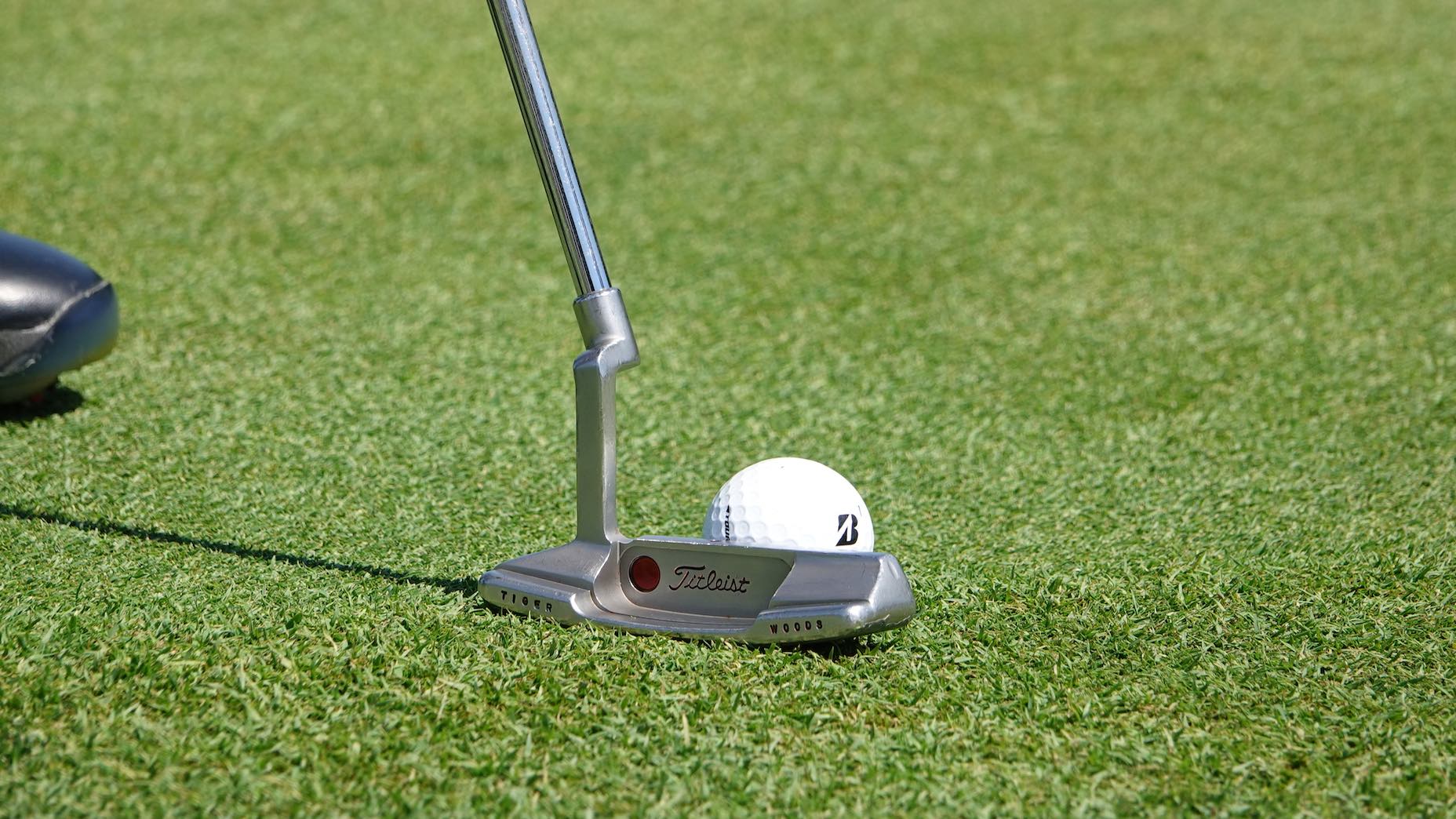
Credit: golf.com
Optimizing Loft For Your Best Stroke
Optimizing the loft of your putter helps create a smooth and consistent stroke. The right loft allows the ball to roll out quickly and stay on line. It balances the launch angle and roll, reducing skidding or bouncing. Adjusting loft fine-tunes how the ball reacts after impact. Finding the best loft improves distance control and accuracy on the green.
Testing Loft Changes
Start by testing different loft angles on a practice green. Use a launch monitor or video to analyze ball roll and path. Notice if the ball lifts too much or skids on the surface. Small changes in loft can change the ball’s speed and direction. Record results for each loft setting. Test with your normal stroke to see what feels natural.
Fine-tuning For Performance
After testing, adjust loft to match your stroke style and green conditions. More loft suits slower greens or gentle strokes. Less loft works well for firmer greens and aggressive strokes. Focus on a loft that creates a smooth roll without unwanted backspin. Keep adjustments small to maintain consistency. Regularly recheck loft as your putting improves or conditions change.

Credit: www.golfmonthly.com
Frequently Asked Questions
What Is The Best Loft For A Putter?
The best putter loft is typically between 3° and 4°. This range helps lift the ball slightly, ensuring smooth roll without excessive backspin or turf contact. Adjust loft based on your stroke and green conditions for optimal performance.
What Should Putter Loft Be At Impact?
Putter loft at impact should be around 3 to 4 degrees. This helps lift the ball slightly, reducing skid and promoting a smooth roll. Proper loft ensures better distance control and accuracy on greens. Adjust loft based on your stroke and green conditions for optimal performance.
What Happens If A Putter Has Too Much Loft?
Too much loft on a putter launches the ball too high, causing unwanted backspin. This reduces roll distance and speed control.
What Degree Should My Putter Be?
Your putter loft should typically be between 3° and 4°. This range promotes a smooth roll by slightly lifting the ball at impact without causing excessive backspin. Adjust loft based on your stroke and green conditions to optimize control and speed.
Conclusion
Choosing the right loft for your putter shapes your putting success. Too much loft lifts the ball, causing unwanted spin. Too little loft presses the ball down, reducing roll. The correct loft helps the ball start smoothly and roll true.
Think about your greens and stroke style when selecting loft. Test different lofts to find what feels best. A well-fitted putter loft can boost your confidence on the green. Small changes make a big difference in your putting game.