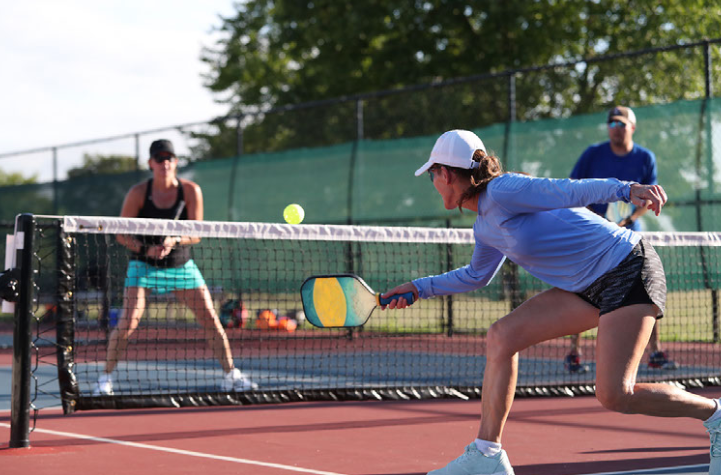
How is Pickleball Different from Tennis And Badminton? Key Comparisons 2026

Pickleball, tennis, and badminton are three of the world’s most popular racket sports. Many people try one and assume the rules, equipment, and skills are similar. But when you look closely, you find that each game has its own personality, feel, and strategy.
If you’re curious about how pickleball is different from tennis and badminton, you’re in the right place. This guide will break down all the key differences and explain what makes each sport unique. By the end, you’ll know exactly which one might be right for you, or how to enjoy all three in your sports journey.
The Origins And Growth Of Each Sport
It helps to understand where each sport comes from and how they developed over time. This gives context for their rules, equipment, and cultures.
Pickleball was invented in 1965 on Bainbridge Island, Washington, by three friends trying to entertain their families. They used a badminton court, lowered the net, and improvised with ping-pong paddles and a perforated plastic ball. The game quickly spread in the US, especially among older adults, but now attracts players of all ages. The USA Pickleball Association says there are over 8.9 million players in America as of 2023—a number that’s growing fast.
Tennis has roots going back to 12th-century France, but the modern game started in England in the late 19th century. It’s now a global sport, played professionally and recreationally everywhere. According to the International Tennis Federation, there are over 87 million players worldwide.
Badminton originated in India before becoming formalized in England in the 19th century. Today, it’s an Olympic sport and hugely popular in Asia, especially China and Indonesia. The Badminton World Federation estimates over 220 million people play badminton globally.
These histories shape how each sport feels and how people view them. Pickleball’s casual American roots make it very social, while tennis and badminton have a long tradition of competition and skill.
Court Size And Layout
The place you play has a big impact on the game’s feel, movement, and strategy. Let’s compare the courts.
| Sport | Standard Court Size (ft) | Net Height (center) | Key Features |
|---|---|---|---|
| Pickleball | 20 x 44 | 34 inches | Non-volley zone (“kitchen”) |
| Tennis (singles) | 27 x 78 | 36 inches | Baseline, alleys, doubles lines |
| Badminton (singles) | 17 x 44 | 61 inches | Shorter net, service lines |
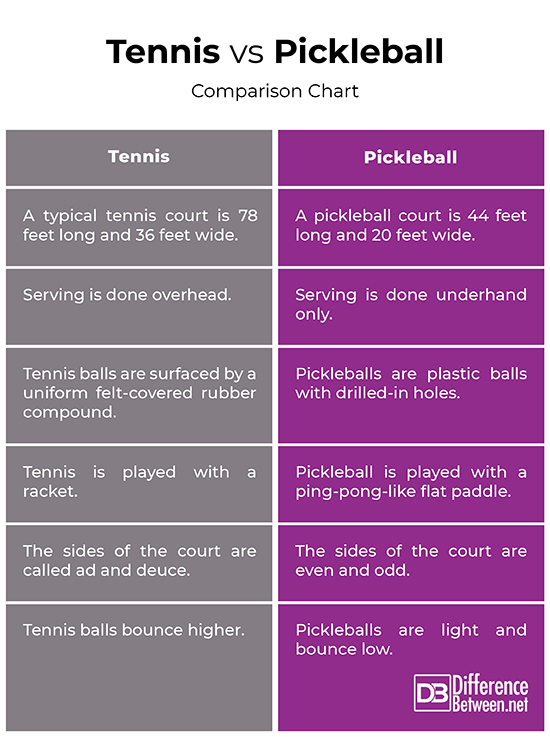
Pickleball courts are much smaller than tennis courts, and only a little larger than badminton courts. This means less running and easier access to all parts of the court. It’s one reason pickleball is easier on the body and more accessible for older or less mobile players.
Tennis courts are the largest, especially for doubles, with more ground to cover and longer rallies. Badminton courts are the narrowest but share the same length as pickleball.
A unique feature in pickleball is the “kitchen”—a non-volley zone seven feet on each side of the net. Players can’t volley while standing in this zone, which greatly changes the tactics near the net.
Equipment: Rackets, Balls, And Shoes
The tools you use set the tone for each sport. Most beginners notice the differences right away.
Rackets And Paddles
- Pickleball paddles are solid and usually made from composite materials or wood. They’re about 8 inches wide and 15-16 inches long, with no strings.
- Tennis rackets are larger (27 inches long on average) with a stringed head. They are heavier and require two hands for powerful shots.
- Badminton rackets are lightweight (about 80-100 grams) and have a long, thin neck with a small, oval stringed head.
Balls And Shuttlecocks
- Pickleball balls are plastic with holes, like a wiffle ball. They come in indoor and outdoor versions.
- Tennis balls are rubber, covered with felt, and pressurized for bounce.
- Badminton shuttles (also called birdies) are made from feathers or synthetic material. They don’t bounce and behave very differently in the air.
Shoes
- Pickleball shoes are similar to tennis shoes, offering lateral support but with less need for extreme grip.
- Tennis shoes are made for hard courts, grass, or clay, with different sole patterns.
- Badminton shoes are light with thin soles for quick, indoor movements.
One key detail beginners miss is how each sport’s equipment affects injury risk. For example, the heavier tennis racket and hard balls can strain the wrist and elbow, while pickleball’s lighter paddle and slow-moving ball reduce impact injuries.
Rules And Scoring Differences
Learning the rules can be confusing if you switch between sports. Here’s what sets pickleball apart.
Scoring
- Pickleball uses rally scoring to 11 (must win by 2). Only the serving team can score.
- Tennis uses games, sets, and matches. Each game goes to 4 points (15, 30, 40, game), sets are first to 6 games, and matches are best of 3 or 5 sets.
- Badminton plays to 21 points per game (rally scoring), best of 3 games.
Pickleball’s scoring is simpler and games are usually much shorter (15-30 minutes). Tennis matches can last hours, and badminton games are fast but physically intense.
Serving Rules
- In pickleball, serves must be underhand and diagonal. The server’s paddle must contact the ball below the waist.
- In tennis, overhand serves are allowed, and powerful serves are common.
- In badminton, serves are underhand, with the birdie hit below the waist.
Pickleball’s underhand serve is easier to learn and less stressful on the shoulder. In tennis, the serve is a weapon; in badminton, it’s about control, not power.
Non-volley Zone (the Kitchen)
A unique feature in pickleball is the kitchen rule. Players can’t volley (hit in the air) while standing in the kitchen. This prevents smashes at the net and requires more finesse and placement. Tennis and badminton have no such zone—players can stand close to the net and smash aggressively.
Double Bounce Rule
Pickleball has a double bounce rule: after the serve, the ball must bounce once on each side before volleys are allowed. This slows the game’s start and ensures longer rallies. Tennis and badminton allow immediate volleys after the serve.
Faults And Lets
Each sport has its own rules about faults (mistakes):
- In pickleball, stepping into the kitchen on a volley, missing the serve, or hitting out-of-bounds are faults.
- In tennis, double faults happen on two missed serves, and “let” serves (when the ball clips the net) are replayed.
- In badminton, faults include hitting the shuttle out, into the net, or touching the net with the racket or body.
A common mistake for new pickleball players is forgetting the kitchen rule and double bounce rule, leading to easy lost points.
Playing Style And Pace
The way points are played and rallies develop is very different across these sports.
Pickleball
Pickleball is a game of placement and strategy. Because the court is small and the ball moves slowly, power is less important. Players often “dink” (soft shots over the net) to set up mistakes, then attack when the time is right. Quick reflexes and smart positioning matter most.
Tennis
Tennis is about power and endurance. Players run side to side and back to front, hitting hard serves and groundstrokes. Rallies can be long, especially on clay courts. Spin, pace, and court coverage are key. Big serves and winners often decide points quickly.
Badminton
Badminton is the fastest racket sport. The shuttle can travel over 200 mph in professional smashes. The game requires explosive speed, quick changes of direction, and high stamina. Rallies are usually short but intense, with lots of jumping and lunging.
Pickleball’s slower pace and smaller court make it much less tiring, and it’s easier to play long sessions without exhaustion.
Skills And Techniques Required
Each sport develops different skills, and the best players in each sport look very different.
Footwork
- Pickleball focuses on quick steps and side shuffles to get to the kitchen line and maintain position.
- Tennis requires running, sprinting, and quick pivots for baseline and net play.
- Badminton demands explosive lunges, jumps, and rapid foot changes due to the shuttle’s speed.
Shots
- Pickleball has dinks, volleys, drives, and lobs, with a focus on control and spin.
- Tennis uses forehands, backhands, serves, volleys, slices, and topspin.
- Badminton features smashes, clears, drops, and net shots.
Stamina And Fitness
- Pickleball is the least physically demanding, though high-level play can be intense.
- Tennis requires strong legs and endurance for long matches.
- Badminton needs extreme agility and cardiovascular fitness.
One overlooked detail: learning tennis first can make it hard to adjust to pickleball, because the fast, big swings of tennis don’t work as well on a small court with a light ball.

Credit: www.justpaddles.com
Game Duration And Scoring Patterns
How long does each game take? This matters for busy people or those who prefer a quick workout.
- Pickleball: Games to 11 points often last 15-30 minutes. Doubles is very popular, and it’s easy to play multiple games in a short session.
- Tennis: A single set takes 30-60 minutes, but matches can last two hours or more. Singles is demanding, doubles is more social.
- Badminton: Matches are best of three games to 21, usually 30-45 minutes in total. Rallies are short, but games move quickly.
Pickleball’s short game time is a big reason for its popularity with older adults and people with limited free time.
Singles Vs Doubles
All three sports can be played as singles (one vs one) or doubles (two vs two), but the experience is very different.
- Pickleball: Doubles is the norm, with almost 70% of players preferring it. It’s more social and less tiring.
- Tennis: Singles is seen as the “pure” form, but doubles is popular for clubs and casual play.
- Badminton: Both forms are popular, but high-level doubles is extremely fast and requires perfect teamwork.
In pickleball, doubles play brings more strategy and less running, which encourages beginners and older players to join. In tennis and badminton, singles is more physically demanding and requires more skill to cover the entire court.
Credit: www.differencebetween.net
Social And Community Aspects
How players connect matters a lot, especially for new players.
Pickleball has a reputation as the most social of the three sports. Courts are smaller, games are quick, and it’s easy for beginners to jump in with more experienced players. Many pickleball venues use “rotation” systems, so everyone gets to play. The learning curve is gentle, and people often chat between points.
Tennis has a more formal, competitive culture, especially at private clubs. There are social leagues and beginner programs, but the sport has a reputation for being less welcoming to total newcomers. Tennis can be expensive, especially at private clubs.
Badminton is highly social in Asia, where it’s played in large halls with many courts. In the US and Europe, it’s less common, but still friendly in clubs. Because of the fast pace, games can be intense, but players often enjoy group play and doubles.
A subtle insight: pickleball’s “drop-in” style lets people play without having to pre-arrange matches or teams, making it easy for new players to join a community.
Accessibility: Age, Cost, And Entry Barrier
What does it take to start each sport, and who can play?
Age Range
Pickleball is famous for its all-ages appeal. Kids, adults, and seniors play together. The lower impact and easier rules make it perfect for beginners or those returning to sports after injury.
Tennis is popular for all ages but requires more physical ability, especially for singles. Young people often start with lessons.
Badminton can be played by anyone, but the high speed and intensity of competitive play favor younger athletes.
Cost
- Pickleball: Most affordable. Paddles cost $30-150, balls are cheap, and many parks offer free courts.
- Tennis: Rackets range from $40-300, balls must be replaced often, and some clubs charge high membership fees.
- Badminton: Rackets are cheap ($20-100), but feather shuttles wear out fast and need replacing. Indoor court rental may be required.
Pickleball wins for cost and accessibility, especially in North America.
Entry Barrier
Pickleball’s rules are simple, and most people can play a real game within minutes. Tennis and badminton require more coaching and practice to play at even a recreational level.
A hidden challenge: in tennis and badminton, beginners often get discouraged by constant mistakes (missed serves, out balls), while pickleball’s gentle learning curve keeps people engaged.
Injury Risk And Physical Demands
Staying healthy is important, especially for older players.
- Pickleball has the lowest injury rate, mostly due to slips or ankle twists. The light paddle and slow ball reduce arm injuries.
- Tennis injuries include tennis elbow, shoulder strain, and knee problems from running.
- Badminton can cause knee, ankle, and shoulder injuries due to fast lunges and jumps.
One thing beginners often overlook: badminton is so fast that poor warm-up or overuse can lead to injury quickly, even though the sport looks less demanding.
Professional Scene And Global Reach
While all three sports have professional levels, their reach and popularity vary.
- Tennis is a global professional sport with Grand Slam events, major prize money, and superstar athletes.
- Badminton is an Olympic sport, with huge followings in Asia, especially China, Indonesia, and Malaysia.
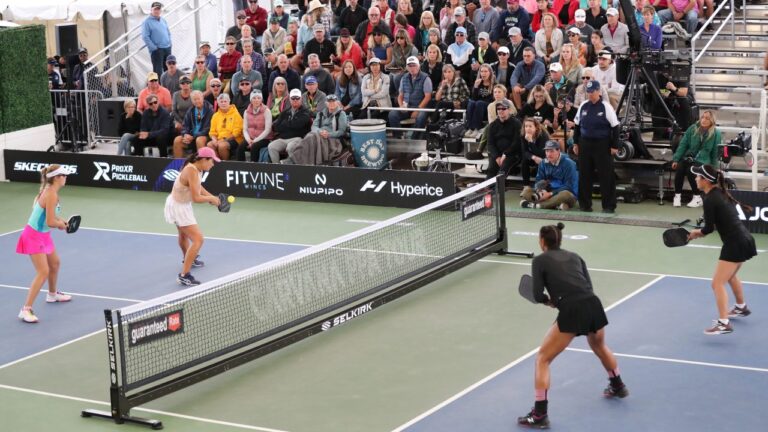
- Pickleball is newer on the professional scene, with a rapidly growing pro circuit in the US. Media coverage and prize money are increasing, but it’s not yet an Olympic sport.
For those interested in the highest level of play, tennis and badminton offer more opportunities and established tours.
Weather And Play Locations
Where and when you can play matters, especially for busy people.
- Pickleball is played both outdoors and indoors. Outdoor courts are common in parks, while indoor gyms allow year-round play.
- Tennis is also played outside and inside, but requires more space for courts.
- Badminton is mostly played indoors because wind affects the shuttle’s flight.
A practical tip: pickleball can be played on repurposed tennis courts (using portable nets), making it easy to find places to play.
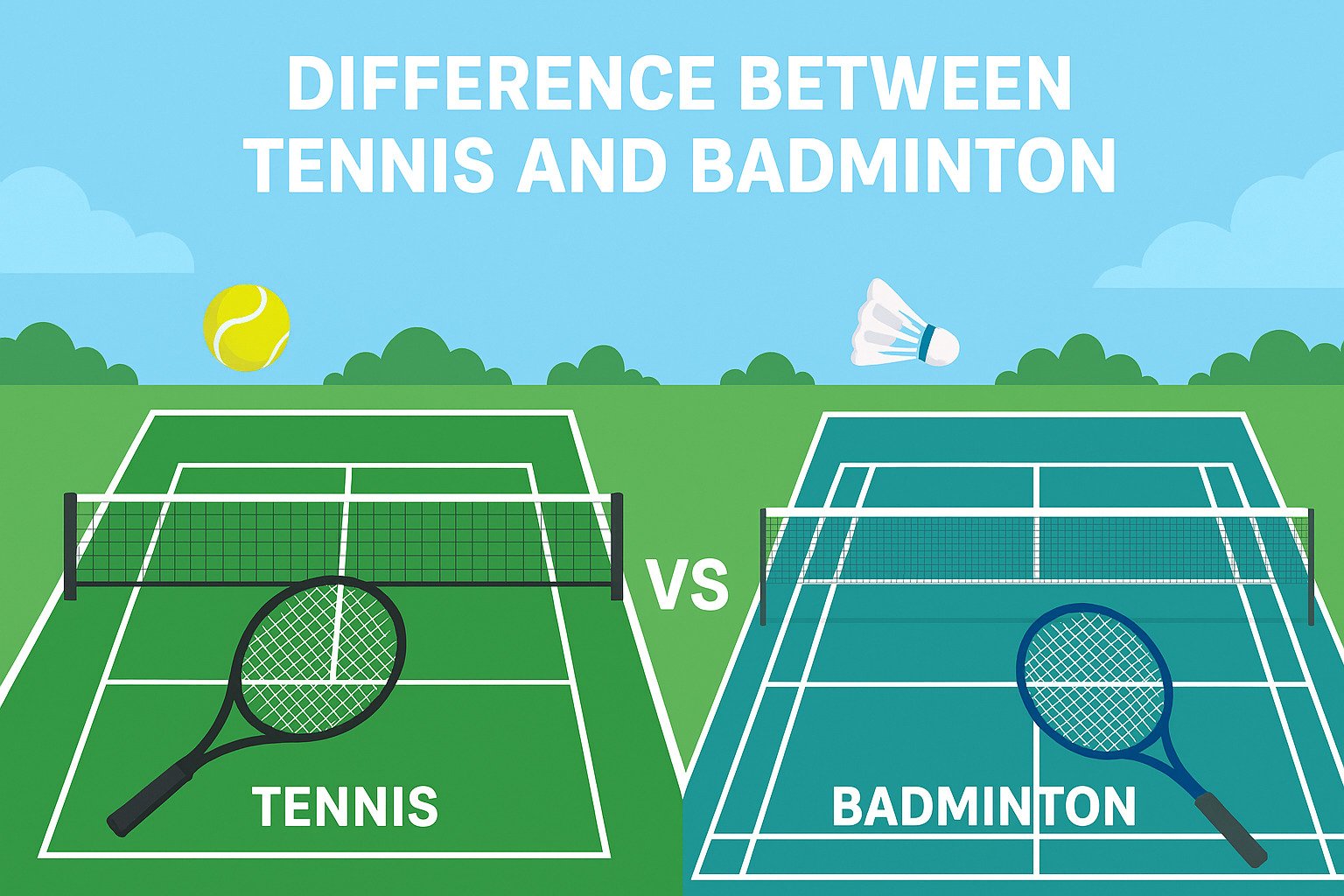
Key Similarities And Differences Summary Table
To help you see the main differences at a glance, here’s a quick summary:
| Aspect | Pickleball | Tennis | Badminton |
|---|---|---|---|
| Court Size | 20 x 44 ft | 27 x 78 ft | 17 x 44 ft |
| Net Height | 34 in | 36 in | 61 in |
| Ball/Shuttle | Plastic with holes | Felt-covered rubber | Feather or nylon shuttle |
| Racket/Paddle | Solid paddle | Stringed racket | Light stringed racket |
| Serving | Underhand, diagonal | Overhand/underhand | Underhand, diagonal |
| Scoring | To 11, win by 2 | Games/sets/matches | To 21, win by 2 |
| Popular Age | All ages | All ages | All ages |
| Best for | Social, easy entry | Endurance, power | Speed, agility |
Credit: pacecourt.com
Which Sport Is Right For You?
If you’re choosing which sport to try, think about your goals and personality:
- Pickleball is best for people who want a quick, social, low-impact game with a gentle learning curve. It’s great for all ages and skill levels.
- Tennis fits players who enjoy a physical challenge, love hitting hard, and don’t mind spending time learning technique. It’s rewarding but demanding.
- Badminton is perfect for those who want a fast-paced, indoor sport that tests agility and reflexes.
A non-obvious tip: trying all three gives you cross-training benefits and helps prevent burnout or injury from doing just one type of movement.
Common Beginner Mistakes
If you’re new to pickleball, tennis, or badminton, here are some pitfalls to avoid:
- Ignoring court rules: In pickleball, stepping into the kitchen during a volley is a common mistake.
- Using the wrong grip: Tennis and badminton require different grips for different shots. Pickleball’s grip is more like ping-pong.
- Swinging too hard: Tennis players often over-hit in pickleball, sending balls out of bounds.
- Poor footwork: Each sport needs different movement skills. Take time to learn the basics.
- Not warming up: Especially in badminton, skipping warm-ups leads to injuries.
Learning Resources And Where To Play
Finding places to play is easier than ever. In the US, you can search for pickleball courts on the USA Pickleball website, tennis courts through the USTA, and badminton clubs using the Badminton World Federation’s resources. Many community centers offer beginner clinics for all three sports.
If you want to learn more about pickleball’s history and growth, the Wikipedia: Pickleball page is a useful resource.
Frequently Asked Questions
What Is The Main Difference Between Pickleball And Tennis?
The main difference is the court size and equipment. Pickleball is played on a much smaller court with a solid paddle and a perforated plastic ball, while tennis uses a larger court, a stringed racket, and a pressurized felt ball. The rules, scoring, and style of play are also different, with pickleball being less physically demanding and more social.
Is Pickleball Easier To Learn Than Tennis Or Badminton?
Yes, most people find pickleball easier to learn. The court is smaller, the ball moves slower, and the rules are simpler. Beginners can usually play a real game within their first session. Tennis and badminton require more practice to hit consistent shots and learn court movement.
Can You Play Pickleball On A Tennis Or Badminton Court?
You can play pickleball on a tennis court by using portable nets and marking out the smaller lines. Many parks do this to maximize space. While a badminton court is closer in size, the higher net and indoor surface change the feel. Outdoor pickleball is usually played on hard surfaces similar to tennis.
Which Sport Is Better For Older Adults?
Pickleball is best for older adults due to its low impact and friendly pace. The small court means less running, and the lightweight paddle reduces stress on the arm. Many senior centers and parks now offer dedicated pickleball sessions.
Is Pickleball Becoming More Popular Than Tennis Or Badminton?
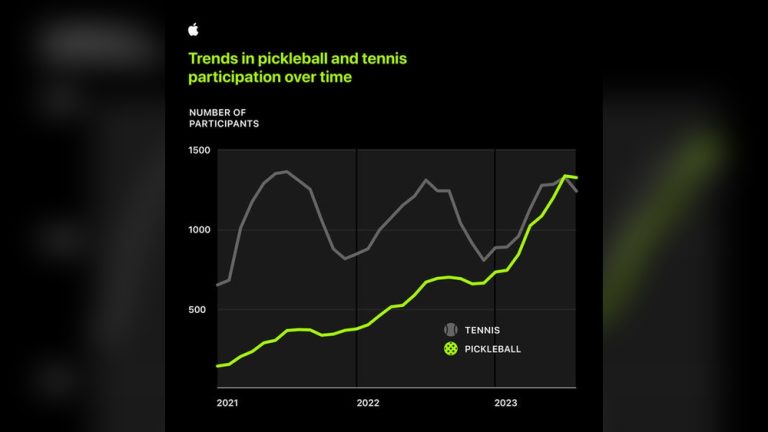
Pickleball is the fastest-growing sport in the US, with millions of new players each year. While tennis and badminton have a longer history and more global players, pickleball’s growth rate suggests it will become even more popular in coming years, especially among adults looking for a fun, social sport.
Pickleball, tennis, and badminton each offer something unique. Whether you want fast action, social play, or a physical challenge, one of these sports is sure to fit your style. Try each one to see which brings you the most joy—and remember, the best sport is the one you love to play.