How to Dink in Pickleball for Beginners (Step-by-Step From My First Real Games)

I still remember the first time someone told me, “Just dink it.”
It was a warm evening at a small court near my neighborhood. I nodded like I understood. Then I hit the ball straight into the net. Again. And again.
If you’re here trying to learn how to dink in pickleball for beginners, you’re probably in that same phase. It feels simple. But it’s not.
Let me walk you through what actually worked for me—step by step, with all the mistakes included.
What Is a Dink in Pickleball?
At first, I thought dinking was just “hitting soft.” That idea ruined my early games.
The simple version
A dink is:
- A soft shot
- That lands in the kitchen (non-volley zone)
- And stays low so your opponent can’t attack
That’s it. But doing it right is the hard part.
The moment it clicked for me
One day, I noticed an older player. No power. No rush. Just soft taps.
Nobody could beat him.
That’s when I realized—pickleball isn’t about hitting harder. It’s about control.
Why Dinking Matters More Than Power
This part surprised me the most.
I came from a mindset of “hit strong, win fast.” That does not work here.
What dinking actually does in real games
- Slows everything down
- Forces your opponent to lift the ball
- Gives you time to think
- Creates mistakes without effort
My honest experience
In my first week:
- I tried to smash everything
- I lost most rallies
- I got tired fast
When I started dinking:
- Rallies got longer
- I made fewer mistakes
- I actually started winning points
It felt strange at first. Almost too calm.
How to Dink in Pickleball for Beginners (Step-by-Step Guide)
I learned this slowly, over many bad shots and a few good ones.
Imagine this: late afternoon, slight breeze, you’re at the kitchen line. This is how I do it now.
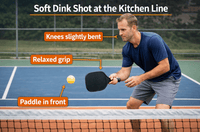
Step 1 – Stand in the Right Spot
This changed everything for me.
- Stand right at the kitchen line
- Not too far back
- Knees slightly bent
- Body leaning forward
When I stood too far back, I had no control. Every shot felt rushed.
Step 2 – Loosen Your Grip (This Felt Weird at First)
I used to grip the paddle tight. Like I was holding onto it for dear life.
Big mistake.
Now I:
- Hold it gently
- Think of holding an egg or toothpaste
Too tight = ball pops up
Too loose = better control
Step 3 – Stop Swinging Like Tennis
This one took me days to fix.
At first, I used full swings. That’s why my shots kept flying.
Now I:
- Use a short push
- No big backswing
- Keep the paddle in front
It feels small. Almost like you’re not doing enough. But that’s the point.
Step 4 – Aim Low Over the Net
I started aiming high because I was scared of hitting the net.
That made things worse.
Now I aim:
- Just above the net
- Soft arc
- Let gravity do the work
When it works, the ball lands gently. No bounce, no attack chance.
Step 5 – Be Patient (This Was the Hardest for Me)
I used to rush.
Every time I saw a chance, I tried to smash. Most of the time, I lost the point.
Now I wait.
- Keep dinking
- Wait for a high ball
- Then attack
This alone improved my game more than anything else.
What a Good Dink Looks Like (Even Without a Video)
I watched a lot of “how to dink in pickleball for beginners video” content. It helped—but only after I knew what to look for.
What I noticed in slow motion
- The paddle barely moves
- The ball makes a soft sound
- No sudden force
- Smooth, calm motion
If your shot sounds loud, it’s probably wrong. Mine used to sound like a slap. Now it’s more like a tap.
Common Dinking Mistakes I Made (And Still Sometimes Do)
I wish I could say I fixed everything fast. I didn’t.
Here are the mistakes I kept repeating:
Hitting too hard
- Ball pops up
- Opponent smashes it
Standing too far back
- No angle
- No control
Swinging too much
- Overhit shots
- Lost rhythm
Ignoring paddle angle
- Small tilt changes everything
- Flat paddle = mistakes
Some days, I still do these. It happens.
What Helped Me Improve Faster (Simple Drills)
I didn’t have a coach. Just time, trial, and a few simple drills.
Drill 1 – Wall Practice (My Favorite)
I did this on a random Tuesday morning.
- Stand close to a wall
- Tap the ball softly
- Keep it controlled
It felt boring. But it worked.
Drill 2 – Cross-Court Dinking
With a partner:
- Aim diagonally
- Focus on consistency
Cross-court gives more space. It’s easier for beginners.
Drill 3 – 10 in a Row Challenge
This one frustrated me.
- Try 10 soft dinks
- Miss one? Start again
Some days I couldn’t even reach 5. But over time, I got better.
Dink vs Power Shots (What I Learned the Hard Way)
Here’s a simple comparison based on my experience:
| Shot Type | What I Thought Before | What I Learned Later |
|---|---|---|
| Power shots | Win points fast | Causes more errors |
| Dinking | Too slow | Wins more games |
| Fast rallies | Exciting | Hard to control |
| Soft rallies | Boring | Strategic and smart |
This shift changed how I play.
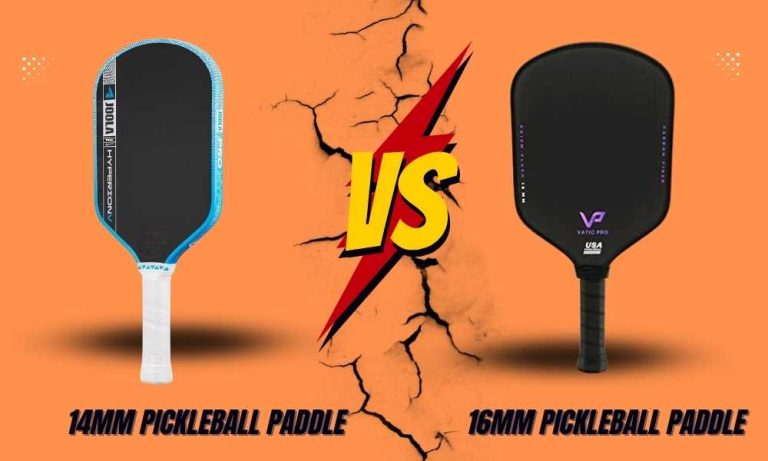
Choosing the Right Paddle for Dinking
I didn’t think gear mattered at first. Then I tried a different paddle.
Big difference.
What I now look for
- Lightweight feel
- Good grip size
- Control over power
What didn’t work for me
- Heavy paddles
- Very stiff surfaces
They made soft shots harder to control.
How Dinking Fits Into Real Pickleball Rules
Understanding pickleball rules helped me a lot.
Key rule that matters
You can’t volley in the kitchen.
So:
- If you keep the ball low
- Your opponent must let it bounce
- That gives you control
That’s why dinking works.
It’s not just a technique. It’s strategy.
My Honest Progress Timeline (So You Know What to Expect)
I wish someone told me this earlier.
| Time Playing | My Dinking Skill |
|---|---|
| Day 1 | Constant net hits |
| Week 1 | Some control, lots of errors |
| Week 2 | Longer rallies |
| Week 3+ | Started feeling natural |
It’s not instant. But it improves faster than you think.
Final Thoughts
At first, dinking felt unnatural. Too soft. Too slow. Almost like I was playing wrong. But then something changed.
One evening, I had a rally—maybe 12 or 15 shots. All dinks. No panic. No rush. I remember smiling after that point.
That’s when I realized: I wasn’t just reacting anymore. I was controlling the game. If you’re struggling right now, that’s normal. Keep going. Keep it soft. And trust the process.