Why is Pickleball So Expensive? Unveiling the Real Reasons 2026

Pickleball is a sport that has exploded in popularity in recent years. People of all ages are joining clubs, buying gear, and transforming tennis courts into pickleball zones. But many newcomers feel a shock when they see the costs involved.
The price of paddles, balls, shoes, and court time can add up quickly. For a game often described as simple and accessible, why is pickleball so expensive? Let’s dive deep into the real reasons behind the high costs, what factors are driving prices, and how you can play smarter without breaking the bank.
The Hidden Costs Behind Pickleball Gear
When most people think of starting a new sport, they expect a few basic expenses. But pickleball equipment often surprises beginners. Let’s look at where the money goes.
Pickleball Paddles: Not Just Plastic
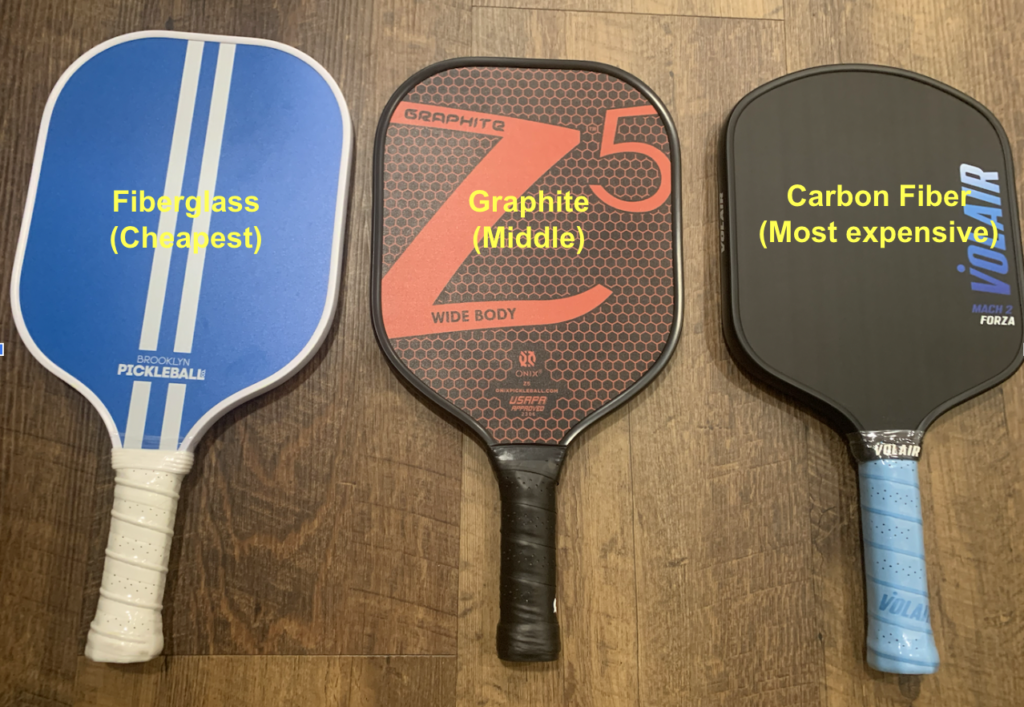
The heart of the game is the pickleball paddle. Basic paddles can cost $20–$40, but many serious or even casual players are told they need a better paddle, which can range from $80 to over $250. Why such a jump?
- Materials: High-end paddles use advanced materials like carbon fiber, graphite, or composite polymers. These are lighter, stronger, and offer better performance than cheap wood or plastic paddles. Manufacturing these materials is expensive. For example, carbon fiber is not only costly to produce but also must be carefully layered and shaped to provide the right feel and strength. This process is more labor-intensive than making a simple wooden paddle.
- R&D: Top brands spend a lot on research and design to create paddles with the right balance, durability, and power. This innovation cost is passed to buyers. The difference can be felt in the paddle’s “sweet spot”—the area where shots feel best. Achieving this is not easy and often means more prototypes and testing.
- Limited scale: Compared to tennis or golf, pickleball is still smaller. Companies make fewer paddles, so they can’t cut costs with huge production runs. If a brand sells only a few thousand paddles a year, each one must cover a bigger share of the company’s expenses.
Some advanced paddles also include edge guards, vibration dampening layers, or textured surfaces for extra spin. These features, while adding to performance, add cost as well. The quality control is also stricter, as higher-end paddles must meet specific standards to be approved for tournament play.
The Cost Of Pickleballs
It may seem odd, but the balls themselves aren’t cheap either. A standard pack of 4–6 balls can cost $10–$20. Outdoor balls wear out fast, sometimes after just a few games, because of rough surfaces and hard hits.
- Design: Pickleballs must meet specific bounce, weight, and size rules. Good balls are carefully engineered for consistent play. Even small differences in hole size or plastic thickness can affect performance. Indoor and outdoor balls are made differently, with outdoor balls being harder to withstand rougher surfaces.
- Durability: Outdoor balls crack or lose shape quickly. Replacing them is a recurring cost. Some players go through several balls in a single week, especially if they play often or in cold weather, which makes balls more likely to crack.
A less obvious cost is that serious players often buy specific brands or types of balls that are approved for tournaments. These “official” balls are more expensive than generic ones and may not last much longer, but are required for competitive play.
Shoes And Apparel
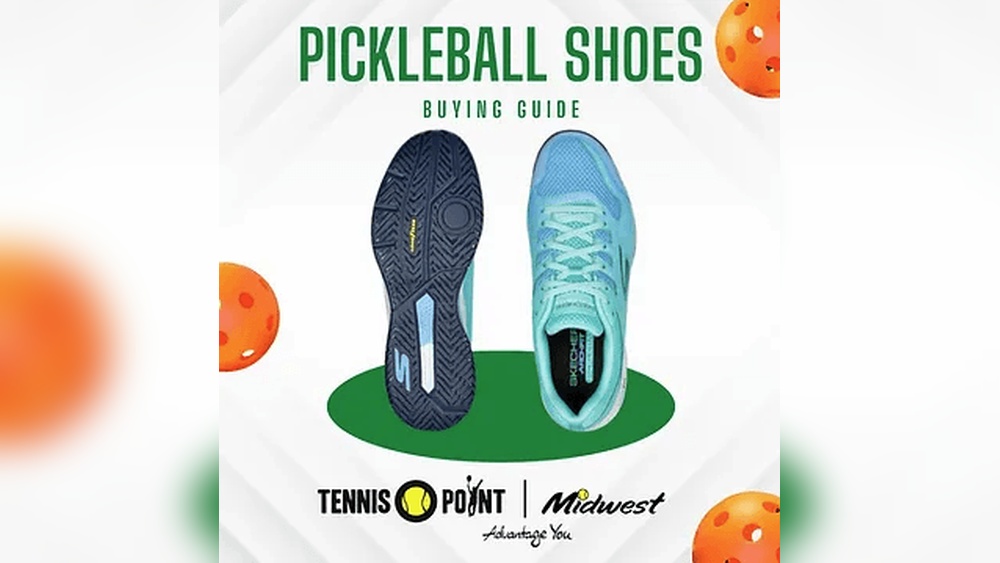
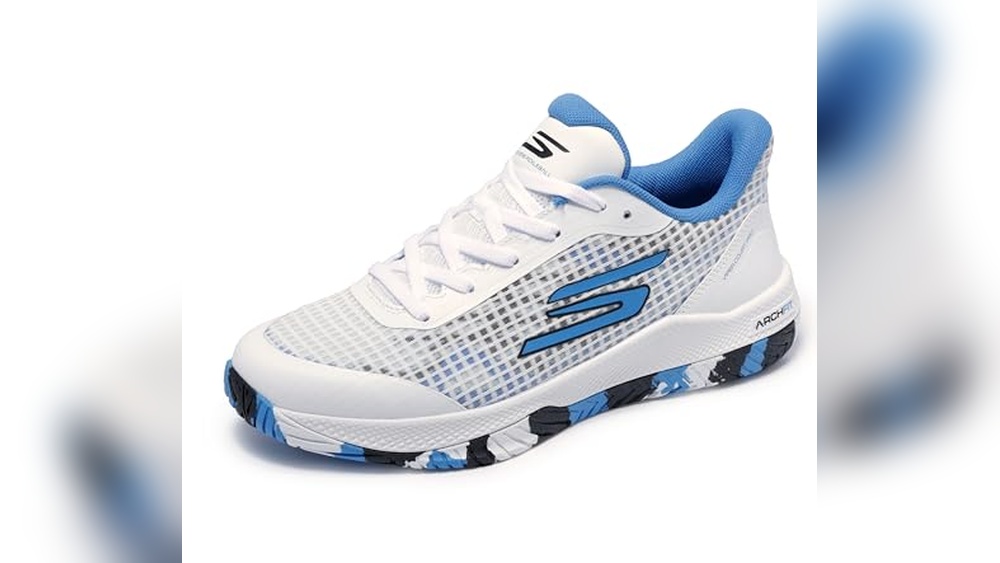
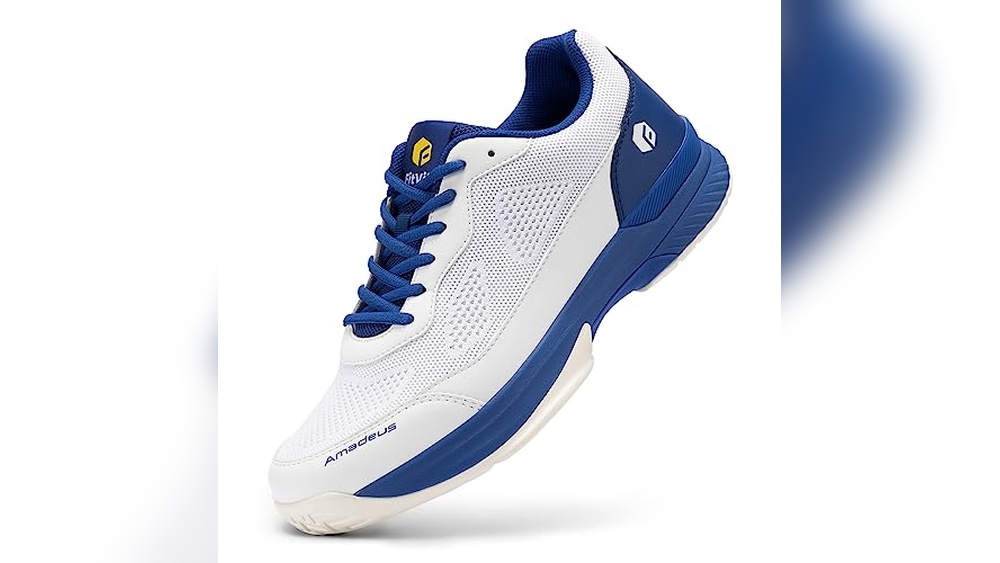
Pickleball puts stress on feet and joints, so players are encouraged to buy court shoes with good grip and support. These often cost $60–$120 per pair. Special pickleball clothes that wick sweat and allow movement add to the expense. Shoes designed for tennis or volleyball can sometimes be used, but dedicated pickleball shoes are becoming more common. They are made to handle the fast side-to-side motion unique to pickleball, reducing the risk of ankle injuries.
Apparel isn’t just about comfort; many clubs require specific clothing standards, like collared shirts or non-marking soles, which can lead to extra purchases. Even socks can matter—a good pair reduces blisters, but high-performance socks cost more.
Accessories And Extras
- Bags: Special bags for paddles and balls can run $40–$100. Some even have thermal pockets to protect paddles from heat, which can warp the materials.
- Grips, tape, and weights: Customizing paddles for comfort or play style adds small but ongoing costs. Overgrips wear out and must be replaced every few months if you play regularly.
Some players also invest in wristbands, hats, sunglasses, or sweat towels. While these aren’t required, they add to the overall budget, especially as you play more frequently or in different weather conditions.
Non-obvious insight: Many paddle brands release “limited editions” or pro-signed models, which can cost even more, driven by collector demand rather than just function. These collectable paddles sometimes sell out quickly and can even appreciate in value, turning gear into a kind of investment or status symbol among enthusiasts.
The Price Of Playing: Courts, Clubs, And Tournaments
Buying gear is only part of the story. Actual play often brings the biggest expenses.
Court Rentals And Memberships
Many towns don’t have public pickleball courts, or they have long wait lists. So, players turn to private clubs or community centers. Here’s what you might pay:
- Drop-in fees: $5–$20 per session. This fee usually covers a set time slot, sometimes only 1–2 hours.
- Monthly memberships: $30–$150 depending on location and club quality. Higher-end clubs may include perks like towel service, ball machines, or free clinics.
- Annual memberships: Some clubs charge $500–$1,000 per year for unlimited play.
Why is it so high? Building and maintaining courts, paying staff, and covering insurance all cost money. Indoor courts with climate control are even pricier. Some clubs also offer social events, leagues, and lessons, which can justify higher fees, but not every player uses these extras.
In some areas, the lack of courts creates “peak hour” pricing, where you pay more during busy times—like evenings and weekends. Public courts may be free, but finding open slots can be challenging, especially in cities where demand is high.
Tournaments And Leagues
Competitive play is a big draw, but entry fees often surprise new players.
- Tournament registration: $40–$100 per event. Some national-level events charge even more, and the price may not include extras like t-shirts or meals.
- Travel costs: Players sometimes travel hours to find good competition, adding hotel, food, and gas bills. This can make even a “local” tournament an expensive weekend.
- Uniforms and team fees: Leagues may require matching uniforms or charge extra administrative fees. Some teams have sponsors and buy branded gear, which might not be optional for players.
Non-obvious insight: Some clubs bundle access to clinics or ladder leagues into their fees, but many do not. Always check what’s included before signing up. For example, a club might advertise “free clinics” but only offer them to new members, or require extra payment for advanced instruction.

Credit: paklepickleball.com
Why Is Pickleball So Pricey Compared To Other Sports?
Is pickleball really more expensive, or does it just feel that way? Let’s compare the typical costs of getting started in pickleball, tennis, and badminton.
| Sport | Starter Gear (average) | Club/Court Fees (monthly avg.) | Ball/Birdie Cost (yearly) |
|---|---|---|---|
| Pickleball | $120–$250 | $50–$120 | $60–$120 |
| Tennis | $70–$180 | $30–$90 | $30–$70 |
| Badminton | $40–$120 | $20–$70 | $40–$90 |
Notice that pickleball paddles are often more expensive than basic tennis rackets, and regular play fees can be higher, especially in cities where courts are scarce.
Another point: pickleball balls need more frequent replacement, especially outdoors, while tennis balls and badminton birdies (shuttlecocks) can sometimes last longer or be bought more cheaply in bulk. Plus, tennis and badminton have bigger used gear markets, making it easier to find deals.
The Role Of Branding And Pro Player Influence
Pickleball brands market their products heavily, often using professional players or influencers. This helps boost sales but also pushes prices higher.
The “pro Paddle” Premium
Many brands offer “pro” or “signature” paddles. These are often only slightly different from regular models but can cost $50–$100 more. Why?
- Sponsorship deals: Brands pay pro players for endorsements, and that cost is added to the retail price. The extra money covers marketing campaigns, events, and sometimes prize money for tournaments.
- Limited editions: Scarcity drives up price, even if performance is the same. Collectors or die-hard fans want the latest or rarest paddle, which keeps prices high.
Some players feel the need to keep up with trends, buying new models every year or two. This cycle means more sales for brands, but higher expenses for players.
Social Media And Fomo
Pickleball has a strong social media presence. Players see top athletes using the latest gear and feel pressure to upgrade. This “fear of missing out” (FOMO) drives up sales—and prices.
For example, when a top-ranked player switches to a new paddle, many fans rush to buy the same one, even if their old paddle works fine. This trend is especially strong among younger or competitive players who want to look or play like the pros.
Supply Chain And Manufacturing Challenges
Pickleball’s rapid growth has stretched the supply chain.
Small Factories, High Costs
Most pickleball gear is made in small batches, often overseas. Factories must retool for new paddle shapes or materials, which isn’t cheap. Shipping costs, tariffs, and import taxes add more expenses.
Unlike bigger sports, few factories specialize in pickleball equipment, so orders are smaller and more expensive per unit. If a paddle is updated every year, factories must change molds and processes frequently, increasing costs further.
Pandemic Effects
COVID-19 disrupted global shipping and factory output. Even as things recover, costs for raw materials like carbon fiber and resin remain high. Many companies pass these costs to buyers.
Delays in shipping also mean brands must pay more for faster transport or hold extra inventory, which ties up money and adds risk. Some brands ran out of stock for months, driving prices up for what was available.
Example: Paddle Price Breakdown
Here’s how the cost of a $160 paddle might break down:
| Cost Component | Estimated Share |
|---|---|
| Materials | $40 |
| Labor & Manufacturing | $25 |
| R&D and Testing | $15 |
| Shipping & Import | $20 |
| Marketing & Sponsorships | $20 |
| Retail Markup | $40 |
Retail markup is especially high in sports equipment. Stores and brands need to cover their overhead and make a profit.
Some small brands sell direct to consumers and cut the retail markup, but this is not always possible for larger brands or in markets where local stores are important.
The Impact Of Pickleball’s Popularity Boom
The fast growth of pickleball is a double-edged sword. On one hand, more players means more demand, which should lower prices. But in reality, it’s creating shortages and raising costs.
Court Shortages
Many cities can’t build new courts fast enough. Private companies fill the gap, but they charge premium prices. Some areas have waitlists for club memberships, which allows clubs to keep prices high.
For example, in some regions, clubs have “initiation fees” just to get on a waitlist. Others have different tiers of membership, with higher prices for priority booking or access to special events.
Used Gear Market
When demand is high, even used paddles sell for close to new prices. Unlike tennis or golf, there isn’t a deep market for old gear—yet.
As more people join, expect the used market to grow, which could help lower costs for new players. Right now, however, it’s common to see used paddles selling for 70–90% of their original price, especially if they’re a popular brand or model.
Example: City Court Access
In cities like Seattle or Austin, some public courts are booked out weeks in advance. Players end up paying more to join private clubs or travel farther to play.
In some cases, cities have started using apps or reservation systems to manage demand, sometimes charging a small fee. While this helps organize play, it adds another layer of cost.
Are Expensive Paddles Worth It?
Many beginners wonder if they really need a $150 paddle. The answer depends on your goals.
- Casual play: A $40–$70 paddle is usually enough.
- League or tournament play: Performance paddles offer more control, spin, and comfort, which can help your game.
- Injury prevention: Lighter, well-balanced paddles can reduce arm and wrist strain.
Tip: Try borrowing or demoing paddles from other players before you buy. Many clubs offer demo programs.
Another way to decide: if you play just once or twice a month, an expensive paddle won’t make much difference. If you’re playing several times a week and competing, the extra investment can help your performance and reduce injury risk.
Extra insight: The “best” paddle often depends more on your playing style than price. Some mid-range paddles suit aggressive hitters, while others fit a control-based approach. Testing different shapes and weights matters more than chasing the latest release.
The True Cost Of “affordable” Pickleball
Some guides say pickleball is “cheap” to play. They focus on the fact that you only need a paddle and a few balls. But this ignores the real-world costs players face:
- Regular gear replacement: Balls wear out, grips get slick, shoes break down. Over a year, these small costs add up—some players spend $100 or more just maintaining gear.
- Travel and court fees: Most people can’t play for free, especially in busy cities. Even “free” public courts may require a drive and parking fees.
- Skill progression: As you improve, you may want better gear or coaching, which adds cost. Many players also buy books, video courses, or subscribe to online coaching platforms.
- Social pressure: Peer groups and social media can push you to buy the “latest and greatest” even if you don’t need it.
Key insight: Unlike some sports, pickleball’s low entry cost is only true if you play rarely and don’t care about performance.
Some players also join multiple clubs or leagues to get more playing time, multiplying the costs. For families, buying gear and memberships for several people quickly gets expensive.
Credit: bepickleballer.com
The Role Of Coaching And Lessons
Many beginners invest in lessons or clinics to improve faster. These are often more expensive than expected.
- Group clinics: $25–$50 per session (1–2 hours). Some clubs offer package deals, but drop-ins are often pricier.
- Private lessons: $40–$100 per hour with a certified coach. Prices are higher in big cities or with high-profile instructors.
Some clubs require you to take a lesson before joining, adding to the startup cost.
There are also video analysis services, online classes, and specialized workshops (like “dink” or “serve” clinics) that cost extra. While helpful, they’re another layer of expense.
Extra tip: If you’re on a budget, look for group clinics or community-run lessons, which are usually less expensive than private coaching.
The Hidden Costs Of Tournament Play
Serious players who want to compete face even higher expenses:
- Travel: Big tournaments may be in other cities or states. Even a “local” event can mean hours on the road.
- Entry fees: Top tournaments can cost $100+ just to enter. Some events charge per event, so playing in multiple divisions adds up.
- Hotel, food, and car rental: These add up quickly. Many tournaments last a full weekend, requiring multiple nights in a hotel.
- Uniforms and team gear: Some events require matching outfits.
For example, a weekend tournament in another state could easily cost $500–$1,000 including all expenses. Some players split travel and hotel with teammates to save money, but even then, costs add up quickly over a season.
Extra detail: Some national tournaments have mandatory equipment checks, meaning you may need to upgrade your paddle or gear to meet their rules, adding even more to the total.

Credit: www.reddit.com
Pickleball Court Construction And Maintenance
If you want to build your own court, costs rise even higher.
- Home court: Pouring a concrete slab, painting lines, and installing nets can cost $12,000–$25,000. If you add fencing, lighting, or landscaping, costs go higher.
- Backyard kits: Simple DIY kits start around $4,000 but may not last as long or play as well. They might use temporary nets or plastic tiles that need replacing.
- Maintenance: Outdoor courts need regular cleaning and resurfacing. Indoor courts need climate control. Even public courts need repainting and net replacement every few years, which is funded by fees or donations.
Building a court may increase your home’s value if done well, but it’s a big investment. Most players find it’s cheaper and less hassle to use community facilities.
Are There Ways To Save Money In Pickleball?
Absolutely. While some costs are hard to avoid, you can play smart and avoid overspending.
Practical Tips To Cut Costs
- Buy last year’s gear: Older paddles and shoes are often discounted but still high quality. End-of-season sales are a great time to buy.
- Shop used: Local clubs or online forums sometimes sell gently used paddles for 30–50% less. Check with other players or look for swap events.
- Split purchases: Share bulk ball orders or gear with friends. Some online stores offer discounts for larger orders.
- Use public courts: Seek out free or low-cost community courts before joining a private club. Many cities are adding new courts, so keep an eye out for new openings.
- Demo before you buy: Test gear before spending big. Some stores or clubs let you borrow paddles for a small fee or deposit.
- Limit tournament travel: Play local events to keep costs down. Focus on building skill and experience before traveling for bigger tournaments.
Expert tip: Focus on building skills, not just buying gear. Good technique matters more than the most expensive paddle.
Another insight: Take advantage of free resources—YouTube tutorials, free drill groups at local parks, or open play times—to develop your game without paying for every lesson.
The Future Of Pickleball Pricing
Will prices stay high forever? There are signs things may change.
- More competition: As big brands enter the market, prices for basic gear may drop. Already, companies like Wilson and HEAD are selling entry-level paddles at lower prices.
- Used market growth: As more players cycle through gear, used prices may fall. Websites and apps dedicated to used sports gear are starting to list more pickleball equipment.
- City investment: Some towns are building more public courts, which could reduce court fees. For example, several U.S. cities have announced plans to convert unused tennis courts to pickleball.
- Innovation: New manufacturing methods may lower paddle and ball costs. 3D printing and better materials could make high-quality paddles cheaper in the future.
But as long as pickleball is seen as trendy and “premium,” some brands will keep prices high for those who want the best.
The Real Value Of Pickleball
Despite the costs, many players say pickleball is worth it. The social connections, fitness benefits, and pure fun can be hard to match. But it’s important to understand the real costs—and avoid spending more than you need.
Bottom line: Pickleball is expensive because of specialized gear, club and court fees, branding, and supply chain limits. But with smart choices and realistic expectations, you can enjoy the game without overspending.
For a deeper dive on pickleball’s growth and market impact, check out this Wikipedia article on Pickleball.
Frequently Asked Questions
Why Are Pickleball Paddles So Much More Expensive Than Tennis Rackets?
Pickleball paddles use advanced materials like carbon fiber and require precise engineering. Brands also produce smaller batches, which means higher manufacturing costs per paddle. Sponsorship and marketing also drive up prices.
Is It Possible To Play Pickleball On A Budget?
Yes. Choose basic gear, play on public courts, and avoid unnecessary extras. Focus on skill rather than buying the latest products. Used gear is also a smart option for savings.
Do I Need Special Shoes For Pickleball?
While not strictly required, court shoes are recommended for better grip and injury prevention. Running shoes can wear out quickly or cause slips on hard courts.
Are Expensive Pickleballs Worth The Price?
Higher-quality balls last longer and offer more consistent play. Cheap balls can break or deform quickly, especially outdoors. However, for casual games, inexpensive balls are usually fine.
Will Pickleball Become More Affordable In The Future?
As the sport grows, competition among brands and more public courts may help lower costs. However, high-end gear and private clubs are likely to remain expensive for players seeking top quality and features.