Is Pickleball Easier to Play Than Tennis? A Quick Comparison 2026

Pickleball and tennis are two of the world’s most popular racquet sports. Both are fast, fun, and social, but many people wonder: Is pickleball easier to play than tennis? The answer isn’t simple. It depends on your physical ability, experience, and what you want from a sport. This article will help you understand the real differences between pickleball and tennis—so you can decide which is easier for you.
You’ll discover how the rules compare, how movement changes, and what skills each sport needs. We’ll cover what beginners often miss, share real examples, and use data to make the comparison clear. By the end, you’ll know how pickleball and tennis stack up for ease of play.
What Makes A Sport “easy”?
When people say a sport is “easy,” they usually mean:
- You can learn the basics quickly.
- You can play without much physical strain.
- The rules are simple and clear.
- Mistakes are less punishing.
But “easy” is personal. For some, it means less running. For others, it means a less complex strategy. To compare pickleball and tennis fairly, let’s look at each sport’s rules, court, equipment, physical demands, skill requirements, and learning curve.
Not everyone values the same features. For example, some people may find a sport easy if they can play it with friends without needing lots of practice. Others focus on how quickly they can improve or how much effort it takes to join a game. Some simply want a sport that fits their age or health.
Another point: Easy sports usually let you start playing right away, with little need to master tough techniques. The best sports for beginners remove barriers—such as complicated scoring or expensive gear.
Comparing Rules And Gameplay
Pickleball Rules At A Glance
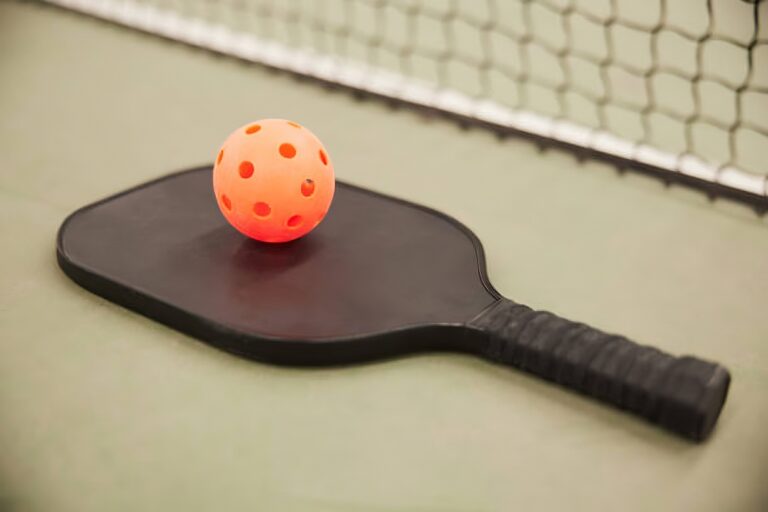
Pickleball is played with a paddle and a plastic ball with holes. The court is smaller than a tennis court, and the rules are simpler:
- Games are usually played to 11 points.
- Players serve diagonally, only underhand.
- The ball must bounce once on each side after a serve.
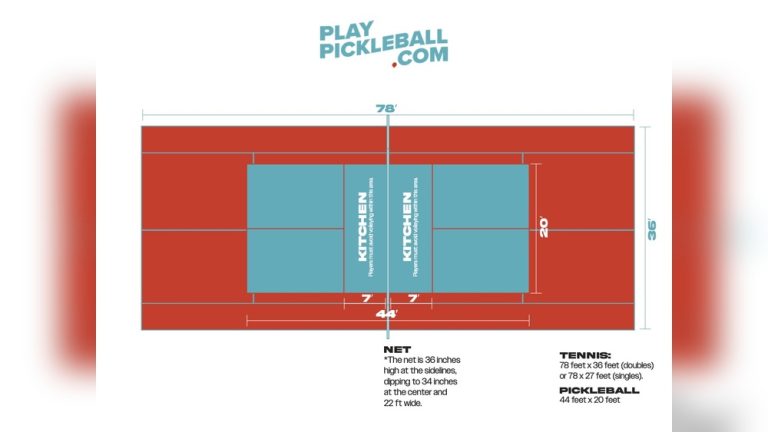
- There’s a “non-volley zone” (the kitchen) near the net.
Pickleball rules also have a “double bounce” rule for the start of each rally, meaning both teams must let the ball bounce once before volleying. This keeps play fair and slows the pace for beginners.
Tennis Rules At A Glance
Tennis uses a stringed racquet and a felt ball. The court is much bigger, and the rules are more complex:
- Games are scored in sets (15, 30, 40, deuce, advantage).
- Players serve diagonally, usually overhand.
- The ball can be played in the air or after a bounce.
- No non-volley zone near the net.
Tennis also has rules about faults, let serves, and tie-breaks. Players must learn when a ball is “in” or “out,” which can be confusing. The scoring system is unique to tennis, and remembering the sequence takes practice.
Game Complexity Table
Here’s how the rule complexity compares:
| Aspect | Pickleball | Tennis |
|---|---|---|
| Serve type | Underhand only | Overhand/underhand |
| Scoring | 11 points, simple | Sets, games, complex |
| Court zones | Non-volley zone | No special zone |
| Ball bounce rules | Must bounce after serve | Optional bounce |
Pickleball rules are less complex, and new players can learn them in a single session. Tennis rules take longer to understand—especially scoring.
Extra insight: Tennis has more “gray areas”—like calling lines and deciding if a serve is a fault. Pickleball’s clearer boundaries and rules reduce confusion for new players.
Court Size And Movement
Pickleball Court
A pickleball court is 20 feet wide and 44 feet long (about one-fourth the size of a tennis court). This smaller size means less running and easier coverage.
Beginners often notice they can reach most shots without sprinting. The court’s layout, with the “kitchen” zone, encourages short rallies and quick reactions instead of long chases.
Tennis Court
A tennis court is 27 feet wide (singles) and 78 feet long. Doubles courts are even wider. Players must cover much more ground, which can be tough for beginners or those with mobility issues.
For singles, the space is huge—players may need to run several meters to chase a ball. Doubles tennis is a bit easier, but still demands movement across a wide area.
Court Size Comparison
| Sport | Width | Length | Total Area |
|---|---|---|---|
| Pickleball | 20 ft | 44 ft | 880 sq ft |
| Tennis (Singles) | 27 ft | 78 ft | 2,106 sq ft |
Movement Differences
- Pickleball: Short sprints, quick changes, little lateral movement.
- Tennis: Longer sprints, wide lateral movement, more endurance needed.
For many people, the smaller pickleball court makes it easier to reach the ball and stay in the game.
Extra example: Older adults, or people recovering from injuries, often prefer pickleball because they can play without worrying about long runs or overexertion.
Equipment: Weight, Size, And Handling
Pickleball Equipment
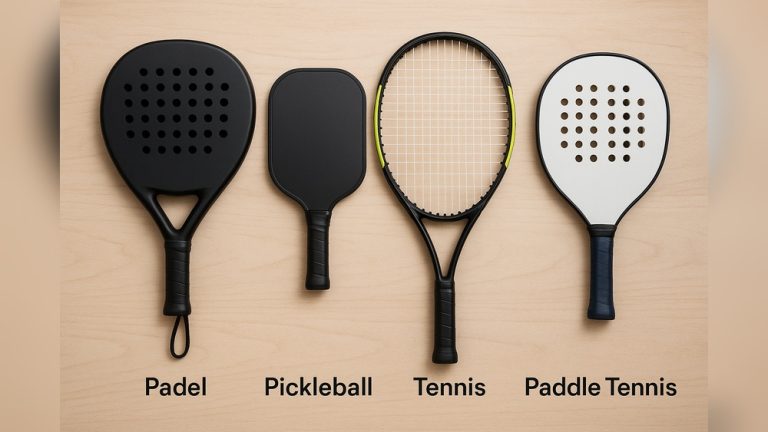
- Paddle: Flat, light (6–9 ounces)
- Ball: Plastic, 0.9 ounces, holes for slower flight
Pickleball paddles are easy to grip and swing. The light weight means you can play longer without fatigue. The ball travels slower, giving you more time to react.
Tennis Equipment
- Racquet: Larger, heavier (10–12 ounces)
- Ball: Felt, 2 ounces, bounces higher and faster
Tennis racquets require a strong wrist and arm. The string tension affects how the ball flies. Tennis balls bounce quickly, so timing your swing is harder.
Handling Comparison
| Equipment | Pickleball | Tennis |
|---|---|---|
| Paddle/Racquet Weight | 6–9 oz | 10–12 oz |
| Ball Weight | 0.9 oz | 2 oz |
| Ease of Grip | Simple, short handle | Longer, more torque |
Pickleball paddles are easier to hold, especially for kids, seniors, or those with weak wrists. Tennis racquets require more strength and skill to control.
Extra tip: Beginners often drop tennis racquets or swing too late, while pickleball paddles feel like holding a ping-pong paddle—natural and comfortable.
Physical Demands And Injury Risks
Pickleball
Pickleball is often called a low-impact sport. It’s easier on knees and hips because of the smaller court and lighter equipment. Many seniors and those with injuries play pickleball without pain.
A 2021 study in the *Journal of Aging and Physical Activity* found that pickleball players had fewer injuries than tennis players. Most injuries were minor—like ankle sprains or muscle pulls.
Another insight: Pickleball games are shorter, so players can rest more often. This reduces exhaustion and lowers injury risk, especially for those new to exercise.
Tennis
Tennis demands more speed and endurance. Players must sprint, jump, and twist. Common injuries include:
- Tennis elbow (from racquet vibration)
- Knee sprains
- Rotator cuff injuries
Some research from the *American Orthopaedic Society for Sports Medicine* shows tennis players have higher rates of chronic injuries, especially in older adults.
Injury Rate Data
- Pickleball: 5.4 injuries per 1,000 hours played
- Tennis: 12.0 injuries per 1,000 hours played
This data shows that pickleball is less risky, especially for beginners and older players.
Extra detail: Tennis matches can last hours, increasing fatigue and chances of repetitive strain injuries. Pickleball matches are quick, so you can play several games in a session and stop when you feel tired.
Learning Curve: How Fast Can You Play?
Pickleball
Most new players can rally and play points after 30–60 minutes of practice. The underhand serve, simple scoring, and slow ball make it easy to start.
Pickleball courts often have “beginner hours” where new players can join games. The community is patient and explains the rules as you play. This helps people build confidence quickly.
Tennis
Tennis takes longer to learn. Beginners often struggle with:
- Serving overhand (hard for kids and beginners)
- Keeping score (complex system)
- Hitting the ball cleanly (harder technique)
It can take 5–10 hours of lessons before a beginner feels comfortable rallying.
Extra example: Many tennis clubs require lessons before you can join group play, especially for adults. Kids may spend weeks learning to serve and return before playing full games.
Real Example
A local pickleball club in Seattle reports that 90% of their first-time players can play a game after one lesson. In tennis, only about 50% can rally after one lesson.
Additional detail: Pickleball’s learning curve is gentle. Even if you miss a shot, rallies often continue, making it fun right away. Tennis errors usually end the point, which can be discouraging for new players.
Skill Requirements: What Do You Need To Succeed?
Pickleball Skills
- Hand-eye coordination
- Quick reflexes
- Basic footwork
- Simple strategy (aim for open spaces)
Pickleball rewards patience and control. Beginners can win points with slow, soft shots called “dinks,” which do not require power.
Tennis Skills
- Hand-eye coordination
- Advanced footwork
- Strong grip and swing technique
- Complex strategy (spin, power, angles)
Tennis rewards those who can hit with force and precision. You must learn to handle balls at different speeds, heights, and angles.
Beginner Mistakes
- In pickleball, beginners tend to stand too close to the net, forgetting about the kitchen rule.
- In tennis, beginners often swing too hard, missing the ball or hitting it out.
Non-obvious insight: Pickleball rewards “soft” skills—gentle dinks and patience. Tennis rewards “hard” skills—speed, power, and strong technique.
Extra tip: Pickleball doesn’t require a “perfect” swing. Even with awkward shots, rallies continue. Tennis requires more technical accuracy, especially as you progress.
Age, Fitness, And Accessibility
Pickleball
Pickleball is famous for its accessibility. It attracts all ages, from children to seniors. Many public parks offer free courts, and equipment is affordable.
A 2023 *USA Pickleball* survey showed:
- 35% of US players are over age 55
- 42% are women
Pickleball is popular with older adults because it’s easy on the body and social.
Extra detail: Pickleball is sometimes played in retirement communities and schools. It’s seen as a “family sport,” where parents, grandparents, and kids can play together.
Tennis
Tennis is also widely played, but most competitive players are younger. Equipment is pricier, and lessons can be expensive. Tennis is sometimes seen as less accessible for people with limited mobility.
Many tennis clubs require memberships, and tournaments are more formal. For people with knee or back problems, tennis can be tough.
Accessibility Data
- Pickleball paddle: $20–$70
- Tennis racquet: $40–$200
- Pickleball balls: $2 each
- Tennis balls: $4 per can (3 balls)
Pickleball is easier to start, cheaper, and less intimidating.
Extra example: Many cities now offer pickleball courts next to playgrounds, so families can try the sport without spending much.

Credit: www.youtube.com
Social And Community Factors
Pickleball
Pickleball is known for its friendly culture. Games are quick, and doubles play is common. Players often rotate partners, making it easy to meet new people.
At many clubs, beginners are welcomed. The “pickleball community” is less competitive, more supportive.
Extra insight: Pickleball courts often have “open play” times, where anyone can join. This creates a relaxed atmosphere and helps people make friends fast.
Tennis
Tennis has a long history and formal traditions. Clubs can be competitive. Singles play is more common, and matches last longer.
Some tennis clubs are welcoming, but others focus on tournaments and rankings. New players may feel pressure to improve quickly.
Non-obvious insight: Pickleball’s short games and doubles format make it easier for shy or new players to join in.
Strategy And Mental Challenge
Pickleball
Pickleball strategy is simple for beginners. The goal is to keep the ball low and find open spots. Advanced players use spins and fast volleys, but most games don’t require deep tactics.
Extra example: Beginners can win points by focusing on placement, not power. Watching experienced players, you’ll see they often use gentle shots to control the rally.
Tennis
Tennis strategy is more complex. Players must consider:
- Spin (topspin, slice)
- Power vs. placement
- Court coverage
- Stamina over long matches
Beginners can feel overwhelmed by all the choices.
Extra tip: Tennis players often need to plan their shots several moves ahead. This mental challenge is exciting for some, but stressful for others.
Strategy Comparison
Pickleball is easier for casual play, but tennis offers more depth for those who want a mental challenge.
Weather And Playing Conditions
Pickleball
Most pickleball courts are outdoors, but indoor courts are common. The plastic ball is affected by wind, so outdoor play can be tricky. Indoor pickleball is consistent and easy.
Extra detail: Many local gyms have indoor pickleball courts, making the sport accessible year-round. This is a big plus for people in rainy or cold climates.
Tennis
Tennis is mostly outdoors, but indoor facilities exist. The felt ball handles wind better, but rain or wet courts stop play.
Non-obvious insight: Pickleball’s ball is lighter, so beginners may struggle outdoors on windy days. Tennis is less affected by wind, but more by rain.
Extra tip: Tennis players often need special shoes for clay or grass courts. Pickleball can be played on many surfaces with basic sneakers.
Popularity And Growth
Pickleball is the fastest-growing sport in the US. The *Sports & Fitness Industry Association* (SFIA) reported over 8. 9 million US pickleball players in 2022—up from 3. 5 million in 2019.
Tennis has about 23 million US players but is growing more slowly. Many tennis courts are being converted to pickleball courts.
Growth Comparison
- Pickleball: 285% growth (2019–2022)
- Tennis: 10% growth (2019–2022)
This rapid growth shows how easy pickleball is to start.
Extra insight: Pickleball’s popularity means you can find games almost anywhere. Communities are adding courts faster than tennis, making it even more accessible.

Credit: www.paddletek.com
Real-life Case Study: Beginners Switching Sports
Let’s look at a real example from a local recreation center.
- Jane, age 60: Tried tennis for years, but found it too hard on her knees. After switching to pickleball, she could play three times a week without pain.
- Mike, age 15: Started with pickleball, found it easy and fun. Switched to tennis for more challenge, but needed lessons.
- Linda, age 45: Played both sports. She felt pickleball was easier for her family to learn and play together.
Their experiences show that pickleball is easier for most beginners, but tennis offers more challenge for those who want it.
Extra example: Many tennis players who switch to pickleball report that they enjoy the game’s friendly atmosphere and quick learning curve, even if they miss tennis’s complexity.
Advanced Play: Is Pickleball Still Easier?
For advanced players, pickleball and tennis become more similar in skill requirements:
- Both need strong reflexes, strategy, and teamwork (in doubles).
- Both reward precision and fitness.
However, even at high levels, pickleball is less physically demanding. Tennis pros must train hard to avoid injury and stay fit.
Non-obvious insight: Pickleball at the advanced level can be fast and intense, but it rarely requires as much physical stamina as competitive tennis.
Extra detail: Professional pickleball matches are exciting, but players can compete well into their 60s. Tennis pros often retire younger due to injury or fatigue.

Credit: www.pickadel.in
Common Misconceptions
“pickleball Is Just For Seniors.”
Pickleball is popular with seniors, but young people play too. Many schools now offer pickleball as part of PE classes.
Extra example: Teenagers and college students are joining pickleball leagues, and some tournaments have youth divisions.
“tennis Is Always Harder.”
Tennis is harder for beginners, but not for everyone. Skilled athletes may find tennis easier to pick up, especially if they already play racquet sports.
“pickleball Is Boring.”
Pickleball can be exciting, especially in doubles. The quick rallies and social aspect keep games lively.
Extra tip: The game’s pace speeds up as you improve. Advanced players often have fast, thrilling rallies.
Choosing The Right Sport For You
If you want a sport that is:
- Easy to learn
- Low impact
- Social and fun
- Affordable
Pickleball is a great choice.
If you prefer:
- Physical challenge
- Deep strategy
- Long matches
- Competitive play
Tennis may suit you better.
Many people play both sports. Trying each one is the best way to decide.
Extra advice: If you have injuries or limited time, pickleball is easier to fit into your schedule. Tennis offers more for those who love long games and tough workouts.
Data Table: Quick Comparison
Here’s a summary table comparing key factors:
| Factor | Pickleball | Tennis |
|---|---|---|
| Learning time (beginner) | 1 hour | 5–10 hours |
| Physical demand | Low | Medium–High |
| Injury risk | Low | Medium–High |
| Cost to start | Low | Medium–High |
| Social aspect | High | Medium |
| Strategy depth | Medium | High |
Practical Tips For Beginners
If you’re deciding between pickleball and tennis, keep these tips in mind:
- Try both sports: Many recreation centers offer free “Try It” days.
- Start with pickleball: If you’re worried about injuries or fitness.
- Bring friends or family: Both sports are more fun with others.
- Ask for beginner lessons: Good coaching makes learning faster.
- Watch local games: See how players move and interact.
Non-obvious tip: Pickleball is often played in doubles, so you don’t need to find four players for tennis doubles—two is enough.
Extra tip: Wear comfortable clothes and shoes for both sports. For pickleball, you can use basic athletic shoes. For tennis, court shoes are recommended to prevent slipping.
Where To Learn More
For deeper information about rules, equipment, and clubs, check out the official websites. The Pickleball Wikipedia page has reliable background info.
Frequently Asked Questions
Is Pickleball Really Easier Than Tennis For Beginners?
Yes, most beginners find pickleball easier. The rules are simpler, the court is smaller, and the paddle is lighter. You can rally and play points much faster than in tennis.
Extra detail: Pickleball’s friendly community helps you learn fast. Tennis often requires private lessons and more patience.
Can Kids And Seniors Play Pickleball?
Absolutely. Pickleball is popular with all ages. The low-impact movement and easy equipment make it safe and fun for kids, seniors, and everyone in between.
Extra tip: Family groups often play pickleball together, making it ideal for social gatherings.
Does Pickleball Help Improve Tennis Skills?
It can. Pickleball builds hand-eye coordination, quick reflexes, and footwork. Some skills transfer to tennis, but tennis requires stronger swings and more endurance.
Extra detail: Playing pickleball first can make tennis less intimidating, but you’ll still need to practice tennis-specific skills like serving and topspin.
Is Pickleball Less Competitive Than Tennis?
Usually, yes. Pickleball is more social and friendly. Many clubs welcome beginners, and games are quick. Tennis can be competitive, especially in clubs and tournaments.
Extra insight: Pickleball tournaments do exist, but even then, the focus is often on fun and community.
How Much Does It Cost To Start Pickleball Vs. Tennis?
Pickleball is cheaper. A paddle costs $20–$70, and balls are $2 each. Tennis racquets are $40–$200, and balls are $4 per can. Courts are often free for both, but tennis lessons and gear can be more expensive.
Extra tip: Local pickleball groups often have loaner paddles for beginners. Tennis clubs may require you to bring your own racquet.
Pickleball and tennis are both wonderful sports. If you want something easy, social, and fun, pickleball is the best choice for most beginners. If you want a bigger challenge, tennis gives you more depth and physical activity. Try both, and see which suits you best.