Do Beginners Need A Driver Or Can You Play Without It? Expert Insights 2026

Are you new to golf and wondering if you really need a driver to get started? It’s a common question among beginners: should you invest in a driver right away, or can you play well without it?
Choosing the right clubs can feel overwhelming, especially when you’re still learning the basics. But don’t worry—this article will clear up the confusion and help you decide what’s best for your game. By the end, you’ll know exactly how to build your golf bag smartly and feel confident on the course, whether you have a driver or not.
Keep reading to discover the simple truth about drivers and beginner golfers!

Credit: thewiserdriver.com
Driver Basics
Understanding the basics of a driver helps beginners decide if they need one. The driver is a key club in golf, often used for long-distance shots. Knowing what a driver is and how it differs from other clubs can clarify its role in your golf bag.
What Is A Driver?
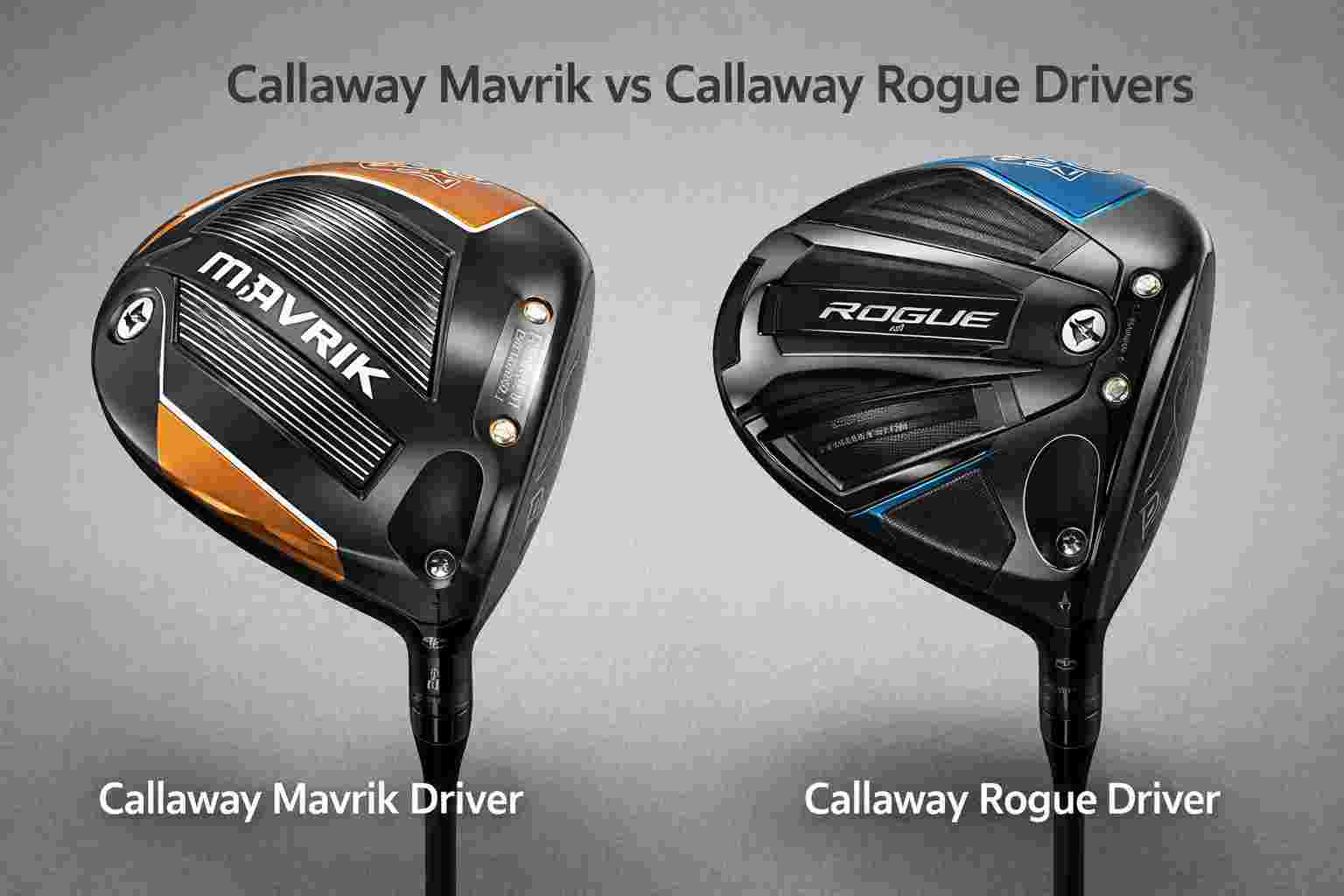
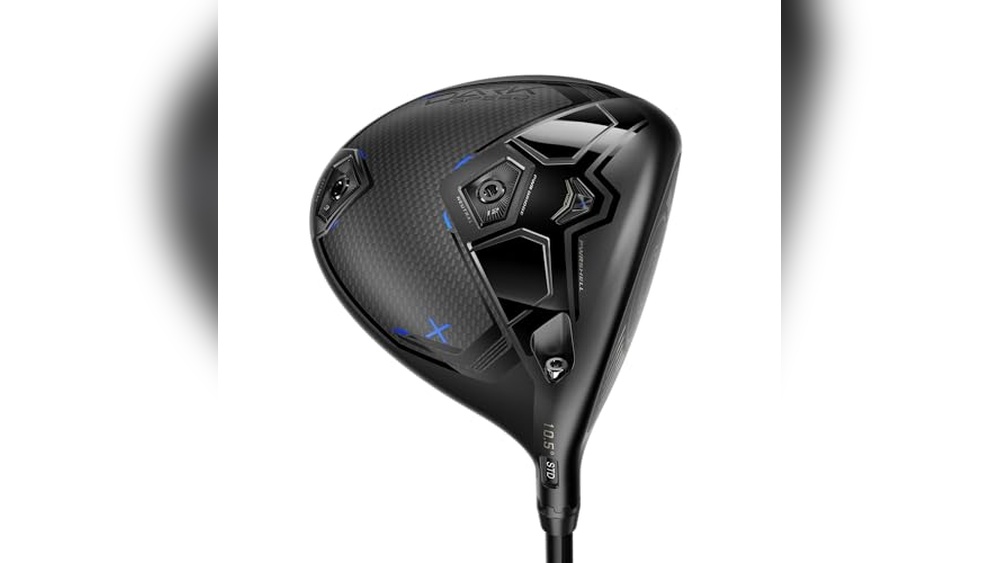
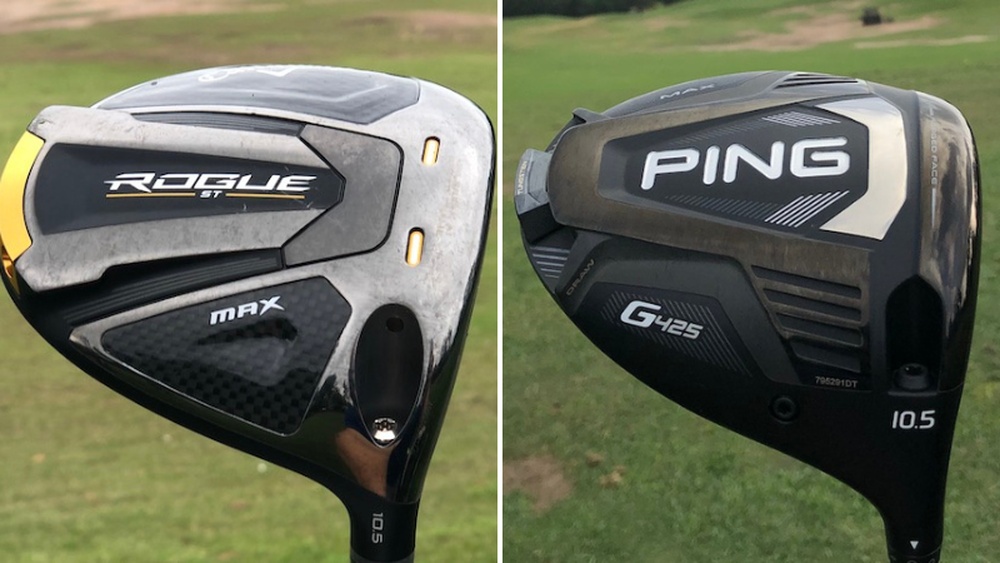
A driver is the longest club in a golf bag. It has a large head and a long shaft. This design helps hit the ball far, usually from the tee box. Drivers are made to maximize distance and speed. Beginners often find drivers challenging but useful.
Driver Vs Other Clubs
Drivers differ from irons and woods by size and purpose. Irons have smaller heads and shorter shafts for control and accuracy. Woods, other than the driver, are used for long shots but have smaller heads. Drivers focus on distance, while other clubs focus on precision. Each club has a specific role on the course.

Credit: gottagogottathrow.com
Beginners And Drivers
Beginners in golf often wonder if they need a driver or can play without it. The driver is the longest club and is used to hit the ball far from the tee. It can help cover more distance on the course. However, using a driver requires some skill and practice. Understanding the benefits and challenges can help beginners decide if they should start with a driver or not.
Benefits Of Using A Driver
The driver helps you hit the ball much farther than other clubs. This can reduce the number of strokes needed to reach the green. It also builds confidence by giving longer shots off the tee. Using a driver can make the game more exciting for beginners. Many courses have longer holes where a driver is useful. Learning to use it early helps improve overall golf skills.
Challenges Beginners Face With Drivers
Drivers are harder to control than shorter clubs. Beginners often struggle with accuracy and consistency. The large clubhead and longer shaft can cause timing problems. Poor swings may lead to slices or hooks, sending the ball off course. This can be frustrating and lower confidence. Some beginners find it easier to start with irons and work up to the driver.
Playing Without A Driver
Playing without a driver is possible for beginners. Many new golfers find it easier to start with other clubs. Drivers can be hard to control and cause frustration. Choosing different clubs helps beginners focus on accuracy and confidence. Skipping the driver can improve your short game skills first. It also reduces the fear of hitting the ball off-target.
Alternative Club Choices
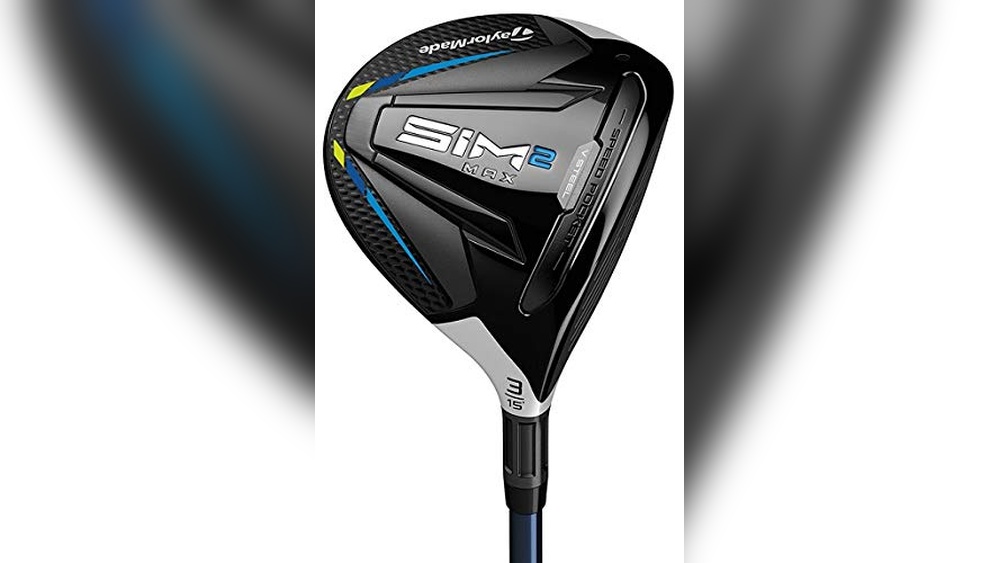
Hybrids are great alternatives to drivers for beginners. They combine features of irons and woods. Hybrids are easier to hit and control. Fairway woods offer good distance without the difficulty of a driver. Irons, especially 5- or 7-irons, help improve swing mechanics. These clubs give better accuracy and more consistent shots. Using wedges can improve short shots around the green. Beginners should try different clubs to find what feels best.
Situations To Avoid Using A Driver
Do not use a driver in tight or narrow fairways. Beginners may struggle to keep the ball straight. Avoid using a driver on windy days. Wind can cause the ball to go off course easily. Do not use a driver when accuracy is more important than distance. For example, near hazards or water. Choose a safer club to avoid penalty strokes. Avoid forcing a driver just because it looks powerful.
Choosing The Right Driver
Choosing the right driver matters for beginners. The driver is the longest club in your bag. It helps you hit the ball far from the tee. Picking a driver that fits your skill level makes playing easier and more fun. Simple features can improve your swing and confidence. Focus on key aspects like driver length and forgiveness to find the best fit.
Driver Length And Adjustments
Driver length affects how you swing and control the ball. Longer drivers can hit the ball further but are harder to control. Shorter drivers offer better control and accuracy. Beginners usually benefit from a shorter driver for easier handling.
Many drivers let you adjust the loft and face angle. Changing these settings helps you find the best ball flight. Adjustments can correct slices or hooks and improve distance. Customizing your driver helps you grow as a player.
Forgiveness And Sweet Spot Importance
Forgiveness means the driver helps reduce the effect of bad hits. A forgiving driver has a larger sweet spot. The sweet spot is the best place to hit the ball on the clubface. Hitting the sweet spot gives more distance and accuracy.
Beginners need forgiveness to keep the ball flying straighter. Forgiving drivers make the game less frustrating. Look for drivers with big sweet spots to boost confidence and improve your game.
Building Confidence On The Course
Building confidence on the golf course is essential for beginners. Feeling sure of your skills helps you enjoy the game more. Confidence reduces tension and makes your swings smoother. It also encourages you to try new shots without fear of failure. The right mindset leads to better focus and faster improvement.
Practice Tips For Beginners
Start with short, easy shots to build control. Practice your grip and stance often. Use a wedge or 7-iron to hit the ball straight. Take time to learn how the ball reacts to different swings. Focus on consistency over power. Keep sessions short but regular to avoid frustration. Practice on the driving range before playing on the course. Visualize each shot before swinging to boost confidence.
When To Introduce The Driver
Begin with irons and short clubs to master basics. Use the driver only after gaining some control. Try the driver on the range, not the course, first. Wait until your swings feel smooth and confident. Introducing the driver too early can cause bad habits. The driver requires good timing and balance. Increase your use of the driver as your confidence grows. Patience helps you handle the driver better and enjoy the game.
Essential Gear For Beginners
Starting golf requires the right gear to enjoy the game and improve skills. Beginners need equipment that is simple and easy to use. Choosing the correct gear helps build confidence on the course. This section covers the essential items to begin with.
Clubs To Start With
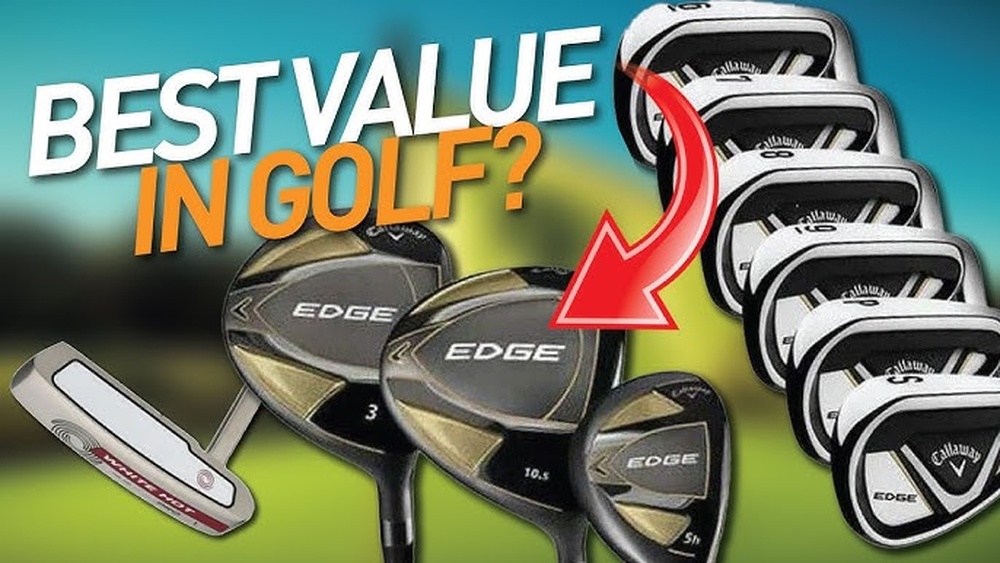
Beginners do not need a full set of clubs. A basic set includes a few important clubs. Start with a driver, a couple of irons, a wedge, and a putter. The driver helps with long shots, but you can practice without it at first. Irons cover medium distances and offer control. A wedge helps with short, accurate shots near the green. The putter is used on the green to finish the hole. Choose clubs that feel comfortable and have a forgiving design to help with mishits.
Additional Equipment Must-haves
Besides clubs, some other gear is necessary for beginners. A golf bag keeps all equipment organized and easy to carry. Golf balls are essential; buy a dozen to start practicing. Tees raise the ball for drives, and gloves improve grip, especially on the non-dominant hand. Comfortable shoes provide stability and traction on the course. A towel is useful for cleaning clubs and balls. Sun protection like hats and sunscreen helps during long hours outside. Simple gear can improve comfort and performance for new players.
Expert Strategies
Expert strategies help beginners improve their golf game quickly. These tips focus on smart decisions rather than power. Playing without a driver is possible, but knowing how to manage the course and select shots can boost confidence and results.
Course Management Tips
Understand the layout before each round. Walk the course or study a map to spot hazards and safe zones. Aim for wider fairways and avoid risky areas. Play to your strengths with clubs you control well. Take it slow and steady, focusing on accuracy. Avoid trying to hit the ball as far as possible every time. Plan each hole with a clear target in mind.
Shot Selection Advice
Choose shots that match your skill level and comfort. Use irons or hybrids for better control over distance. Avoid the driver if accuracy is a concern early on. Practice short shots to build confidence near the green. Know when to play safe and when to attempt longer shots. Focus on smooth, controlled swings rather than power. Adjust your shot choice based on weather and course conditions.

Credit: mycbrc.com
Frequently Asked Questions
Do I Need A Driver As A Beginner Golfer?
Beginner golfers benefit from using a driver to achieve longer shots off the tee. It helps build confidence and distance. However, starting with a fairway wood or hybrid can ease learning. Choose clubs that feel comfortable and focus on consistent, controlled swings for better results.
How Many Driving Lessons Does A Beginner Need?
Beginners typically need 20 to 40 driving lessons to learn basic skills and gain confidence. Individual progress varies.
What Does A Beginner Need To Play Golf?
A beginner needs basic clubs (driver, irons, putter), golf balls, tees, glove, comfortable shoes, and appropriate clothing to play golf.
What Is The 70/30 Rule In Golf?
The 70/30 rule in golf means aiming to hit 70% of fairways and 30% of greens in regulation. It balances accuracy and scoring opportunities.
Conclusion
Beginners can play golf without a driver, but it helps improve distance. Starting with simpler clubs builds confidence and control first. The driver can feel hard to use at first. Practice with irons and woods to develop consistency. Over time, adding a driver will boost your game.
Focus on comfort and enjoyment while learning golf basics. Playing regularly helps you understand which clubs suit you best. Keep your gear simple and upgrade as you progress. Golf is about patience, practice, and having fun on the course.