Why Can I Hit My Driver But Not My Irons: Expert Tips 2026

Have you ever wondered why you can confidently crush your driver off the tee but struggle to make solid contact with your irons? You’re not alone.
Many golfers face this frustrating dilemma, where the club that should be easier to control—the irons—ends up feeling like a mystery, while the driver seems to deliver better results. The truth is, hitting a driver and hitting irons require different swings, setups, and mindsets.
Understanding these differences can unlock consistency and help you lower your scores. You’ll discover the key reasons behind this common problem and practical tips you can use right away to improve your iron play and bring balance to your game. Keep reading to turn those iron struggles into your next strength.
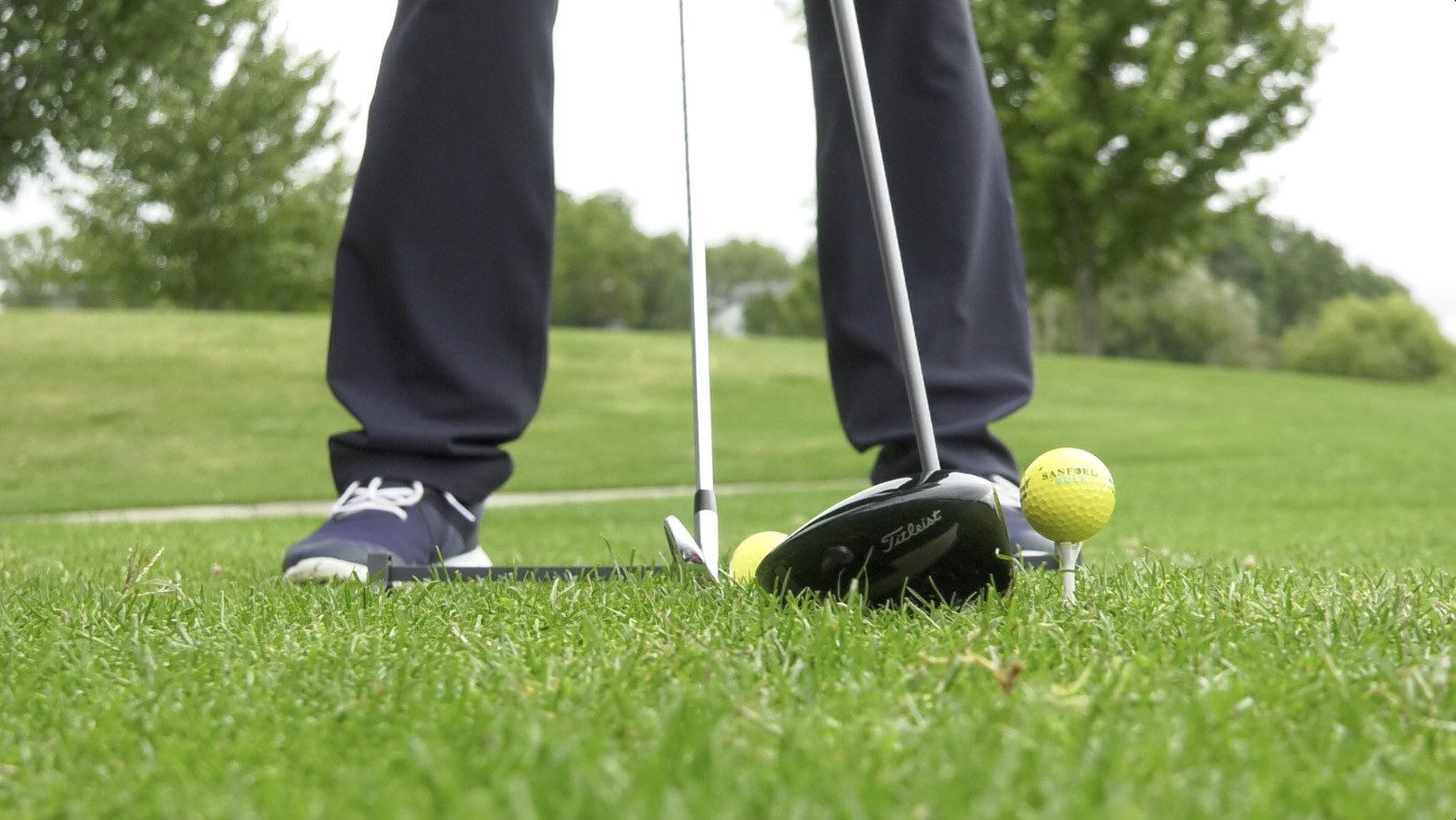
Credit: usgolftv.com
Driver Vs Iron Swing Differences
Hitting your driver well but struggling with irons is common. The swings for these clubs differ in key ways. Understanding these differences helps improve your iron shots. Each club demands a unique approach and technique.
Swing Plane And Angle Of Attack
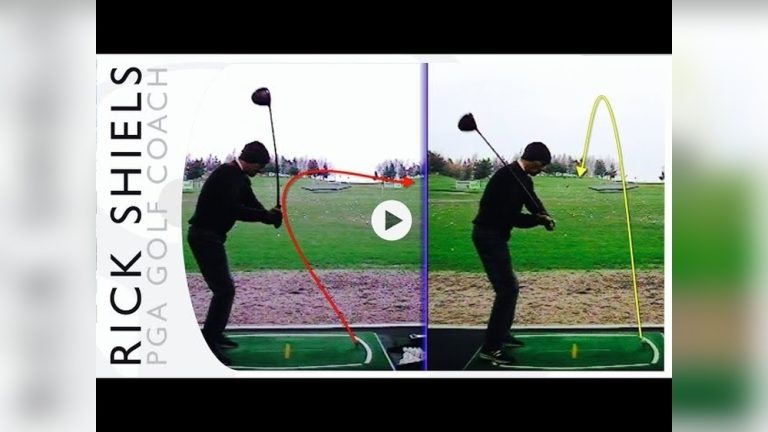
The driver requires a flatter swing plane. You swing more around your body. The angle of attack is usually upward to launch the ball high and far. Irons need a steeper swing plane. You swing more downwards to strike the ball cleanly. The angle of attack with irons is downward to compress the ball against the turf. This makes hitting irons harder for many players.
Club Length And Setup Variations
The driver is the longest club in your bag. It has the lowest loft and requires a wider stance. You tee the ball up high for easier contact. Irons are shorter with higher lofts and need a narrower stance. You place the ball on the ground. These setup changes affect your posture and swing path. Switching from driver to irons needs adjustment in your setup and balance.
Impact Location And Ball Contact
Driver contact happens mostly on the clubface’s sweet spot. You want to hit the ball slightly on the upswing. Irons require hitting the ball first, then the ground. This creates a divot and helps control distance and spin. Irons demand more precise contact and timing. Missing the ball or hitting the turf too early causes poor shots. This is why irons can feel harder to hit well.
Common Swing Flaws Affecting Irons
Many golfers find their irons harder to hit than their driver. This often comes from common swing flaws. These mistakes affect iron shots more than driver shots. Fixing these can improve your iron play quickly.
Too Much Arm Reliance
Relying too much on your arms causes inconsistency with irons. Arms alone cannot control the club well. This leads to poor contact and weak shots. Using your body and legs helps create a stable swing. It also gives more power and control.
Improper Weight Transfer
Failing to transfer weight properly hurts iron shots. Weight should move from back foot to front foot during the swing. Without this, you lose balance and power. It also makes hitting down on the ball difficult. Correct weight shift improves ball striking and distance.
Inconsistent Club Path
Iron shots require a consistent club path for accuracy. Swinging too inside or outside causes slices and hooks. Driver shots forgive some path errors because of the club’s length. Irons demand a straighter path for solid contact. Practicing a repeatable swing plane helps keep shots on target.
Equipment Factors Influencing Performance
Equipment plays a big role in how well you hit your golf clubs. The driver and irons have different designs. These differences affect your swing and ball flight. Understanding equipment factors can explain why your driver feels easier to hit than your irons.
Small mismatches in your clubs can cause big problems. The shaft flex, club length, loft, lie angle, grip size, and club head design all matter. Getting the right fit helps improve your consistency and control.
Incorrect Shaft Flex And Length
Shaft flex affects how the club bends during your swing. A shaft that is too stiff or too soft changes your timing. Your driver may have the right flex, but your irons might not. Length also matters. Longer or shorter clubs change your swing path. Irons with wrong length can cause poor contact and direction.
Loft And Lie Angle Mismatches
Loft changes the angle of the clubface. It controls how high and far the ball goes. Irons with incorrect loft can make shots fly too low or too high. Lie angle is the angle between the shaft and the ground. If the lie is too flat or upright, the ball won’t go straight. These mismatches can make irons harder to hit than the driver.
Grip Size And Club Head Design
Grip size affects your hand comfort and control. Grips too big or too small lead to tension and poor swings. Club head design also differs between drivers and irons. Drivers have larger heads with more forgiveness. Irons have smaller heads, demanding better accuracy. If you are used to your driver’s feel, irons might feel tougher to hit well.

Credit: mygolfspy.com
Ball Flight Patterns And Control
Understanding ball flight patterns and control is key to improving your golf shots. Drivers and irons behave differently due to their design and how you swing them. Drivers often create longer, more powerful shots but can be harder to control. Irons offer better accuracy and consistency but require precise contact. Knowing these differences helps explain why you might hit your driver well but struggle with your irons.
Why Drivers Tend To Slice More
Drivers have a larger clubhead and longer shaft. This makes the swing path wider and less controlled. The low loft on drivers also means the ball spins less, increasing side spin. Side spin causes the ball to curve in the air, often resulting in a slice. Slicing happens when the clubface is open relative to the swing path at impact. The driver’s size and speed make these errors more visible.
Irons And Their Forgiveness On Shots
Irons have higher lofts and smaller clubheads. This design helps lift the ball more easily and produce straighter shots. Irons also offer more feedback on contact, so you can feel mishits. The shorter shaft of irons improves control and timing. Some irons are designed with perimeter weighting, which makes them more forgiving. This forgiveness helps keep shots closer to your target despite minor errors.
Spin Rates And Their Effects
Spin rate affects how the ball reacts after it leaves the clubface. Irons generate more backspin because of their loft and sharper grooves. This backspin helps the ball stop quickly on the green. Drivers produce lower spin rates, which can cause the ball to roll more after landing. Too much spin with irons can cause the ball to balloon or lose distance. Too little spin with drivers can lead to less control and more side spin.
Practice Strategies For Better Irons
Improving your iron shots requires focused practice and smart strategies. Unlike the driver, irons demand precise contact and controlled swing paths. Practicing with purpose helps build better consistency and confidence. Use targeted drills and swing adjustments to enhance your iron play.
Drills To Improve Contact Consistency
Start with simple drills to hit the ball cleanly. Place a small towel a few inches behind the ball to avoid hitting the ground first. Practice striking the ball before the towel. This trains you to make solid contact. Another drill is to hit half swings focusing on crisp, pure strikes. Repeat this often to build muscle memory. Consistent contact leads to better distance and accuracy.
Adjusting Swing Path For Irons
Irons require a slightly different swing path than the driver. Focus on swinging more downward into the ball. This creates a better divot and proper ball flight. Try aiming slightly left of your target if you tend to slice. Keep your hands ahead of the ball at impact. Check your clubface alignment regularly. Small changes in swing path can improve your iron shots dramatically.
Building Confidence With Mid And Short Irons
Spend extra time practicing mid and short irons. These clubs are easier to control and build confidence. Start by hitting targets at different distances on the range. Visualize the shot before swinging. Use smooth, controlled swings and focus on solid contact. Confidence grows with repeated success. Trust your irons more during your rounds by practicing this way.
Tips From Golf Experts
Golf experts share clear tips to help you hit irons as well as your driver. Understanding key adjustments can improve your iron shots. Small changes in setup, timing, and mindset make a big difference.
Focus on basics and practice with purpose. These tips help you gain control and confidence with your irons.
Aligning Setup For Both Clubs
Experts say your stance should match the club you use. For irons, stand closer to the ball than for the driver. Keep your feet shoulder-width apart for irons. Slightly wider stance suits the driver.
Ball position also changes. Place the ball in the center for irons and more forward for the driver. Proper alignment helps you strike the ball cleanly. Check your grip pressure. Too tight can cause tension and poor shots.
Timing And Rhythm Adjustments
Golf pros stress smooth rhythm over power. Swinging too hard with irons leads to mistakes. Use a controlled tempo and let the club do the work. The driver swing is longer and more flowing.
With irons, focus on a shorter, sharper swing. Practice syncing your body and club movement. Good timing creates solid contact and better accuracy.
Mental Approach To Switching Clubs
Experts highlight the mental shift needed between driver and irons. Treat each shot differently. Drivers call for confidence and a full swing. Irons demand precision and focus on the target.
Stay calm and visualize your shot before swinging. Avoid rushing your swing or overthinking. Trust your practice and keep a positive mindset.

Credit: www.youtube.com
Frequently Asked Questions
Why Can’t I Hit My Irons Properly?
You struggle hitting irons because they require a steeper, more precise swing angle than drivers. Poor contact, wrong swing path, or incorrect club setup often cause inconsistency. Practicing proper technique and adjusting your stance can improve your iron shots significantly.
Why Is It Harder To Hit A Driver Than Irons?
Hitting a driver is harder because it has lower loft, longer shaft, and requires a flatter swing. These factors increase error margins and ball direction variability compared to irons.
Why Can I Hit All My Clubs Except Driver?
You may struggle with your driver due to wrong loft, shaft flex, or swing path. Drivers require a flatter, more consistent swing than irons.
Why Do I Slice My Driver But Pull My Irons?
You slice your driver but pull irons because your driver swing is flatter and more out-to-in, while irons require a steeper, downward angle of attack. This difference changes club path and face angle, causing opposite shot shapes with each club.
Conclusion
Hitting your driver well but struggling with irons is common. Drivers and irons require different swings and angles. Focus on consistent contact and proper ball position. Practice with irons to develop a controlled, downward strike. Small adjustments in technique can improve iron shots quickly.
Patience and practice help you balance both clubs. Keep working on fundamentals for steady progress. Your iron game will improve with time and effort.