Why Long Irons Are So Hard To Hit: Secrets Revealed

Have you ever stepped up to the tee with a long iron in your hands, only to feel a mix of anxiety and frustration? You’re not alone.
Many golfers find long irons to be the toughest clubs in their bag to hit well. But why is that? What makes these clubs so challenging to master compared to your short irons or hybrids? Understanding the unique difficulties of long irons can unlock the secret to better shots, improved confidence, and lower scores.
You’ll discover exactly what makes long irons so hard to hit—and how you can overcome those hurdles to play smarter and straighter. Keep reading to transform your approach and finally start hitting your long irons with consistency and power.

Credit: www.reddit.com
Long Irons Basics
Long irons are some of the toughest clubs to use in golf. They require skill and precision. Understanding their basics helps improve your game. These clubs combine length and low loft. This makes them harder to control and hit well.
Long irons cover the distance between woods and short irons. They demand a solid swing and perfect contact. Knowing their key features and how they differ from short irons is important.
Design Features
Long irons have longer shafts than short irons. This helps increase swing speed and distance. Their clubheads are smaller than woods but bigger than short irons. The loft angle is lower, which means the ball flies lower and farther.
These irons have a thinner face. This makes them less forgiving on off-center hits. The center of gravity is deeper and lower to help launch the ball. However, the smaller sweet spot demands better precision from the golfer.
Differences From Short Irons
Short irons have higher lofts and shorter shafts. This makes them easier to control and hit higher shots. Their clubheads are bigger and more forgiving. They help players make accurate, shorter shots.
Long irons need more swing speed to achieve good distance. The ball flight is lower and requires solid contact. Mistakes with long irons usually cause bigger misses. Short irons allow more margin for error and better stopping power on greens.

Credit: www.youtube.com
Challenges Of Long Irons
Long irons bring unique challenges that make them tough for many golfers. Their design demands precise timing, solid contact, and proper swing mechanics. These factors create a steeper learning curve compared to short irons or hybrids. Understanding these challenges helps golfers improve their long iron shots.
Longer Shaft Impact
Long irons have longer shafts than other clubs. This length makes controlling the club harder during the swing. Small errors at the grip end cause bigger mistakes at the clubhead. It becomes difficult to keep the club on the correct path. Balance and rhythm also suffer due to the longer shaft.
Lower Loft Effects
The loft on long irons is lower than on shorter irons. Lower loft means the ball launches at a flatter angle. This reduces the margin for error on contact. Shots often fly lower and roll more. Mishits are more punishing, sending the ball off line or short of the target.
Required Clubhead Speed
Long irons need faster clubhead speed for good distance. Slower swings cause the ball to fall short or stay low. Generating enough speed takes strength and skill. Many players struggle to create this speed consistently. Without it, the ball lacks height and distance.
Common Swing Issues
Long irons often challenge golfers due to common swing issues. These problems affect contact, control, and ball flight. Understanding these issues helps improve your game.
Angle Of Attack
The angle of attack is how the club moves through the ball. With long irons, many players hit too steeply. This causes the club to dig into the ground, leading to fat shots. A shallow angle helps sweep the ball cleanly. It produces better contact and distance.
Ball Positioning
Ball position affects the club’s path and strike. Placing the ball too far back causes heavy contact. The club hits the ground before the ball. Too far forward, and the face may open, causing slices. The ball should be near the center or slightly forward in your stance. This position promotes solid, consistent hits.
Swing Path
Swing path controls the ball’s direction and flight. A common issue is an outside-in path. This path leads to slices or pulls. Long irons need a more inside-out path for straighter shots. Practicing a smooth, controlled swing path improves accuracy and confidence.
Effect Of Contact Quality
The quality of contact plays a big role in hitting long irons well. Unlike short irons, long irons have less loft and longer shafts. This design makes it harder to hit the ball cleanly. Even small mistakes in contact cause big changes in ball flight and distance. Understanding how contact quality affects your shot can help you improve your long iron play.
Mishits And Their Consequences
Mishits happen when the ball does not hit the center of the clubface. With long irons, mishits are common due to their smaller sweet spot. A shot hit too low on the face leads to low ball flight and less distance. Shots hit too high cause weak shots that lack control. Mishits also cause the ball to spin incorrectly, making it harder to aim. Each mishit reduces the chance of a good shot with long irons.
Forgiveness Of Long Irons
Long irons offer less forgiveness compared to other clubs. Their design focuses on distance, not error correction. The longer shaft increases clubhead speed but also increases the chance of off-center hits. Modern long irons try to add forgiveness through cavity backs and wider soles. Still, they require better contact and precise swings. Players need to focus on consistent contact to get the best from their long irons.
Comparison With Hybrids And Fairway Woods
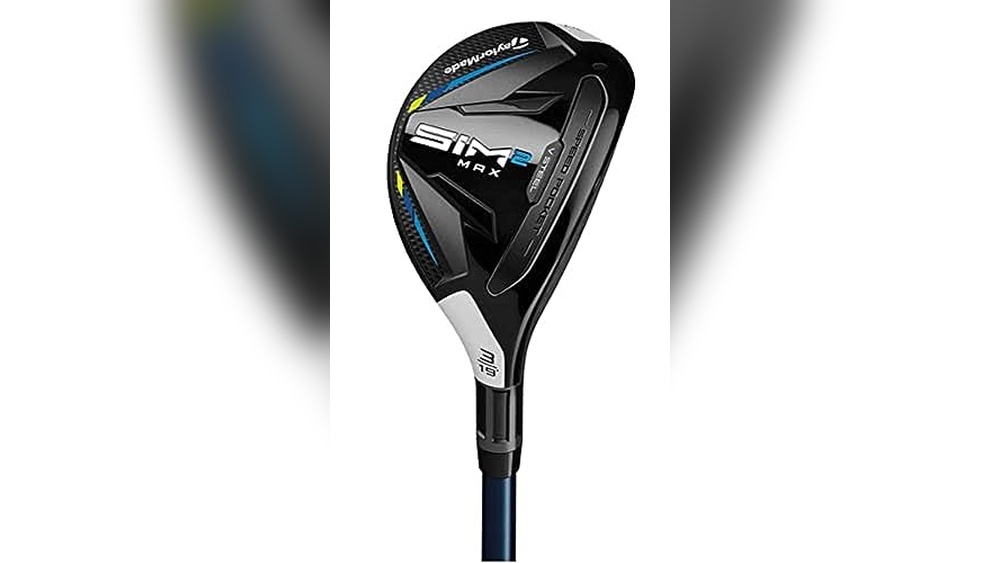
Long irons often cause trouble for many golfers. Their narrow clubface and low loft make clean contact tough. The long shaft adds complexity, requiring precise timing and speed. Comparing long irons to hybrids and fairway woods shows why these alternatives feel easier and more forgiving.
Hybrids and fairway woods have larger clubheads. This design increases the sweet spot size and reduces mishits. Their higher lofts help get the ball airborne faster and with more height. The shaft length is usually shorter, making the swing easier to control. These factors combine to make hybrids and fairway woods more user-friendly for many players.
Easier Alternatives
Hybrids replace long irons for many golfers. They have a lower center of gravity, promoting better ball flight. Fairway woods offer similar benefits, with a larger hitting area and more forgiveness. These clubs reduce the chance of fat or thin shots. The design helps players get consistent distance and accuracy.
When To Use Hybrids
Hybrids work well from the rough or fairway. Their shape helps glide through grass with less resistance. Golfers use hybrids on long approach shots and tricky lies. They perform better than long irons in many situations. Choosing hybrids can improve confidence and shot consistency for most players.

Credit: www.reddit.com
Tips To Improve Long Iron Play
Improving your long iron play takes focus and practice. Small changes can make a big difference. Here are key tips to help you hit long irons more consistently and with better control.
Adjusting Setup
Position the ball slightly forward in your stance. This helps create a better angle of attack. Keep your feet shoulder-width apart for balance. Tilt your spine slightly away from the target. This encourages a shallow swing path. Make sure your hands are just ahead of the ball at address. A proper setup sets the stage for solid contact.
Shallowing The Shaft
A steep swing causes thin or fat shots with long irons. Work on shallowing the shaft during your downswing. This means the clubhead approaches the ball on a more horizontal path. Practice drills that promote shoulder turn and hip rotation. This helps the club swing around your body smoothly. A shallow shaft angle leads to better contact and ball flight.
Increasing Swing Speed
Long irons require more speed to launch the ball well. Focus on smooth acceleration through impact. Avoid swinging too hard early in the backswing. Use your core and hips to generate power. Strength training can improve your clubhead speed. Faster swings create higher ball speeds and longer shots with long irons.
Club Technology Advances
Club technology has changed a lot over the years. These changes affect how golfers hit long irons. Understanding these advances helps explain why long irons remain hard to hit well.
Manufacturers use new materials and designs to improve club performance. Yet, long irons still need skill and practice to master. Let’s explore how modern designs and technology impact long iron play.
Modern Long Iron Designs
Modern long irons have thinner faces and stronger lofts. They use materials like titanium and carbon to reduce weight. This allows more weight around the clubhead edges. The perimeter weighting increases forgiveness on off-center hits.
The club shape has also changed. Long irons now often have wider soles. This helps prevent digging into the turf. The shafts are lighter and more flexible to help increase swing speed.
Impact On Performance
These design changes help golfers hit the ball higher and farther. They make it easier to launch the ball with less effort. However, the longer shaft still requires precise timing and control.
Long irons demand a smooth, controlled swing to hit consistently. Mishits are more punishing because of the lower loft and longer length. The technology improves performance but cannot fully remove the difficulty.
Practice Strategies
Practice strategies play a key role in improving your long iron shots. These clubs are tough because of their length and low loft. Regular practice helps you build the right skills and confidence. Focused drills can make your swing more consistent. Confidence lets you strike the ball cleanly and with control. Below are some simple yet effective practice methods to help you hit long irons better.
Drills For Consistency
Start with slow, smooth swings to find your rhythm. Practice hitting the ball from different lies and stances. Use alignment sticks to check your body and clubface position. Try the “pause and go” drill: pause at the top of your swing, then smoothly complete it. This drill improves timing and balance. Repeat these drills often to develop muscle memory. Consistent contact comes from steady, practiced motion.
Building Confidence
Confidence grows by setting small goals during practice. Begin by hitting shorter shots with your long irons. Focus on solid contact rather than distance at first. Celebrate small improvements, like a straighter shot or better ball flight. Visualize successful shots before you swing. Practice in calm, quiet conditions before playing on the course. Confidence reduces tension and helps you swing freely. Trust your swing and the club will work better for you.
Frequently Asked Questions
Are Longer Irons Harder To Hit?
Longer irons have longer shafts and lower loft, making them less forgiving and harder to control. They require higher swing speed and precise contact for consistent shots.
How To Hit Long Irons Easier?
Place the ball near your front foot’s center. Use a wide-narrow-wide swing for clean contact. Shallow the shaft to increase shoulder and hip rotation. Focus on smooth tempo and solid contact to improve long iron shots.
Why Can’t I Hit My Irons Very Far?
You can’t hit irons far due to low swing speed, poor contact, and insufficient loft. Improve technique and clubhead speed.
How Far Can The Average Person Hit A 5 Iron?
The average person hits a 5 iron about 160 to 180 yards. Distance varies by swing speed, technique, and club quality.
Conclusion
Long irons challenge many golfers due to their length and low loft. They need more swing speed and precise contact to perform well. Small errors cause bigger problems compared to shorter irons. Practicing proper setup and swing can help improve consistency.
Patience and focused practice are key to handling long irons better. Understanding these difficulties makes it easier to accept and work through them. Keep practicing and stay confident; improvement will come with time.