What Is A Tight End In Football: Ultimate Guide 2026

Have you ever watched a football game and wondered what exactly a tight end does on the field? If you’re curious about this unique position, you’re in the right place.
The tight end is one of the most versatile players in football, blending the skills of both a receiver and a blocker. Understanding what a tight end is and why they’re so important can completely change the way you watch the game.
Stick with me, and by the end of this article, you’ll see why tight ends are often the secret weapons teams rely on to win big. Ready to dive in? Let’s break down what a tight end really is and how they impact every play.
Tight End Basics
The tight end is a unique position in football. It blends the skills of a receiver and a blocker. Tight ends play a vital role on offense. Understanding the basics helps you appreciate their importance.
They line up close to the offensive line and can catch passes or block defenders. Their versatility makes them valuable in many situations.
Position On Field
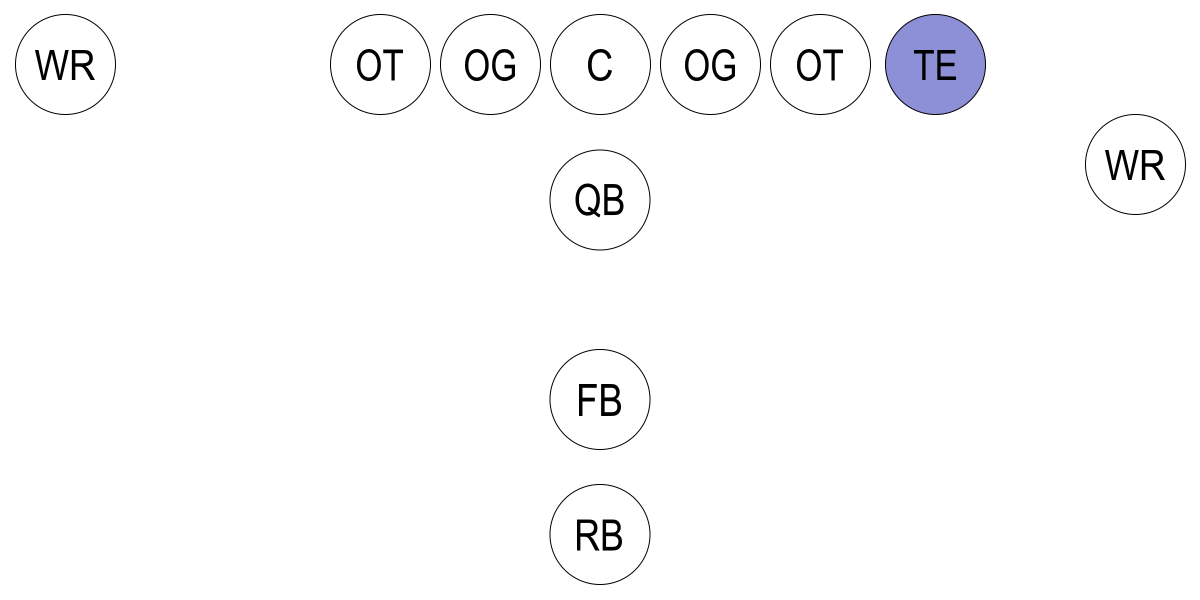
Tight ends usually line up next to the offensive tackle. They stand on the line of scrimmage but at the edge. This spot allows them to block or run routes. Sometimes, they line up slightly behind the line. This gives them space to catch passes or block linebackers.
Name Origin
The name “tight end” comes from their position on the line. They are “tight” to the offensive line, close together. This contrasts with wide receivers who line up far from the line. The term describes both their location and role. It highlights their dual blocking and receiving duties.
Primary Responsibilities
Tight ends have two main jobs. First, they block defenders to protect the quarterback or open paths for runners. Second, they catch passes as receivers. Their size helps them block well. Their speed and hands help in catching the ball. Coaches use tight ends in many ways to confuse defenses.
Offensive Role
The tight end plays a key role in the offense. This position blends the skills of both linemen and receivers. Tight ends help the team move the ball forward by blocking and catching passes. Their versatility makes them valuable in many plays. Understanding their offensive role reveals how they impact the game.
Blocking Duties
Tight ends often block defenders to protect the quarterback. They also create paths for running backs. Their size and strength help stop defensive players. Blocking is crucial for successful running plays. Tight ends must read the defense and adjust quickly.
Receiving Threat
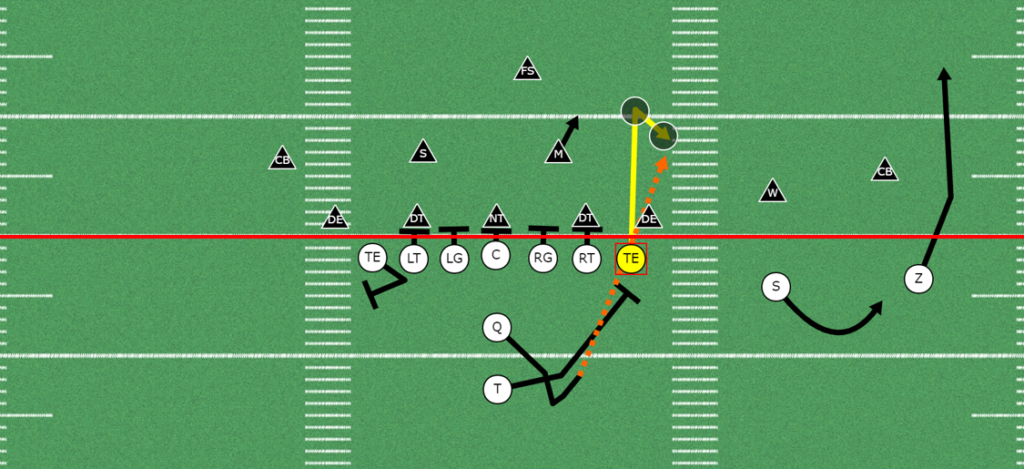
Tight ends run routes to catch passes. They often line up close to the offensive line. Their size makes them tough to cover by defenders. Tight ends can catch short or deep passes. They provide a reliable target for the quarterback.
Run And Pass Plays
Tight ends support both run and pass plays. On running plays, they block or lead the way. On passing plays, they act as receivers or blockers. Their dual role keeps defenses guessing. This makes the offense more flexible and effective.
Physical And Mental Traits
The tight end plays a unique role in football. This position requires a mix of physical power and sharp mental skills. The physical and mental traits of a tight end help them block, catch, and run routes effectively.
These players must be strong and fast. They also need to understand the playbook well. Let’s explore the key traits that make a great tight end.
Size And Strength
Tight ends are usually large and muscular. Their size helps them block defenders and protect the quarterback. Strength allows them to fight through tackles and hold their ground.
A good tight end weighs around 240 to 260 pounds. They must be strong enough to block defensive linemen and linebackers. This power is essential in both running and passing plays.
Agility And Speed
Despite their size, tight ends need agility. They run routes to catch passes and evade defenders. Quick feet and good balance help them change direction fast.
Speed is also important. Tight ends often run short to mid-range routes. They must get open quickly and create space. Fast tight ends can be a big threat in the passing game.
Football Iq
Tight ends must know the game well. They read defenses to adjust routes and blocking schemes. High football IQ helps them react to defenders’ moves.
Understanding the playbook is key. Tight ends must remember many plays and assignments. This mental skill helps them stay one step ahead during the game.
Credit: en.wikipedia.org
Tight End Skills
The tight end position demands a unique blend of skills. Players must excel in both offense and blocking roles. Their versatility makes them key contributors on the field. Understanding these skills reveals why tight ends are valuable assets.
Route Running
Tight ends run precise routes to create scoring chances. They must read defenses and adjust paths quickly. Speed and agility help them get open for passes. Good route running makes tight ends reliable targets.
Blocking Techniques
Blocking is a crucial skill for tight ends. They protect the quarterback and create running lanes. Strong hands and body control help them hold blocks. Effective blocking supports both passing and rushing attacks.
Catching Ability
Tight ends must catch passes under pressure. They use strong hands and good timing to secure the ball. Catching in tight spaces requires focus and coordination. Reliable catching turns tight ends into trusted receivers.
Tight End In Different Formations
The tight end is a versatile player in football. Their role changes based on the formation used by the offense. Different formations use the tight end to create advantages in blocking, passing, or both. Understanding these setups helps explain the tight end’s importance on the field.
Traditional Setups
In traditional formations, the tight end lines up next to the offensive tackle. They act mainly as blockers for the running game. Their job is to block defenders and open paths for the running back. They also serve as a short-yardage receiver, catching quick passes near the line of scrimmage. This classic role balances blocking and receiving duties.
Modern Variations
Modern offenses use tight ends more flexibly. Some line up away from the line of scrimmage, like wide receivers. This spreads the defense and creates mismatches. Others stay close to block but also run routes downfield. These formations force defenses to cover tight ends with linebackers or defensive backs. It increases the offense’s passing and running options.
Impact On Offense
The tight end’s position changes how an offense plays. In tight formations, they strengthen the running game. In spread formations, they add a reliable receiving threat. Defenses must guess if the tight end will block or catch a pass. This uncertainty helps the offense control the game tempo. Tight ends provide balance and unpredictability to offensive schemes.

Credit: en.wikipedia.org
Famous Tight Ends
Tight ends have shaped football with their unique blend of size, speed, and skill. Some have become legends, inspiring young players and fans alike. Their impact goes beyond stats, influencing how teams use the position today.
Many tight ends have left a lasting mark in the NFL and college football. Their stories show why the role is crucial on offense. The following sections highlight famous tight ends from different eras and levels of play.
Nfl Legends
Several tight ends changed the game in the NFL. Tony Gonzalez is one of the best, known for his hands and route running. Rob Gronkowski brought power and personality, winning multiple Super Bowls. Shannon Sharpe was a pioneer, combining speed and toughness. These players set records and redefined the position.
Current Stars
The tight end position remains strong with current stars. Travis Kelce stands out with his agility and football IQ. George Kittle mixes blocking and catching with great intensity. Mark Andrews is a reliable target with excellent hands. These players shape offenses and draw heavy defenses.
College Standouts
College football produces many tight ends who shine early. Kyle Pitts wowed fans with his athleticism and catching ability. Brock Bowers is a young talent known for his quickness and size. These players often become first-round NFL picks. Their college careers show the tight end’s growing importance.
Training Tips For Tight Ends
Training is key for tight ends to perform well on the field. They need to build strength, improve skills, and prepare mentally. Each area helps tight ends handle both blocking and receiving duties effectively.
Strength Conditioning
Tight ends must develop strong muscles for blocking defenders. Focus on weightlifting exercises like squats, deadlifts, and bench presses. These build power in legs, core, and upper body.
Include explosive movements such as cleans and snatches. These improve speed and strength for quick plays. Don’t forget to train grip strength for better ball control.
Skill Drills
Work on catching with one and two hands during drills. Practice running routes precisely to create separation from defenders. Use cone drills to improve agility and footwork.
Also, practice blocking techniques against different opponents. Learn to read defensive moves and adjust your position fast. Repetition builds confidence and consistency in skills.
Game Preparation
Watch game film to understand opponent defenses and tendencies. Visualize your role in different plays to react faster during the game. Focus on breathing and mental calmness before matches.
Follow a consistent routine to stay physically and mentally ready. Proper nutrition and rest improve performance and recovery. Tight ends must be alert and strong for every snap.
Credit: youthfootballonline.com
Challenges Of The Position
The tight end position in football is one of the toughest roles on the field. Players must handle many different tasks during a game. This creates unique challenges that test both body and mind.
Tight ends need strength to block defenders and speed to catch passes. They also must understand complex plays and react quickly to changing situations. This combination of skills makes the position demanding and rewarding.
Physical Demands
Tight ends face powerful defenders every play. They block defensive linemen and linebackers who weigh over 250 pounds. This requires great strength and tough physical conditioning.
Besides blocking, tight ends run routes and catch the ball. They must be fast and agile to avoid defenders. The position needs a rare mix of power and speed that few players have.
Mental Pressure
Tight ends must learn many plays and know their role in each. They read defenses to find openings and adjust quickly. This mental focus helps the offense succeed.
Mistakes can cost the team big yards or points. Tight ends face pressure to perform well in tough game moments. Staying calm and focused is key to success.
Versatility Requirements
Tight ends must do many jobs on the field. They block like offensive linemen and catch like wide receivers. This versatility makes them valuable but also adds pressure.
Coaches expect tight ends to switch roles during plays. They must master both blocking and receiving skills. This wide skill set challenges players to be complete athletes.
Tight End Evolution
The role of the tight end in football has changed a lot over time. This position started mainly as a blocker and now plays a key part in offense. The tight end is both a receiver and a blocker. This makes the player very valuable for teams.
Understanding how the tight end evolved helps fans see its importance today. The changes reflect shifts in football strategies and player skills. The tight end keeps adapting to new styles of play.
Historical Role Changes
At first, tight ends focused mostly on blocking for the run game. They lined up close to the offensive line to help protect the quarterback. Receiving was a small part of their job. The players were bigger and stronger but not as fast.
Over the decades, coaches started to use tight ends more in passing plays. This added a new layer of offense. Tight ends began catching more passes and running routes. They became more versatile and athletic.
Rise In Passing Game
The modern tight end is a key target in the passing game. Teams use them to stretch the defense and create mismatches. Tight ends often catch short and medium passes. Their size helps in tight coverage and blocking after the catch.
Quarterbacks rely on tight ends for safe and reliable catches. This helps in critical situations like third downs. Tight ends also help open space for wide receivers. Their dual role makes offenses harder to predict.
Future Trends
The future of tight ends looks fast and flexible. New players combine size, speed, and catching skills. Teams want tight ends who can line up in many spots on the field. This creates more options for offensive plays.
Technology and training improve tight end skills every year. The position will keep evolving with new tactics. Fans can expect tight ends to be even more important in football’s future.
Frequently Asked Questions
What Is The Hardest Position In Football?
The hardest football position is often the quarterback due to mental pressure and decision-making. Cornerbacks also face intense physical and technical challenges. Both require exceptional skill, focus, and athleticism, making them the most demanding roles on the field.
Why Do They Call Them Tight Ends?
They call them tight ends because they line up close, or “tight,” to the offensive line’s end. This position blocks and catches passes.
Who Is The Nfl’s Best Tight End?
Travis Kelce is widely regarded as the NFL’s best tight end for his consistent elite receiving and blocking skills.
What Is The Difference Between A Tight End And A Running Back?
A tight end blocks and catches passes, blending offensive line and receiver roles. A running back primarily runs with the ball and catches short passes. Tight ends are bigger for blocking; running backs focus on speed and agility to gain yards.
Conclusion
The tight end plays a key role in football offense and defense. They block defenders and catch passes too. This position requires strength, speed, and good hands. Tight ends help both the run and pass game. Understanding their duties helps you enjoy football more.
Now you know what a tight end is and why they matter.