What Is A Blitz In Football: Ultimate Guide 2026

Have you ever watched a football game and suddenly seen a defensive player sprinting wildly toward the quarterback? That intense, all-out rush is called a blitz.
But what exactly is a blitz in football, and why does it matter so much to your team’s defense? Understanding this powerful move can change how you watch the game and appreciate the strategy behind every play. You’ll discover what a blitz is, how it works, and why it’s both a risky gamble and a game-changing tactic.
Ready to dive in and see how defenses shake things up on the field? Let’s break down the blitz together.
Blitz Basics
Understanding the basics of a blitz helps football fans appreciate defensive strategies better. A blitz is a planned move by the defense to pressure the quarterback quickly. It forces the offense to react fast and often leads to mistakes. Knowing the key elements of a blitz clarifies how defenses try to control the game.
Definition And Purpose
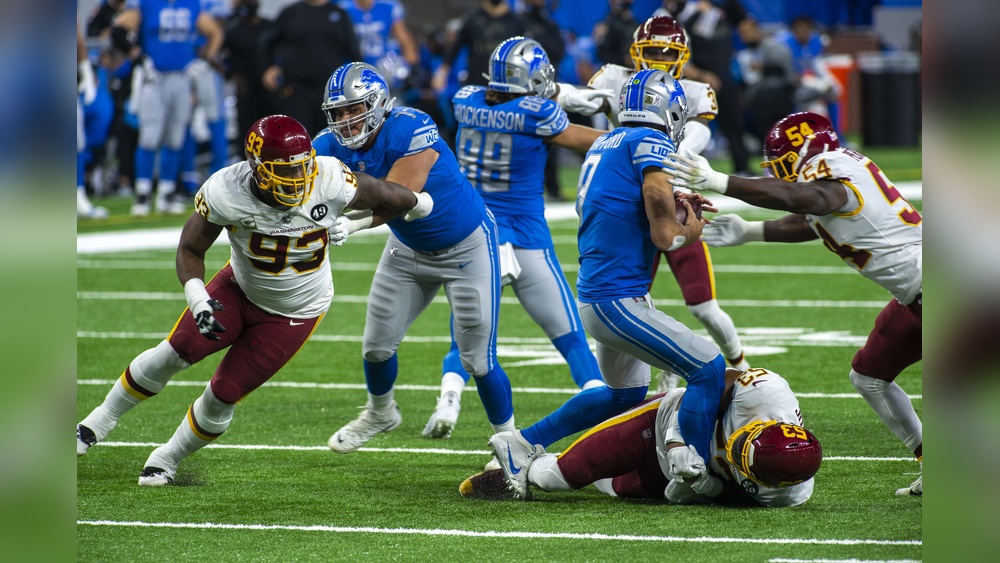
A blitz is when extra defenders rush the quarterback beyond the usual pass rushers. The main goal is to disrupt the quarterback’s timing. Blitzing aims to sack the quarterback or force a bad throw. It creates pressure that can change the flow of the play quickly.
Blitz Vs Pass Rush
A pass rush usually involves four defensive linemen trying to get to the quarterback. Blitzing adds more players, like linebackers or defensive backs, to the rush. The extra pressure makes it harder for the offense to block all rushers. Blitzes carry more risk because they leave fewer defenders to cover receivers.
Common Blitzing Players
Linebackers are the most common blitzers. They often rush from the middle or outside of the line. Defensive backs, such as safeties or cornerbacks, also blitz occasionally. These surprise rushers can catch the offense off guard. Each player has a specific role to make the blitz effective.
Types Of Blitzes
Blitzes come in several types, each with unique roles and risks. Defenses use these blitzes to pressure the quarterback quickly. Understanding different blitz types helps explain defensive strategies in football.
Linebacker Blitz
The linebacker blitz is common and effective. Linebackers rush from behind the defensive line. They aim to surprise the offense and reach the quarterback fast. This blitz can disrupt passes or force hurried decisions.
Safety Blitz
Safeties usually defend deep, but in a safety blitz, they rush forward. This tactic adds extra pressure from the backfield. It can catch the offense off guard but risks leaving the deep field open.
Cornerback Blitz
Cornerbacks rarely blitz, but this move can confuse the offense. They attack from the edges, aiming to sack or hurry the quarterback. This blitz risks leaving a receiver uncovered on the outside.
Zone Blitz
The zone blitz mixes rushing and coverage. Some defenders rush while others cover zones. This balance aims to confuse the quarterback. It increases pressure while keeping some defenders ready to stop passes.
Blitz Mechanics
Blitz mechanics form the core of defensive strategy in football. They involve precise movement and teamwork. Understanding how a blitz works helps appreciate its impact during a play. Each blitz requires clear roles and sharp timing. Defensive players must work as one to disrupt the offense effectively.
Pre-snap Alignment
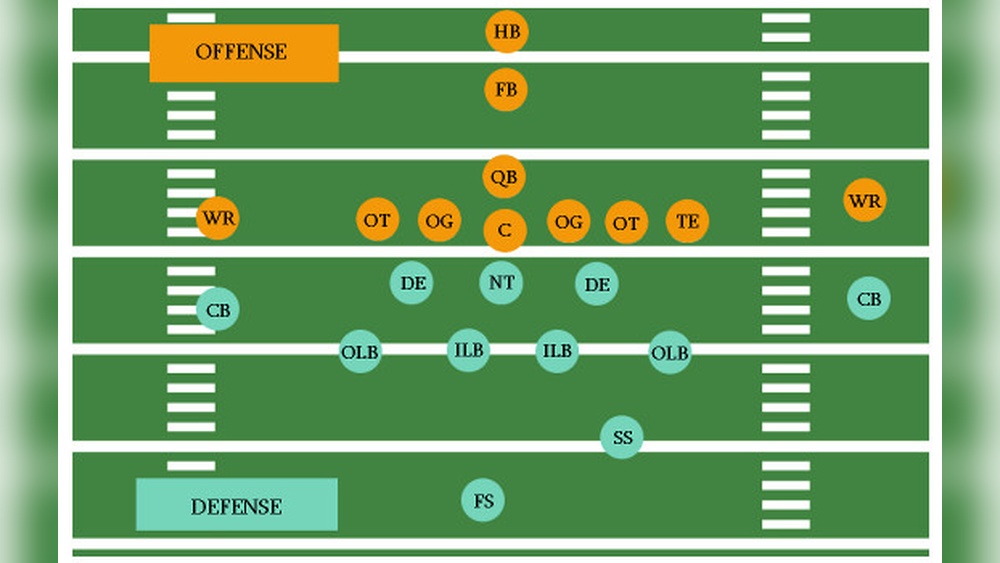
Pre-snap alignment sets the stage for a blitz. Defenders position themselves based on the offensive setup. Linebackers and defensive backs often shift closer to the line. This alignment disguises the blitz and confuses the offense. Proper positioning increases the chance to break through the offensive line quickly.
Timing And Execution
Timing is crucial for a successful blitz. Defenders must start rushing at the exact moment the ball is snapped. Early or late moves reduce the chance of a sack. The blitz aims to pressure the quarterback before he can react. Fast execution forces quick decisions and often leads to mistakes.
Communication And Signals
Clear communication is vital during a blitz. Defenders use hand signals and calls to coordinate. This helps adjust to offensive shifts or audibles. Without communication, players may rush at the wrong time or leave gaps. Effective signals ensure all players act in sync for maximum pressure.
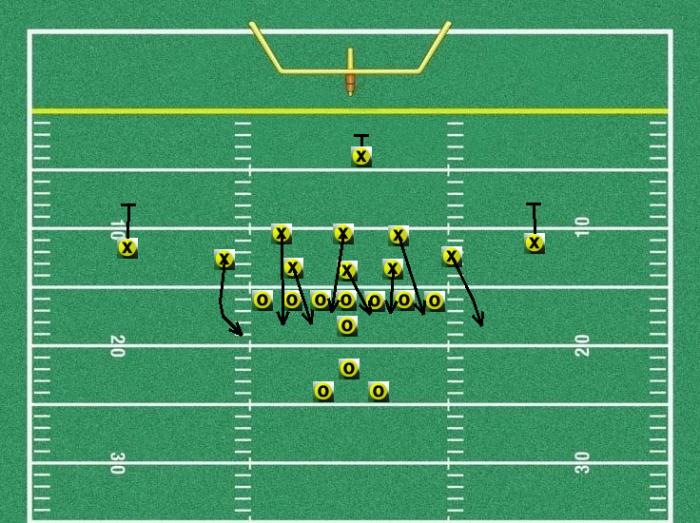
Credit: youthfootballonline.com
Blitz Risks And Rewards
A blitz in football brings both risks and rewards for a defense. It aims to pressure the quarterback quickly. This strategy can change the play’s outcome fast. But sending extra rushers leaves fewer defenders to cover receivers. Teams must weigh the benefits against the dangers carefully.
Potential Benefits
A blitz can disrupt the quarterback’s timing. It forces quick decisions and can lead to mistakes. Sacks and hurried throws often result from a strong blitz. This pressure can stop big plays before they start. It can also boost the defense’s energy and momentum.
Coverage Vulnerabilities
Blitzing means fewer players cover receivers. This creates open spaces for passes to succeed. Skilled quarterbacks can exploit these gaps easily. Blitzing too often can tire out defenders. It risks giving up long gains or touchdowns.
When To Blitz
Teams blitz in obvious passing situations. Third-and-long plays are common blitz moments. They also blitz to surprise the offense. Timing is key to avoid easy passes. Coaches consider the quarterback’s skill and offensive line strength.
Countering The Blitz
Countering the blitz is vital for any offense. Blitzes put heavy pressure on the quarterback. They force quick decisions and test the offensive line’s strength. Teams must adapt quickly to avoid losses and turnovers. Using smart strategies helps protect the quarterback and keep the play alive.
Offensive Adjustments
Offenses must read the defense before the snap. Recognizing blitz patterns helps players adjust their routes and blocking assignments. The quarterback often changes the play or calls an audible. This keeps the defense guessing and reduces the chance of a sack. Timing and communication are crucial for these adjustments.
Protection Schemes
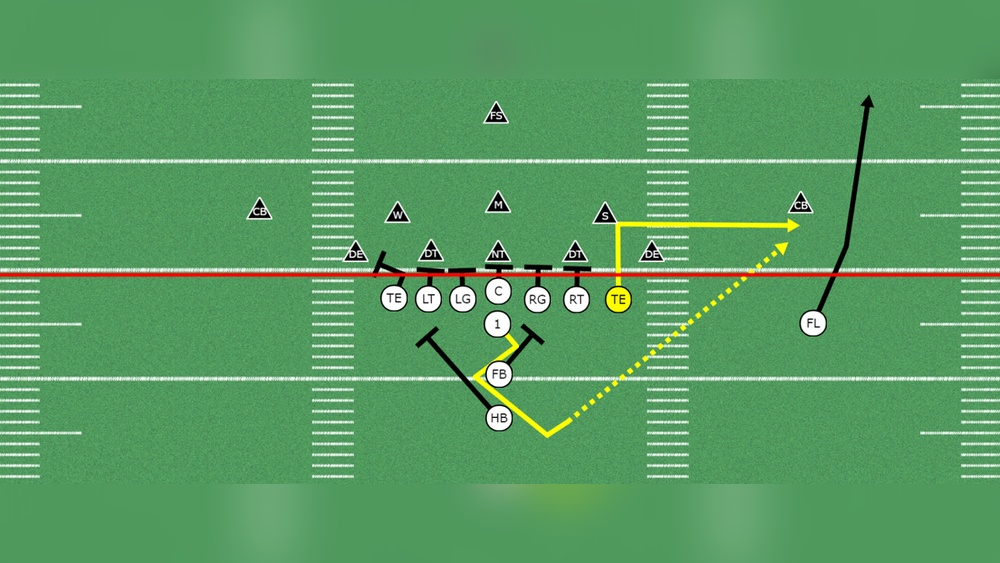
Strong protection schemes help block extra rushers. Offensive lines may use extra blockers like tight ends or running backs. They focus on key blitzers to prevent quick pressure. Slide protections shift the line to one side. This creates a wall for the quarterback to operate safely.
Quick Passing Strategies
Quick passes beat the blitz by getting the ball out fast. Short routes like slants and screens work best. These throws need little time to develop. This style reduces sack risk and tires out defenders. It also opens up chances for yards after catch.

Credit: throwdeeppublishing.com
Blitz In Different Levels Of Football
A blitz is a key defensive move used to pressure the quarterback quickly. It varies at each level of football based on player skill and coaching style. Coaches adjust blitzes to fit their team’s strengths and the opponents’ weaknesses.
Understanding how blitzes work at high school, college, and NFL levels helps fans and players appreciate the game more. Each level shows unique blitz strategies and tactics.
High School Blitzes
High school teams often use simple blitzes. Players are still learning the basics of defense and timing. Blitzes usually involve linebackers charging the quarterback quickly. Coaches focus on teaching good positioning and timing.
Blitzes at this level are less complex. They rely on speed and surprise to create pressure. Mistakes happen more often, making blitzes risky but exciting.
College Blitz Strategies
College teams use more advanced blitz schemes. Coaches design plays that confuse the offense. Linebackers and defensive backs join the rush to overwhelm blockers. Blitzes are planned to force mistakes or sacks.
Players at this level are faster and smarter. They can execute complex blitzes with good timing. College defenses mix blitzes with coverage to keep offenses guessing.
Nfl Blitz Tactics
The NFL features the most sophisticated blitz tactics. Defenses use many different players to rush the quarterback. Blitzes are carefully timed and disguised. The goal is to disrupt the quarterback’s decisions instantly.
NFL blitzes are high risk and high reward. They can lead to big plays or open up passing lanes for the offense. Coaches study opponents deeply to find the best blitz moments.
Famous Blitz Plays
Blitz plays have shaped many memorable moments in football history. These aggressive defensive moves put pressure on the quarterback quickly. They can turn the tide of a game in seconds. Understanding famous blitz plays helps fans appreciate the skill and strategy behind defense.
Game-changing Moments
Some blitzes have led to big turnovers and critical sacks. These plays often stop a key offensive drive. For example, in Super Bowl XXXVI, the New England Patriots’ surprise blitz helped them win the game. Such moments show how a well-timed blitz can change a match’s outcome quickly.
Iconic Defensive Players
Many defenders are famous for their blitzing skills. Players like Lawrence Taylor and Von Miller excelled at rushing the quarterback. Their speed and timing made them feared opponents. Their ability to blitz effectively made them legends on defense.
Memorable Blitz Packages
Teams use different blitz strategies to confuse offenses. Some blitz packages send linebackers, safeties, or cornerbacks to rush. The “zone blitz” mixes pass coverage with unexpected pressure. These packages create chaos and force mistakes by the offense. Coaches design them to surprise and disrupt plays.
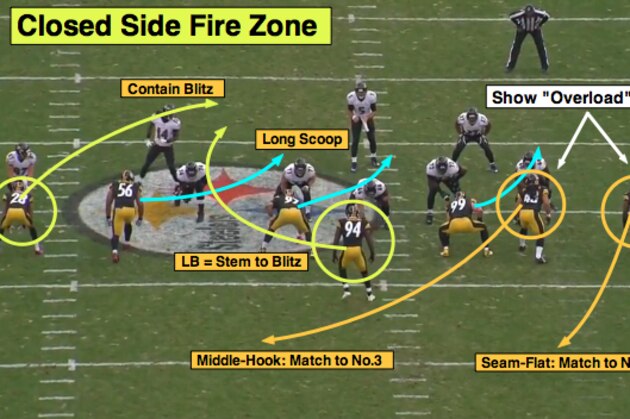
Credit: bleacherreport.com
Frequently Asked Questions
How Does Blitz Work In Football?
A blitz in football sends extra defenders to rush the quarterback quickly. It aims to disrupt plays or cause a sack. Blitzes use linebackers or defensive backs beyond the usual defensive linemen, risking coverage gaps but increasing pressure on the offense.
What Is The Difference Between A Pass Rush And A Blitz?
A pass rush uses the standard four defensive linemen to pressure the quarterback. A blitz sends extra players, like linebackers or defensive backs, to increase pressure but risks coverage gaps.
What Is The Difference Between A Blitz And A Sack?
A blitz sends extra defenders to rush the quarterback, risking coverage. A sack occurs when the quarterback is tackled behind the line.
What Does A Blitz Look Like In Football?
A blitz in football shows extra defenders rushing the quarterback, usually linebackers or defensive backs, to force a quick play or sack. It looks like a sudden, aggressive attack designed to overwhelm the offensive line, risking coverage gaps but aiming to disrupt the offense immediately.
Conclusion
A blitz in football is a bold defensive move. It sends extra players to rush the quarterback. This tactic aims to stop plays quickly. It can cause confusion and force mistakes. But it also risks leaving some players uncovered. Knowing what a blitz is helps you understand the game better.
It shows how defense tries to control the offense. Watching for blitzes can make watching football more fun. Keep an eye on the players rushing the quarterback. That’s the heart of a blitz.