What Is Illegal Touching In Football: Key Rules You Must Know 2026

If you’re a football fan or just starting to follow the game, you’ve probably heard the term “illegal touching” but might not be sure what it really means. Understanding this rule can change how you watch the game and appreciate the strategies involved.
Illegal touching isn’t just a minor penalty—it can have a big impact on the outcome of a play or even the entire game. You’ll discover exactly what illegal touching is, when it happens, and why it matters to you as a viewer or a player.
Keep reading to get the clear, simple explanation you need to fully enjoy every moment on the field.
Illegal Touching Basics
Illegal touching is a specific rule in football that can affect the flow of the game. Understanding the basics helps fans follow the action better. This section explains what illegal touching means, the differences in rules for offense and defense, and common situations where it happens.
Definition In Football
Illegal touching occurs when a player breaks a rule about who can touch the ball and when. Usually, it involves a player touching the ball before they are allowed to. This often happens on plays like punts or passes. The penalty stops unfair advantages and keeps the game fair.
Offensive Vs Defensive Rules
Illegal touching is mostly an offensive penalty. Offensive players cannot touch a forward pass or kick in certain ways. Defensive players do not get called for illegal touching. The offense must follow strict rules about who can handle the ball and when.
Common Scenarios
One common case is a receiver touching a forward pass before it crosses the line of scrimmage. Another is a player on the kicking team touching a punt before the ball travels the required distance. These actions usually result in a penalty. Knowing these helps fans understand referee calls.
Eligible And Ineligible Players
In football, understanding which players can legally touch the ball is crucial. The rules divide players into eligible and ineligible categories. This distinction helps avoid penalties like illegal touching. Knowing who can and cannot handle the ball keeps the game fair and clear for players and fans alike.
Who Can Touch The Ball
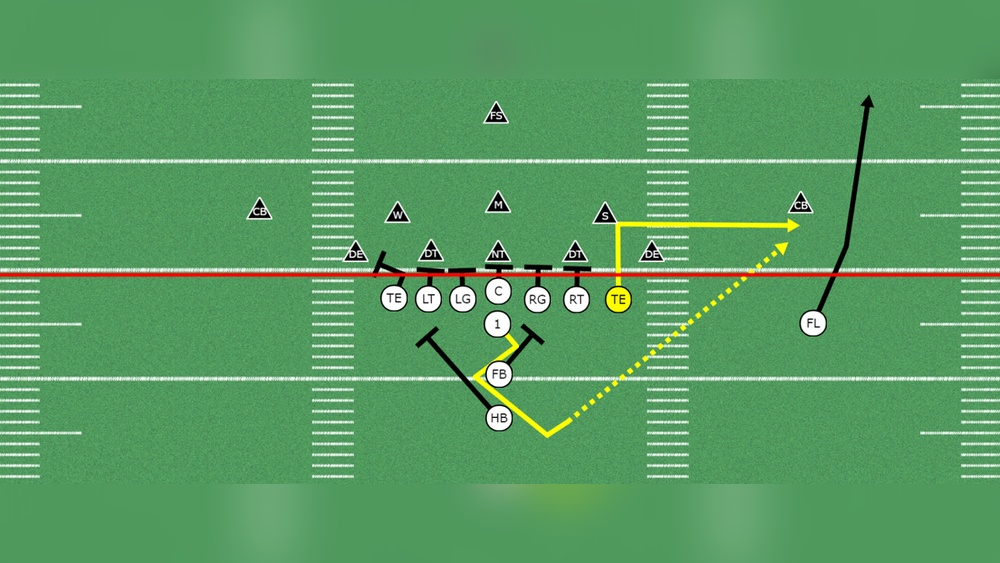
Only certain players on offense are allowed to catch or touch a forward pass. Eligible players include wide receivers, tight ends, and running backs. The quarterback can also handle the ball anytime. These players wear numbers that identify them as eligible. If an ineligible player touches the ball forward, it causes a penalty.
Linemen And Restrictions
Offensive linemen are usually ineligible to catch passes. They wear numbers from 50 to 79. These players are mainly blockers and cannot be the first to touch a forward pass. If a lineman touches the ball before it touches an eligible player, the team is penalized for illegal touching. The rule keeps linemen focused on blocking, not catching.
Receivers Going Out Of Bounds
A receiver who steps out of bounds voluntarily cannot be the first to touch a forward pass. They lose their eligibility if they leave the field and come back to catch the ball. This rule prevents players from gaining an unfair advantage by leaving and re-entering the playing area. It ensures the game stays fair and safe for all players.
Penalty Consequences
Illegal touching in football leads to specific penalty consequences. These penalties affect the team’s position on the field and the flow of the game. Understanding these consequences helps fans grasp how such infractions influence the match.
Yardage And Downs
Illegal touching results in a loss of yardage for the offensive team. Usually, the penalty is five yards from the spot of the foul. The team also loses the down, meaning they lose one attempt to advance the ball. This setback makes it harder to achieve a first down or score.
Impact On Game Flow
The penalty slows down the game by forcing the offense to rethink its strategy. Teams may become more cautious to avoid further penalties. This pause can disrupt the offensive momentum and affect player confidence. Defensive teams gain an advantage as the offense struggles to recover.
Examples From Nfl Games
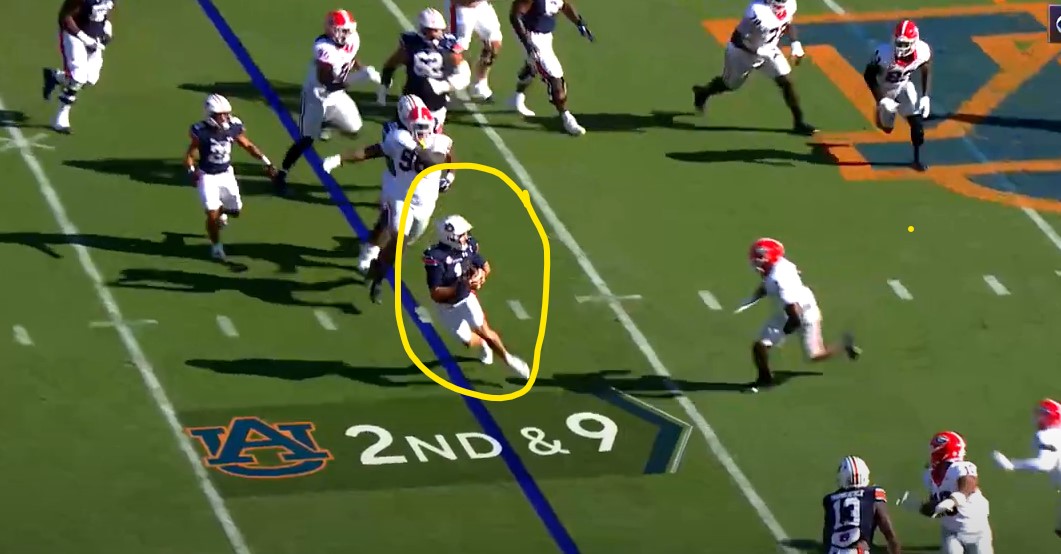
In several NFL games, illegal touching has shifted momentum. One example is a kickoff return where the ball was touched too early by the receiving team. The officials penalized the team, pushing them back and killing their scoring chance. Another case occurred during a punt, where a player touched the ball before it crossed the line, leading to a penalty and turnover.
Credit: www.footballzebras.com
Related Rare Penalties
Related rare penalties in football add depth to the rulebook. These fouls happen very seldom and often surprise fans. Understanding them helps grasp the game’s complexity.
They include unique rules that protect fairness and player safety. Some penalties can even change the game’s outcome dramatically.
Illegal Wedge
The illegal wedge involves three or more players linking arms or shoulders. This occurs on kickoff returns inside two yards of each other. The rule prevents dangerous mass formations pushing the returner.
Illegal wedges are rare but cause big penalties when spotted. They aim to keep kickoffs safer and fairer for all players.
Assisting The Runner
Assisting the runner means helping a player advance by pushing or pulling. This act gives an unfair advantage and is against the rules. It is not common but is penalized strictly.
Officials watch closely for this during runs and tackles. The penalty stops players from gaining illegal yardage.
Palpably Unfair Act
This rule allows referees to stop clearly unfair plays. It covers acts that prevent a sure score or cause major injustice. For example, tackling a player heading to the end zone from the sideline.
The palpably unfair act is extremely rare and has never been called in the NFL. It exists for extraordinary situations to keep the game honest. Referees may even award a score when this penalty occurs.
Touch Football Differences
Touch football is a popular variation of traditional football. It focuses on speed and skill rather than physical contact. Understanding the key differences helps players enjoy the game safely and fairly. These rules also reduce the chances of illegal touching calls.
Here are some important touch football differences that set it apart from tackle football.
Tagging Instead Of Tackling
In touch football, players stop the play by tagging instead of tackling. A simple touch on the opponent with one or two hands ends the play. This rule lowers injury risk and keeps the game fast-paced. Tagging replaces physical tackles, making the game more accessible for all ages.
Rollball Rule
After being tagged, the player must perform a rollball. This means placing the ball on the ground and rolling it backward with the foot. The rollball restarts the game and keeps it moving smoothly. It also gives the defensive team a chance to reset before play continues.
Touch Limits And Turnovers
Teams have a limited number of touches to score. Usually, six touches allow the offense to advance the ball. If the team does not score within these touches, possession changes to the other team. This rule adds strategy and urgency to each play. Turnovers keep the game exciting and fair.

Credit: www.bafra.info
Out Of Bounds And Ground Rules
Understanding the rules about out of bounds and ground contact is crucial in football. These rules help keep the game fair and safe. They also clarify what counts as illegal touching when a player goes near or beyond the field limits.
Players must know how to handle body contact near the sidelines. The field edges and the ground around it have specific rules that affect play. Knowing when a player is out of bounds or has touched the ground out of play prevents penalties.
Runner’s Body Contact
A runner’s body is out of bounds if any part touches outside the sideline or endline. The ball does not matter. If a runner steps or falls out, the play ends immediately. Opponents cannot touch the runner after they are out of bounds. Illegal touching can happen if a player reaches out of bounds to touch the ball or another player.
Sideline And Endline Rules
The sidelines and endlines mark the field’s boundary. Players must stay inside these lines during play. If a player touches the line or goes beyond it with the ball, they are out of bounds. The ball is dead at that moment. Officials watch closely for illegal touching near these lines to keep the game fair.
Returning To The Field
A player who steps out of bounds cannot return to the field to touch the ball unless allowed by specific rules. If a player returns without permission and touches the ball, it is illegal touching. This rule prevents unfair advantages and protects player safety. The timing and position of re-entry are key to avoiding penalties.
Controversial Illegal Touching Calls
Controversial illegal touching calls in football often spark debates among fans and players. These calls can change the momentum of a game and affect the final score. Understanding why these calls happen helps clarify some confusing moments on the field.
Interceptions Vs Illegal Touching
Illegal touching happens when an offensive player touches a forward pass beyond the line of scrimmage after it touched a defender or went untouched. Interceptions occur when a defensive player catches the ball before it hits the ground. Sometimes, officials must decide if a play is an interception or illegal touching. This decision can be hard to make and often leads to controversy.
Rare Instances In Nfl History
Illegal touching is a rare penalty in the NFL. Few plays have been ruled illegal touching in key moments. One famous case involved a receiver who touched the ball after it bounced off a defender, nullifying a touchdown. Such calls are infrequent but memorable because they impact the game’s outcome.
Fan And Player Reactions
Fans often react strongly to illegal touching calls. Some see them as fair, others as unfair or confusing. Players may feel frustrated, especially if the call negates a big play. These reactions show how important clear rules and good officiating are to the sport.

Credit: www.youtube.com
Frequently Asked Questions
What Is The Rarest Penalty In Football?
The rarest penalty in football is the Palpably Unfair Act. It addresses extraordinary unfair plays and can award a score. This penalty is almost never called and exists for exceptional situations only.
Can Illegal Touching Be Called On Defense?
Illegal touching applies only to the offense in football. Defense cannot be penalized for illegal touching.
What Are The Rules Of Touch Football?
Touch football rules include tagging the ball carrier with one hand to stop play, using a rollball to restart, allowing six touches per possession, passing backward only, and no tackling or kicking. Players aim to score touchdowns while avoiding hard hits, which result in penalties.
What Can’t Touch The Ground In Football?
In football, the ball carrier’s knee, hand, or any body part other than feet cannot touch the ground to avoid being down.
Conclusion
Illegal touching in football means the offense touches the ball in a way not allowed. It only applies to offensive players, not defense. Knowing this rule helps fans understand penalties better. Referees call illegal touching to keep the game fair.
This rule protects players and the flow of the game. Watching for illegal touching can make the game more exciting. Now you know what illegal touching means and why it matters. Keep these points in mind during games to enjoy football more fully.