What Is Flex In Fantasy Football: Master Your Winning Strategy 2026

If you’re diving into fantasy football, understanding the Flex position can give you a real edge over your league rivals. But what exactly is Flex, and how can it boost your team’s scoring potential?
Simply put, the Flex spot lets you start an extra Running Back, Wide Receiver, or Tight End each week—giving you the freedom to pick the player with the best chance to rack up points. This versatile “wildcard” can turn your lineup from average to unstoppable, especially when injuries or tough matchups threaten your starters.
Ready to learn how to use your Flex spot like a pro and outsmart your competition? Keep reading, because mastering Flex could be the game-changer your fantasy season needs.
Flex Position Basics
The flex position in fantasy football adds versatility to your team. It allows you to start an extra player beyond the usual lineup. This spot helps you use your best players and improve your weekly score. Understanding how this position works is key to building a strong lineup.
Below are the basics of the flex position and how it fits into your team strategy.
Lineup Structure
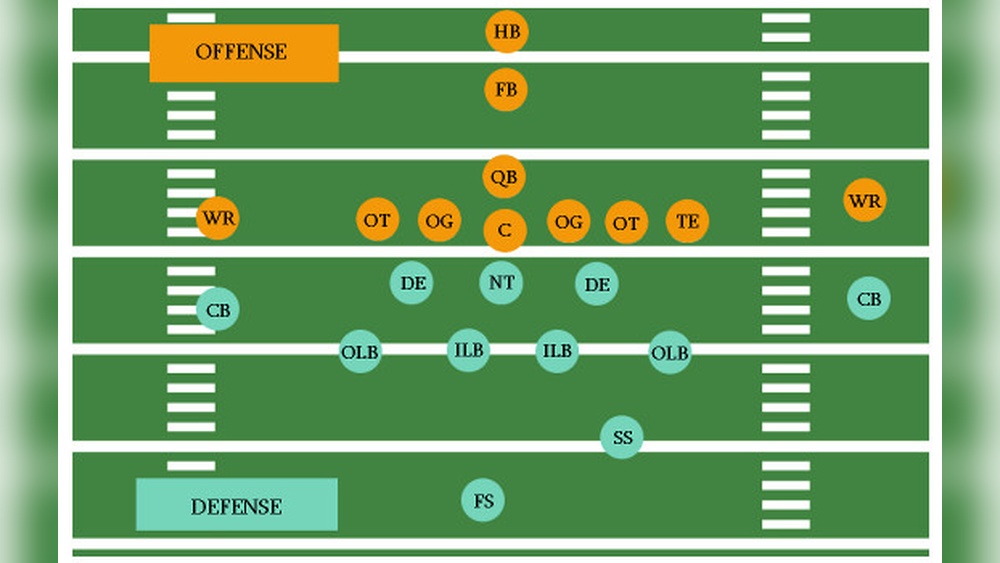
Most fantasy football leagues require set starters: usually a quarterback, running backs, wide receivers, and a tight end. The flex spot acts as an extra position slot. It is not tied to a single player type. You can fill it with a running back, wide receiver, or tight end. This flexibility lets you adjust your lineup based on player strength and matchups.
Extra Slot Role
The flex position serves as a wildcard. It gives you an additional starter beyond the regular slots. This extra slot boosts your chance to score more points. It is especially useful if you have depth at running back or wide receiver. You can play your best available player, regardless of their primary position.
Eligible Players
The flex spot accepts running backs, wide receivers, and tight ends. Quarterbacks usually are not allowed in standard flex positions. Some leagues offer a superflex slot that includes quarterbacks. The main idea is to have multiple options from your bench. This variety lets you choose players with the best potential each week.
Point Maximization
Choosing the right player for your flex spot can boost your points. Look for players with favorable matchups. Consider injuries to starters that open opportunities. Start players who score consistently or have high upside. The flex spot helps you adapt your team every week to get the most points.
Flex Spot Variations
Flex spots add versatility to fantasy football lineups. They allow managers to start an extra player beyond the usual lineup positions. Different leagues offer different flex options. Understanding these variations helps choose the best players each week. This section explains common flex spot types and their uses.
Standard Flex (rb/wr/te)
The standard flex spot lets you start one running back, wide receiver, or tight end. This spot increases lineup flexibility by allowing the best available player from these positions. It helps managers adapt to injuries or favorable matchups. The standard flex is common in many leagues and balances scoring opportunities across skill positions.
Choosing a player for the standard flex depends on weekly performance potential. You might start your third-best running back or a wide receiver with a strong matchup. Tight ends can also be valuable in this spot if they have high scoring chances. This flexibility improves your team’s chances to score more points each week.
Superflex (qb/rb/wr/te)
The superflex spot expands your options by allowing a quarterback as well. You can start a QB, RB, WR, or TE in this position. This variation increases the value of quarterbacks significantly. Quarterbacks usually score the most points, so having a superflex can change draft strategies.
In superflex leagues, managers often draft two quarterbacks to fill both starting slots. It adds more strategy and excitement. The superflex spot rewards managers who can find strong quarterbacks and skill players. This variation makes the game more dynamic and challenging.
Flex Strategy
The Flex strategy in fantasy football adds flexibility to your lineup. It lets you pick an extra player from running backs, wide receivers, or tight ends. This choice helps you boost your weekly points by playing your best option. The Flex spot allows you to adjust your team based on matchups, injuries, or player form.
Matchup Advantage
Choose a player with a good matchup for the Flex spot. For example, pick a wide receiver facing a weak defense. This increases the chance of scoring more points. The Flex spot lets you exploit favorable matchups each week. It is a key part of winning strategies.
Depth Utilization
Use the Flex spot to give playing time to your bench players. It helps you maximize the value of your roster. If you have strong starters, the Flex lets you start a quality backup. This keeps your team fresh and ready for any situation. Depth is important in long fantasy seasons.
Injury Coverage
The Flex position helps cover for injured starters. If a running back or receiver gets hurt, you can replace them easily. This keeps your lineup strong without losing points. Having a flexible spot means less stress during injury weeks. It helps maintain steady scoring despite setbacks.

Credit: www.4for4.com
Choosing Between Rb And Wr
Choosing between a Running Back (RB) and a Wide Receiver (WR) for your flex spot can shape your fantasy football success. This decision depends on your team needs, player matchups, and the type of league you play. Understanding the benefits of each position helps make smarter choices.
Wide Receiver Benefits
Wide receivers often have high target volumes. More targets mean more chances to score points. WRs usually catch passes, leading to yards and touchdowns. They can score big with long receptions. WRs also tend to be less affected by game script. Even if the team falls behind, WRs keep getting targets. They offer consistent scoring potential week to week. This makes WRs a reliable option for your flex spot.
Running Back Benefits
Running backs get both rushing and receiving chances. This dual role boosts their scoring opportunities. RBs often handle goal-line carries, increasing touchdown chances. They also rack up yards on the ground and through the air. RBs can rack up points quickly with a few big plays. They usually have a larger role in the offense. This can lead to more touches and more points. RBs in the flex spot can add balance to your lineup.
Flex Tips For Winning
The Flex position is key to boosting your fantasy football score each week.
Choosing the right player for this spot can make a big difference.
Focus on strategy, player form, and scoring rules to get the most out of Flex.
Weekly Player Evaluation
Check each player’s performance every week before setting your lineup.
Consider their recent games, health, and opponent strength.
Players facing weak defenses often have higher scoring chances.
Swap out underperforming players for those with better matchups.
Balancing Risk And Consistency
Mix safe, steady players with high-upside, risky ones in your Flex slot.
Consistent players offer reliable points each week.
Riskier players can score big but may also have low weeks.
Balance keeps your team competitive while chasing extra points.
Leveraging Ppr Scoring
PPR leagues give points for each reception, increasing receiver value.
Pick players who catch many passes, even if they don’t run much.
Slot receivers and pass-catching running backs thrive in PPR formats.
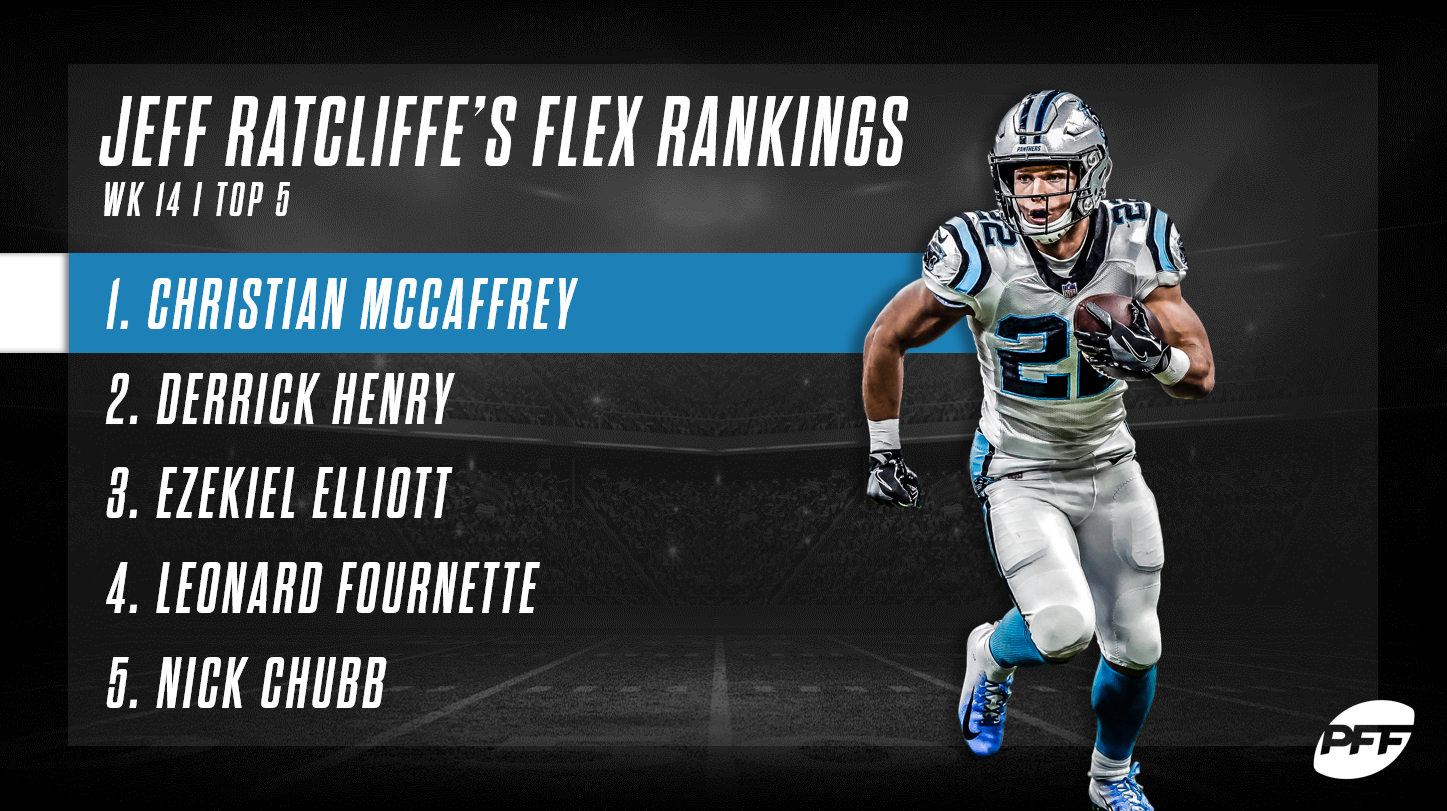
Use the Flex spot to start these high-target players for more points.
Credit: www.pff.com

Credit: www.youtube.com
Frequently Asked Questions
How Does The Flex Work In Fantasy Football?
The flex position in fantasy football lets you start one extra RB, WR, or TE. It boosts scoring by adding your best available player. Choose based on matchups, injuries, or team depth. This spot increases lineup flexibility and strategic options each week.
Is It Better To Have A Rb Or Wr At Flex?
WRs usually provide more consistent high-end value, especially in PPR leagues. RBs offer higher floors but less depth. Choose based on league settings and matchups.
When Should You Pick Flex In Fantasy Football?
Pick Flex to start your best available RB, WR, or TE with a strong matchup, injury fill-in, or high upside. Use Flex to maximize weekly points and exploit favorable matchups for extra scoring potential. Choose the player who boosts your lineup’s value most each week.
What Is The Best Position For Flex?
The best flex position depends on matchups and league format. Choose the player—RB, WR, or TE—with the highest weekly scoring potential. Prioritize WRs in PPR leagues for consistent points and RBs for steady floors. Always select the option maximizing your lineup’s total points.
Conclusion
The Flex position adds valuable flexibility to your fantasy lineup. You can start an extra Running Back, Wide Receiver, or Tight End. This spot helps you choose the best player each week. It lets you react to injuries and matchups quickly.
Using Flex wisely can boost your team’s total points. It offers a simple way to improve your chances of winning. Remember, the Flex is a key part of smart fantasy football strategy. Play it well, and you gain an important edge.