What Is A Db In Football: Ultimate Guide 2026

Are you curious about what a “DB” means in football and why this position is so important? If you’ve ever watched a game and wondered who’s responsible for stopping those tricky passes or making those game-changing interceptions, understanding the role of a Defensive Back (DB) will give you a whole new appreciation for the sport.
Whether you’re a fan, a player, or just someone looking to get smarter about football, this article breaks down exactly what a DB does, the different types of defensive backs, and why they are crucial to any winning team. Keep reading to discover how DBs shape the game and what makes their role so unique—you won’t want to miss it!
Defensive Back Basics
Defensive backs play a vital role in football defense. They protect the field behind the linebackers. Their main job is to stop passes and cover receivers.
These players must be fast and smart. They read the quarterback’s moves and react quickly. Defensive backs also help stop running plays and make tackles.
What Is A Defensive Back?
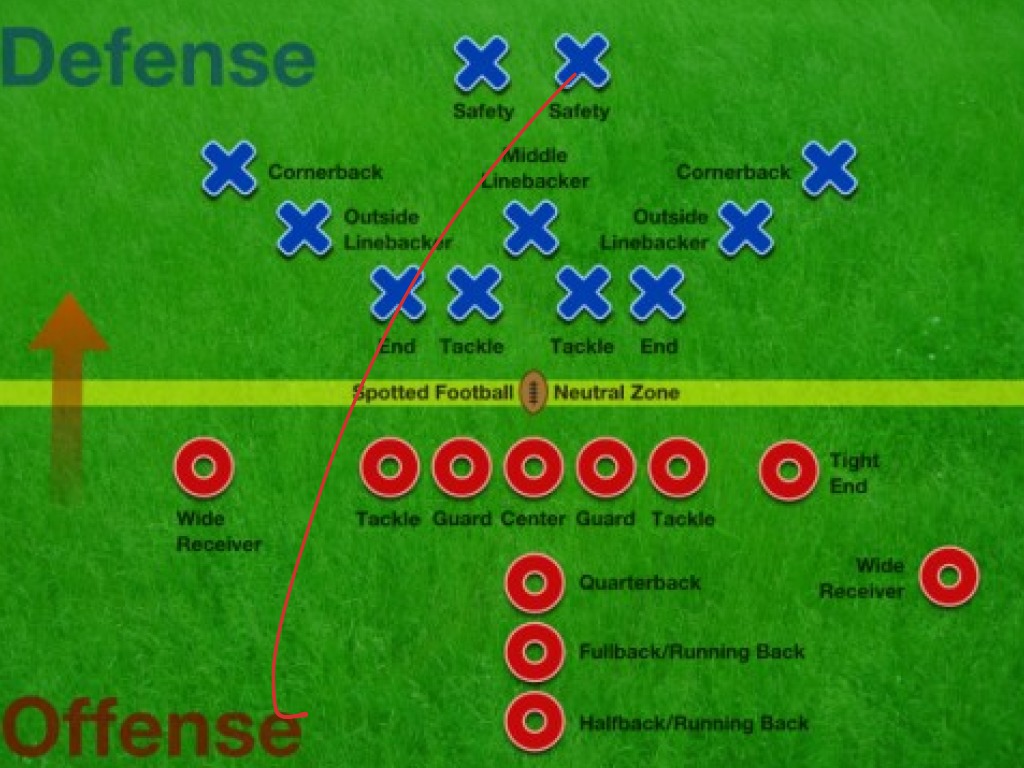
A defensive back, or DB, is a player in the secondary defense. This group includes cornerbacks and safeties. Their focus is on covering receivers and defending against passes.
Key Responsibilities Of Defensive Backs
- Coverage: Guarding wide receivers to prevent catches.
- Pass Defense: Deflecting or intercepting passes thrown by the offense.
- Tackling: Stopping players who catch the ball or run the ball.
- Flexibility: Adjusting to different defensive schemes like man or zone coverage.
Main Types Of Defensive Backs
There are two main types of defensive backs: cornerbacks and safeties.
- Cornerback (CB): Covers receivers near the sidelines, usually in man-to-man coverage.
- Safety (S): Plays deeper and supports both pass defense and run defense.
Safeties have two roles:
- Free Safety (FS): Plays the deepest, watching the middle of the field.
- Strong Safety (SS): Plays closer to the line and often covers tight ends or helps stop the run.
Credit: en.wikipedia.org
Primary Roles Of A Db
The primary roles of a Defensive Back (DB) in football are crucial for the defense’s success. DBs protect the field from the passing attack and help stop the run. Their duties require speed, awareness, and strong tackling skills.
Defensive Backs must read the offense quickly. They react to the quarterback’s decisions and adjust their coverage to prevent big plays. Their versatility makes them key players in any defense.
Coverage Duties
DBs cover wide receivers to stop them from catching the ball. They use man-to-man or zone coverage techniques. Man coverage means following one receiver closely. Zone coverage means guarding an area of the field. Their goal is to keep receivers from getting open.
Pass Deflections And Interceptions
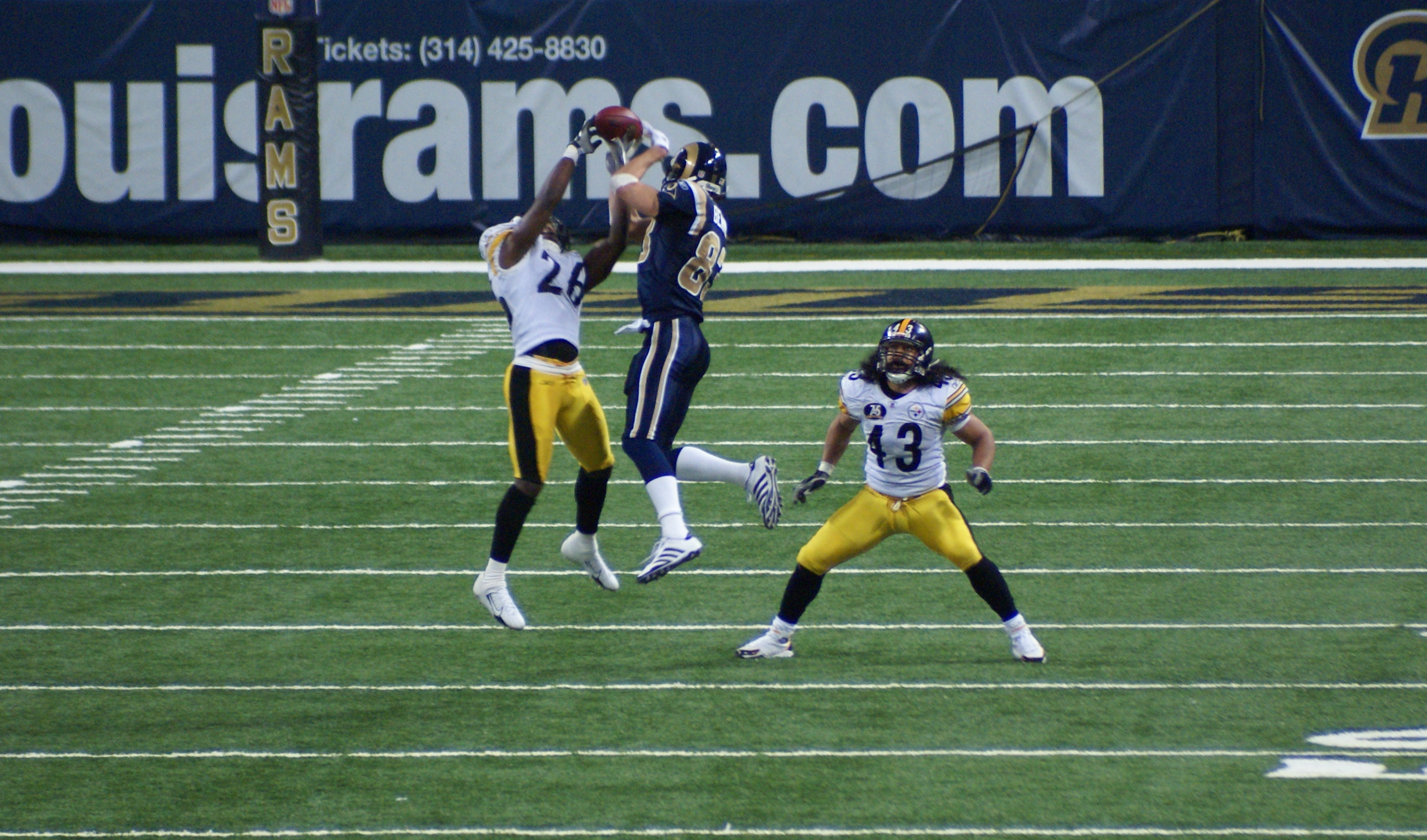
Defensive Backs aim to disrupt the passing game. They try to deflect or knock down passes. Interceptions are a big part of their job. Catching a pass meant for the offense can change the game’s momentum. DBs use good timing and quick hands to make these plays.
Tackling Responsibilities
Stopping the runner is another key task. DBs must tackle players who catch the ball. They also help stop runs that break through the line. Good tackling prevents extra yardage and forces turnovers. Strong tackling skills keep the offense from gaining easy yards.
Adaptability In Schemes
Defensive Backs must adapt to different defensive schemes. They switch between man and zone coverage based on the coach’s plan. They also adjust to blitzes and run support roles. Versatility helps the defense stay strong against varied offenses. A smart DB reads the offense and changes tactics fast.
Types Of Defensive Backs
Defensive backs are vital players in football defense. They protect the field against passing and running plays. Each type of defensive back has a special role. Understanding these roles helps explain how defenses stop offenses.
Cornerbacks
Cornerbacks cover wide receivers on the outside. They try to block or intercept passes. Speed and agility help them keep up with receivers. They often play man-to-man coverage. Their job is to prevent catches near the sidelines.
Safeties
Safeties play deeper in the defensive backfield. They support cornerbacks and defend against long passes. Safeties also help stop running plays. There are two main types of safeties: free safety and strong safety. Each has a different focus on the field.
Free Safety
The free safety plays the deepest on the defense. They watch the whole field for long passes. Quick thinking and good vision are key skills. Free safeties often act as the last line of defense. Their job is to prevent big plays.
Strong Safety
The strong safety plays closer to the line of scrimmage. They help stop running plays and cover tight ends. Strong safeties need strength and tackling ability. They balance between defending the run and pass. Their role is more physical than the free safety’s.
Db Vs Cornerback
Understanding the difference between a DB and a cornerback helps clarify football defense roles. Both are crucial in stopping the offense, but their duties differ.
A DB, or Defensive Back, is a broad term for players in the secondary defense. This group includes cornerbacks and safeties. Each has unique tasks on the field.
What Is A Defensive Back (db)?
A Defensive Back defends against passes and supports in stopping runs. They cover receivers, try to intercept passes, and tackle ball carriers. DBs play near the back of the defense line.
What Is A Cornerback?
A cornerback is a type of Defensive Back. Their main job is to cover wide receivers. They usually line up near the sidelines and defend against pass plays. Speed and agility are key skills for cornerbacks.
Key Differences Between Db And Cornerback
All cornerbacks are DBs, but not all DBs are cornerbacks. DB includes safeties, who have different roles than cornerbacks. Safeties often cover deeper parts of the field and help in run defense. Cornerbacks focus more on one-on-one coverage with receivers.
Why The Distinction Matters
Coaches choose players based on their skills and roles. Knowing the difference helps fans understand team strategies. It also shows how defense adapts to offensive threats.
Essential Skills For Dbs
Defensive Backs (DBs) play a vital role in football defense. Their success depends on a mix of physical, mental, and technical skills. These skills allow DBs to protect the field and stop the offense effectively.
Physical Attributes
Speed is critical for DBs to keep up with fast receivers. Agility helps them change direction quickly during plays. Strength is necessary to tackle opponents and fight through blocks. Good hand-eye coordination improves their chances of intercepting passes. Stamina allows DBs to perform well throughout the entire game.
Mental Processing
DBs must read the offense quickly to predict plays. Focus and concentration help them react without delay. Understanding different offensive formations aids in choosing the right coverage. Quick decision-making allows them to adjust during fast-paced moments. Awareness of teammates’ positions ensures effective collaboration on defense.
Technique Mastery
Proper footwork keeps DBs balanced and ready to move. Mastering backpedaling helps in covering receivers effectively. Hand techniques disrupt receiver routes and block passes. Tackling form is crucial to stop runners safely and efficiently. Learning various coverage styles, like man-to-man and zone, improves versatility on the field.

Credit: en.wikipedia.org
Db Position In Defensive Schemes
The DB position plays a vital role in defensive schemes. Defensive Backs must adapt to various strategies to stop the offense. Their job changes depending on the coverage style used by the defense. This section explains the main defensive schemes where DBs operate and their responsibilities within each.
Man-to-man Coverage
In man-to-man coverage, each DB guards a specific receiver. They follow their assigned player closely throughout the play. The goal is to prevent the receiver from catching the ball. DBs use speed and agility to keep up with fast receivers. This coverage requires strong one-on-one skills and focus. Mistakes often lead to big plays for the offense.
Zone Coverage
Zone coverage asks DBs to defend a specific area on the field. Instead of following one player, they watch all receivers entering their zone. DBs communicate with teammates to pass off receivers crossing zones. This scheme helps protect against deep passes and quick throws. Awareness and quick decision-making are crucial in zone coverage. DBs must read the quarterback’s eyes to react fast.
Run Support
DBs also help stop running plays. In run support, they move closer to the line of scrimmage. They tackle ball carriers who break through the front line. Strong Safety often leads in run support due to their position. DBs must balance coverage duties with being ready to stop the run. Good tackling and physical play are key skills for this role.
Training Tips For Aspiring Dbs
Training as a defensive back (DB) demands focus on speed, agility, and technique. Effective training boosts your ability to cover receivers and defend passes.
Practicing specific skills improves your performance on the field. Start with basic drills and build up your confidence and control.
Footwork Drills
Quick feet help you react fast to the receiver’s moves. Ladder drills increase your speed and coordination. Side-to-side shuffles build lateral movement. Cone drills improve your change of direction. Focus on keeping a low center of gravity for balance.
Ball Skills Development
Defensive backs must track and catch the ball well. Practice catching passes from different angles and speeds. Work on hand-eye coordination with tennis ball drills. Learn to read the quarterback’s eyes to anticipate throws. Improve your timing to jump and intercept passes.
Tackling Techniques
Safe and strong tackling stops the offense effectively. Keep your head up and eyes on the target. Wrap your arms around the ball carrier firmly. Practice proper body positioning to avoid injury. Drill both open-field and close-contact tackles regularly.
Credit: www.showme.com
Frequently Asked Questions
What Does Db Stand For In Football?
DB in football stands for Defensive Back. This player covers receivers, defends passes, and supports run defense in the secondary.
Is A Db And A Cornerback The Same Thing?
A DB (Defensive Back) is a general position group in football. A cornerback is a specific type of DB focused on covering wide receivers.
What Is The Hardest Position In Football?
The hardest position in football is often the quarterback. They lead the offense, make quick decisions, and face constant pressure.
Are Db And Linebacker The Same?
No, DB (Defensive Back) and linebacker are different football positions. DBs cover receivers; linebackers defend against runs and short passes.
Conclusion
A DB in football plays a vital role in defense. They guard receivers and try to stop passes. DBs also tackle runners and protect the field’s back end. Different types of DBs have unique tasks on the field. Understanding these roles helps fans enjoy the game more.
Defensive Backs work hard to keep the offense from scoring. Their skill and speed make football exciting to watch. Knowing what a DB does adds to your football knowledge.