

Building a pickleball court on grass is a fun and rewarding project. With some planning, you can create an outdoor court to enjoy with friends and family.
Pickleball is a popular sport that combines elements of tennis, badminton, and ping-pong. It’s easy to learn and great for all ages. Making your own court on grass is simpler than you might think. It doesn’t require a lot of special equipment or tools.
Plus, it’s a fantastic way to use your backyard space. In this guide, we’ll walk you through the steps to transform your grassy area into a playable pickleball court. So, grab your gear, and let’s get started on building your very own pickleball court!
Contents
Introduction To Pickleball
Pickleball is a fun and engaging sport that combines elements of tennis, badminton, and ping-pong. It is played with a paddle and a plastic ball with holes. The game can be played both indoors and outdoors, making it versatile and accessible. In this section, we will introduce you to the exciting world of pickleball.
What Is Pickleball?
Pickleball is a paddle sport for all ages and skill levels. It is played on a court similar to a badminton court but with a lower net. The game is easy to learn, making it a perfect choice for families and groups. Players use paddles to hit a perforated ball over the net, aiming to score points by landing the ball in the opponent’s court.
The game can be played as singles or doubles. The rules are simple, making it accessible for beginners. Yet, it is challenging enough to keep experienced players engaged. The combination of different sports elements adds variety and excitement to the game.
Popularity Of The Game
Pickleball is rapidly gaining popularity across the globe. It is especially popular in the United States, where many communities have embraced it. The sport’s easy learning curve and minimal equipment requirements contribute to its widespread appeal.
Many schools, parks, and recreational centers now include pickleball courts. It promotes physical activity and social interaction, making it a favorite among all age groups. The growing number of pickleball tournaments and leagues also highlights its increasing popularity.
| Feature | Pickleball | Tennis |
|---|---|---|
| Net Height | 34 inches | 36 inches |
| Court Size | 20 x 44 feet | 27 x 78 feet |
| Ball Type | Plastic with holes | Rubber |
The unique combination of fun, ease, and community makes pickleball a standout sport. Whether playing on a dedicated court or setting up on grass, pickleball offers endless enjoyment.
Choosing The Right Location
Selecting the right location for your grass pickleball court is crucial. Ensure the ground is flat, firm, and free of obstacles. Adequate space for boundary lines and player movement enhances the playing experience.
Creating a pickleball court on grass starts with selecting the perfect spot. The right location ensures a smooth and enjoyable game. Several factors will guide you to the best choice.Finding A Flat Surface
A flat surface is essential for a pickleball court. Uneven ground can cause tripping hazards and affect the game. Walk around your yard or designated area. Look for spots without bumps, holes, or slopes. Tip: Use a level tool to check the ground. It helps in identifying any slight unevenness.Considering Sun And Shade
Sun and shade play a big role in outdoor sports. Too much sun can make the game uncomfortable. Shade provides relief and helps in preventing overheating. Morning or late afternoon sun is ideal. Look for an area with a balance of sun and shade. Avoid spots with harsh, direct sunlight during peak hours. Tip: Observe the area at different times of the day. It helps in understanding the sun and shade patterns.| Location Factor | Importance |
|---|---|
| Flat Surface | Prevents tripping and ensures smooth play |
| Sun Exposure | Provides light but avoid harsh, direct sun |
| Shade Availability | Offers comfort and reduces heat |
Gathering Necessary Materials
Creating a pickleball court on grass requires some planning and gathering the right materials. This section will guide you through the essential equipment and optional accessories needed to set up your court.
Essential Equipment
To start, you need specific tools and materials. Here’s a list of the essential equipment:
- Pickleball Net: Choose a portable net system suitable for outdoor use.
- Paddles: At least two paddles are necessary for a game.
- Balls: Use outdoor pickleball balls for better performance on grass.
- Boundary Lines: Mark the court with boundary lines. Use chalk, tape, or painted lines.
- Measuring Tape: Ensure accurate placement of the lines and net.
- Grass Clippers or Scissors: Trim the grass to an even height for smooth play.
Optional Accessories
While the essentials are necessary, some optional accessories can enhance your playing experience:
- Boundary Markers: Use cones or flags to mark the corners and centerline.
- Scoreboard: Keep track of the game score with a portable scoreboard.
- Ball Holder: A container or holder for easy access to extra balls.
- Sunshade or Umbrella: Provide shade for players during sunny days.
- Seating: Add benches or portable chairs for comfort between games.
With these materials, you’re ready to set up a great pickleball court on grass. Remember to check the quality and durability of your equipment for a fun and safe game.
Credit: www.installartificial.com
Preparing The Ground
Creating a pickleball court on grass starts with preparing the ground. This step ensures a smooth, safe, and enjoyable playing surface. Proper ground preparation helps to prevent injuries and makes the game more fun.
Clearing The Area
First, clear the area of any debris. Remove rocks, sticks, and other objects. These can cause uneven surfaces and potential injuries. You might need to mow the grass. This makes it easier to see and remove unwanted items. Ensure the area is big enough for the court dimensions.
Leveling The Grass
Next, level the grass. A flat surface is essential for a good game. Use a lawn roller to flatten the ground. Fill in any holes or dips with soil. This makes the surface even. Water the grass lightly to help settle the soil. Check for any remaining uneven spots and adjust as needed.
Marking The Court Boundaries
Marking the court boundaries is a crucial step in setting up a pickleball court on grass. Accurate boundaries ensure fair play and help players understand the court’s dimensions. Follow these steps to mark the boundaries effectively.
Measuring Dimensions
First, determine the dimensions of your pickleball court. A standard court measures 44 feet long and 20 feet wide. Use a measuring tape to mark these dimensions on the grass. Ensure the measurements are accurate for proper gameplay. Measure twice to avoid errors.
Using Boundary Markers
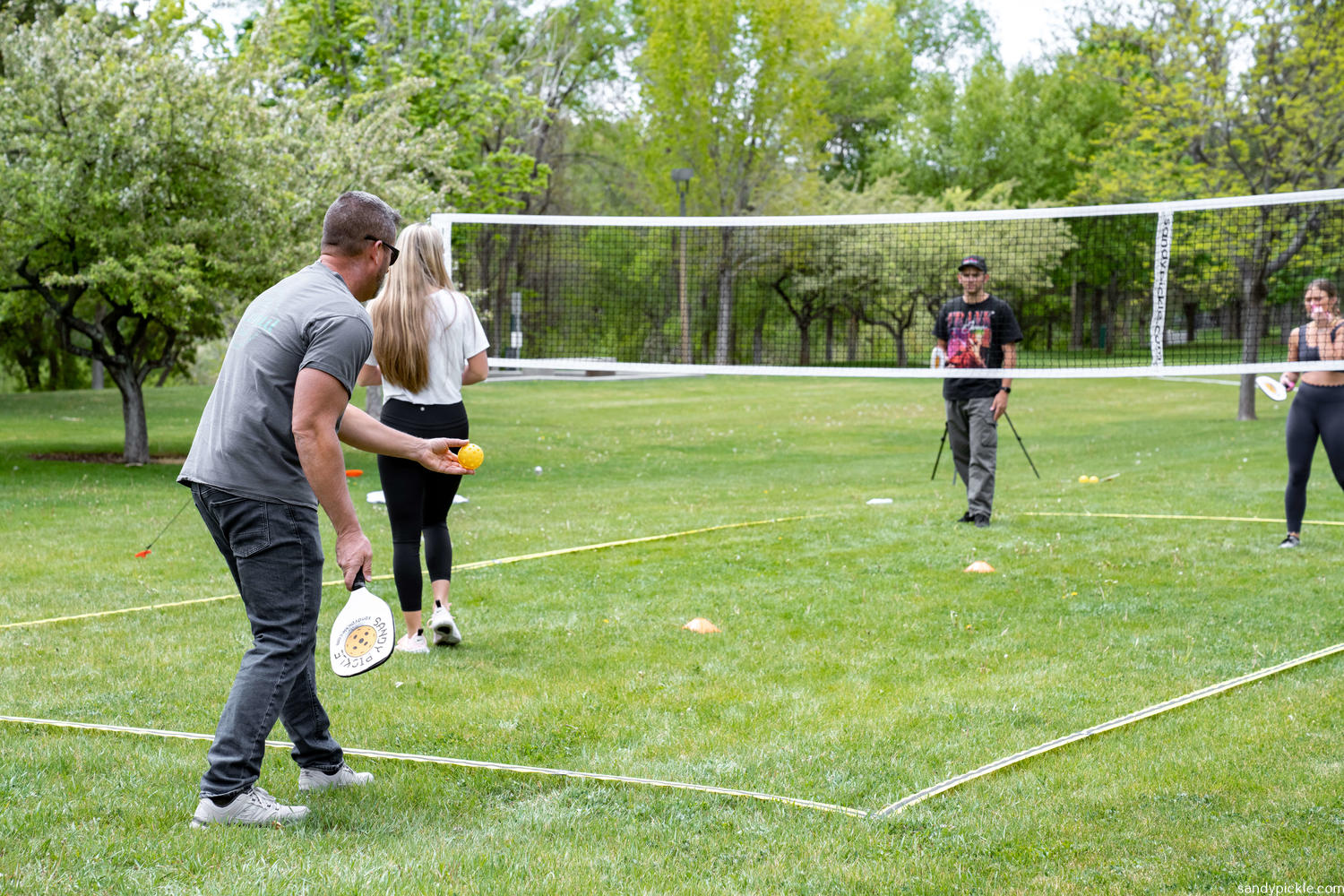
Next, use boundary markers to outline the court. Chalk, spray paint, or rope are suitable options. Choose a visible color that contrasts with the grass. Start by marking the corners. Place a marker at each of the four corners. Then, connect the markers using your chosen material. Ensure the lines are straight and clear.
For a more professional look, consider using boundary tape. Secure the tape to the ground with stakes. This method provides a cleaner, more durable boundary. Regularly check the markers. Grass can grow quickly, which may obscure the lines. Maintain the visibility of the boundaries for an optimal playing experience.
Setting Up The Net
Setting up the net is crucial for your pickleball court on grass. A well-installed net ensures fair play and enjoyment. Here’s how to get it right.
Choosing A Net System
First, select the right net system. Portable net systems are ideal for grass courts. They are easy to set up and take down. Look for a net that is durable and weather-resistant.
Consider the width of the net. Standard nets are 22 feet wide. Make sure the net you choose fits this size. Portable nets often come with adjustable widths.
Check the stability of the net system. Nets with a solid frame stay upright during play. Avoid flimsy nets that may fall over.
Proper Net Height
The net height is critical for proper play. The official net height is 36 inches at the sidelines and 34 inches at the center. Make sure your net meets these measurements.
Use a measuring tape to set the height. Adjust the net until it is the correct height. Most portable nets have adjustable poles for this purpose.
Ensure the net is tight. A sagging net affects gameplay. Tighten the net until it is firm and level.
Here’s a quick checklist for setting up the net height:
- Measure the height at the sidelines: 36 inches.
- Measure the height at the center: 34 inches.
- Adjust the poles to correct height.
- Tighten the net to avoid sagging.
Following these steps ensures your net is set up correctly. Enjoy your game with a properly installed net.
Adding Court Lines
Adding court lines to your grass pickleball court can make the game more enjoyable. Well-defined lines help players know the boundaries and follow the rules. Here are two methods to add lines to your court.
Painting Lines
Painting lines on grass is a permanent solution. First, measure the court dimensions. Use a tape measure for accuracy. Next, mark the corners with small flags or stakes. Connect the flags with string to outline the court.
Use white, non-toxic, sports field paint. Paint is available at sporting goods stores. Shake the paint can well. Spray the paint along the string lines. Ensure the lines are straight and even. Let the paint dry before starting the game. Painted lines are durable and will last longer.
Using Temporary Tape
Temporary tape is another option for court lines. This method is less permanent. Measure and mark the court dimensions like before. Use bright-colored tape for visibility. Lay the tape along the measured lines. Press it down firmly to stick to the grass.
Temporary tape is easy to remove. It is suitable for temporary courts or events. Replace the tape when it starts to lift. This method is less durable but very flexible.
Maintaining The Court
Maintaining a pickleball court on grass involves regular care and seasonal adjustments. Proper maintenance ensures the court remains safe and enjoyable. This section covers the essential steps for keeping your grass court in top condition.
Regular Upkeep
Regular upkeep is crucial. Mow the grass to a consistent height. A shorter length ensures smooth play. Remove any debris like leaves or branches. This keeps the surface clear and safe. Check for uneven spots. Fill them with soil to prevent tripping.
Water the grass regularly, especially during dry periods. Healthy grass provides a better playing surface. Use a roller to keep the ground firm and level. This reduces the risk of injury and improves game quality.
Seasonal Adjustments
Seasonal adjustments help maintain the court throughout the year. In spring, aerate the soil. This improves water and nutrient absorption. Apply a balanced fertilizer to promote healthy growth.
During summer, increase watering to combat heat stress. Monitor the grass for signs of wear. Reseed worn areas to maintain coverage. In autumn, clear fallen leaves regularly. Leaves can create slippery spots.
Winter requires special care. Limit play to avoid damaging the grass. Remove snow and ice carefully. Use a broom or plastic shovel. Metal tools can harm the grass.
Safety Tips
Creating a pickleball court on grass can be fun and exciting. But safety must come first. Here are some tips to ensure a safe playing experience.
Avoiding Injuries
Playing on grass can be tricky. The surface is uneven. This can lead to trips and falls. To avoid injuries, follow these simple steps:
- Clear the area of debris. Remove rocks, sticks, and other objects.
- Check the ground for holes. Fill any gaps to level the surface.
- Mark boundaries clearly. Use bright, visible markers.
Ensuring Proper Footwear
Footwear is crucial for safe play. Grass can be slippery, especially when wet. Choose the right shoes to prevent slips and falls.
Here’s what to look for in footwear:
| Feature | Benefit |
|---|---|
| Non-slip soles | Provide better grip on grass. |
| Supportive design | Helps to prevent ankle injuries. |
| Comfortable fit | Reduces foot fatigue during play. |
Always inspect your shoes before playing. Replace worn-out footwear promptly.
Credit: modutile.com
Enjoying Your New Court
Congratulations on setting up your new pickleball court on grass! Now, it’s time to fully enjoy your creation. This section will guide you through hosting games and inviting friends to make the most out of your new court.
Hosting Games
Hosting games on your new court can be a lot of fun. Start by planning a schedule for regular games. This helps everyone know when to show up. You can use a simple table to keep track of the schedule:
| Day | Time | Players |
|---|---|---|
| Monday | 6 PM | John, Sarah |
| Wednesday | 5 PM | Mike, Lisa |
| Friday | 6 PM | Emma, Chris |
Make sure to have all necessary equipment ready. This includes:
- Pickleball paddles
- Pickleballs
- Net and posts
Keep refreshments available. Water and sports drinks are great choices. They help players stay hydrated.
Inviting Friends
Inviting friends to play is a great way to enjoy your court. Create a simple invitation message. It can be sent through email or social media:
I’d love for you to join me for a game of pickleball on my new grass court! We play every [Day] at [Time].
Encourage friends to bring their own gear if they have it. This ensures everyone has what they need. You can also organize friendly tournaments. This adds a fun competitive element. Prizes can be small and simple, like a homemade trophy or a gift card.
Remember, the goal is to have fun and enjoy quality time with friends. Happy playing!
Credit: www.sandypickle.com
Frequently Asked Questions
What Equipment Is Needed For A Grass Pickleball Court?
To set up a grass pickleball court, you need a net, paddles, and pickleball. Additionally, use court marking tape or paint to define boundaries.
Can You Play Pickleball On Any Grass Surface?
Yes, you can play pickleball on any flat, well-maintained grass surface. Ensure the grass is trimmed short for better ball bounce.
How Do You Mark A Pickleball Court On Grass?
Mark a pickleball court on grass using court marking tape or non-toxic paint. Measure and mark the boundaries accurately.
What Are The Dimensions Of A Pickleball Court?
A standard pickleball court measures 20 feet wide by 44 feet long. This includes both singles and doubles play.
Conclusion
Creating a pickleball court on grass is simple and fun. Gather your materials, measure the space, and mark the boundaries. Set up the net and ensure the playing surface is smooth. Invite friends and family to join in the fun.
Enjoy playing and improving your pickleball skills. Grass courts offer a unique experience. With patience and effort, you can have your own backyard pickleball haven. Start planning today and get ready for endless hours of enjoyment. Your grass court awaits!
