La Sportiva Prodigio Max Trail Running Shoes: Review

For runners in the United States, the La Sportiva Prodigio Max is a high-cushion trail shoe made for long runs, ultra-distance races, and rough mountain paths. It adds more foam and protection than the standard Prodigio, while keeping the secure fit and strong grip associated with La Sportiva mountain footwear.
The shoe may suit you if you want comfort for many hours on rocky trails. It may not suit you if you prefer a light, low-to-the-ground shoe for fast races or smooth dirt paths. This guide explains the fit, cushioning, traction, durability, terrain use, sizing, and main trade-offs.
Specifications can vary by size, color, market, and model year. Check the current U.S. product page before buying.
What Is the La Sportiva Prodigio Max?
The La Sportiva Prodigio Max is a max-cushion trail running shoe for long-distance use. It is designed around three main goals:
- Reduce foot fatigue over long hours.
- Add protection on rocky and uneven trails.
- Provide stable traction on mixed mountain terrain.
The shoe sits in La Sportiva’s trail running range above the more moderate Prodigio. Its design is aimed at ultra runners, mountain runners, and hikers who want a running shoe with more underfoot comfort.
La Sportiva lists features such as a responsive foam midsole, a secure upper, and a grippy FriXion rubber outsole. The shoe also uses a rock-focused design rather than a soft road-shoe feel.
The key point is simple: the Prodigio Max favors protection and comfort over minimum weight.
La Sportiva Prodigio Max Specifications
The following details reflect the published design information commonly associated with the Prodigio Max. Confirm the exact figures on the U.S. La Sportiva page before purchase because brands may update materials and measurements.
| Feature | Prodigio Max detail | What it means on trail |
|---|---|---|
| Category | Max-cushion trail running shoe | Better suited to long days than short, fast efforts |
| Intended use | Trail running and ultra-distance running | Built for repeated impact and long wear |
| Drop | About 6 mm | A middle-ground position between low-drop and high-drop shoes |
| Midsole | Responsive high-cushion foam | Adds comfort without using a very soft road-shoe platform |
| Outsole | FriXion rubber with trail lugs | Designed for dirt, rock, and mixed mountain surfaces |
| Upper | Breathable mesh with a supportive fit | Helps hold the foot during descents and turns |
| Protection | Reinforced toe area and trail-focused construction | Helps reduce the effect of small rocks and roots |
| Fit | Performance-oriented, with useful forefoot room | Still requires careful sizing for wide feet |
A published specification is not the same as an independent performance test. Weight, stack height, and measurements may differ between sizes. A shoe listed at a certain weight for a men’s sample will not weigh the same in a smaller or larger size.
What does the 6 mm drop mean?
A shoe’s drop is the height difference between the heel and the forefoot. A 6 mm drop places the Prodigio Max between very low-drop shoes and traditional high-drop running shoes.
This can feel familiar to runners who use standard trail shoes. It may also feel different if you normally run in zero-drop footwear. Your legs may need time to adjust, especially if the shoe changes how much work your calves and Achilles tendons do.
Cushioning and Ride Feel
The Prodigio Max uses a large amount of midsole foam to create a protective ride for long trail efforts. This extra foam can help reduce the feeling of repeated impacts on hard rock, packed dirt, and long downhill sections.
The ride is not designed to feel like a soft road trainer. Trail shoes need enough control to keep the foot stable on uneven ground. As a result, the Prodigio Max aims for a mix of cushion, rebound, and structure.
Strengths of the cushioning
The high-volume midsole can help when:
- Your feet become sore late in a long run.
- You run on hard, rocky trails.
- You want one shoe for training and ultra-distance events.
- You prefer more protection under the forefoot.
- You carry a pack or spend many hours on your feet.
The shoe may feel especially useful on long routes in places such as Colorado, Utah, California, Arizona, Washington, and the Appalachian region. These areas include long climbs, rough rock, and extended descents where underfoot comfort matters.
Limits of the ride
More foam does not always mean a better ride for every runner. A tall, cushioned shoe can feel less direct than a lower shoe. It may also feel less nimble on tight turns or steep sections where you want strong ground feedback.
Runners who prefer a firm, precise shoe may find the Prodigio Max too large underfoot. It may also feel slower during short uphill repeats compared with a lighter race model.
The best use case is long-distance comfort, not maximum ground feel.
Traction and Terrain Performance
The Prodigio Max is built for varied trail surfaces rather than road running. Its FriXion outsole is intended to grip dirt, rock, and other mountain terrain. The lug pattern gives the shoe more bite than a road-to-trail model.
It should work well on:
- Dry singletrack.
- Rocky mountain trails.
- Hard-packed dirt.
- Loose sections with moderate gravel.
- Root-filled forest paths.
- Long descents with uneven footing.
Traction will still depend on the exact rubber compound, lug condition, weather, and surface. No outsole provides perfect grip on every trail.
Wet rock and mud
Wet rock is difficult for almost every trail shoe. Rubber can grip well on some wet stone but slide on smooth, polished rock, especially when dirt or algae covers the surface.
The Prodigio Max may handle light mud and loose dirt, but it is not a dedicated deep-mud shoe. A shoe with wider, deeper lugs may clear mud better. If your normal routes are wet and soft, compare the outsole pattern with a purpose-built mud shoe.
Downhill control
The shoe’s cushioning and structured upper can help during long descents. A secure heel and well-fitted midfoot reduce unwanted movement as the foot moves forward.
However, downhill control depends on fit. If your toes hit the front, the shoe is too short, too loose, or not laced correctly. If your foot slides inside the shoe, the outsole cannot solve the problem.
Fit, Sizing, and Comfort
The correct fit matters more than the foam or outsole. Trail shoes should hold the heel and midfoot firmly while leaving enough room for the toes to spread and swell.
For many runners, the Prodigio Max has a performance fit with more useful forefoot space than some narrow mountain shoes. That does not mean it will fit every wide foot. Foot shape varies, and La Sportiva sizing can feel different from common U.S. running brands.
How to check the fit
Try the shoe with the socks you plan to wear on the trail. Then check these points:
- Your longest toe should not touch the front.
- Your heel should stay in place when you walk downhill.
- The midfoot should feel secure without pressure or numbness.
- Your toes should have room to spread.
- The upper should not press on bunions or sensitive areas.
- The shoe should feel stable when you twist or step sideways.
For long runs, many runners choose about half a U.S. size more than their short-run size. This is not a universal rule. Foot swelling, sock thickness, downhill terrain, and personal preference all affect the choice.
Do not size up so far that your foot slides. Extra length cannot replace a secure heel fit.
Wide feet and high-volume feet
The Prodigio Max may work for runners who need moderate forefoot room, but it is not automatically a wide-width shoe. If you have a broad forefoot, compare the shoe with a brand that offers a true wide version.
A high-volume foot may feel pressure from the upper even when the length is correct. A low-volume foot may need a thicker sock or more careful lacing. Neither adjustment should cause numbness, hot spots, or loss of control.
Durability and Protection
The Prodigio Max uses a trail-focused build with protection around areas that often take abuse. A reinforced toe section can help against light impacts from rocks and roots. The outsole also protects the underside of the foot from some sharp terrain.
Durability depends on several factors:
- Runner weight.
- Weekly mileage.
- Trail surface.
- Heat and moisture.
- Use on pavement.
- Running style.
- Cleaning and drying habits.
Rocky trails can wear rubber faster than soft forest paths. Long pavement sections can also reduce the life of aggressive trail lugs. The shoe is not designed to replace a road shoe for daily asphalt miles.
How long will it last?
There is no reliable mileage number that fits every runner. Inspect the shoe instead of using a fixed replacement date.
Replace the shoe when:
- The outsole lugs are worn smooth.
- The midsole feels flat or uneven.
- The upper has holes that affect fit.
- The heel counter collapses.
- The shoe causes new pain or instability.
- The sole separates from the upper.
A worn outsole can reduce grip before the shoe looks damaged. For technical trails, traction loss is a safety issue.
Who Should Buy the Prodigio Max?
The Prodigio Max is a strong candidate for runners who value comfort and protection during long trail efforts.
It may fit you if you:
- Run ultra-distance events.
- Train on rocky or technical trails.
- Want more cushion than a standard trail shoe.
- Prefer a secure mountain-shoe fit.
- Need protection for long descents.
- Use one shoe for long runs and extended hikes.
It may not be the best choice if you:
- Run mainly on pavement.
- Want a very light race shoe.
- Prefer a low, flexible platform.
- Need a very wide toe box.
- Run mostly on smooth, nontechnical paths.
- Want a deep-mud outsole.
Quick decision table
| Your priority | Prodigio Max fit |
|---|---|
| Long-distance comfort | Strong match |
| Rocky trail protection | Strong match |
| Fast short races | Possible, but not the lightest option |
| Road running | Limited match |
| Deep mud | Consider a more aggressive outsole |
| Very wide feet | Try before buying |
| Minimal ground feel | Poor match |
| Ultra-distance training | Strong match |
Prodigio Max vs. Standard Prodigio
The standard Prodigio is generally the more moderate option. The Prodigio Max adds more underfoot volume and is aimed more directly at long-distance comfort.
Choose the Prodigio Max when you want:
- More cushion.
- More protection.
- A better option for ultra-distance mileage.
- Greater comfort late in a long run.
Choose the standard Prodigio when you want:
- A lighter and more direct ride.
- Better agility on short technical runs.
- Less shoe underfoot.
- A more balanced daily trail shoe.
The right choice depends on distance and terrain. A lighter shoe may feel better for a 5-mile technical run. The Prodigio Max may feel better after 25 miles of rocky trail.
How to Break In the Shoes
You do not need to run a full race in a new pair to test them. A gradual break-in helps reveal fit problems before they become blisters.
Use this sequence:
- Walk indoors for 15 to 30 minutes.
- Run on an easy trail for 30 to 45 minutes.
- Check your toes, heel, arch, and forefoot afterward.
- Repeat on a longer run if there are no hot spots.
- Test the shoe on a downhill route before race day.
- Use the same socks and lacing method you plan to use in competition.
Stop if you develop sharp pain, numbness, or repeated blistering. A short break-in period cannot correct the wrong shape or size.
Lacing tips
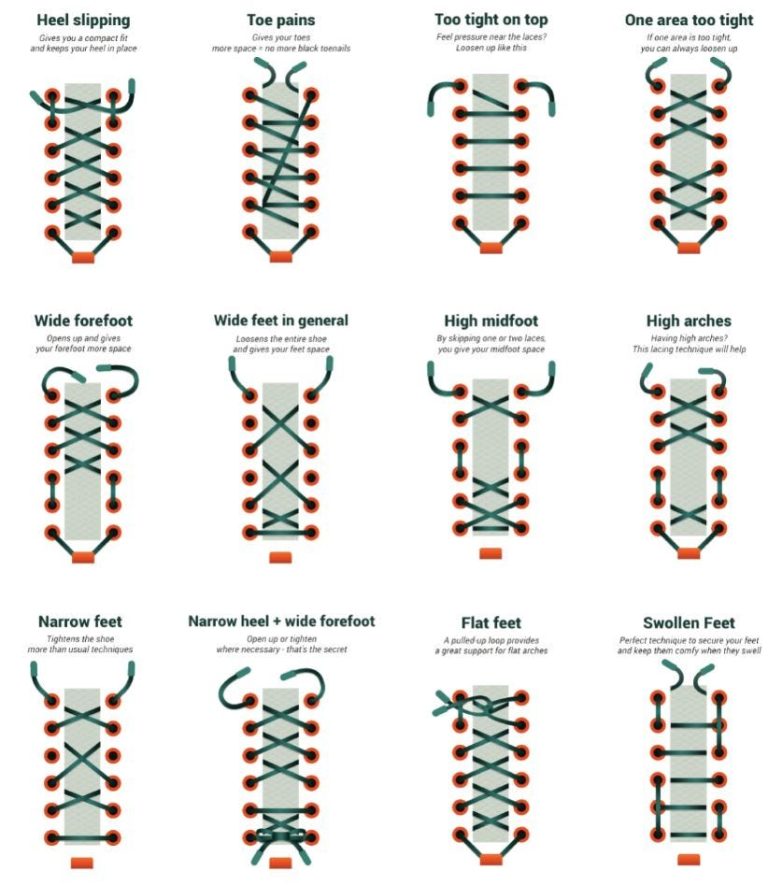
If your heel moves, use a heel-lock lacing method. If the top of your foot feels compressed, loosen the lower eyelets while keeping the upper eyelets secure.
Lacing should hold the foot without cutting off circulation. Your toes should remain warm and free to move.
Care and Maintenance
Basic care can extend the useful life of the Prodigio Max.
After a muddy run:
- Remove loose dirt with a soft brush.
- Rinse with cool or lukewarm water.
- Remove the insoles.
- Let the shoes dry at room temperature.
- Keep them away from strong direct heat.
- Do not use a dryer, radiator, or hot car dashboard.
Heat can damage adhesives, foam, and upper materials. Do not put trail shoes in a washing machine unless the manufacturer specifically allows it.
If the shoes become soaked during a run, stuff them with plain paper and replace the paper as it absorbs water. Avoid storing wet shoes in a closed bag.
Common Buying Mistakes
The most common mistake is choosing the shoe by cushioning alone. A comfortable midsole cannot fix a poor fit.
Avoid these errors:
- Buying the same size as a different brand without trying it.
- Testing only on flat ground.
- Ignoring toe room for downhill running.
- Using a trail shoe mainly on pavement.
- Running an ultra in the shoe before testing it.
- Assuming “max cushion” means soft and unstable.
- Ignoring outsole wear on technical terrain.
- Wearing thin socks when you normally use thick trail socks.
The best test includes walking, climbing, descending, and standing on an uneven surface. If the shoe feels secure in all four situations, it has a better chance of working on the trail.
Frequently Asked Questions
Is the La Sportiva Prodigio Max good for ultra running?
Yes, its high-cushion design and protective build make it suitable for many ultra-distance training runs and races. The final choice depends on your foot shape, terrain, race rules, and comfort over long hours.
Is the Prodigio Max waterproof?
The standard trail version should not be treated as fully waterproof unless the product listing specifically identifies a waterproof membrane. Breathable mesh usually allows water to enter. For wet conditions, consider waterproof socks or a shoe made for wet weather, while remembering that waterproof shoes can hold heat and water after flooding.
Can I use the Prodigio Max for road running?
You can use it for short road connections, but it is not the most efficient choice for regular road mileage. Trail rubber and lugs can feel less smooth on asphalt and may wear faster.
Does the Prodigio Max run small?
Sizing is personal and may vary by foot shape and region. Try the shoe with trail socks and leave enough room for toe movement and swelling. Check the current U.S. size chart rather than relying only on your normal shoe size.
Is it good for hiking?
Yes, the cushioning, grip, and protection can work well for fast hiking and long day hikes. Backpackers carrying heavy loads may prefer a hiking shoe or boot with more structure, especially on rough terrain.
Key Takeaways
- The La Sportiva Prodigio Max is built for long, technical trail runs.
- Its main strengths are cushioning, protection, and mountain traction.
- It is better suited to ultra-distance efforts than short, fast trail races.
- Fit is critical, especially around the heel and toes.
- It may not suit very wide feet, deep mud, or frequent road running.
- Check current U.S. specifications because materials and measurements can change.
- Test the shoe on both climbs and descents before using it in a race.
Conclusion
The La Sportiva Prodigio Max is a sensible option for U.S. runners who want a protective, high-cushion trail shoe for long and rocky routes. Its design favors comfort over minimal weight and control over a soft, road-like feel.
Choose it when your main need is dependable comfort over many miles. Look elsewhere if you want a very light shoe, a broad wide-fit design, or an outsole made mainly for deep mud. Before buying, confirm the current specifications, test the fit with your trail socks, and make sure your toes stay clear of the front on descents.