La Sportiva Bushido Trail Running Shoes: Best Buying Guide

Introduction
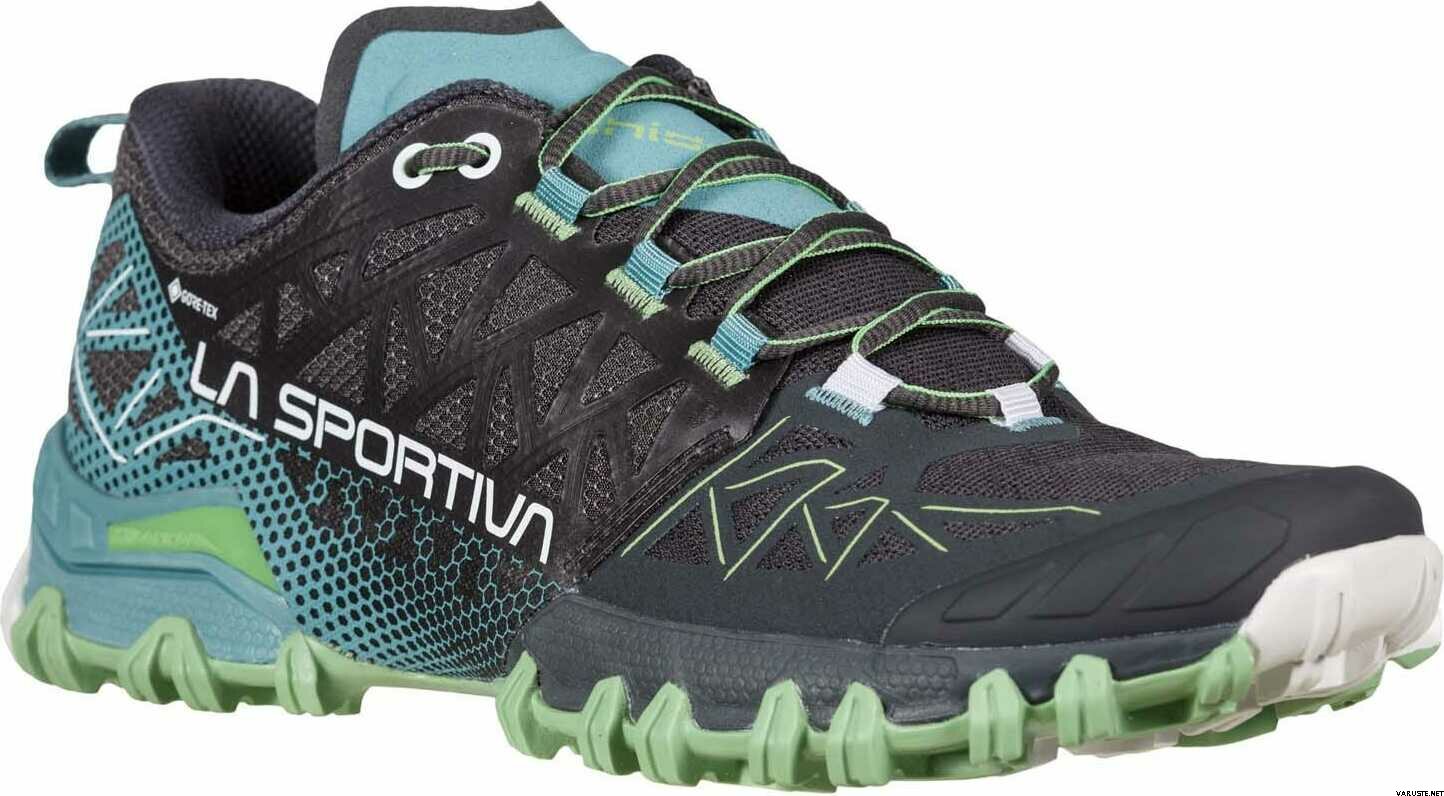
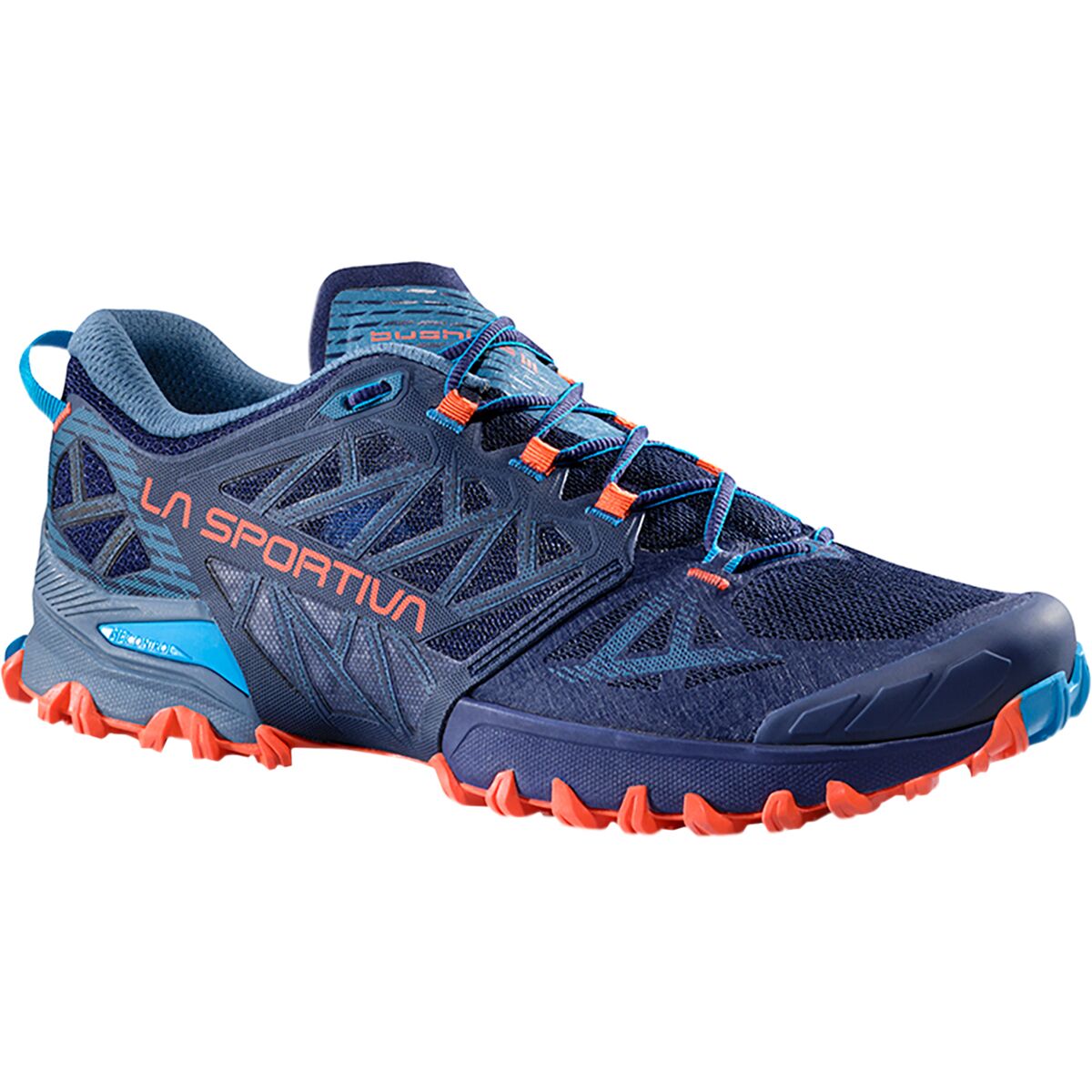
For runners in the United States, the La Sportiva Bushido trail running shoe is built for rocky paths, steep singletrack, and uneven mountain terrain. It offers a close, secure fit and strong grip rather than a soft, road-shoe feel.
The Bushido line suits runners who value control on technical trails. It may feel firm or narrow to people who prefer wide shoes, thick cushioning, or a relaxed fit. This guide explains the main Bushido models, fit, terrain use, grip, comfort, durability, and key limits.

What Is the La Sportiva Bushido?
The La Sportiva Bushido is a technical trail shoe made by La Sportiva, an Italian outdoor brand sold widely in the United States. The shoe is designed for off-road running on rock, dirt, roots, and steep ground.
The Bushido is not a simple road-to-trail shoe. Its design favors:
- Secure foot hold
- Precise control
- Aggressive outsole grip
- Protection from rough ground
- A snug, low-profile feel
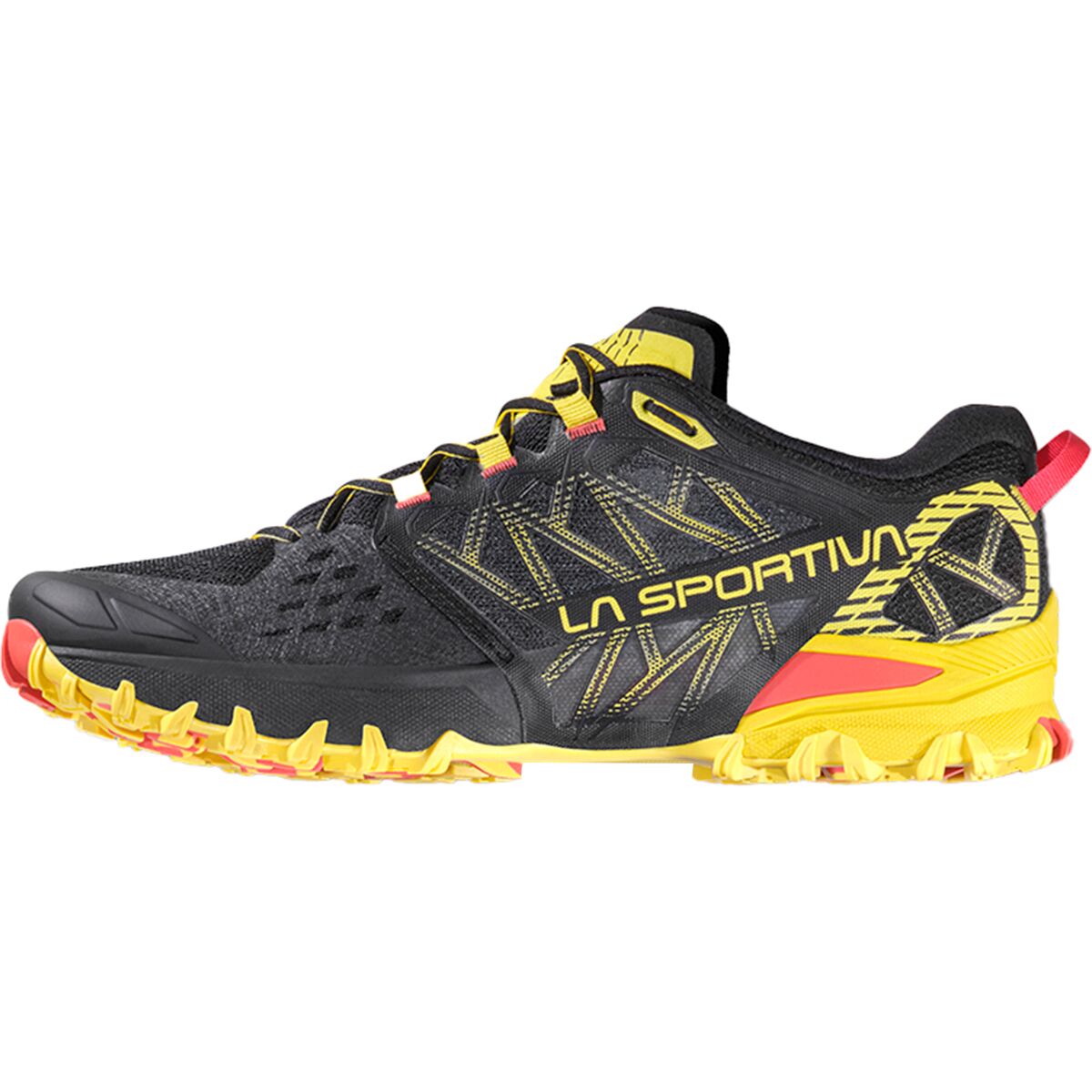
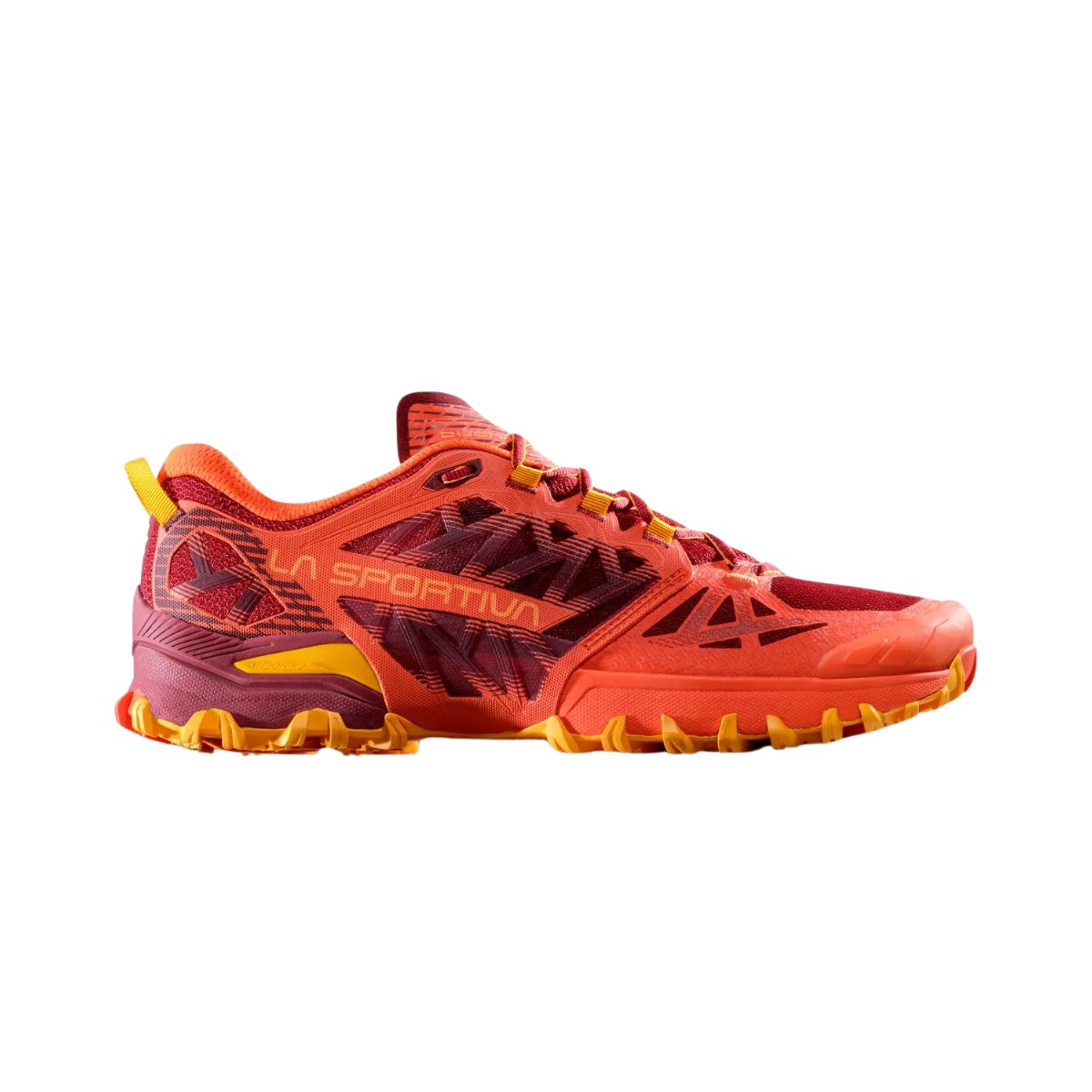
La Sportiva has released several versions, including the Bushido II and Bushido III. Features can change between versions and men’s and women’s models, so check the exact product page before buying.
Main Bushido features
Most Bushido models use a mix of:
- A grippy rubber outsole
- Multi-directional lugs
- A protective toe area
- A structured upper
- A snug midfoot wrap
- A firm, responsive midsole
- A rock-oriented trail design
The shoe’s shape is one of its defining traits. It holds the foot closely, which can help on side slopes and rough descents. The same shape can create pressure for runners with wide feet or high-volume feet.
Bushido II versus Bushido III
The Bushido III is the newer model in the line. It keeps the Bushido’s technical trail focus but updates the upper, fit, and construction. The Bushido II remains available through some U.S. retailers, often at a lower price.
| Feature | Bushido II | Bushido III |
|---|---|---|
| Best use | Technical trail running and hiking | Technical trail running and hiking |
| Fit | Snug, often narrow in the forefoot | Still secure, with an updated fit |
| Grip | FriXion rubber outsole with trail lugs | Updated outsole design and rubber package |
| Ride | Firm and precise | Firm, controlled, and refined |
| Buying point | Often costs less when on sale | Usually costs more as the newer model |
| Main caution | Limited room for wide feet | Fit still may not suit wide feet |
Exact stack height, weight, drop, and materials may differ by version and size. Product pages also change by region. Use the current La Sportiva U.S. listing for the model you plan to buy.
How Does the Bushido Perform on Trails?
The Bushido performs best on technical trails where foot placement matters more than soft cushioning. Its outsole and close fit help the shoe feel stable on rock, roots, loose dirt, and uneven ground.
Grip on rock and dirt
La Sportiva uses its FriXion rubber family on Bushido models. The rubber is made for outdoor traction, but grip depends on the exact compound, surface, and conditions.
The Bushido is strongest on:
- Dry rock
- Rocky singletrack
– Hard-packed dirt - Roots
- Steep climbs
- Technical descents
- Mixed mountain trails
Wet rock is more complex. Even a high-quality rubber outsole can slip on polished stone, wet roots, mud, or loose gravel. Tread depth and rubber compound help, but they cannot remove the need for careful foot placement.
Stability on uneven ground
The Bushido’s firm platform helps reduce excess movement inside the shoe. This can make it feel more stable than a soft, tall trail shoe on uneven ground.
That stability comes from the whole design, not just the outsole. The upper, midsole, heel hold, and outsole work together. A snug fit also helps the shoe respond when the trail tilts sideways.
This does not mean the shoe prevents ankle injuries. It also does not replace strength, balance, or good trail judgment.
Protection from rocks
The Bushido offers useful protection for rocky trails, but it is not a heavy-duty mountain boot. The outsole and midsole help reduce the feel of sharp ground. The toe area also helps guard against light impacts.
You may still feel large rocks underfoot. Runners who want maximum protection for long talus walks or loaded hikes may prefer a shoe with more cushioning or a stiffer rock plate.
Speed and response
The shoe feels quick because it does not have a large, soft platform. It encourages a direct connection with the trail. That can help runners who like to move with short, precise steps.
The trade-off is comfort over long, smooth miles. A firm shoe may feel less forgiving than a plush model on pavement, fire roads, or easy dirt paths.

Who Should Buy La Sportiva Bushido Trail Running Shoes?
The Bushido is a strong match for runners who spend much of their time on technical trails and want a precise, secure shoe. It is less suitable for runners who need a broad toe box or soft cushioning.
The Bushido may suit you if you:
- Run on rocky or steep trails
- Prefer a firm and responsive ride
- Want strong outsole traction
- Like a close-fitting shoe
- Value control on descents
- Often run on narrow mountain paths
- Use trail shoes for hiking as well as running
You may want another shoe if you:
- Have wide feet
- Need a high-volume upper
- Prefer soft, deep cushioning
- Run mostly on pavement
- Want one shoe for road and trail use
- Need strong comfort for long flat miles
- Dislike firm midsoles
The best trail shoe is not the one with the longest feature list. It is the one that matches your foot and your most common terrain.
Bushido fit for wide feet
The Bushido often feels narrow in the toe and midfoot, especially in standard sizing. Some runners may solve this by going up half a size, but extra length does not always fix a narrow shape.
A longer shoe can cause the heel to move. That may create blisters or reduce downhill control. If your toes touch the sides even when the length is correct, look for a wide version or a different model.
La Sportiva and retailers may offer selected Bushido versions in wider options. Availability can vary by model, color, size, and U.S. retailer.
How the fit should feel
When trying the shoes on:
- Wear the socks you use for trail runs.
- Check that your toes can move slightly.
- Make sure your heel stays in place.
- Walk downhill or use an incline if possible.
- Look for pressure over the little toe and the top of the foot.
- Do not rely on painful “break-in” as a fix for poor fit.
A trail shoe should feel secure, not cramped. Mild upper stiffness may improve with use. Numbness, sharp pressure, or repeated rubbing usually signals a fit problem.
Bushido Sizing and Comfort Guide
Start with your normal running-shoe size, then compare the Bushido’s measurements and return terms with your current shoes. La Sportiva sizing can feel different from U.S. road-running brands.
Trail runners often need a little more space than they expect. Feet may swell during long runs, and downhill movement pushes the toes toward the front of the shoe.
Fit checks before a long run
Use these checks before taking the shoe into the mountains:
- Leave about a thumb’s width in front of the longest toe.
- Keep the heel seated when walking downhill.
- Confirm that the forefoot does not bulge over the sole.
- Check both feet, since many people have one larger foot.
- Test the shoe with your planned socks.
- Wear it indoors long enough to find pressure points.
Do not judge fit only while sitting. A shoe can feel fine at rest but become tight after several miles.
Break-in period
Some runners find the Bushido comfortable at once. Others need a few short walks or easy runs for the upper to soften. The shoe should not require a painful break-in period.
A sensible process is:
- Wear the shoes indoors for 20 to 30 minutes.
- Walk on a flat surface.
- Run an easy trail for 30 to 45 minutes.
- Check for hot spots and toe pressure.
- Increase distance only if the fit remains comfortable.
If a hot spot appears early, stop and address it. Continuing can turn a small rubbing point into a blister.
Cushioning and long-distance use
The Bushido can work for long trail runs if its firm ride suits you. Comfort depends on your body, pace, terrain, pack weight, and shoe rotation.
It may feel less comfortable than a highly cushioned shoe on:
- Long road sections
- Smooth gravel paths
- Flat races
- Very long runs for runners who prefer soft foam
- Hard, dry trails with little natural give
There is no universal mileage limit. Replace the shoe when the outsole, midsole, upper, or fit no longer supports your needs.

Bushido II and Bushido III: Which Should You Choose?
Choose the Bushido III if you want the newer design and its updated construction. Choose the Bushido II when it fits well and offers a meaningful discount.
The newer model is not automatically better for every runner. Fit remains the first test. A discounted older shoe that fits your foot may be a better buy than a newer shoe that creates pressure.
Choose the Bushido II when:
- You already know the Bushido II fits you
- You find it at a good U.S. sale price
- You prefer its feel
- You need a proven technical trail design
- You can confirm that the shoe is new and stored well
Choose the Bushido III when:
- You want the current Bushido design
- You prefer updated upper materials
- You want the latest version of the outsole package
- You are buying from an authorized retailer
- The fit works without pressure
What to compare before buying
Check these details on the exact product page:
- Model name and version
- Men’s or women’s construction
- Available width
- Heel-to-toe drop
- Weight per shoe and stated size
- Outsole compound
- Lug pattern
- Return period
- Warranty terms
- Current price and stock
Weights and measurements are not always listed under the same size or test method. Do not compare numbers without checking the size and version.
Care, Durability, and Replacement
The Bushido can last well when used on suitable trails and cared for after wet or muddy runs. Durability depends on runner weight, stride, terrain, mileage, surface abrasiveness, and cleaning habits.
Basic care
After a muddy run:
- Remove the insoles.
- Brush away loose dirt.
- Rinse with cool or lukewarm water.
- Let the shoes dry in a cool, ventilated place.
- Keep them away from heaters and direct high heat.
- Refit the insoles only after the shoes are dry.
Avoid washing trail shoes in a hot machine cycle unless the manufacturer permits it. Heat can damage adhesives, foam, and synthetic materials.
Signs the shoes need replacement
Replace the shoes when you notice a meaningful loss of function, such as:
- Smooth or badly worn lugs
- Cracks in the outsole
- A compressed or uneven midsole
- A loose heel counter
- Torn upper panels
- Repeated foot pain that began after the shoe became worn
- Reduced grip on terrain where the shoe once worked well
Mileage can help you monitor use, but it should not be the only rule. A rocky trail may wear an outsole faster than a soft dirt path.
Can you use Bushido shoes for hiking?
Yes, many people use the Bushido for day hikes and fast hikes. The outsole and close fit can work well on rocky routes.
The shoe is not the same as a hiking boot. It offers less ankle coverage and may provide less protection under a heavy pack. For snow, deep mud, water crossings, or technical scrambling, consider footwear made for those conditions.
Common Buying Mistakes
The most common mistake is buying the Bushido for its grip without checking the fit. A technical outsole cannot make an uncomfortable shoe work.
Other common errors include:
Buying too small
A tight toe box can cause bruising, numbness, or black toenails on descents. Leave room for toe movement and foot swelling.
Assuming all La Sportiva shoes fit alike
Different La Sportiva models can use different lasts and upper shapes. A good fit in a climbing shoe or hiking shoe does not guarantee a good fit in the Bushido.
Using the shoe mainly on roads
The Bushido can handle short paved sections, but its trail-focused outsole and firm ride may feel less efficient and comfortable than a road-running shoe.
Ignoring return policies
Buy from a seller with a clear U.S. return policy. Test the shoes indoors first. Outdoor dirt, wear, and water may limit your ability to return them.
Treating grip as a safety guarantee
Rubber grip has limits. Wet leaves, polished rock, ice, mud, and loose scree can still cause slips. Slow down when the surface changes.
Frequently Asked Questions
Are La Sportiva Bushido shoes good for beginners?
They can be good for beginners who run on technical trails and have a foot shape that matches the snug fit. They may not be the easiest first trail shoe for runners who want soft cushioning or extra room.
Are Bushido shoes waterproof?
Standard Bushido trail-running shoes are generally not fully waterproof. Some versions may use different upper materials, but a water-resistant upper is not the same as a waterproof membrane. Check the exact model description.
Do La Sportiva Bushido shoes run small?
Many runners find the Bushido snug, especially in the forefoot. That does not mean every runner should size up. Check both length and width, then use the retailer’s return policy if the fit is uncertain.
Are Bushido shoes good for road running?
They can handle short road sections, but they are designed mainly for trails. Regular road use may wear the lugs faster and may feel less comfortable than a road shoe.
How much do La Sportiva Bushido shoes cost in the United States?
Prices vary by model year, retailer, color, size, and sale period. Check La Sportiva’s U.S. website and authorized retailers for the current price. Older Bushido models may cost less when a newer version is available.
Can I use Bushido shoes for a trail race?
Yes, they can work well for races with rocky, technical, or steep terrain. Test them during training first. Race-day comfort depends on fit, distance, weather, and your preference for firm or soft cushioning.
Key Takeaways
- The La Sportiva Bushido is a technical trail-running shoe for rocky and uneven terrain.
- Its main strengths are grip, close fit, and precise trail control.
- The snug shape may not suit wide or high-volume feet.
- Bushido II may offer better value, while Bushido III provides the newer design.
- Check the exact model, size, drop, weight, width, and return policy before buying.
- Test the shoes on short runs before using them for a long race or mountain route.
Conclusion
The La Sportiva Bushido is best for U.S. trail runners who want a firm, controlled shoe for technical ground. It can feel confident on rock, roots, steep paths, and uneven descents.
Its main limit is fit. If the shoe feels narrow or too firm, a different trail model may serve you better. Before buying, match the Bushido version to your foot shape, terrain, run length, and preferred level of cushioning.