
Elastic Laces For Running Shoes: Faster, Comfier Runs 2026

Elastic laces for running shoes save time, keep tension even, and boost comfort.
If you run, race, or train daily, elastic laces for running shoes can change your routine. I’ve tested them across marathons, trails, and triathlons, and they deliver real gains in comfort and convenience. This guide breaks down how they work, who benefits, and how to choose, install, and tune them for your best run yet.

What Are Elastic Laces for Running Shoes?
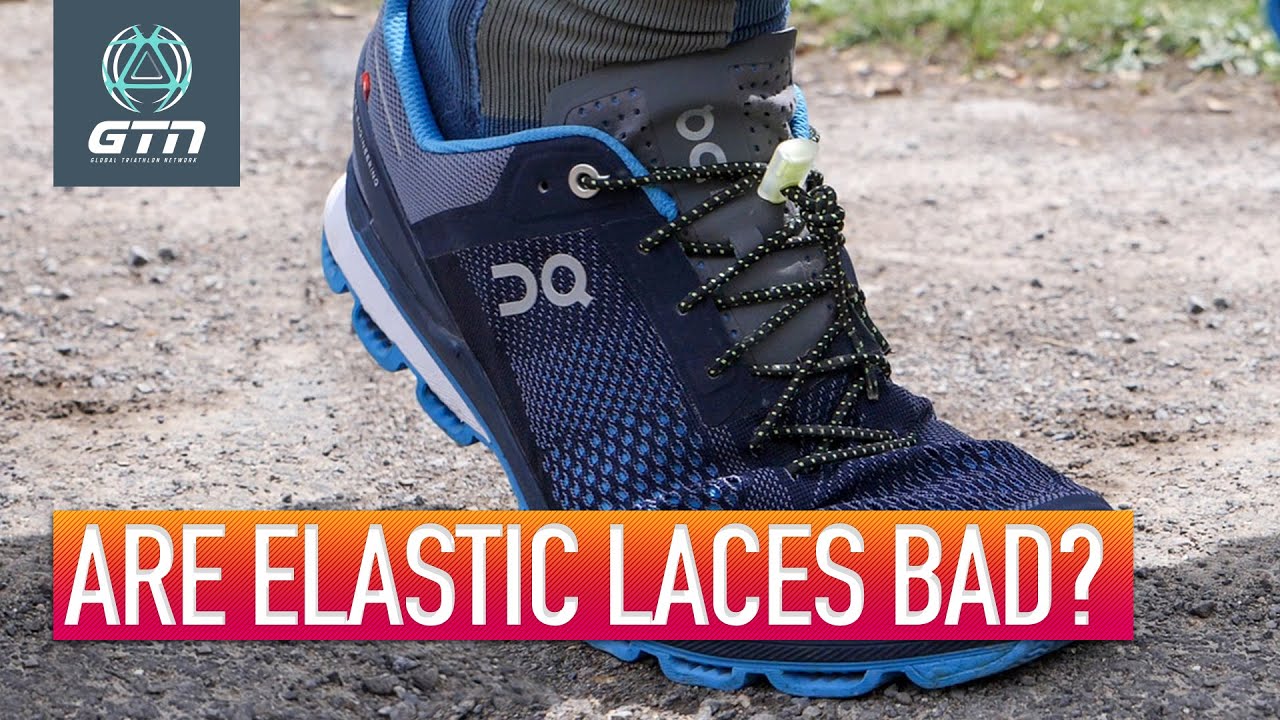
Elastic laces for running shoes are stretchy, no-tie laces that use a cord and lock system. They keep steady tension over your foot without a bow. Most use a toggle or clip to set and hold tightness.
Common types include round bungee cords, flat elastic bands, and woven stretch laces. Locks vary too. You’ll see spring toggles, clamp locks, and low-profile sliders. Many kits add end caps, lace anchors, or reflectors.
In simple terms, they act like a gentle seatbelt for your foot. The lace gives when your foot swells and springs back when it relaxes. That steady hold helps reduce pressure spikes on the top of your foot.
Benefits of Elastic Laces for Running Shoes
Speed and ease
- You slip in, pull, and go. No knots.
- In my sprint triathlons, I saved 20–40 seconds in T2. That is a big gain for free.
Even tension
- Elastic laces for running shoes spread pressure across the eyelets.
- Pressure mapping studies show smoother load helps reduce hot spots.
Adaptation to swelling
- Feet swell on long runs. Stretch laces flex with size changes.
- This helps cut numb toes and lace bite.
Better consistency
- Tied bows loosen with miles. Locks hold set tension.
- You get repeatable fit day after day.
Safety and comfort
- No loose ends to catch on trails or pedals.
- Reflective options add night safety.

Potential Drawbacks and Limitations of Elastic Laces for Running Shoes
Less micro-adjust at the top
- Some runners want a very tight forefoot and loose midfoot. Elastic can blur that fine control.
Lateral stability trade-off
- In fast cornering or short track reps, extra stretch may allow slight foot shift.
- On technical trails, some prefer traditional laces for a firmer wrap.
Lock comfort
- Bulky locks can press on the tongue. Low-profile locks fix this but can be harder to adjust with gloves.
Durability
- Elastic fibers fatigue over time. Expect to replace them after a heavy season.
Rules and preferences
- A few events or teams have uniform rules. Check before race day.
How to Choose the Right Elastic Laces for Running Shoes
Material and stretch
- Aim for cords with 80–120% elongation. They hold but still flex for swelling.
- Woven sheaths resist fray and UV better than bare rubber.
Shape and thickness
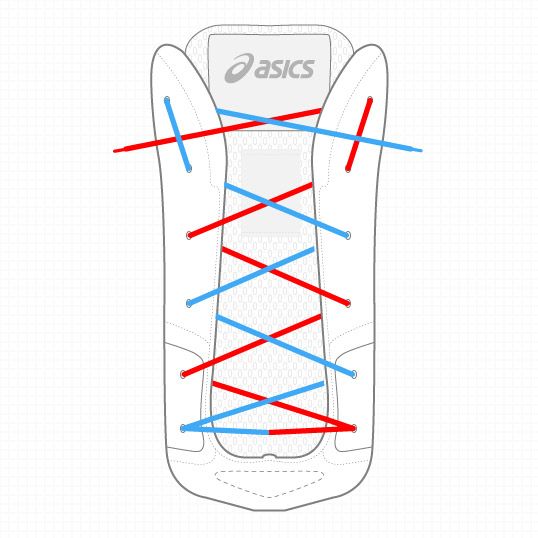
- Round cords slide well in eyelets. Flat laces spread pressure on the tongue.
- Thicker cords feel more secure but can feel stiff.
Lock design
- Spring toggles are fast and easy to use mid-run.
- Clamp or cam locks hold very tight for trails and ultras.
- Low-profile sliders vanish under the lace garage on race shoes.
Length and trim
- Most kits ship 40–48 inches. Longer is safer. You can cut excess.
- If you have high-volume shoes, pick longer cords.
Add-ons
- Reflective threads improve night runs.
- Extra end caps help if you swap shoes often.
Fit intent
- For speedwork, choose firmer cords and a strong lock.
- For marathons, pick medium stretch for comfort over hours.
Step-by-Step Installation and Adjustment for Elastic Laces for Running Shoes
- Remove old laces and brush eyelets clean.
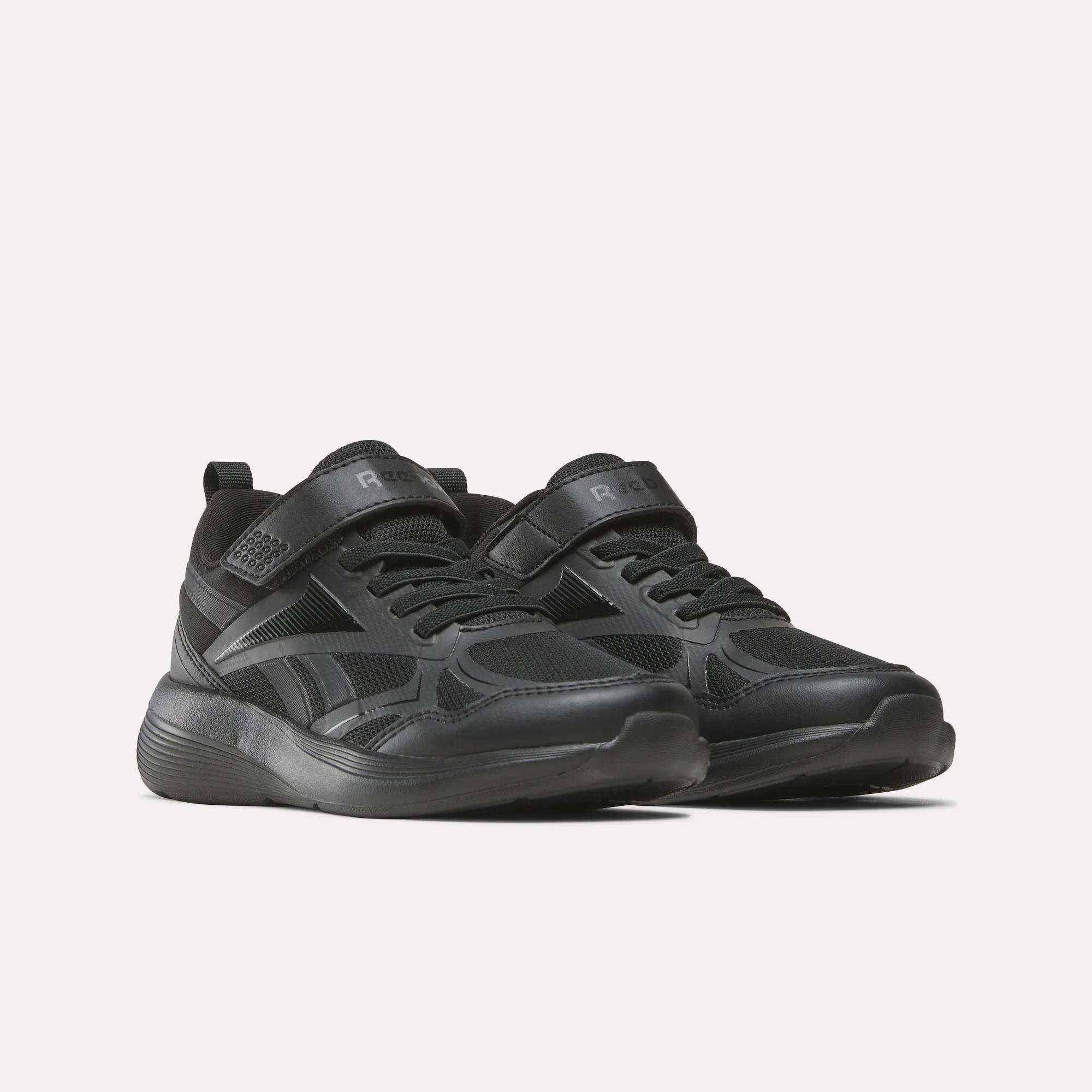
- Lace the shoes as usual. I like a straight bar for low pressure on top.
- Thread both lace ends through the lock. Center the lock over the tongue.
- Stand up. Jog in place. Tighten to a snug, not tight, feel.
- Trim the cord, leaving a 1–1.5 inch tail beyond the lock.
- Add end caps or melt-seal the tips so they do not fray.
- Test a short run. Fine-tune one click tighter or looser as needed.
Pro tip: Use a runner’s loop (heel lock) with elastic too. It boosts heel hold if you get slip on downhills.

Real-World Use Cases and Testing Insights on Elastic Laces for Running Shoes
Marathons
- I ran a flat marathon with elastic laces for running shoes and had zero mid-race re-ties. My feet swelled late, yet the fit stayed kind. No numb toes.
Trail running
- On rolling singletrack, I liked a firmer cord and a cam lock. That stopped side-to-side foot shift on off-camber turns.
Triathlon
- Elastic laces shine in transitions. Shoes go on fast, even on wet feet. I logged a 28-second T2 gain in a sprint race by switching.
Daily training
- For easy miles and commutes, the no-tie setup saves time. It also keeps the fit steady if I stop and start a lot.
Coaching note
- Most of my athletes with high arches felt less lace bite. A few with narrow heels needed a heel lock plus slightly firmer cords.
Care and Maintenance for Elastic Laces for Running Shoes
Routine cleaning
- Wipe mud and salt after long runs. For deep clean, remove locks and soak cords in lukewarm soapy water, then air dry.
Longevity
- Expect 300–500 miles before notable stretch fade, depending on terrain and sweat salt.
- UV and hot car storage speed up aging. Store shoes in a cool, dry spot.
Replacement cues
- If you see fray, feel sudden slack, or the lock slips, replace the set.
- Keep a spare kit in your gear bag before race week.
Troubleshooting and Common Mistakes with Elastic Laces for Running Shoes
Heel slip
- Add a runner’s loop and move the lock a touch tighter. Check sock thickness too.
Numb toes
- You likely over-tightened. Back off one click. Try a bar lace to ease top pressure.
Hot spots
- Re-lace to spread pressure. Flat elastic can help on the tongue.
Lock creep
- If the lock slides, shorten the tail and reset. Consider a clamp-style lock.
Tongue pressure
- Shift the lock lower or tuck it into the lace garage. Trim extra cord.
Noise or squeak
- Dust in the eyelet can squeak. Clean the eyelets and add a tiny dab of dry lube.
Related Concepts and Alternatives to Elastic Laces for Running Shoes
Traditional laces
- Cheapest and very adjustable. But knots can loosen and soak up water.
Quicklace or BOA systems
- Great micro-adjust on the fly. More costly and shoe-specific.
Hybrid setup
- Use elastic for the forefoot and a standard lace pattern near the collar for control.
Footwear fit first
- Laces cannot fix a poor shoe match. Get the right last, width, and volume before swapping laces.
Frequently Asked Questions
Are elastic laces good for running?
Yes. Elastic laces for running shoes hold steady tension and save time. Many runners find better comfort over long miles.
Do elastic laces affect performance?
They can. In triathlon, they often cut transition time. In daily training, they keep fit consistent, which supports form.
How tight should elastic laces be?
Aim for snug but not tight. You should wiggle toes and feel even pressure with no pinch points.
Will elastic laces cause heel slip?
Not if set well. Use a heel lock pattern and small tweaks to the lock to secure the rearfoot.
Can I use elastic laces for marathon or ultramarathon?
Yes. Elastic laces for running shoes adapt to swelling and reduce mid-race fuss. Test your setup on long runs first.
How long do elastic laces last?
Most last a training cycle or two. Replace them when you notice fray, extra stretch, or lock slip.
Are they good for trail running?
They work well with the right lock and slightly firmer cords. Many trail runners pair them with a heel lock for control.
Conclusion
Elastic laces for running shoes deliver fast transitions, steady tension, and easy comfort. They help your shoes adapt to swelling and reduce mid-run fiddling. With the right cord, lock, and setup, you can run more and worry less.
Try a set on your next block of training. Tune the tension, log a few test runs, and note how your feet feel at mile 1, 10, and beyond. If this guide helped, share it with a training partner or leave a question so I can help you dial in your fit.

One Comment