Gore Tex Running Shoes Women: Best Picks For Comfort

Gore Tex running shoes women keep feet dry, warm, and steady in wet, cold conditions.
If you run in rain, slush, wind, or muddy trails, Gore Tex running shoes women can make a real difference. I’ve found that the right waterproof running shoe is less about “extra gear” and more about staying comfortable enough to keep moving. In this guide, I’ll break down how they work, when they help, where they fall short, and how to choose a pair that fits your runs, your weather, and your feet.
What Gore Tex Running Shoes Women Are
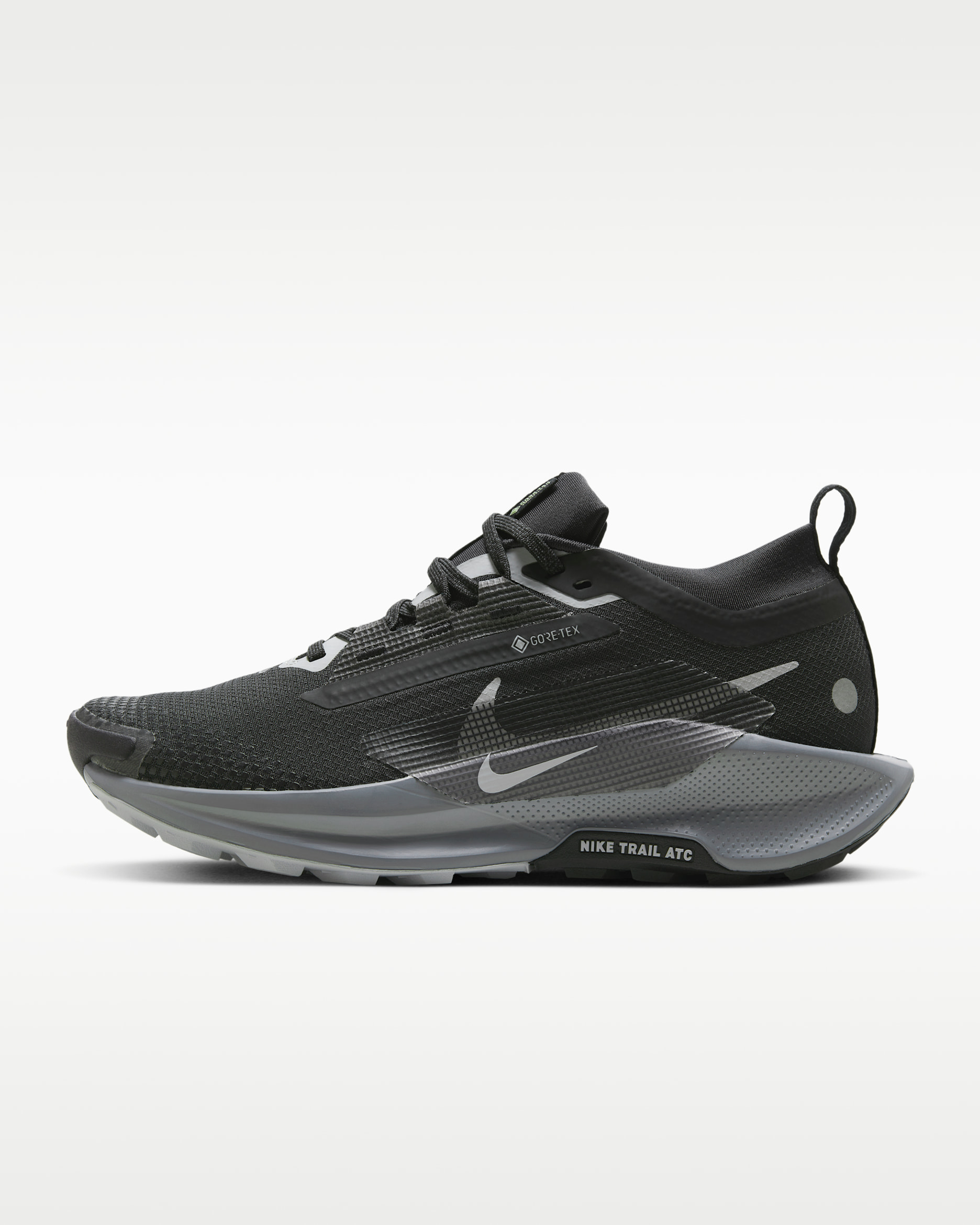
Gore Tex running shoes women are running shoes built with a Gore Tex membrane inside the upper. That membrane blocks water from getting in while still letting some sweat vapor escape. In simple terms, it helps keep outside moisture out without turning the shoe into a sealed plastic bag.
These shoes are made for runners who deal with wet conditions often. Think rainy city runs, damp sidewalks, snowy paths, and muddy park loops. They are not just for trail runners, though trail use is where they often shine most.
The big idea is balance. You want protection from weather, but you still need comfort, fit, and enough breathability to keep your feet from feeling swampy. That balance is what makes Gore Tex running shoes women so popular with year-round runners.

How Gore Tex Works in Running Shoes
Gore Tex is a waterproof, windproof membrane with tiny pores. Those pores are small enough to block liquid water droplets, but large enough to allow water vapor from sweat to pass through. That is why the shoe can feel dry on the outside and still breathe better than a fully sealed boot.
In running shoes, the membrane is usually built into the upper and paired with taped seams or water-resistant layers. This matters because even a great membrane can fail if water sneaks in through weak construction points. Good design is just as important as the material itself.
From my own testing in wet weather, the best Gore Tex running shoes women did not feel “clunky” the way older waterproof shoes sometimes did. The best pairs felt smooth and flexible, like a normal running shoe with a weather shield built in.
Who Should Buy Gore Tex Running Shoes Women
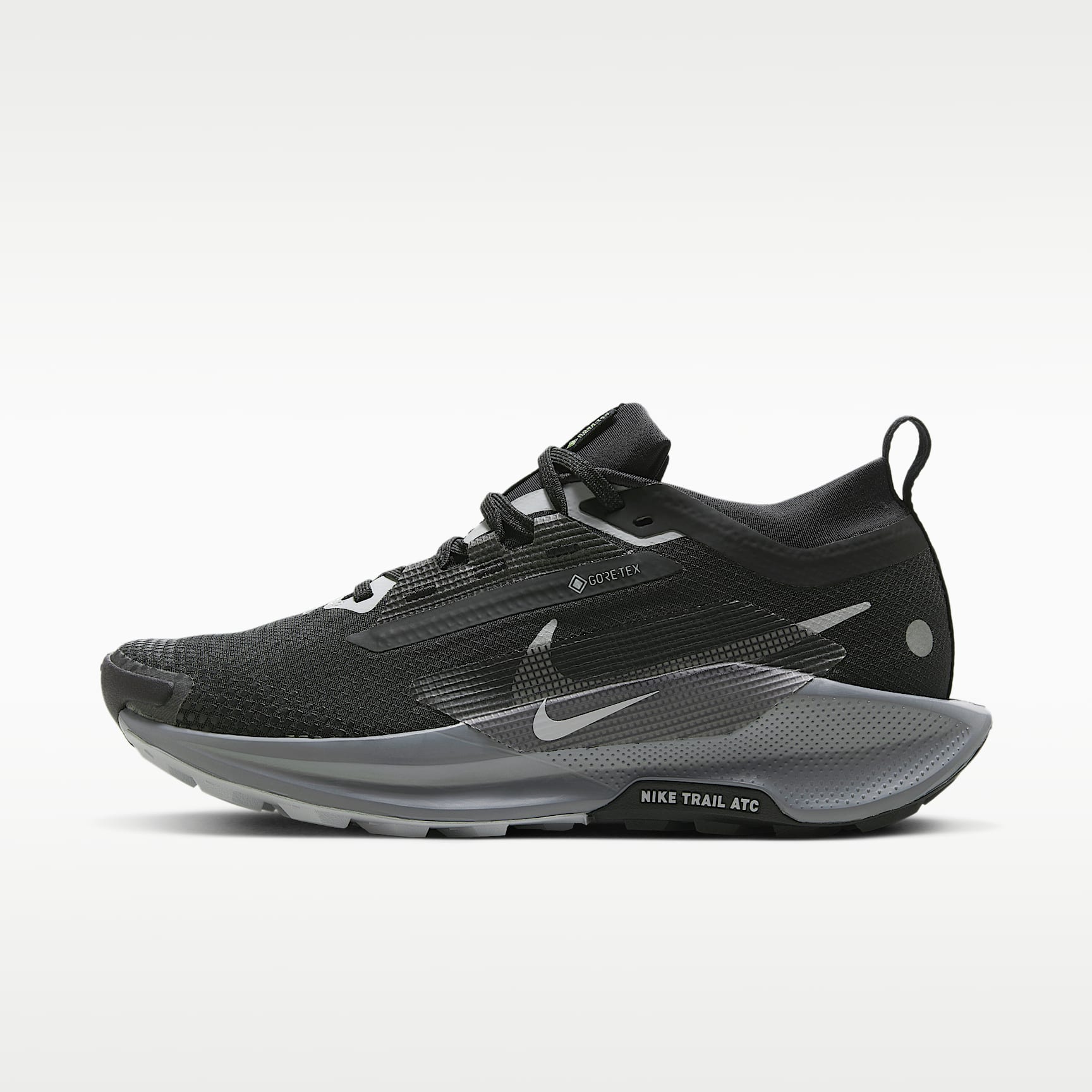
Not every runner needs waterproof shoes. But Gore Tex running shoes women are a smart choice if your runs regularly happen in wet or cold weather. They are especially useful if you do not want to skip training just because the forecast looks messy.
They are a strong fit for:
- Road runners who deal with rain, puddles, and wet pavement
- Trail runners who cross mud, dewy grass, or shallow water
- Commuter runners who run to work or errands in bad weather
- Runners in cold climates who want extra protection from slush and wind
- New runners who want one reliable pair for a wide range of conditions
They may not be the best choice if you run in hot, dry weather most of the year. In warm climates, the waterproof layer can feel too warm for some people. That is one of the biggest tradeoffs to understand before buying.

Main Benefits of Gore Tex Running Shoes Women
The biggest benefit is simple: dry feet feel better, and better comfort usually means better runs. Wet feet can lead to blisters, cold toes, and that heavy, soggy feeling that makes every mile harder. Gore Tex running shoes women can reduce that problem a lot.
Here are the main benefits:
- Water resistance helps keep rain and puddles out
- Wind protection helps in cold, open areas
- Better comfort in messy weather can support longer runs
- Less chance of cold, wet feet on winter routes
- More confidence on mixed-weather runs
Another underrated benefit is consistency. I have seen runners improve their winter training simply because they stopped dreading wet mornings. When your shoes are ready for the weather, you are more likely to stick to your plan.
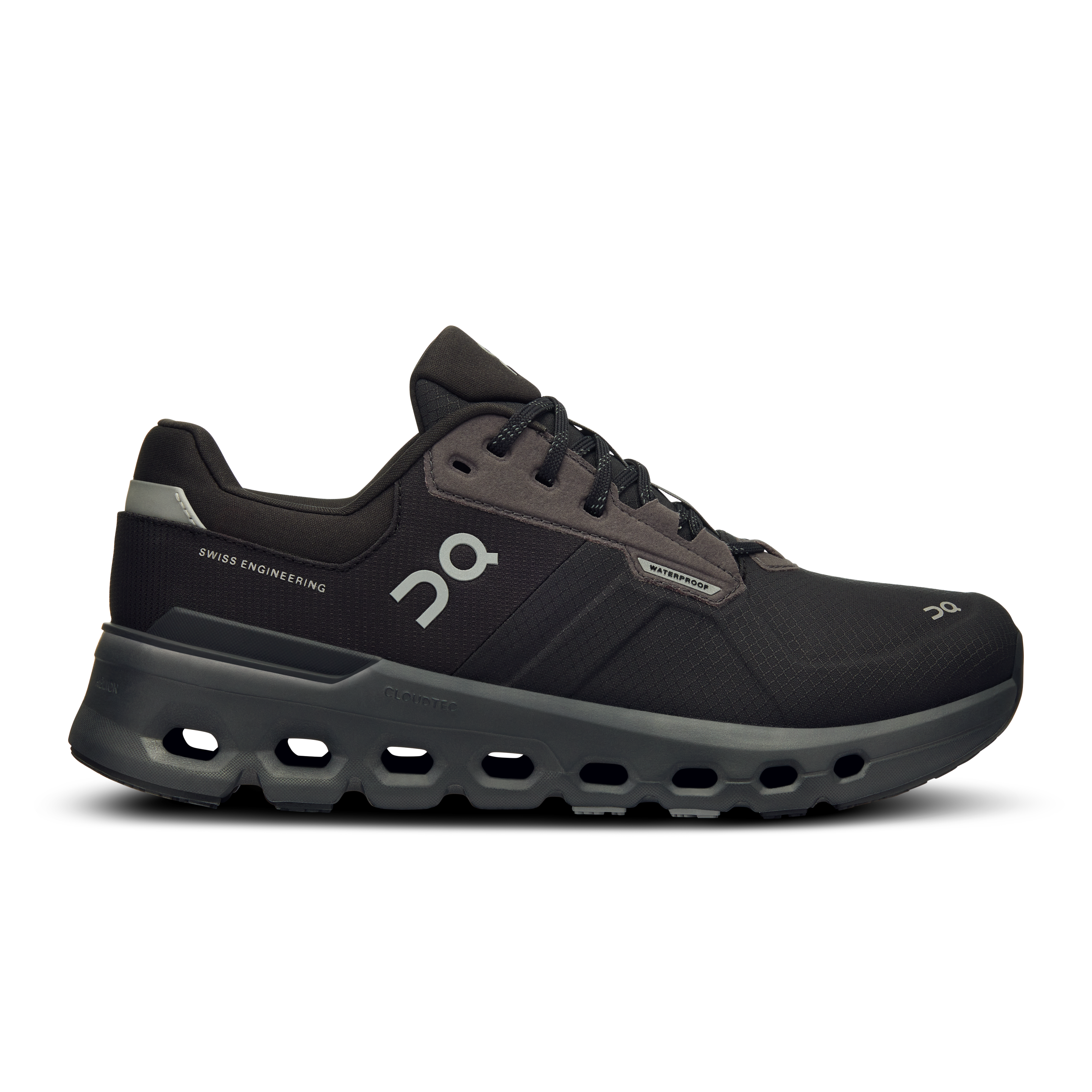
Limitations You Should Know
Gore Tex running shoes women are useful, but they are not perfect. The main downside is reduced breathability compared with a non-waterproof mesh shoe. Even when the membrane breathes, it still traps more heat than a standard running upper.
Other limitations include:
- They can feel warmer in mild or hot weather
- They may dry more slowly if water gets inside from the top
- They often cost more than regular running shoes
- Some models feel slightly stiffer at first
- They are not ideal for every runner or every climate
A mistake I see a lot is buying waterproof shoes for summer use. That can backfire fast. If your runs are mostly dry and warm, a lighter non-waterproof shoe may actually perform better.

How to Choose the Right Pair
Choosing Gore Tex running shoes women is not just about the waterproof label. Fit, cushioning, traction, and intended use all matter. A great shoe on paper can still fail if it does not match your foot or your run style.
Start with your terrain
Road and trail shoes are built differently. Road models are usually smoother and lighter. Trail models often have deeper lugs for grip on dirt, rock, and mud.
Check the fit carefully
Waterproof shoes should still have enough toe room for swelling during longer runs. Your heel should feel secure, and the midfoot should feel stable but not tight. If the shoe pinches before you even run, it will likely feel worse after a few miles.
Think about cushioning
Some runners like soft cushioning for long wet runs. Others prefer a firmer feel for better ground contact. There is no single best option, so match the shoe to your comfort and pace.
Look at the outsole
Wet grip matters a lot. A waterproof upper is only part of the story if the outsole slips on slick pavement or muddy paths. Good traction can make a rainy run feel much safer.
Consider your weather
If you run in constant drizzle, slush, or snow, Gore Tex running shoes women make a lot of sense. If you only see rain a few times a year, you might be better off with a regular shoe and good running socks.
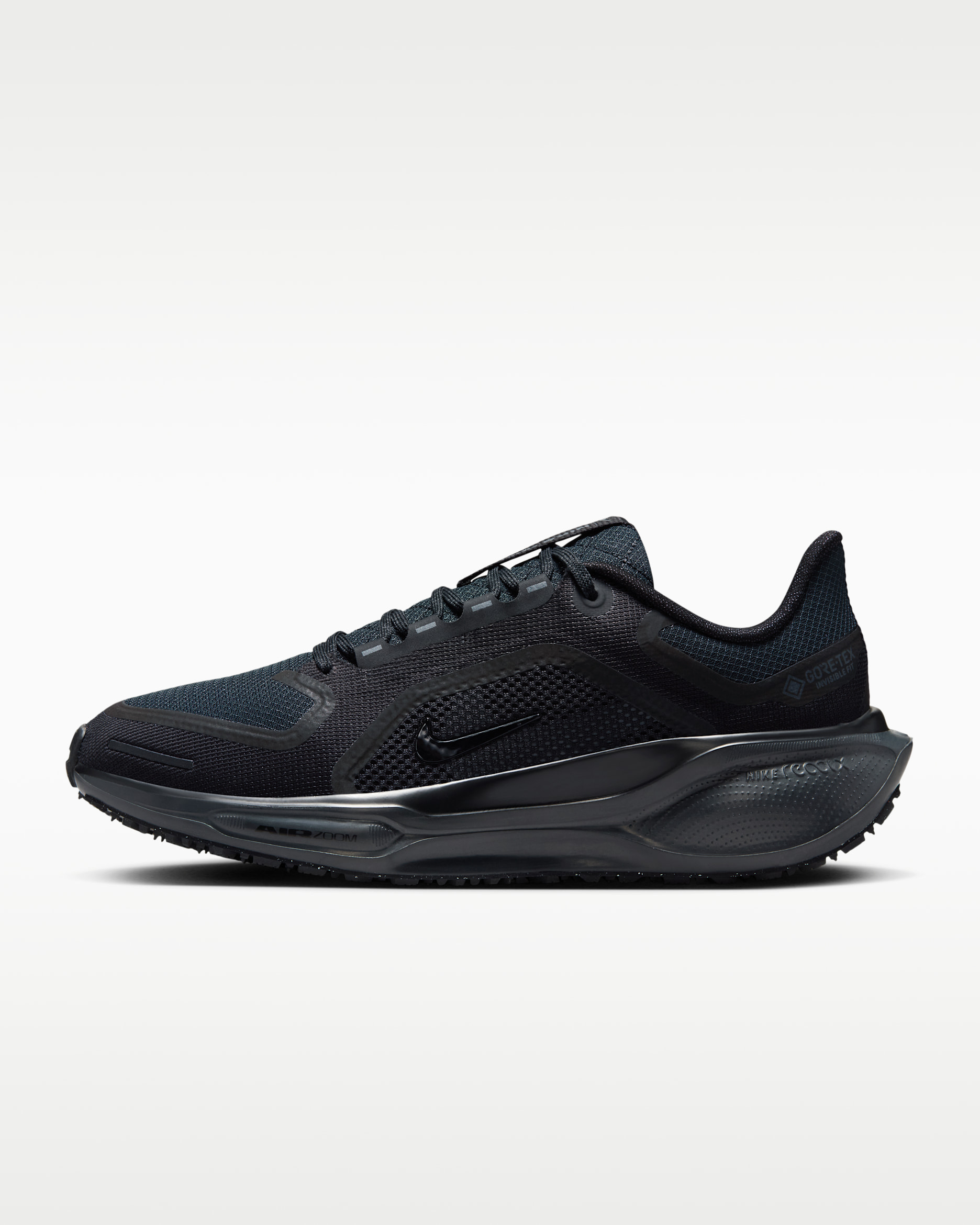
Best Use Cases for Gore Tex Running Shoes Women
These shoes work best when weather is the main problem. They are not magic, but they are very good at making bad conditions easier to handle. Think of them like a reliable rain jacket for your feet.
The best use cases include:
- Winter training runs
- Rainy day road runs
- Muddy trail sessions
- Early morning runs on wet grass
- Travel when you need one shoe for changing weather
I once underestimated how much damp pavement can affect a run. My feet were not soaked, but they felt cold and heavy after only a few miles. That is exactly the kind of situation where Gore Tex running shoes women can feel like a small upgrade that makes a big difference.
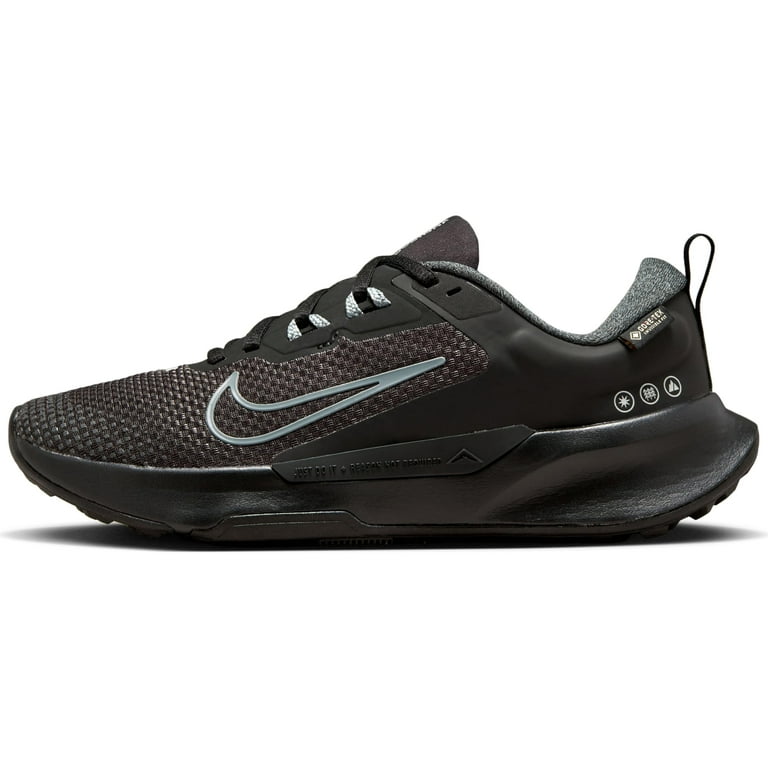
How They Compare with Regular Running Shoes
Regular running shoes are usually lighter and more breathable. That makes them great for warm weather, speed workouts, and everyday training. Gore Tex running shoes women are better when protection matters more than maximum airflow.
Here is the easiest way to think about it:
- Regular shoes are like a T-shirt
- Gore Tex shoes are like a light shell jacket for your feet
That comparison is useful because it shows the tradeoff clearly. You gain weather protection, but you give up some airiness. For many runners, that trade is worth it in the right season.
Materials, Construction, and Fit Details That Matter
A waterproof upper is only one part of the shoe. The rest of the build can change how the shoe feels and performs. Even small details can affect comfort over a long run.
Pay attention to:
- Upper material for comfort and flexibility
- Seam sealing to help block leaks
- Tongue design to reduce water entry from above
- Heel collar padding for a secure feel
- Outsole rubber for wet traction
- Midsole foam for cushioning and energy return
From a practical point of view, I have noticed that tongue shape matters more than many shoppers expect. If the tongue is too short or too thin, water can get in faster from the top. That is a small detail that can save a run.
Care Tips to Make Them Last Longer
Gore Tex running shoes women will last longer if you care for them the right way. Dirt, salt, and mud can break down materials over time. Good maintenance also helps preserve breathability and comfort.
Simple care tips:
- Rinse off mud after trail runs
- Use a soft brush to remove grit from the outsole
- Air dry at room temperature
- Do not place them on direct heat
- Remove insoles if they get damp
- Rotate them with another pair when possible
One thing I learned the hard way is that heat can damage shoes faster than wet weather does. A radiator, dryer, or hot car can warp foam and weaken materials. Gentle drying is much safer.
Common Mistakes to Avoid
A lot of people buy Gore Tex running shoes women for the wrong reasons. The most common mistake is expecting them to solve every weather problem. They help a lot, but they do not make your feet invincible.
Avoid these mistakes:
- Buying them for hot summer running without a clear need
- Choosing the wrong size because waterproof shoes feel different
- Ignoring traction and focusing only on the upper
- Assuming “waterproof” means water cannot enter at all
- Forgetting that sweat still builds up inside the shoe
The last point is important. Waterproof does not mean sweat-free. If you run hard in warm weather, moisture can still build up inside, and that can feel almost as annoying as rain.
Practical Buying Tips from Real-World Use
If you are shopping for Gore Tex running shoes women, start with the conditions you face most often. That simple step can save you money and discomfort. It also helps you avoid buying a shoe that looks great but suits the wrong kind of running.
A few practical tips:
- Try them on with the socks you actually run in
- Leave a little toe room for swelling and winter socks
- Test the fit while walking and lightly jogging if possible
- Choose trail grip if you run on dirt, mud, or snow
- Choose lighter road models if you mainly run on pavement
- Read return policies in case the fit feels off after a test run
If you are between sizes, think carefully before sizing down. Waterproof shoes often feel a bit firmer than non-waterproof models, so a snug fit can become a problem on longer runs. Comfort should always win over looks.
Frequently Asked Questions
Are Gore Tex running shoes women fully waterproof?
They are designed to be waterproof in normal wet conditions, but no shoe is perfect in every situation. Water can still enter from the top if it runs over the collar or if you step deep into water.
Are Gore Tex running shoes women good for hot weather?
Usually not. They can trap more heat than standard mesh running shoes, so they are better for cool, wet, or cold conditions.
Do Gore Tex running shoes women breathe well enough for running?
Yes, but they breathe less than regular running shoes. The membrane lets vapor out, yet it still blocks more airflow than a non-waterproof upper.
Can I use Gore Tex running shoes women for trail running?
Yes, and many trail runners like them a lot. They work especially well on muddy, wet, or cold trails where extra protection helps.
How long do Gore Tex running shoes women last?
Lifespan depends on mileage, terrain, and care. Many runners replace them based on midsole wear and outsole grip rather than the waterproof layer alone.
Conclusion
Gore Tex running shoes women are a smart pick if you run through rain, slush, cold wind, or muddy paths and want your feet to stay more comfortable. They bring real value in the right conditions, especially when regular running shoes leave you cold and soggy. The key is matching the shoe to your weather, terrain, and comfort needs instead of buying the waterproof label alone.
If you are thinking about your next pair, focus on fit, traction, and season first. Then choose the level of protection that matches your routine. Explore a few options, compare their feel, and pick the one that makes you want to keep running, even when the sky turns gray.