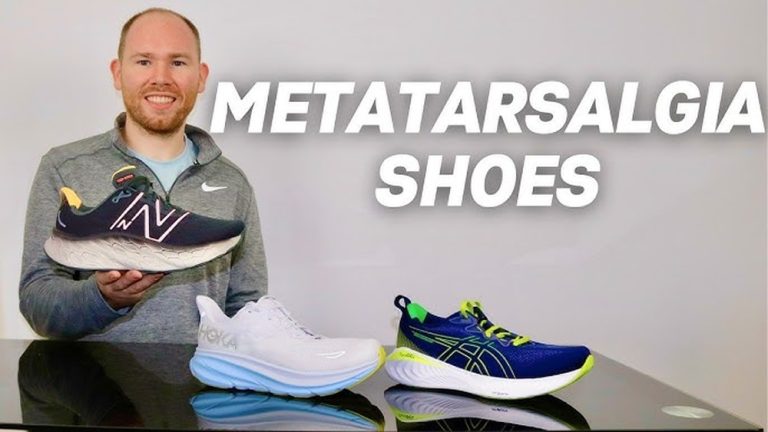
Good Running Shoes For Bad Ankles: Top Picks 2026

Good running shoes for bad ankles have stable support, firm cushioning, and secure heel lock.
If your ankles roll, ache, or feel wobbly on runs, you are not alone. I work with runners who face this every week. In this guide, I break down what makes good running shoes for bad ankles, how to pick the right pair, and how to run safer and happier. You will get clear steps, pro tips, and tested picks that work in real life.

Understanding bad ankles and running mechanics
Bad ankles can mean past sprains, chronic instability, arthritis, tendon issues, or simple weakness. Running loads the ankle with every step, and the joint must guide your foot through pronation and then push off. If control is poor, the ankle wobbles and stress builds.
Common triggers include overpronation, weak peroneal muscles, stiff calves, and poor hip control. Uneven trails, old shoes, and high stacks can also raise the risk. Research links sudden lateral shifts and fatigue with more sprains, which is why shoe stability and fit matter so much.
Good running shoes for bad ankles aim to reduce side-to-side motion and keep your heel centered. They also spread impact, guide the foot forward, and keep traction high. The goal is not to lock the ankle. The goal is smooth and safe movement that lets the ankle do its job well.
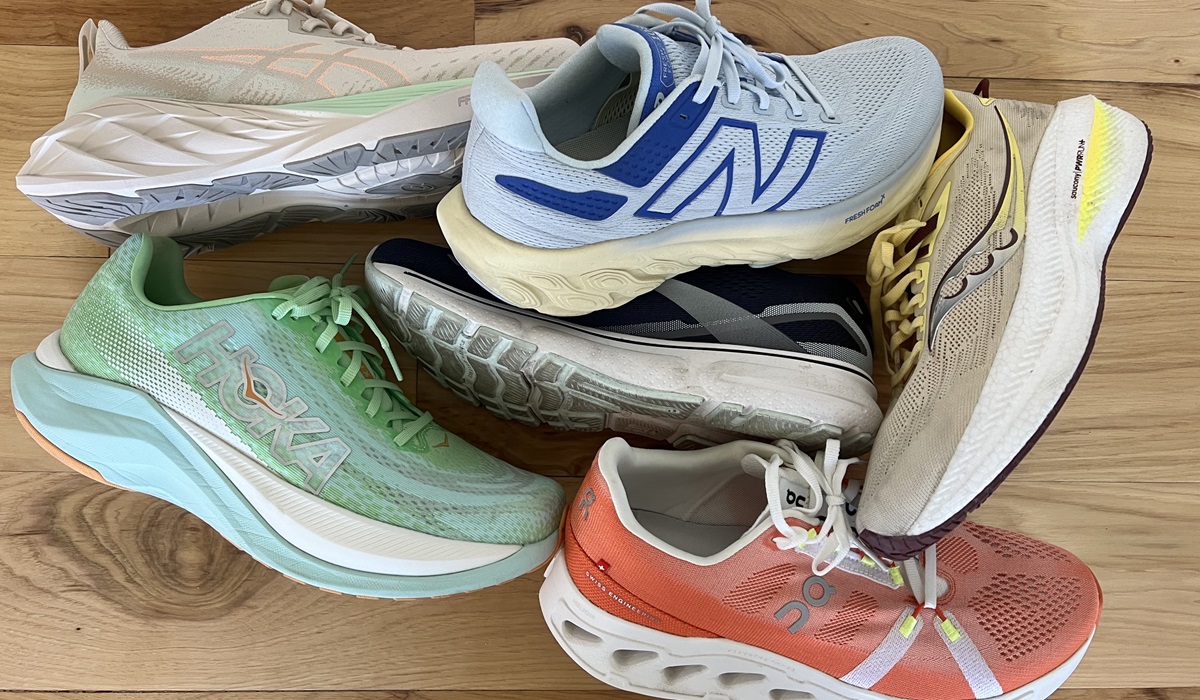
Key features to look for in good running shoes for bad ankles
Look for these features when you shop. They help control unwanted motion and improve comfort.
- Secure heel counter A firm heel cup that resists collapse keeps the rearfoot steady.
- Stable platform A wider base, especially at the heel and midfoot, gives you a safer landing.
- Midfoot guidance Posting, guide rails, or a dual density foam keep the foot from rolling in too fast.
- Balanced cushioning A firm to medium foam under a soft top layer works well. Too soft can feel unstable.
- Torsional rigidity The shoe should not twist like a towel. A light flex is fine, not a flop.
- Heel to toe drop A moderate drop of 6 to 10 mm often eases calf pull and improves control.
- Rocker geometry A mild rocker can smooth the path and reduce ankle torque.
- Upper lockdown A snug midfoot wrap and eyelets that let you heel lock prevent slippage.
- Outsole grip Reliable rubber and a stable lug layout prevent slips on wet or rough paths.
- Orthotic friendly A removable insole and enough volume allow custom inserts if you use them.
When shopping for good running shoes for bad ankles, check these in store. Try both feet, jog a bit, and feel for wobble. If your ankle sways or your heel lifts, try another pair.

Categories and real-world examples
You can find many routes to stability. Pick by how much guidance you need and where you run.
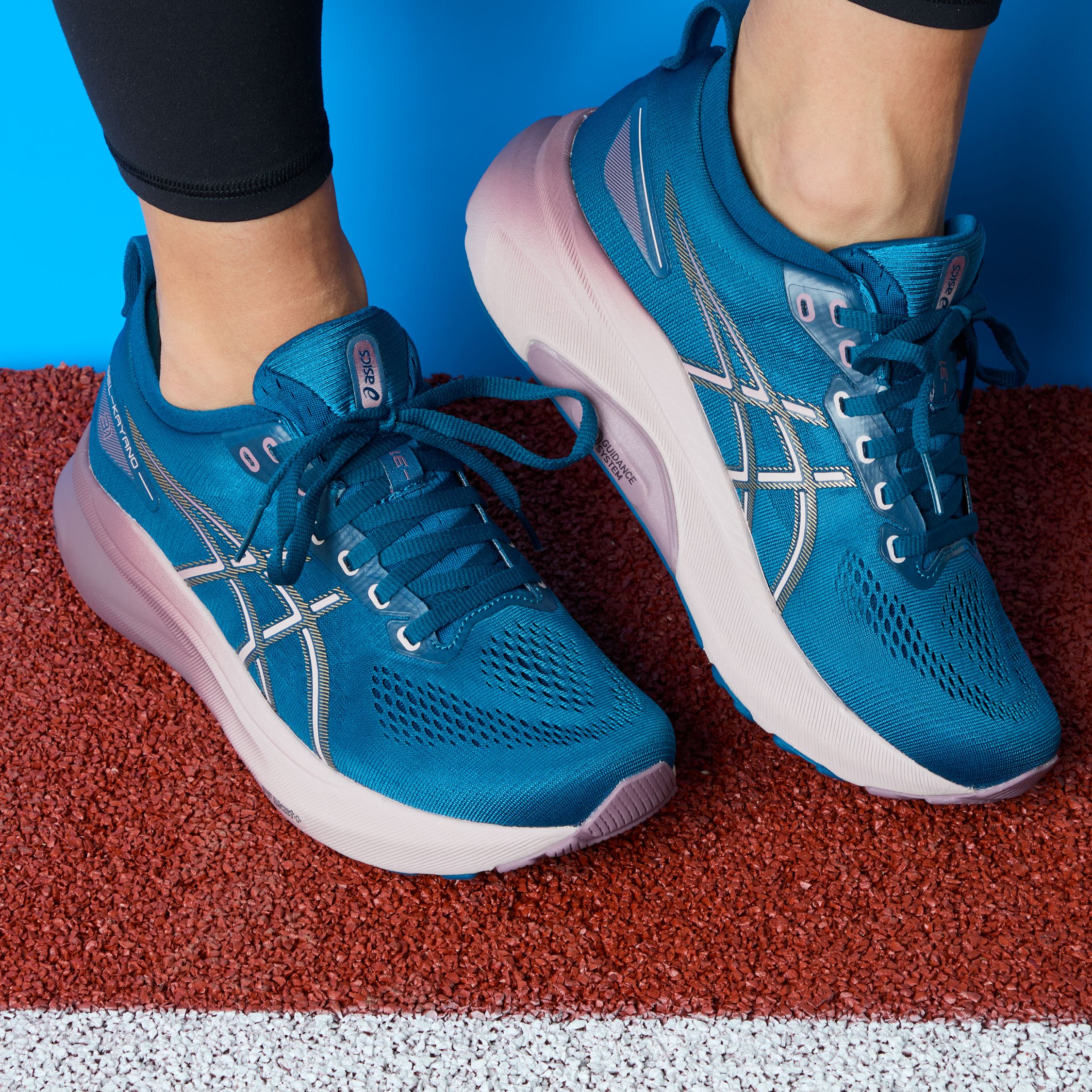
- Stability trainers Use guide rails or mild posting. Good for mild to moderate overpronation. Examples many runners like include Brooks Adrenaline GTS, ASICS Gel-Kayano, Saucony Guide, New Balance 860, and Hoka Arahi.
- Motion control shoes Use stronger posting and a very stable base. Good for flat arches and repeated ankle rolls. Examples include Brooks Beast or Ariel and New Balance 1540.
- Neutral with guidance These are neutral but have a wide base and a rocker. They suit runners who want cushion with some inherent stability. Examples include Hoka Clifton, Brooks Ghost Max, and New Balance Fresh Foam More.
- Max cushion shoes These protect joints on long runs but can feel tippy if too tall. Pick models with a broad base and firm sidewalls. The Hoka Bondi 8 is a common pick for support with care on turns.
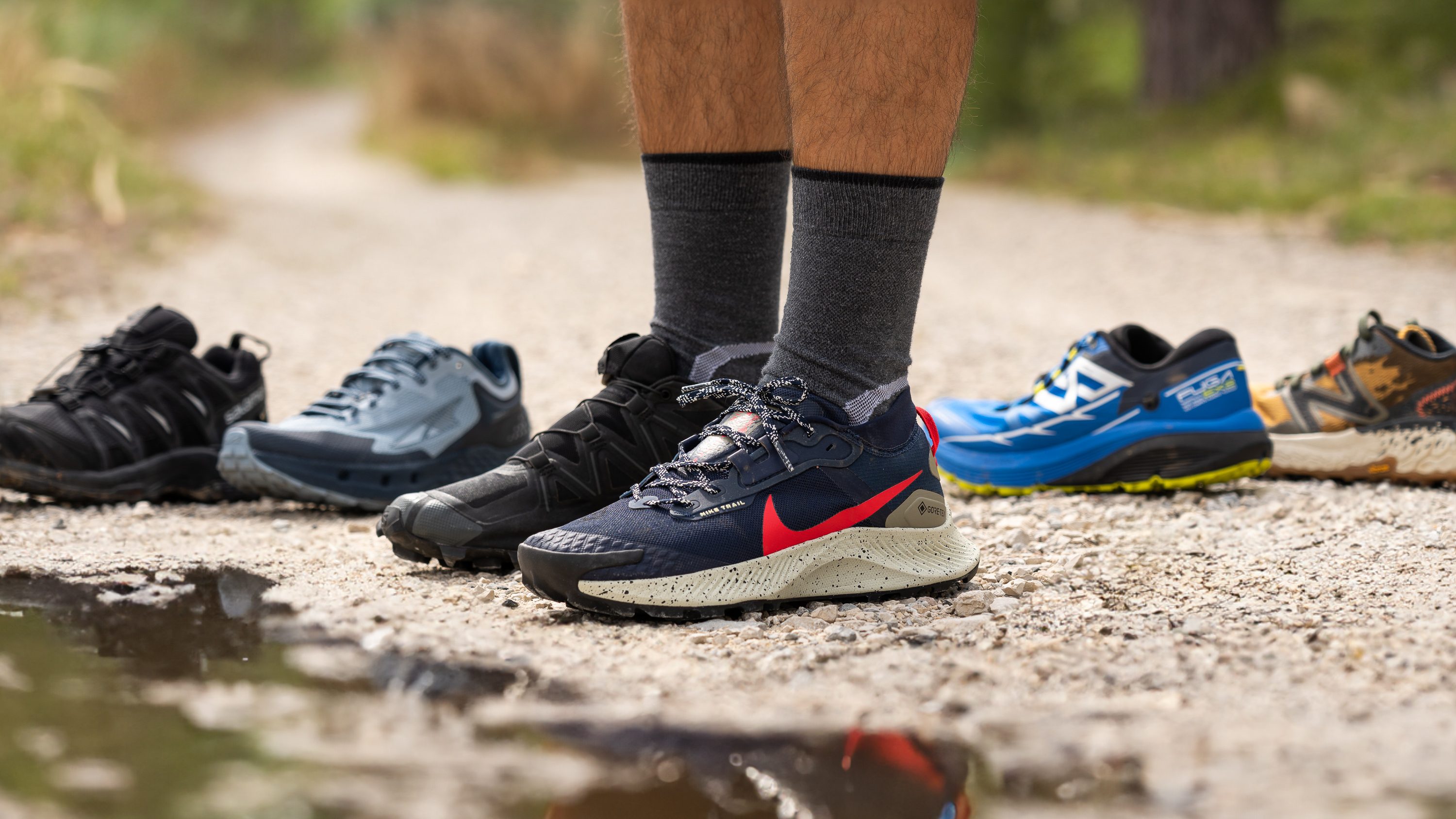
- Trail shoes For dirt and rocks, choose a lower to medium stack, a firm platform, and grippy lugs. Salomon Sense Ride, Hoka Challenger ATR, and Brooks Cascadia are well known trail options.
I always remind clients that labels vary by brand. Two stability shoes can feel very different. Your best bet is to test and compare on the same day. Good running shoes for bad ankles will feel stable the moment you jog and at the end of the day when feet swell.
How to choose the right pair step by step
Use this simple path to a safe pick.
- Map your history Write down past sprains, pain spots, surfaces, and current mileage.
- Do a quick gait check Ask a store to film your stride or use a treadmill mirror.
- Match the category If you roll in a lot, start with stability or motion control. If not, try neutral with guidance.
- Test the fit You want a thumb of space at the toe and a locked heel. No rubbing, no hot spots.
- Try the heel lock lace Use it in store. If the heel still slips, move on.
- Compare two sizes Feet swell on runs. Size up if needed for toe room.
- Ask about returns Many stores allow a test period. This reduces risk.
How to choose good running shoes for bad ankles comes down to control and comfort. If you feel centered and smooth, your ankle will thank you.

Fit and lacing hacks for bad ankles
A strong fit can be as helpful as a support post. Use these tricks to lock in.
- Heel lock lace Thread the last holes to form loops, then cross and tuck. This helps stop heel lift.
- Midfoot wrap Skip one eyelet near the forefoot if the shoe pinches. Tighten only where you need it.
- Sock choice Use a medium thickness sock with a bit of grip. Thin silk like socks can slip.
- Orthotics and braces If you use them, bring them to the store. Fit the shoe with your gear on.
- Volume tweaks If you have narrow heels, add a tongue pad. If wide feet, look for wide sizes.
Fit and lacing tips work best when paired with good running shoes for bad ankles. Together, they keep your foot still and free of rub.
Training tips to protect bad ankles
Shoes help, but habits close the loop. Add these moves to your plan.
- Warm up Start with calf raises, ankle circles, and light hops. Two minutes is enough.
- Strength Train three times a week. Focus on single leg balance, glute bridges, and band walks.
- Cadence Aim for a quick step rate. Many runners do well around 170 to 180 steps per minute.
- Progress slowly Follow the ten percent rule for weekly mileage. Keep long run jumps small.
- Mind your surface Start on flat roads. Add trails later and avoid deep ruts when tired.
- Recover Ice and elevate if you tweak the ankle. Rest a day or two and reassess.
I have seen many runners beat chronic sprains with this mix. Good running shoes for bad ankles plus smart strength is a powerful combo.

Care, replacement, and warning signs
Even the best shoe loses life. Worn foam and slanted heels strain the ankle.
- Replace at 300 to 500 miles Track miles or use a calendar reminder every four months if you run steady.
- Rotate pairs Use two similar shoes. This lets foam rebound and lowers injury risk.
- Watch for tilt Put the shoe on a table and view from behind. A lean to one side means it is time to retire.
- Keep them cool Heat and sun can age foam fast. Air dry only.
- Listen to your body New aches in the ankle or shin after no change in training can point to worn shoes.
Caring for good running shoes for bad ankles is part of injury care. Small habits protect your investment and your joints.

Personal experience and case study
Early in my coaching work, I had a runner with three sprains in one year. She ran in soft, tall neutral shoes that felt like pillows. They were comfy, but they let her heel slide and her foot dive in.
We switched her to a stability trainer with guide rails and a firm heel. We used a heel lock lace and added balance drills. She kept a steady cadence and cut sharp turns for a month.
The change was simple. She logged eight weeks with no sprains and felt sure on gentle trails. I have repeated this plan with many runners. Good running shoes for bad ankles do not fix every problem. But they give you a safer base so your training can do the rest.

Frequently Asked Questions of good running shoes for bad ankles
What are the best features in good running shoes for bad ankles?
Look for a firm heel counter, a wide base, and midfoot guidance. Balanced cushioning and a secure upper also help control motion.
Do I need motion control shoes if I have bad ankles?
Not always. Many runners do well with mild stability or neutral shoes that have a stable base and good lockdown.
Are high stack shoes bad for weak ankles?
High stacks can feel tippy if they are too soft or narrow. Choose a broad platform and firmer sidewalls to stay centered.
Can orthotics help with ankle pain when running?
Yes, if you have a clear foot mechanic issue. Use them inside shoes with enough volume and a removable insole.
How tight should my shoes be to support bad ankles?
Snug at the heel and midfoot, roomy at the toes. Use a heel lock lace to stop slip without choking the forefoot.
Do trail shoes protect bad ankles better than road shoes?
On rough ground, trail shoes with firm midsoles and good grip can help. Avoid very tall stacks and loose uppers on technical terrain.
How long should breaking in take for support shoes?
One to three short runs is common. If they still rub or feel unstable after that, try another model.
Conclusion
Your ankles need a stable home, not a soft couch. Pick a shoe that locks the heel, guides the foot, and lets your stride flow. Add simple strength and smart progress, and you set yourself up to run with more ease and less fear.
Ready to act? Try two to three pairs side by side this week, use the heel lock lace, and note how your ankles feel the next day. If this helped, share it with a friend, subscribe for more guides, or drop a question in the comments.