Difference Between Tennis Shoes and Running Shoes: Key Comparisons

The shoes you choose can change how you play, run, or even move every day. If you walk into a sports store, you’ll see many types of shoes: tennis shoes, running shoes, basketball shoes, and more. But for many people, the difference between tennis shoes and running shoes is confusing. Both look sporty. Both have rubber soles. Some brands use similar materials. So, are they really different? And does it matter which one you use for your activity?
Knowing the difference can help you avoid injury, perform better, and spend your money wisely. In this article, you’ll discover how tennis shoes and running shoes are designed, why they are different, and which one is right for you. You’ll see real examples, data, and comparisons that make the choice clear—even for non-experts.
Why Are Tennis Shoes And Running Shoes Designed Differently?
Shoes are not just fashion. They are tools for movement. The main difference between tennis shoes and running shoes comes from their purpose and the way your feet move in each sport.
Tennis is a sport with quick stops, starts, side-to-side movements, and sudden sprints. Players often slide, pivot, and change direction rapidly. The court surface (hard, clay, grass) also affects movement.
Running is a straight-line activity. Runners move forward, often for long distances, at a steady pace. Most running is on pavement, track, or trails.
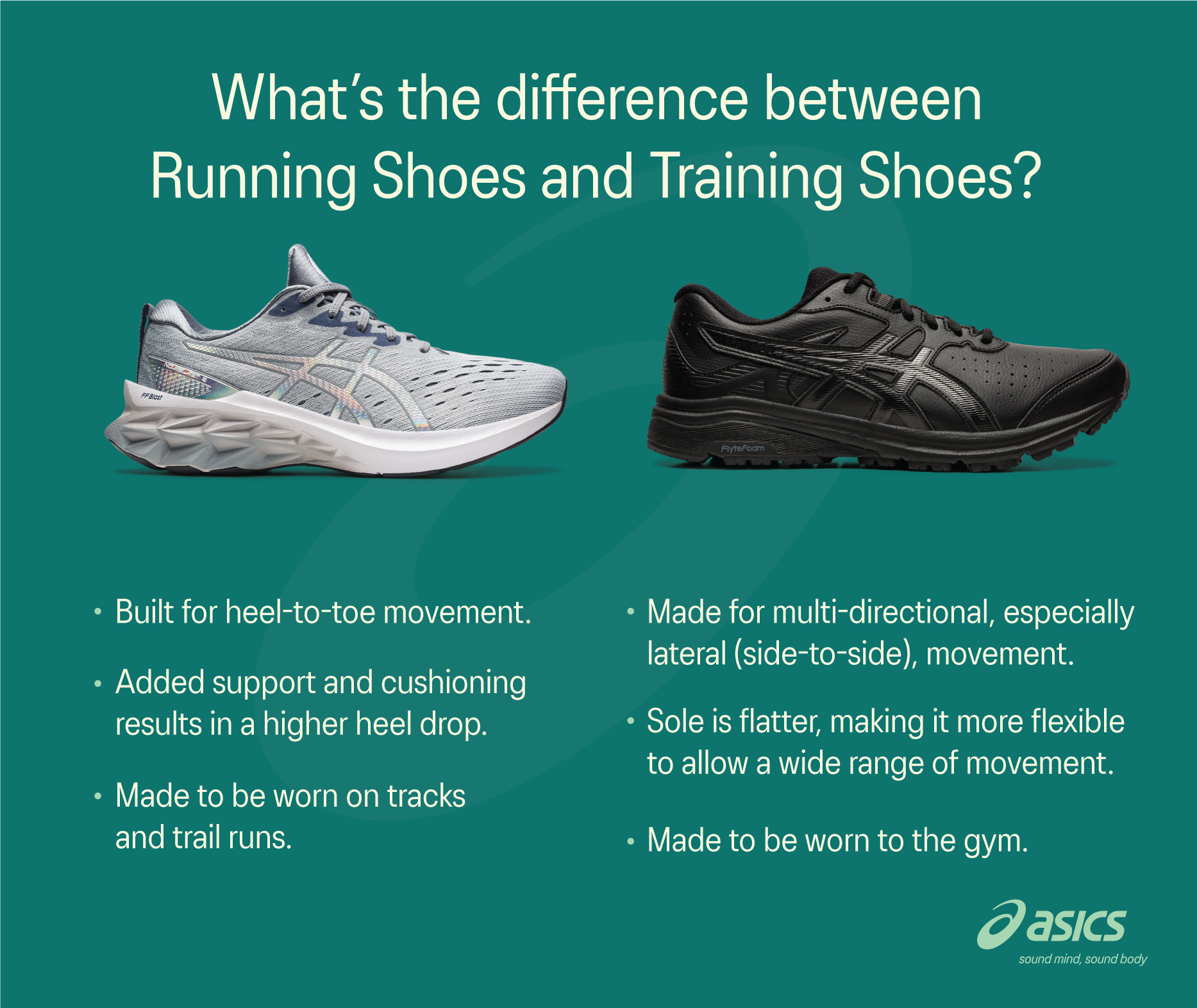
Because these sports use your feet in different ways, their shoes have special features. A running shoe made for forward motion will not protect your feet during tennis side-steps. A tennis shoe built for lateral support might feel stiff and heavy if you run long distances.
Key Design Differences
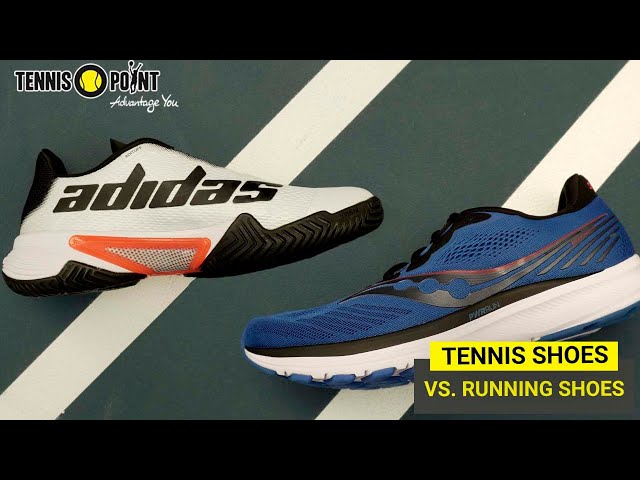
Let’s look at the main design features that make tennis shoes and running shoes unique. Here’s a comparison table to highlight the most important contrasts:
| Feature | Tennis Shoes | Running Shoes |
|---|---|---|
| Sole Type | Flat, durable, court-specific | Cushioned, flexible, designed for impact |
| Support | Strong lateral support | Strong heel and arch support |
| Weight | Heavier, more stable | Lighter, more flexible |
| Upper Material | Reinforced, tough | Breathable, lightweight |
| Flexibility | Limited (stiff for stability) | High (for foot movement) |
| Traction | Specific for court surface | General, for pavement or trail |
Tennis Shoes: Features And Functions
Court-specific Outsoles
Tennis shoes use different outsoles for different court types:
- Hard court shoes have tough rubber and extra protection for durability.
- Clay court shoes have a herringbone pattern for grip and to prevent clay buildup.
- Grass court shoes often have nubs or pimples for traction without damaging the surface.
A non-obvious insight: Many beginners buy “general tennis shoes” but serious players often own separate pairs for each court. Using the wrong outsole can reduce performance and even damage the court.
Lateral Support And Stability
Tennis requires fast side-to-side moves. To prevent ankle injuries, tennis shoes have:
- Strong lateral support: Extra materials on the sides.
- Stiffer soles: Prevent the foot from rolling.
- Low-to-the-ground design: Improves stability.
Most tennis shoes also have reinforced toe areas, because players drag their toes during slides.
Durability
Tennis shoes face high wear—especially around the toe and outside edge. Brands use thicker rubber and tough materials to resist abrasion.
Some shoes have drag guards or extra layers near the toes.
Weight And Comfort
Tennis shoes are often heavier than running shoes. This extra weight gives stability, but can feel tiring if used for running.
Comfort is important, but tennis shoes are less cushioned than running shoes. The focus is on support and durability, not soft padding.
Breathability
Modern tennis shoes use mesh and ventilation holes, but they often have more leather or synthetic overlays for strength. This makes them less breathable than most running shoes.
Running Shoes: Features And Functions
Cushioning For Impact
Running creates repeated impact—up to three times your body weight with each step. Running shoes have:
- Thick midsoles with foam or gel for shock absorption.
- Heel-to-toe drop: The difference in height between heel and toe. Typical drops range from 8–12 mm.
A practical tip: If you run long distances or have knee pain, choose running shoes with maximum cushioning.
Lightweight And Flexible
Running shoes are made for speed and comfort. They use light materials, soft mesh, and flexible soles. This lets your foot bend naturally.
For example, a standard running shoe weighs about 8–10 ounces. Tennis shoes often weigh 12–16 ounces.
Arch And Heel Support
Runners need support for their foot arch and heel. Shoes are designed for:
- Neutral runners: Normal pronation.
- Overpronators: Foot rolls inward; need stability shoes.
- Underpronators: Foot rolls outward; need extra cushioning.
Brands offer models for each type. Using the wrong shoe can lead to injuries like plantar fasciitis.
Breathability
Running shoes usually use open mesh uppers for airflow. This keeps feet cool and dry, reducing blisters.
Traction And Outsoles
Most running shoes have simple tread patterns. Road shoes have smooth soles; trail shoes have deep lugs for grip on dirt.
Unlike tennis shoes, running shoes are not made for quick lateral moves.
Comparing Performance: Real-life Examples
Imagine two athletes:
- Sarah, a tennis player, wears running shoes for a match. She feels unstable during side steps. Her shoes slide on the court and she gets a blister from the toe drag.
- Mike, a runner, wears tennis shoes for a 5K. His feet feel heavy. The shoes are stiff, and his knees hurt from the lack of cushioning.
These are common mistakes. Shoes made for one sport can cause problems in another.
A study by the American Orthopaedic Foot & Ankle Society found that using the wrong shoe increases injury risk by 60%. Most injuries are ankle sprains (tennis) or shin splints/knee pain (running).
Materials Used: A Breakdown
Both tennis and running shoes use modern materials, but the focus is different.
Tennis Shoe Materials
- Rubber outsoles: Hard, abrasion-resistant.
- Leather/synthetic overlays: For strength and durability.
- Mesh panels: Some for breathability.
- EVA foam: Limited use for comfort.
Running Shoe Materials
- EVA foam midsoles: For shock absorption.
- Mesh uppers: Lightweight and breathable.
- Rubber soles: Softer, flexible.
- Gel/air pods: In some models, for extra cushioning.
Here’s a comparison table showing materials used in popular models:
| Shoe Model | Main Materials | Purpose |
|---|---|---|
| Nike Air Zoom Vapor (Tennis) | Rubber, synthetic, mesh | Durable for hard courts |
| Adidas Barricade (Tennis) | TPU overlays, mesh | Lateral support |
| Asics Gel Nimbus (Running) | Mesh, gel, EVA foam | Cushioning for long runs |
| Brooks Ghost (Running) | Mesh, rubber, DNA Loft foam | Soft, lightweight |
Credit: www.youtube.com
How To Choose: Practical Guidance
Making the right choice depends on your activity, foot type, and goals.
For Tennis Players
- Always use tennis shoes for matches and practice.
- If you play on different courts, choose shoes with suitable outsoles.
- Look for strong lateral support and toe protection.
- Don’t use running shoes—they lack stability for side movements.
For Runners
- Use running shoes for jogging, walking, or races.
- Choose based on your pronation (check your old shoes for wear patterns).
- Prioritize cushioning and breathability.
- Avoid tennis shoes—they are too heavy and stiff for running.
For Casual Use
If you only walk or do light gym workouts, running shoes are more comfortable. Tennis shoes can be used for casual wear, but they’re best for their sport.
Fit And Sizing
Both shoe types must fit well:
- Leave a thumb’s width at the toe.
- Try shoes late in the day (feet swell).
- Use the same socks you’ll wear in the activity.
A non-obvious tip: Tennis shoes often run narrow for stability. Running shoes have more width options. Always try both types before buying.
Common Mistakes And Risks
Many beginners make mistakes when buying or using sports shoes. Here are some you should avoid:
- Using running shoes for tennis: This is unsafe. You risk ankle injuries and poor performance.
- Buying tennis shoes for running: You’ll feel discomfort and may develop shin splints.
- Ignoring court or surface type: Using hard court shoes on clay reduces grip. Using running shoes on trails without lugs increases slip risk.
- Choosing based on style: Looks are important, but function matters more.
- Wrong size: Too tight shoes cause blisters; too loose shoes cause slips.
A practical insight: Check the shoe’s label for its intended sport. If unsure, ask store staff or check brand websites.

Credit: www.romantik-chalets.com
Price Differences: What To Expect
The price of tennis shoes and running shoes depends on brand, materials, and technology.
- Tennis shoes: $60–$160 for top models. Durability and support increase price.
- Running shoes: $50–$250 for advanced models. Cushioning and technology raise cost.
High-end tennis shoes may last 6–12 months for regular players. Running shoes usually last 300–500 miles (about 4–8 months for regular runners).
A tip: Spending more does not always mean better performance. Buy shoes that match your activity and fit.
Brands And Market Trends
Many brands make both tennis and running shoes. Here are some examples:
- Nike: Air Zoom Vapor (tennis), Pegasus (running)
- Adidas: Barricade (tennis), Ultraboost (running)
- Asics: Gel Resolution (tennis), Gel Nimbus (running)
- New Balance: Fresh Foam Lav (tennis), 1080 (running)
Market data from 2023 shows:
- Running shoe sales: $9.8 billion in the US
- Tennis shoe sales: $1.2 billion in the US
Running shoes are more popular, but tennis shoes have a loyal niche. New technologies, like energy-return foams and smart soles, are appearing in both markets.
Shoe Lifespan And Replacement
Knowing when to replace shoes is important for safety and performance.
Tennis Shoes
- Replace when outsole tread is worn, or toe area is damaged.
- Average lifespan: 60–80 hours of play.
Running Shoes
- Replace after 300–500 miles, or when midsole is compressed.
- Signs: Loss of cushioning, pain in feet or knees.
A non-obvious insight: Some people keep old shoes for casual wear, but worn shoes can cause injury even during normal walking.
Health And Injury Risks
Using the wrong shoe increases injury risk. Here are common injuries:
Tennis
- Ankle sprains
- Toe blisters
- Achilles tendon strain
Running
- Shin splints
- Plantar fasciitis
- Knee pain
Data from sports medicine clinics shows that 70% of injuries relate to improper footwear. Choosing the right shoe reduces risk by 50%.
For more on sports injuries and shoe safety, see the American Orthopaedic Foot & Ankle Society.
Environmental And Sustainability Factors
Brands now focus on sustainability:
- Recycled materials: Many shoes use recycled mesh or rubber.
- Eco-friendly production: Reduced water and energy use.
- Take-back programs: Some brands recycle old shoes.
For both tennis and running shoes, eco options are growing. Nike’s “Move to Zero” and Adidas’s “End Plastic Waste” are examples.
A tip: Eco-friendly shoes often have the same performance, but may cost more.
Children’s Shoes: Special Considerations
Kids play and run differently than adults. Their shoes need:
- Extra flexibility for growth.
- Lightweight materials for comfort.
- Strong support for active play.
For children, avoid buying one shoe for all sports. Let them use tennis shoes for tennis and running shoes for running.
A practical tip: Kids outgrow shoes fast—check size every 3–4 months.
Credit: www.romantik-chalets.com
Can You Use One Type For Both Activities?
Many people ask if they can use one shoe for both tennis and running.
- For light walking or gym: Running shoes are better.
- For casual tennis or lessons: Tennis shoes are best.
- For serious play or long runs: Always use the correct shoe.
Using one shoe for both activities is not recommended. You risk injury and poor performance. Shoes are designed for specific movements.
A non-obvious tip: If you must choose one, pick running shoes for everyday comfort. But invest in tennis shoes if you play regularly.
Frequently Asked Questions
What Happens If I Use Running Shoes For Tennis?
You risk ankle injuries, slips, and poor performance. Running shoes lack the lateral support and durable soles needed for tennis moves.
Can I Use Tennis Shoes For Running?
Tennis shoes are heavy and stiff. Using them for running can cause knee pain and discomfort, especially over long distances.
How Often Should I Replace Tennis Or Running Shoes?
Replace tennis shoes when the tread is worn or toe area is damaged (about every 60–80 hours of play). Replace running shoes after 300–500 miles or when cushioning wears out.
Are Tennis Shoes More Expensive Than Running Shoes?
Both types have budget and premium models. Tennis shoes usually cost $60–$160, while running shoes range from $50–$250. Price depends on brand, materials, and technology.
What’s The Best Shoe For Casual Wear?
Running shoes are generally better for casual wear due to comfort and lightweight design. Tennis shoes are best used for their sport.
Final Thoughts
Choosing between tennis shoes and running shoes is not just about style—it’s about safety, performance, and health. Each type is made for different movements and surfaces. Using the right shoe can help you play better, run faster, and avoid injuries.
If you play tennis, invest in a good pair of tennis shoes. If you run, choose running shoes that fit your foot type and needs. For casual use, running shoes are more comfortable and versatile. Always check fit, materials, and purpose before buying.
Remember, sports shoes are tools. Choosing wisely will make your activities safer and more enjoyable.