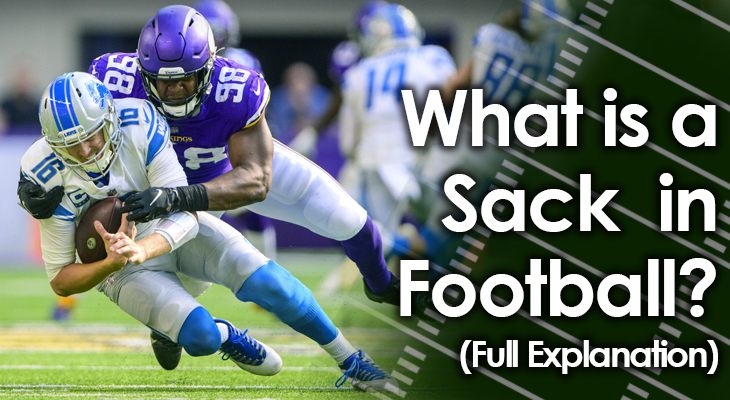
What Is A Sack In Football: Ultimate Guide 2026

Have you ever watched a football game and heard the announcer shout, “That’s a sack!” but weren’t quite sure what it meant? If you want to truly understand the game and impress your friends with your football knowledge, knowing what a sack is will get you there.
A sack isn’t just any tackle—it’s a powerful defensive move that can change the momentum of the entire game by stopping the quarterback before he can even throw the ball. You’ll discover exactly what a sack is, why it matters, and how it differs from other tackles on the field.
By the end, you’ll see why sacks are some of the most exciting plays to watch—and why your team’s defense dreams of making one every game. Keep reading to unlock the secrets behind this game-changing play!
Credit: footballadvantage.com
Sack Basics
A sack is a crucial defensive play in football. It happens when the defense stops the quarterback behind the line of scrimmage. This play causes the offense to lose yards and downs. Understanding sack basics helps fans appreciate its impact on the game.
Sacks show strong defense and can change momentum quickly. They are exciting moments that often lead to big shifts in play. Let’s explore what exactly defines a sack and how it happens.
What Defines A Sack
A sack occurs when the quarterback is tackled behind the line of scrimmage. This happens during a passing play. The defender must stop the quarterback before he throws the ball. If the quarterback is tackled while running, it is not a sack. The play results in lost yardage for the offense. Sacks count as negative plays and hurt the team’s chance to score.
How A Sack Happens
Defenders rush past blockers to reach the quarterback. They use speed and skill to avoid tackles. The quarterback tries to find an open receiver or run away. The defense aims to bring him down quickly. When the quarterback is tackled before releasing the ball, a sack occurs. This play can disrupt the offense’s rhythm and strategy.

Credit: www.dazn.com
Sack Vs Tackle
The terms “sack” and “tackle” are common in football but mean different things. Both involve stopping the player with the ball, but the situations and effects vary. Understanding the difference helps you follow the game better and appreciate defensive skills.
Differences In Players And Plays
A tackle can happen to any player carrying the ball. This includes running backs, wide receivers, and quarterbacks. Defenders stop these players to prevent yardage gain.
A sack happens only to the quarterback. It occurs when the quarterback tries to pass but is tackled behind the line of scrimmage. The defender must catch the QB before the throw.
In short, tackles happen to many players and in many situations. Sacks are a special type of tackle focused on the quarterback during passing plays.
Impact On Yardage And Downs
Tackles can result in a loss or gain of yards depending on where the player is stopped. The offense then tries the next down from that spot.
Sacks always cause a loss of yards for the offense. The ball is moved backward behind the line of scrimmage. This makes it harder for the offense to complete their drive.
Also, sacks cause the offense to lose a down. This means fewer chances to move the ball forward. Tackles do not change the number of downs.
Tackle For Loss Explained
A tackle for loss (TFL) happens when a defensive player tackles an offensive player behind the line of scrimmage. This play causes the offense to lose yards. It can involve any ball carrier, not just the quarterback. TFLs are important because they disrupt the offense’s rhythm and create tough situations for the next play.
The main difference between a sack and a TFL is the player tackled. A sack is a special type of TFL targeting the quarterback during a passing play. But a TFL can happen to running backs, receivers, or any player carrying the ball behind the line of scrimmage.
When It’s Not A Sack
Not every tackle behind the line of scrimmage counts as a sack. If a quarterback runs with the ball and gets tackled behind the line, it is a TFL, not a sack. Also, if the quarterback hands off the ball and the running back is tackled behind the line, that is a TFL. A sack only happens when the quarterback is trying to pass and is brought down before releasing the ball.
Examples Of Tfl Plays
A linebacker breaks through the offensive line and tackles a running back behind the line. This is a TFL because it causes a loss of yards. A cornerback blitzes and stops a receiver running a reverse behind the line. This also counts as a TFL. When a defensive end stops a quarterback who scrambles but has not thrown the ball yet, it is a TFL if the QB intended to run.
Sack Statistics
Sack statistics offer a clear view of a defense’s strength and a quarterback’s pressure faced. Tracking sacks helps teams and fans understand how often defenders disrupt passing plays. These stats highlight key moments that impact the game’s flow and outcome.
Analyzing sack numbers reveals player performance and defensive schemes. Numbers can show trends across seasons or matchups. Coaches use these stats to adjust strategies and improve team defense.
Recording Sacks In Games
Sacks are officially recorded by game statisticians during each match. A sack is counted when a defender tackles the quarterback behind the line of scrimmage. The play must be a passing attempt for it to count as a sack.
The exact yardage lost on the sack is also recorded. This helps show the impact on the offense’s field position. Sometimes, multiple defenders share credit for a sack if they tackle the quarterback together.
Common Sack Metrics
Total sacks measure how many times a player or team sacks the quarterback. Sacks per game averages this number over a season. This metric helps compare players fairly regardless of games played.
Sack yardage lost totals the yards the offense loses from sacks. This adds another layer to understand a defender’s impact. Quarterback pressures and hits are related stats but do not count as sacks.
Fumble And Sack Connection
The connection between a fumble and a sack is a key part of football defense. A sack can cause the quarterback to lose control of the ball. This loss of control is called a fumble. The defense then has a chance to recover the ball and change possession. Understanding this link helps explain how defenses gain an advantage.
Sacks increase the chance of a fumble because the quarterback is under pressure. When a defender hits the quarterback hard, it can force the ball out. This creates a turnover opportunity. Not every sack causes a fumble, but many do. This makes sacks very valuable on defense.
What Is A Strip-sack
A strip-sack happens when a defender sacks the quarterback and forces a fumble. The defender does two things at once. First, they tackle the quarterback behind the line of scrimmage. Second, they knock the ball out of the quarterback’s hands.
Strip-sacks are exciting plays. They show strong defense and quick hands. The defense can recover the ball and start an offensive drive. This play can quickly change the momentum of the game. Strip-sacks are a top goal for many defensive players.
When A Fumble Isn’t A Sack
Not all fumbles happen during sacks. A fumble can occur if the quarterback runs or hands off the ball and loses control. If the quarterback is tackled after running past the line of scrimmage, it is not a sack.
Fumbles can also happen on running plays or catches. These plays are not sacks but still cause turnovers. The key difference is where and how the ball is lost. A sack involves tackling the quarterback behind the line during a passing attempt.
Defensive Strategies For Sacks
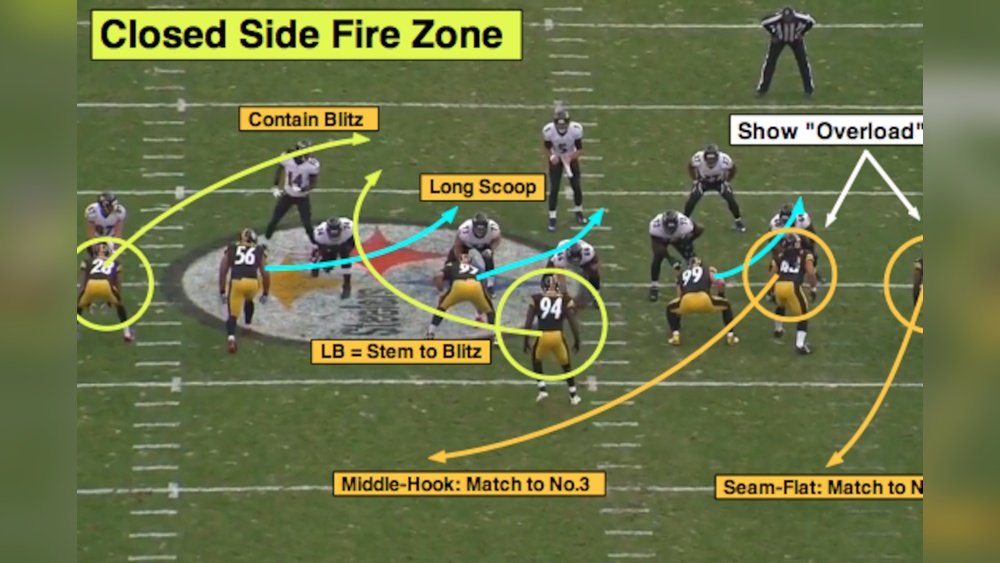
Defensive strategies for sacks focus on stopping the quarterback before he can throw the ball. These plans are key to disrupting the offense. Defenders use different techniques and roles to pressure the quarterback. Their goal is to break through the offensive line and tackle the quarterback behind the line of scrimmage. This section explains common pass rush methods and the roles of linebackers and defensive backs.
Common Pass Rush Techniques
Pass rushers use speed and power to beat blockers. They try to find gaps or use moves to get around the offensive line. The “bull rush” uses strength to push blockers back. The “swim move” helps rushers slip past blockers’ arms. The “spin move” allows quick changes in direction. These moves create pressure, forcing the quarterback to hurry or make mistakes. Timing and technique are crucial for a successful sack.
Linebacker And Defensive Back Roles
Linebackers often rush the quarterback or drop into coverage. They watch for openings and help stop passes or runs. Defensive backs sometimes blitz, adding surprise pressure. They use their speed to reach the quarterback quickly. These players also cover receivers to prevent easy throws. Their mix of speed, awareness, and tackling helps create sacks or hurried throws. Coordination among all defenders is essential for strong sack strategies.
Origin Of The Term Sack
The term “sack” in football is widely used to describe a key defensive move. It refers to tackling the quarterback behind the line of scrimmage during a passing play. But where does this unique term come from? Understanding the origin of “sack” gives us a deeper appreciation of football’s rich history.
Historical Background
The word “sack” originally comes from a violent event in history. It referred to the looting and destruction of a city, often called “sacking” a city. This violent act meant overpowering and taking control by force.
In football, the term was first used in the 1960s. Defensive players “sacked” the quarterback, meaning they overwhelmed him quickly and forcefully. This analogy captured the idea of stopping the quarterback brutally before he could throw the ball.
Why ‘sack’ Became Popular
The term “sack” became popular because it vividly describes the defensive play. It suggests a strong, aggressive action that disrupts the offense’s plan. Fans and commentators liked the word because it created a dramatic image.
Players who specialized in sacking quarterbacks earned great respect. The term spread rapidly through sports media and became a staple in football vocabulary. Today, a “sack” is one of the most exciting defensive plays to watch.
Famous Sack Plays
Famous sack plays have shaped football history with bold defense. These moments show the power of a strong defense and quick thinking. Fans remember these sacks for their impact on big games and seasons.
Defenders who sack the quarterback at key times stop the offense’s rhythm. These plays often shift momentum and bring excitement to the game. Let’s explore some famous sack plays that changed the course of football.
Game-changing Moments
One famous sack came during a playoff game where the defender stopped a crucial fourth down pass. The sack forced a turnover on downs and sealed the win for the defense’s team. Another sack happened in a Super Bowl, pushing the quarterback back and causing a fumble. This led to a scoring drive and altered the game’s outcome.
These moments show how sacks can end drives and boost the defense’s confidence. A well-timed sack can make the offense rethink their strategy. It can also inspire fans and players alike.
Highlight Reels
Sacks often make highlight reels because of their speed and impact. Some defenders use skill and strength to break through blockers and bring down the quarterback. These plays are replayed many times on sports channels and social media.
Fans love to watch sacks that show perfect timing and effort. Some defenders have signature moves that help them sack the quarterback again and again. These plays remind everyone why defense is just as exciting as offense in football.
Sack Records And Leaders
Sack records and leaders highlight the best defensive players in football history. These players excel at stopping the quarterback before he can throw. Their ability to sack the quarterback changes the momentum of games. Fans and analysts often celebrate sack leaders for their skill and impact.
Tracking sack records shows who dominates on defense. It also shows how the game has evolved over time. Some players hold impressive career totals, while others set single-season marks that still stand today.
Top Nfl Sack Leaders
The all-time sack leader in the NFL is Bruce Smith with 200 sacks. He played mainly for the Buffalo Bills and was known for his power and speed. Close behind is Reggie White with 198 sacks, a dominant force for the Philadelphia Eagles and Green Bay Packers.
Other top sack leaders include Kevin Greene, Julius Peppers, and Chris Doleman. These players combined strength, technique, and persistence. Their careers spanned many years, allowing them to accumulate high sack totals.
Active players like T.J. Watt have climbed the leaderboard quickly. Watt’s aggressive style and skill make him a threat every play. Fans watch these leaders to see who might break records next.
Season And Career Records
The single-season sack record is held by Michael Strahan. He recorded 22.5 sacks in 2001 with the New York Giants. This record stands as one of the toughest to beat in the NFL.
Career sack records show consistency and durability. Bruce Smith’s 200 sacks took 19 seasons to achieve. Maintaining such performance over many years is rare.
Some players have incredible single-season performances but shorter careers. Others build steady sack totals year after year. Both types of players earn respect for their contributions to defense.
:max_bytes(150000):strip_icc()/GettyImages-496298762-56a314d35f9b58b7d0d04ad7.jpg)
Credit: www.liveabout.com
FAQs For What Is A Sack In Football
What Is The Difference Between A Sack And A Tackle?
A tackle stops any ball carrier from advancing. A sack specifically tackles the quarterback behind the line while passing.
Why Do They Call It A Sac?
They call it a “sack” because defenders “sack” or overwhelm the quarterback, similar to capturing a city in war.
Is A Qb Fumble A Sack?
A QB fumble is not a sack. A sack occurs when the QB is tackled behind the line while passing.
Is Getting A Sack In Football Good?
Getting a sack in football is good for the defense. It stops the quarterback behind the line, causing loss of yards and down. Sacks disrupt offensive plays and boost defensive momentum, making them valuable in controlling the game.
Conclusion
A sack is a special kind of tackle in football. It happens when the quarterback is tackled behind the line of scrimmage during a pass attempt. This play causes the offense to lose yards and the down. Understanding sacks helps you enjoy the game more.
They show strong defense and can change the momentum. Now you know why sacks matter in football. Keep watching games and notice these exciting moments. Football’s action becomes clearer with this simple idea.