What Volleyball Position Should I Play: Find Your Perfect Match!

Are you trying to find out which volleyball position suits you best? Each position has unique roles and responsibilities.
Understanding these can help you decide where you fit in. Volleyball is a fast-paced, team sport that requires different skills for different positions. Whether you are a beginner or an experienced player, knowing your strengths and weaknesses is key. Some positions demand height and jumping ability, while others require quick reflexes and strategic thinking.
By exploring the various roles, you can better understand where you might excel. This guide will break down each position, helping you make an informed decision. Ready to find your perfect spot on the court? Let’s dive in and discover the position that matches your skills and interests.

Credit: provolleyballshorts.com
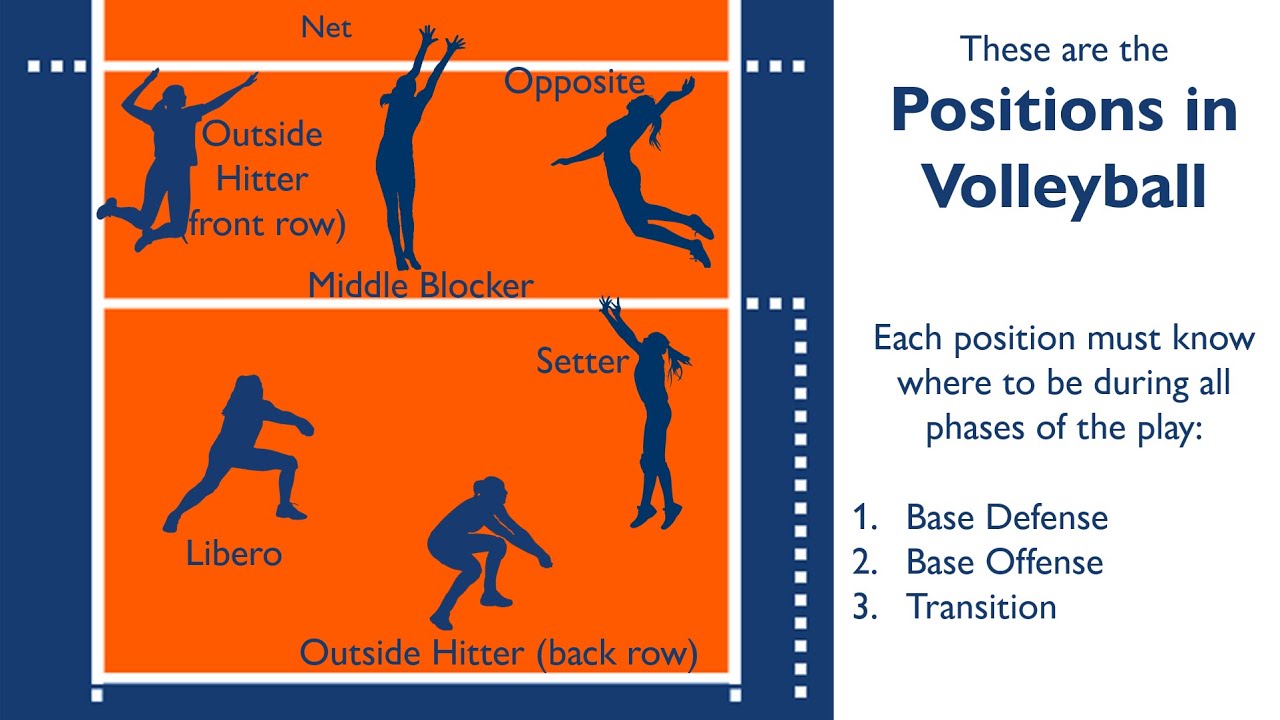
Outside Hitter
Hey friends, today we’re diving into the role of the Outside Hitter in volleyball. This position is crucial for the team’s success. Whether you’re new to volleyball or looking to switch positions, understanding the Outside Hitter role can help you decide if it’s the right fit for you.
Role And Responsibilities
The Outside Hitter has many roles on the court. Their primary job is to attack the ball from the front row. But that’s not all. They also play a big part in defense and serve receive. Here’s a quick rundown:
- Attacking: Hit the ball hard from the left side of the court.
- Blocking: Jump and block the opponent’s attack.
- Serve Receive: Pass the ball accurately to the setter.
- Defense: Dig the ball when the opponent attacks.
Being versatile is key. An Outside Hitter must be ready to adapt quickly to different situations on the court.
Skills Needed
To be a great Outside Hitter, you need a mix of skills. Let’s break it down:
- Strong Hitting: You need to hit the ball with power and accuracy.
- Good Passing: Serve receive and passing are crucial for setting up plays.
- Solid Blocking: You must be able to time your jumps and block effectively.
- Quick Defense: Reacting quickly to digs and keeping the ball in play is important.
These skills don’t come overnight. Practice regularly to improve each aspect of your game.
Physical Attributes
Physical fitness plays a huge role in how well you perform as an Outside Hitter. Here are some important attributes:
| Attribute | Why It’s Important |
|---|---|
| Height | Helps in both attacking and blocking. |
| Jumping Ability | Essential for hitting and blocking at a high level. |
| Speed | Allows quick movement around the court for both offense and defense. |
| Endurance | Keeps you performing well throughout the match. |
Remember, you don’t need to be perfect in all these areas. Focus on your strengths and work on your weaknesses.
So, is the Outside Hitter position for you? If you love being in the action, enjoy hitting powerful spikes, and can handle multiple roles, then give it a try. And who knows, you might just find your perfect spot on the volleyball court!
Middle Blocker
Choosing the right volleyball position can be challenging. Each role requires specific skills and attributes. The middle blocker plays a crucial role on the court. This position is vital for both defense and offense. Let’s dive into the details of the middle blocker position.
Role And Responsibilities
The middle blocker stands at the net’s center. Their main job is to block the opponent’s attacks. They also help in attacking by making quick hits. This player needs to read the game well. They should anticipate the opponent’s moves. Communication with teammates is essential for effective blocking. Keeping the net secure is their top priority.
Skills Needed
Quick reflexes are vital for a middle blocker. They must jump high and fast. Strong blocking skills are a must. They need to time their jumps perfectly. Good hand-eye coordination helps in making accurate blocks. Effective communication skills ensure smooth teamwork. They should also be good at making quick decisions during the game.
Physical Attributes
A middle blocker should be tall. Height helps in reaching the top of the net. Strong legs are necessary for powerful jumps. Good upper body strength aids in blocking attacks. Agility allows for quick movements. A middle blocker needs stamina to stay active throughout the game. Physical fitness is crucial for this demanding position.
Setter
When you’re thinking about what volleyball position to play, the Setter is an important one to consider. The Setter is like the quarterback of the volleyball team. They run the offense and make sure the ball gets to the right hitter. If you like being in control and enjoy making quick decisions, this might be the position for you.
Role And Responsibilities
The Setter has many key roles on the team. Here are some of the main responsibilities:
- Set the ball for attackers: The Setter touches the ball more than anyone else on the team. They set the ball for hitters to spike.
- Run the offense: The Setter decides which hitter gets the ball, making quick choices based on the defense.
- Communicate: The Setter talks to teammates constantly, ensuring everyone knows the play.
- Play defense: The Setter also needs to play defense, especially in the back row.
Think of the Setter as the team’s director. They keep everything in sync and make sure plays run smoothly.
Skills Needed
To be a great Setter, you need several skills. Here are some important ones:
- Quick Reflexes: You need to react fast to the ball.
- Good Communication: You must talk to your teammates and give clear instructions.
- Technical Skills: You should have good ball control and be able to set accurately.
- Strategic Thinking: You need to read the game and make smart decisions quickly.
Imagine being a chess player who moves pieces quickly and accurately. That’s what a Setter does on the court.
Physical Attributes
While skills are crucial, certain physical attributes can help you be a better Setter:
- Height: Being taller can help when setting and blocking.
- Agility: You need to move quickly to reach the ball.
- Endurance: You need to maintain energy throughout the game.
Remember, you don’t need to be super tall or super fast. But having some of these physical traits can definitely be an advantage.
In conclusion, if you enjoy being in control, making quick decisions, and have good communication skills, the Setter position might be perfect for you. Think of it as being the team’s engine, driving every play and keeping everything running smoothly.
Libero
Hey there! Wondering what volleyball position suits you best? Let’s talk about the Libero. This position is unique and super important. If you enjoy being the backbone of your team, the libero might be your calling. Let’s dive into the specifics.
Role And Responsibilities
The libero is a defensive specialist. They wear a different color jersey. Why? So they can stand out. They play in the back row and cannot attack the ball above the net’s height. Their main job is to receive serves and make accurate passes. They often replace middle blockers during back row rotations. Think of them as the team’s security blanket, always there to save the ball.
Skills Needed
To excel as a libero, you need a specific set of skills. Here’s a quick list:
- Quick Reflexes: You must react fast to incoming balls.
- Great Passing: Accurate passes are crucial. They set up the offense.
- Strong Communication: You need to talk to your teammates. A lot.
- Anticipation: Predict where the ball is going. Be there before it lands.
If you have these skills, you might just be a natural libero.
Physical Attributes
While anyone can play libero, certain physical attributes help. Here’s what to consider:
| Attribute | Why It’s Important |
|---|---|
| Height | Being shorter can actually help. You’re closer to the ground and faster at diving for balls. |
| Agility | Quick movements are a must. You need to cover a lot of ground. |
| Endurance | You’ll be on the court a lot. Stamina is key to keep up the pace. |
Do you have these attributes? If so, libero might be the perfect fit.
Choosing the right volleyball position can be tough. But if you love defense, have quick reflexes, and enjoy being a team player, give libero a shot. It’s a rewarding position that’s crucial to the team’s success. Ready to try it out?
Opposite Hitter
The opposite hitter, also known as the right-side hitter, plays a crucial role in volleyball. This position demands versatility, strength, and excellent timing. If you enjoy attacking and blocking, this might be the perfect spot for you.
Role And Responsibilities
The opposite hitter is a key attacker in the team. They play from the right side of the court. Their main job is to score points through powerful spikes. They also block the opponent’s outside hitters. The opposite hitter must be ready to assist in defense. They cover the back row when needed.
Skills Needed
To excel as an opposite hitter, you need strong attacking skills. Good timing is crucial for effective spikes. You must also be an excellent blocker. Strong defensive skills are a plus. The ability to read the opponent’s moves is important. Quick reflexes can make a big difference.
Physical Attributes
An opposite hitter should have a good height. This helps in blocking and attacking. Strong jumping ability is essential. Good upper body strength is needed for powerful spikes. Endurance is important to last through long matches. Agility helps in quick transitions between attack and defense. Overall fitness is crucial to maintain performance.

Credit: www.proprofs.com
Defensive Specialist
A Defensive Specialist (DS) is a crucial part of any volleyball team. This position focuses on enhancing the team’s defense. The Defensive Specialist is often a substitute player, coming in for front-row players to strengthen the back row.
Role And Responsibilities
The main role of a Defensive Specialist is to improve the team’s defense. They come in for players who may not be as strong defensively. They receive serves, dig attacks, and cover tips and blocks. The Defensive Specialist must communicate with teammates to ensure smooth transitions.
Skills Needed
A Defensive Specialist needs excellent reflexes. Quick decision-making is essential. They must have strong communication skills. They should be able to read the opposing team’s hitters and anticipate their moves. Good ball control is crucial for accurate digs and passes.
Physical Attributes
Defensive Specialists are often shorter than other players. This allows for better agility and speed. They need strong legs for quick movements and jumps. Good endurance helps maintain performance throughout the match.
Assessing Your Skills
Wondering what volleyball position is right for you? It’s all about knowing your strengths. You need to assess your skills. This will help you find the best fit on the court. Ready to dive in? Let’s get started.
Self-assessment Tips
First, take a look at your own skills. Think about what you do well. Here’s how:
- Speed: Are you quick on your feet? This is great for positions like Libero or Outside Hitter.
- Height: Taller players might excel as Middle Blockers or Setters.
- Strength: Do you have powerful hits? Consider being an Outside or Opposite Hitter.
- Accuracy: Good at setting up plays? You might make a great Setter.
I remember when I started playing. My coach asked me to think about these things. It really helped!
Consulting Coaches And Teammates
Don’t just rely on your own judgment. Talk to others. They can give you valuable insight.
Here’s what you can do:
- Ask Your Coach: Coaches know your strengths and weaknesses. They can guide you to the best position.
- Talk to Teammates: Your teammates see you play. They can tell you what they think. Listen to their advice.
When I was unsure about my position, my coach and teammates helped me. They pointed out things I hadn’t noticed. It made a huge difference!
By assessing your skills and consulting with others, you’ll find the perfect volleyball position. Remember, it’s all about knowing what you do best. Good luck on the court!
Making The Final Decision
Deciding which volleyball position you should play can be tough. There are various factors to consider. Your interests, abilities, and even your trial experiences all play a role. By understanding these elements, you can make a better decision. Let’s dive into how you can make this important choice.
Combining Interests And Abilities
First, think about what you enjoy most. Do you like spiking the ball? Or are you more into setting up plays? Your interests are key. They keep you motivated.
Now, match those interests with your abilities. If you love blocking but aren’t tall, it might be tough. Look at your skills. Are you quick on your feet? Great at jumping? These traits can guide you.
Here’s a simple table to help you match interests with abilities:
| Interest | Relevant Ability |
|---|---|
| Spiking | Height, Jumping |
| Setting | Precision, Quick Reflexes |
| Blocking | Height, Timing |
| Digging | Speed, Agility |
Trial And Error Approach
Another way to decide is through trial and error. Try out different positions. See what feels right. I remember when I first started playing, I thought I’d be a great setter. But after trying, I found I loved digging more.
Here’s a simple way to start:
- Join practice sessions.
- Ask your coach to let you play different positions.
- Take note of what feels natural.
- Ask for feedback from teammates and coaches.
The good news? You don’t have to stick to one position forever. Volleyball is about team effort. Your role might change based on the team’s needs.
In conclusion, making the final decision on what volleyball position to play involves combining your interests and abilities and experimenting through trial and error. By following these steps, you can find the perfect spot on the court that suits you best.
Credit: www.youtube.com
Frequently Asked Questions
How Do I Know What Volleyball Position I Should Play?
Consider your height, skills, and strengths. Try different positions during practice. Seek feedback from coaches and teammates.
What’s The Hardest Position In Volleyball?
The hardest position in volleyball is the libero. They require exceptional defensive skills, agility, and quick reflexes.
Where Do You Put Your Weakest Player In Volleyball?
Place the weakest player in the back row, preferably in the right back (position 1). This minimizes their involvement in attacks.
Where Do You Put Your Best Hitter In Volleyball?
Place your best hitter in volleyball in the front row to maximize their attacking potential.
Conclusion
Finding the right volleyball position takes time. Assess your skills and preferences. Talk to your coach for advice. Experiment with different roles during practice. Each position has unique challenges and rewards. Enjoy the process of learning. Remember, teamwork is key in volleyball.
Your ideal position will become clear. Keep practicing and stay committed. Your perfect fit is waiting.