Difference Between Hiking And Trail Running Shoes: Key Guide

Hiking shoes are built for support and protection; trail running shoes are built for speed and agility.
If you have ever stood at a trailhead wondering which pair to lace up, you are not alone. The difference between hiking and trail running shoes looks small at first, but it can change how your feet feel after one mile, five miles, or a full day outside. I have tested both on rocky climbs, muddy forest paths, and fast downhill runs, and the right choice always comes down to comfort, terrain, and how you move.
What are hiking shoes?
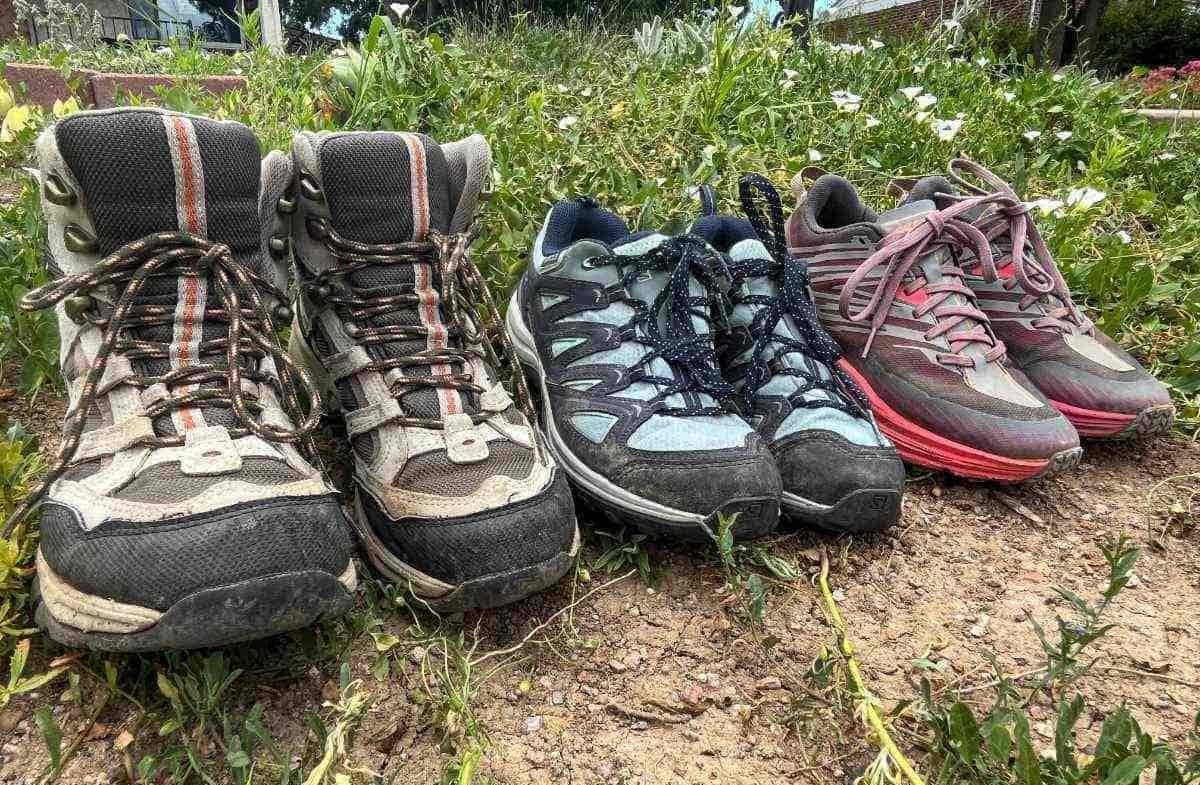
Hiking shoes are made for walking on trails with more support, stability, and underfoot protection. They usually feel sturdier than trail running shoes and are designed to handle long hours on uneven ground.
Most hiking shoes sit between trail runners and boots. They often have thicker midsoles, firmer outsoles, and stronger uppers. That mix helps when you are carrying a pack, crossing roots and rocks, or hiking slowly for many miles.
Common features of hiking shoes include:
- Durable uppers that resist abrasion from rocks and brush
- Deep lugs for grip on dirt, mud, and loose gravel
- Firmer midsoles for support on uneven ground
- Toe caps that help protect against stubs and scrapes
- More structure overall for stability under load
In my own trips, hiking shoes have been the safer choice when I knew the trail would be rocky or the day would be long. They feel a bit like a sturdy chair for your feet. Not flashy, but dependable.
What are trail running shoes?
Trail running shoes are built for moving fast over dirt, gravel, mud, and mixed terrain. They are lighter, more flexible, and more responsive than hiking shoes.
The goal is efficiency. A trail running shoe helps you pick up speed, keep your stride smooth, and react quickly to the ground. Many runners also like them for fast hiking because they reduce fatigue over time.
Common features of trail running shoes include:
- Lightweight construction for less foot fatigue
- Flexible midsoles for a natural stride
- Sticky rubber outsoles for traction
- Breathable uppers that dry faster
- Lower-profile design for agility and ground feel
I still remember the first time I switched from hiking shoes to trail runners on a steep loop. My legs felt fresher at the end, but I also noticed every sharp rock more. That tradeoff is the whole story in one sentence.
The key difference between hiking and trail running shoes
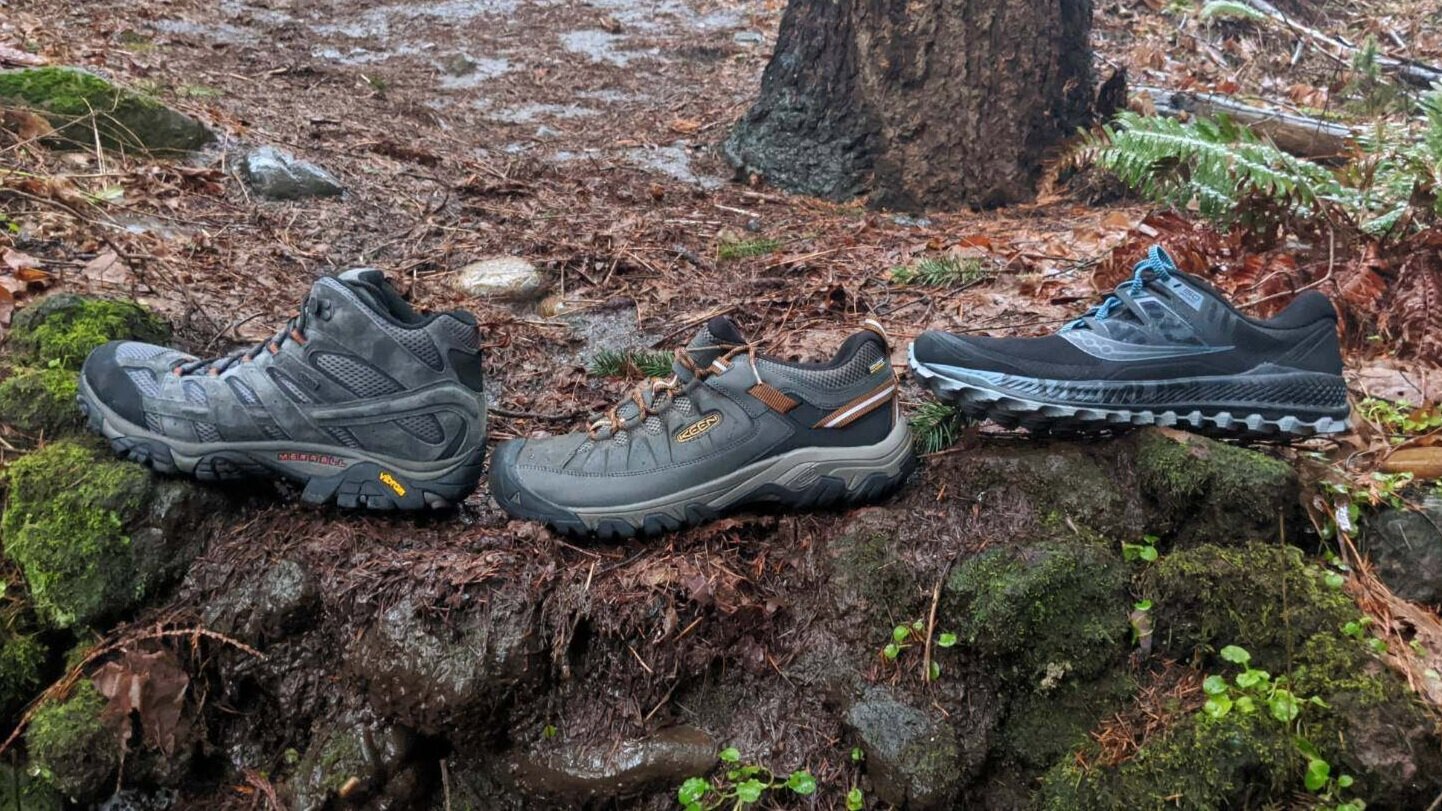
The main difference between hiking and trail running shoes is their purpose. Hiking shoes prioritize support, durability, and stability. Trail running shoes prioritize speed, light weight, and flexibility.
Here is the simplest way to think about it:
- Hiking shoes are for controlled movement, load support, and protection
- Trail running shoes are for quick movement, agility, and reduced fatigue
That difference shows up in almost every part of the shoe:
- Weight: Trail running shoes are usually lighter
- Cushioning: Trail runners often feel softer and more responsive
- Support: Hiking shoes usually offer more structure
- Protection: Hiking shoes tend to protect better from sharp ground
- Flexibility: Trail runners bend and move more easily
- Durability: Hiking shoes often last longer under heavy use
If you only remember one thing, remember this: hiking shoes are like a stable SUV, while trail running shoes are like a nimble crossover. Both can get you there, but they feel very different on the road.
Hiking shoes vs trail running shoes: side-by-side comparison
Here is a practical breakdown of the difference between hiking and trail running shoes.
| Feature | Hiking Shoes | Trail Running Shoes |
|---|---|---|
| Weight | Heavier | Lighter |
| Support | More supportive | Less structured |
| Flexibility | Stiffer | More flexible |
| Cushioning | Firm to moderate | Softer to moderate |
| Traction | Strong on rough trails | Strong on mixed and fast terrain |
| Protection | Better toe and side protection | Less protection, more ground feel |
| Best for | Long hikes, packs, rough terrain | Fast hikes, runs, light packs |
| Comfort style | Stable and secure | Quick and agile |
This table is useful, but real use matters more than specs. A shoe can look perfect on paper and still feel wrong if your foot shape, pace, or trail style does not match it.
When hiking shoes make more sense
Hiking shoes are often the better choice if your trail day includes more time on foot, heavier gear, or rough ground. They are especially useful when comfort and support matter more than speed.
Choose hiking shoes if you:
- Carry a daypack or heavier backpack
- Hike on rocky, uneven, or root-filled trails
- Want more ankle-area structure, even in a low-cut shoe
- Prefer a sturdier feel underfoot
- Are new to hiking and want extra confidence
From experience, hiking shoes shine on long, stop-and-go days. If you are climbing, descending, taking photos, and moving at a relaxed pace, the extra support is usually worth it.
When trail running shoes make more sense
Trail running shoes are the better pick if you want speed, light weight, or a more natural feel on the trail. They are also great for hikers who prefer less bulk.
Choose trail running shoes if you:
- Move fast on trails or do run-hike workouts
- Want to save energy on long distance outings
- Hike in warm weather and want better breathability
- Carry a light pack
- Prefer a shoe that feels less restrictive
I have seen many hikers switch to trail runners after one bad day in heavy shoes. Once they feel how much easier it is to move quickly, it is hard to go back unless the trail gets very rough.
Terrain matters more than most people think
The difference between hiking and trail running shoes becomes much clearer once you match them to the trail. Terrain is a huge part of the decision.
For these surfaces, hiking shoes often work better:
- Sharp rocks
- Wet roots
- Steep descents
- Loose scree
- Long mountain hikes
For these surfaces, trail running shoes often work better:
- Packed dirt
- Smooth forest trails
- Gravel paths
- Rolling hills
- Fast mixed-use routes
The bigger the obstacle, the more a hiking shoe tends to help. The smoother and faster the route, the more trail runners shine.
Comfort, cushioning, and fatigue
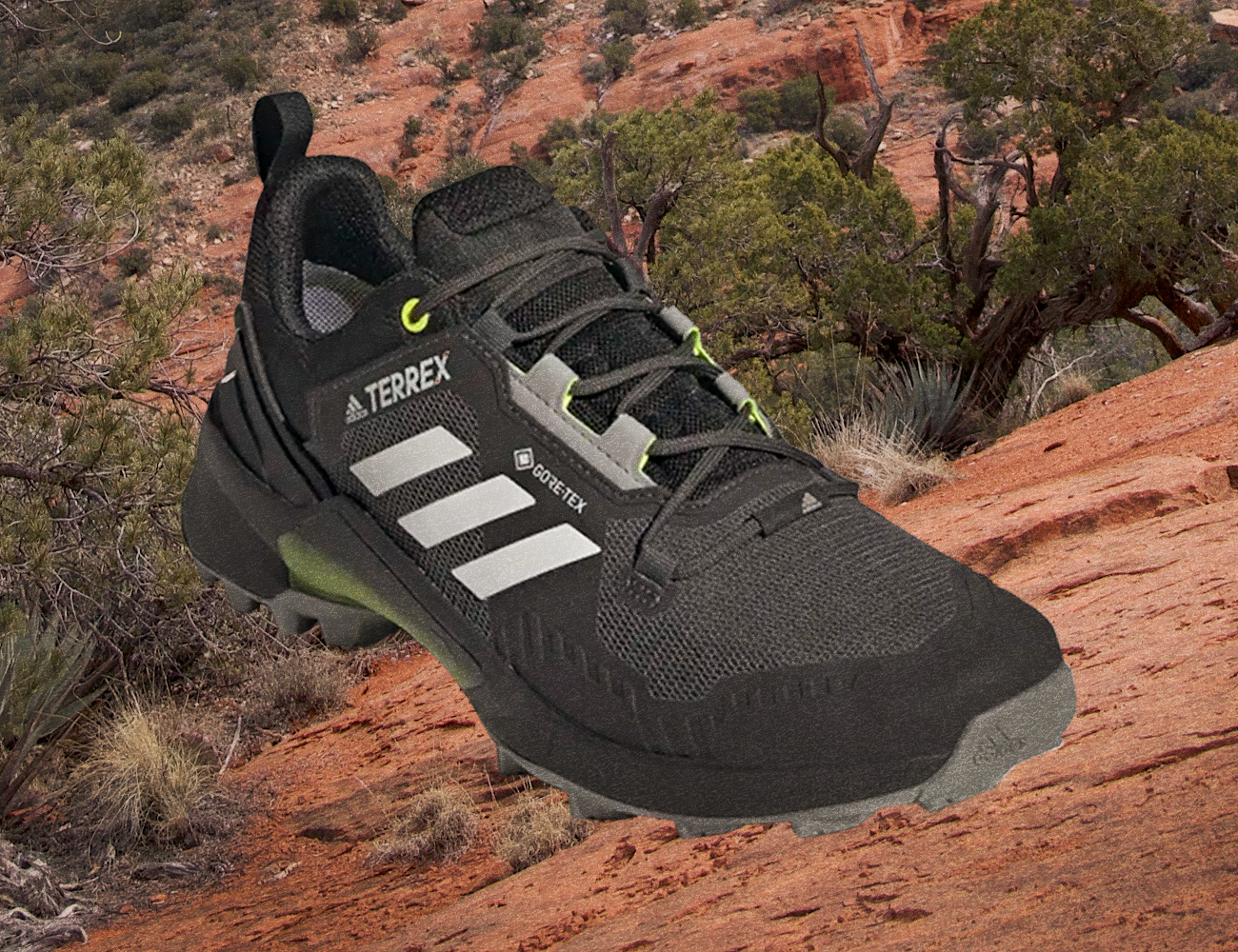
Comfort is not just about softness. It is about how your feet feel after hours of movement, and that is where the difference between hiking and trail running shoes really stands out.
Hiking shoes usually feel more secure and protective, which can reduce foot strain on rough trails. Trail running shoes often reduce overall fatigue because they are lighter and easier to swing with each step.
A few useful comfort notes:
- Heavier shoes can tire your legs faster over a long day
- Lighter shoes can make speed and cadence feel easier
- Firmer soles can help on jagged trails
- Softer soles can feel better on smoother ground
I learned this the hard way on a 14-mile hike with a heavy pack. My hiking shoes saved my feet on the rocks, but my trail runners would have probably saved my knees and hips on the climb. The right shoe depends on what your body needs most.
Grip and traction: not all outsoles are equal
Both shoe types can offer strong traction, but they are tuned differently. The outsole pattern, rubber compound, and lug depth all matter.
Hiking shoes often have:
- Deeper lugs for mud and loose ground
- More durable rubber for rough terrain
- A broader platform for stable footing
Trail running shoes often have:
- Sticky rubber for quick grip changes
- More spaced lugs for shedding mud
- A lighter outsole for faster steps
If you hike in wet, muddy, or technical terrain, study the outsole carefully. Traction can be the difference between confident steps and cautious shuffling.
Support and stability
Support is where hiking shoes usually lead. They are made to keep your foot planted and secure on uneven trails.
Trail running shoes can still feel stable, but they usually give up some support to stay light and fast. That tradeoff is fine for many users, but it is worth thinking about if you have weak ankles, carry gear, or prefer a more locked-in feel.
Support tips:
- Pick hiking shoes for rough ground and heavier packs
- Pick trail runners if you want speed and a more flexible ride
- Consider your arch, gait, and past injuries
- Test them on slopes, not just flat ground
If you have ever twisted an ankle in a soft, unstable shoe, you know why this matters. Trail safety starts from the ground up.
Durability and lifespan
Hiking shoes usually last longer when used on harsh terrain. Their tougher materials and stronger build can handle abrasion better.
Trail running shoes wear out faster in many cases because they are lighter. That does not mean they are low quality. It just means they are designed with different priorities.
A few durability tradeoffs:
- Hiking shoes often resist scuffs and trail abuse better
- Trail running shoes often break down faster under heavy use
- Both will wear faster on pavement
- Your weight, gait, and terrain affect lifespan a lot
If you split time between trail and road, remember that pavement shortens the life of both shoes. I have seen trail runners lose grip long before the upper failed, which is common for lighter footwear.
Fit: the part people get wrong most often
Fit matters more than brand, style, or marketing. The best difference between hiking and trail running shoes means nothing if the shoe does not fit your foot well.
Look for:
- A secure heel that does not slip
- Room in the toe box for downhill foot swell
- No pinching at the forefoot
- Enough midfoot hold without pressure points
- Try-on space for socks you actually wear
A common mistake is buying trail running shoes too snug. On long descents, toes swell and move forward. In hiking shoes, that can cause bruising. In trail runners, it can feel even worse because the shoe often has less protective padding.
Which is better for beginners?
For many beginners, hiking shoes are the safer starting point if the goal is casual day hiking on rocky or uneven trails. They give a sense of protection and stability that can build confidence.
Trail running shoes may be the better first choice if the beginner wants:
- A lighter feel
- Faster movement
- More comfort on mild trails
- A shoe that can double for walking and short runs
There is no universal winner. The better shoe is the one that matches your pace, trail type, and comfort needs.
Can you use trail running shoes for hiking?
Yes, many people do. In fact, this is one of the most common real-world uses of trail running shoes.
They work especially well for:
- Day hikes
- Fast hiking
- Warm weather outings
- Light pack trips
- Trails that are not too rocky or technical
The limitation is protection and stability. If you are carrying a heavy pack or hiking very rough terrain, trail runners may feel too soft or too exposed.
Can you use hiking shoes for trail running?
You can, but it is not ideal for most runners. Hiking shoes are usually heavier and less flexible, so they can feel clunky at speed.
They may work for:
- Short jogs on easy trails
- Run-hike outings
- People who want extra protection and do not mind the weight
But if running is your main goal, trail running shoes are usually the better tool. The lighter feel makes a big difference once the miles add up.
How to choose the right shoe for your needs
The easiest way to decide between hiking and trail running shoes is to ask how you move and where you go.
Use this simple guide:
- Choose hiking shoes if you want more support, more protection, and more stability.
- Choose trail running shoes if you want less weight, more speed, and more flexibility.
- Match the shoe to the terrain, not just the distance.
- Think about your pack weight and how long you will be out.
- Try both on before buying if possible.
Here is the rule I use after years of trial and error: if the trail will punish my feet, I choose hiking shoes. If my goal is to move fast and finish fresh, I choose trail running shoes.
Expert-backed tips before you buy
A few practical checks can save you from a bad purchase:
- Walk downhill in the store if you can
- Check toe room with socks on
- Test the shoes late in the day when feet are slightly swollen
- Look for a return policy if you plan to test them outside
- Do not assume more cushioning means more comfort
Footwear research and outdoor gear testing often show the same pattern: fit and intended use matter more than brand name. That is why two people can love the same shoe for completely different reasons.
Frequently Asked Questions of difference between hiking and trail running shoes
Are hiking shoes better than trail running shoes?
Hiking shoes are better if you want more support, protection, and durability on rough trails. Trail running shoes are better if you want a lighter shoe for faster movement.
Are trail running shoes good for hiking?
Yes, trail running shoes are great for many day hikes and moderate trails. They are especially useful if you want less weight and better breathability.
Which lasts longer, hiking shoes or trail running shoes?
Hiking shoes usually last longer because they are built with tougher materials. Trail running shoes often wear out faster, especially if you use them on abrasive terrain or pavement.
Do hiking shoes and trail running shoes fit the same?
Not always. Trail running shoes often feel more snug and flexible, while hiking shoes may feel more structured and supportive.
Can I wear hiking shoes for running?
You can, but most hikers would not want to run long distances in them. They are heavier and less flexible than trail running shoes, so they are not ideal for speed.
Conclusion
The difference between hiking and trail running shoes comes down to one simple idea: hiking shoes favor support and protection, while trail running shoes favor light weight and speed. Once you match the shoe to your trail, your pack, and your pace, the right choice becomes much easier.
If you are still unsure, start with your most common outing. Pick the shoe that fits that use best, then test it on real ground before your next big trip. Your feet will tell you very quickly whether you made the right call.