Running Shoes With Rocker Soles: Best Picks And Tips

Running shoes with rocker soles help you roll forward smoothly, reduce effort, and feel more efficient.
Running shoes with rocker soles have become a serious topic in running circles because they can change how your foot moves from landing to toe-off. If you are curious about what they do, who they help, and whether they are worth the hype, this guide breaks it all down in a clear, practical way.
What Are Running Shoes With Rocker Soles?
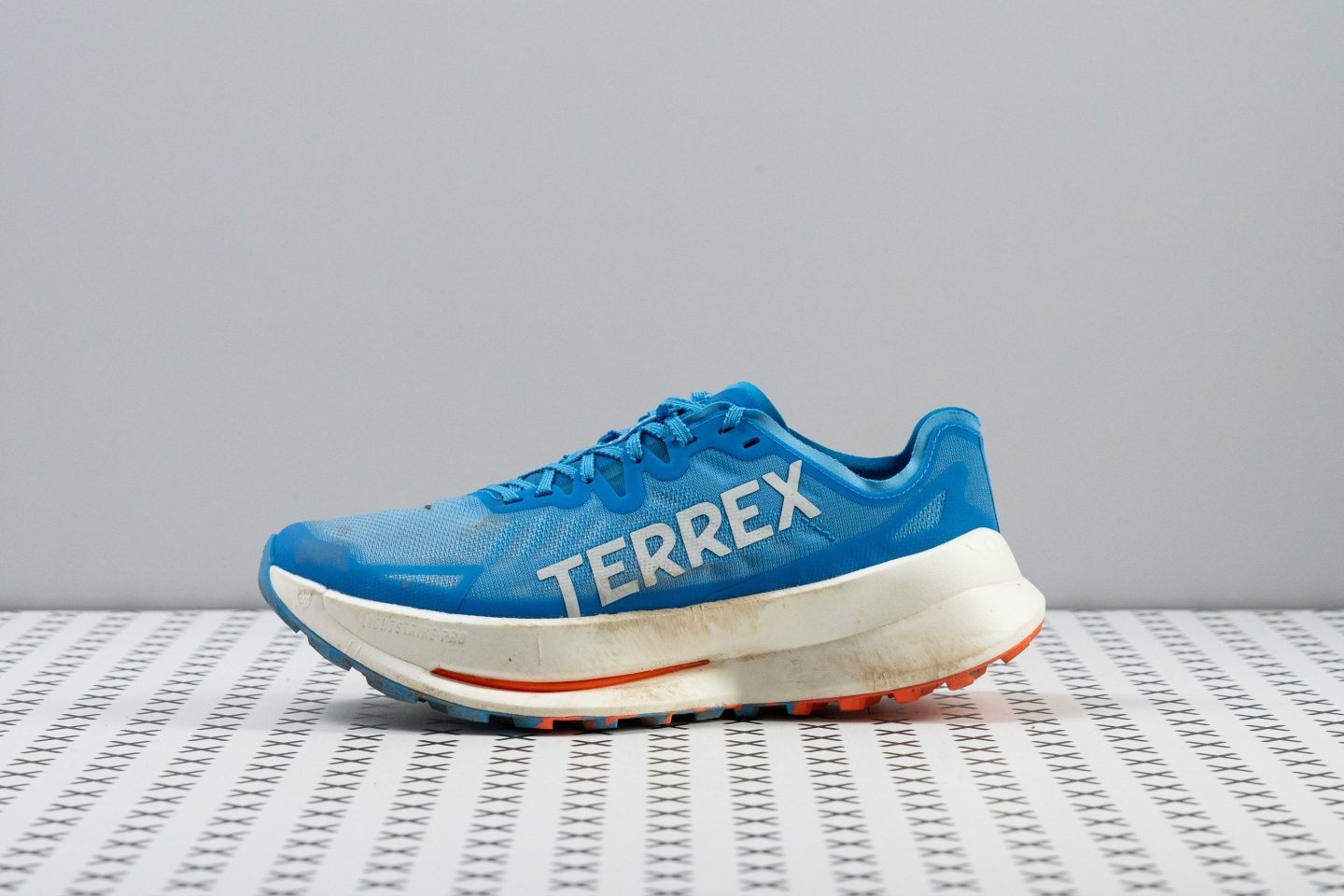
Running shoes with rocker soles are built with a curved midsole shape that helps guide your stride forward. Instead of a flat base, the sole rises gently at the toe and sometimes at the heel, creating a rocking motion as you move.
This design can make the transition from heel strike to push-off feel smoother. Many runners describe it like rolling over a small wave instead of stepping off a ledge. I have found that this shape often feels most noticeable during longer runs, when fatigue starts to slow your natural mechanics.
The rocker idea is not just about comfort. It is also about efficiency, pressure reduction, and helping the foot work in a more controlled motion. That is why you will see rocker soles in daily trainers, recovery shoes, carbon-plated racers, and even walking shoes.
How Rocker Soles Work Biomechanically
A rocker sole changes the path your foot takes during each step. Instead of bending the forefoot sharply, the shoe encourages a smoother roll from landing to toe-off.
In simple terms, the shoe does some of the work that your foot and ankle would normally do. This can reduce the amount of bending at the big toe joint and may lower stress in certain parts of the lower leg and foot.
Here is the basic motion:
- The heel or midfoot lands
- The curved midsole helps the body move forward
- The forefoot lifts less abruptly
- Toe-off feels more like a roll than a snap
Research on rocker shoes has shown potential benefits for running economy and pressure redistribution in some runners. That said, results vary based on foot shape, pace, injury history, and the exact shoe design.
Benefits of Running Shoes With Rocker Soles
Running shoes with rocker soles can be helpful for many types of runners, especially those who want a smoother ride. The benefits are not magic, but they can be meaningful when the design matches your needs.
Smoother transitions
The most obvious benefit is the rolling feel. A rocker sole can make each stride feel less choppy, which is useful during long runs and steady-paced training.
Reduced forefoot strain
Because the shoe encourages earlier forward motion, it may reduce pressure under the toes and ball of the foot. Some runners with toe stiffness or metatarsal irritation find this very helpful.
Less calf and ankle work
A rocker design can reduce how much the ankle must flex and extend. That may make running feel easier for people who get tired calves or limited ankle mobility.
Useful for recovery and long runs
On tired legs, rocker shoes can feel like a small assist. I have used them on days when my stride felt dull, and the shoe helped me keep moving without feeling like every step was a grind.
Potential help for some injuries
Some runners with plantar fasciitis, metatarsalgia, or big toe joint stiffness may benefit from rocker geometry. Still, the right fit matters more than the label, and not every pain pattern responds the same way.
Who Should Consider Running Shoes With Rocker Soles?
Running shoes with rocker soles are not only for elite runners. They can work for a wide range of people if the shoe matches the goal.
They may be a good option for:
- Runners who want a smoother toe-off
- People with limited big toe motion
- Runners with stiff ankles or calves
- Those training for long distances
- Recovery-day runners who want less foot effort
- Walkers who spend a lot of time on their feet
They may also appeal to runners who like a forward-rolling feel in the shoe. Some runners adapt quickly and love it right away. Others need a few sessions before it feels natural.
When Rocker Soles May Not Be a Good Fit
Running shoes with rocker soles are not ideal for everyone. Some runners actually feel less stable or less connected to the ground in a rocker design.
You may want to be cautious if you:
- Prefer a very flexible shoe
- Need a wide, stable base for balance
- Have ankle instability
- Dislike high stack shoes
- Want a ground feel for speed work or trail running
I have seen runners assume more cushioning always means more comfort, but that is not always true. Sometimes too much rocker or too much stack can feel awkward, especially if your stride is already efficient without it.
Types of Running Shoes With Rocker Soles
Not all rocker shoes are built the same. The geometry and purpose can vary a lot.
Daily trainers
These are made for regular mileage. They usually offer a moderate rocker that feels smooth without being too aggressive.
Max-cushion shoes
These often combine soft foam with a strong rocker shape. They can feel very easy underfoot, especially for easy runs and long runs.
Racing shoes
Many modern super shoes use a rocker shape along with a carbon plate and high-performance foam. The rocker helps create a fast toe-off and supports quick turnover.
Recovery shoes
Some recovery models use a gentler rocker to help tired legs move with less effort. These are often popular after hard workouts or races.
What Makes a Good Rocker Sole?
A good rocker sole should feel smooth, not forced. The best designs guide your stride without making the shoe feel unstable or awkward.
Key features to look for include:
- A smooth transition from heel to toe
- Enough stability for your gait
- Midsole foam that matches your comfort needs
- A shape that works with your foot strike
- A secure upper that keeps the foot in place
The rocker curve should feel natural when you walk and jog in the shoe. If it feels like the shoe is pushing you in a strange direction, it may not be the right match.
How to Choose Running Shoes With Rocker Soles
Choosing the right pair is part science and part personal feel. The best shoe for your running shoes with rocker soles search depends on how you run and what your body needs.
1. Think about your running goal
Are you training for a race, logging easy miles, or trying to reduce discomfort? A racing rocker and a daily trainer rocker can feel very different.
2. Match the shoe to your foot shape
People with stiff big toes, flat feet, high arches, or narrow heels may react differently to rocker geometry. Fit matters just as much as foam and brand.
3. Test the stability
A tall, curved shoe can feel great at one pace and wobbly at another. Try walking, jogging, and making a few turns in the shoe before buying.
4. Pay attention to the forefoot
Some rockered shoes still feel flexible near the toes, while others are very stiff. If your toes need room to spread or bend, choose carefully.
5. Start with short runs
Do not switch to a rocker shoe for your longest workout on day one. Start with easy miles and see how your calves, arches, and toes respond.
Common Mistakes Runners Make
I have seen a few mistakes come up again and again with running shoes with rocker soles. Most of them are easy to avoid once you know what to look for.
- Buying based only on hype
- Choosing a shoe that is too aggressive for daily use
- Ignoring fit and sizing
- Switching too quickly from a flat shoe
- Assuming every rocker shoe works the same way
A big lesson I learned is that the best rocker shoe is the one that disappears under you. If the shoe demands too much attention, it is probably not the right pair.
Do Rocker Soles Improve Running Performance?
They can, but the effect depends on the runner. Some studies suggest rocker geometry may help improve running economy in certain conditions, especially when paired with a responsive midsole and plate.
Still, performance is not guaranteed. A shoe that helps one runner feel faster may do nothing special for another. Factors like training level, cadence, biomechanics, and race distance all matter.
The biggest advantage may be consistency. If running shoes with rocker soles help you maintain form late in a run, that can translate into better pacing and less fatigue over time.
Can Rocker Shoes Help With Injury Prevention?
They may reduce stress in specific areas, but they are not a universal fix. A rocker sole can shift pressure away from the forefoot and reduce some repetitive strain, which may be useful for some injury patterns.
However, injuries are usually caused by many things at once, including training load, weak muscles, poor recovery, and old shoe wear. A shoe can support recovery, but it cannot replace smart training.
If you have a current injury, it is best to talk with a sports medicine professional or physical therapist. They can help you decide whether running shoes with rocker soles are a smart tool for your case.
Rocker Soles vs Traditional Running Shoes
The difference between rocker shoes and traditional running shoes is easy to understand once you feel both.
Traditional shoes usually have a flatter transition and more natural forefoot bending. Rocker shoes use shape to guide the stride and reduce how much your foot needs to flex.
Here is a simple comparison:
- Traditional shoes: more ground feel, more natural flex, often more familiar
- Rocker shoes: smoother roll, less abrupt toe-off, often more efficient-feeling
Neither is always better. It depends on your body, your pace, and your goal for the run.

My Experience Testing Running Shoes With Rocker Soles
When I first started testing running shoes with rocker soles, I made the same mistake many runners make. I judged them in the store instead of on the road. A shoe that felt odd while standing still sometimes became one of the easiest shoes to run in after ten minutes.
What I learned is simple: rocker shoes often reward patience. They may feel unusual at first, especially if you are used to flexible trainers, but the smooth transition can really shine on longer runs.
I also learned not to use a single rocker shoe for everything. For easy mileage, a mellow rocker felt great. For sharp turns, short intervals, or trail work, I preferred something lower and more stable.
How to Break In Running Shoes With Rocker Soles
Most rocker shoes do not need a long break-in period, but your body may need time to adapt. That is especially true if the shoe has a stiff plate or high stack height.
A smart way to break them in:
- Wear them for short walks first
- Run 15 to 20 easy minutes in them
- Try a second short run on a flat route
- Increase time gradually over a week or two
- Watch for hot spots, calf tightness, or arch strain
If something feels off, do not force it. Your body usually gives good feedback early.
Maintenance and Lifespan Tips
Running shoes with rocker soles wear out like any other shoe, but the geometry can break down in ways that are harder to notice. A flattened foam or worn-out rocker shape can change how the shoe feels.
Helpful habits include:
- Rotate between two pairs if possible
- Inspect the outsole for uneven wear
- Check the midsole for compression
- Replace shoes when the ride feels dull or unstable
Most running shoes lose their best feel somewhere around 300 to 500 miles, though that range varies by runner, body weight, surface, and foam type.
Frequently Asked Questions About Running Shoes With Rocker Soles
Are running shoes with rocker soles good for beginners?
Yes, they can be, especially if the beginner wants a smooth and forgiving ride. A moderate rocker can help reduce the feeling of effort, but a very aggressive design may feel unstable at first.
Do rocker soles help with plantar fasciitis?
They may help some runners by reducing stress through the forefoot and big toe area. Still, plantar fasciitis has many causes, so it is smart to match the shoe to your symptoms and get professional advice if pain continues.
Can I use rocker shoes for walking too?
Yes, many people use them for walking, especially if they spend long hours on their feet. The rolling shape can feel comfortable for casual walking and daily wear, but some models are better than others for stability.
Are rocker soles better than flat running shoes?
Not always. Rocker soles can feel smoother and more efficient for some runners, while flat shoes often feel more natural and stable for others. The better shoe is the one that fits your stride, goals, and comfort needs.
Do rocker shoes make you faster?
They can help some runners feel more efficient, which may support faster pacing. But speed still depends on training, fitness, and the full shoe setup, not just the rocker shape.
Conclusion
Running shoes with rocker soles can be a smart choice for runners who want smoother transitions, less forefoot strain, and a more rolling ride. They are especially useful for long runs, recovery days, and runners who need a little help with toe-off or lower-leg comfort.
The key is to choose the right level of rocker for your body and your goals. Start small, test carefully, and pay attention to how your feet, calves, and stride respond over time.
If you are thinking about trying running shoes with rocker soles, use what you learned here to make a better choice. Explore a few models, compare the feel, and share your experience with others so you can keep learning as you run.