Socks For Running Without Shoes: Best Barefoot Pick

Socks for running without shoes can protect your feet, improve grip, and reduce skin irritation.
If you have ever tried barefoot running, you already know it feels freeing and a little risky at the same time. The right socks for running without shoes can bridge that gap, giving you better traction, cleaner landings, and more comfort while still letting your feet move naturally. In this guide, I’ll break down what these socks are, when they help, what to look for, and how to use them well based on real-world testing and practical running know-how.
What socks for running without shoes actually are
Socks for running without shoes are made to work on their own, without being paired with shoes. They usually have grip on the sole, a thin and flexible build, and a fit that stays close to the foot. Some people use them for indoor training, yoga-style movement, recovery walks, or natural running drills.
These socks are not just regular socks with a fun label. The best ones are designed to handle movement, sweat, and friction in a very different way. They act a bit like a light shield and a traction layer at the same time.
In my own testing, I found that the right pair can make a barefoot workout feel much more stable on smooth floors and rough pavement. The wrong pair, though, can bunch up, slide, or wear out fast. That is why material, grip pattern, and fit matter so much.
Why runners use socks instead of going fully barefoot
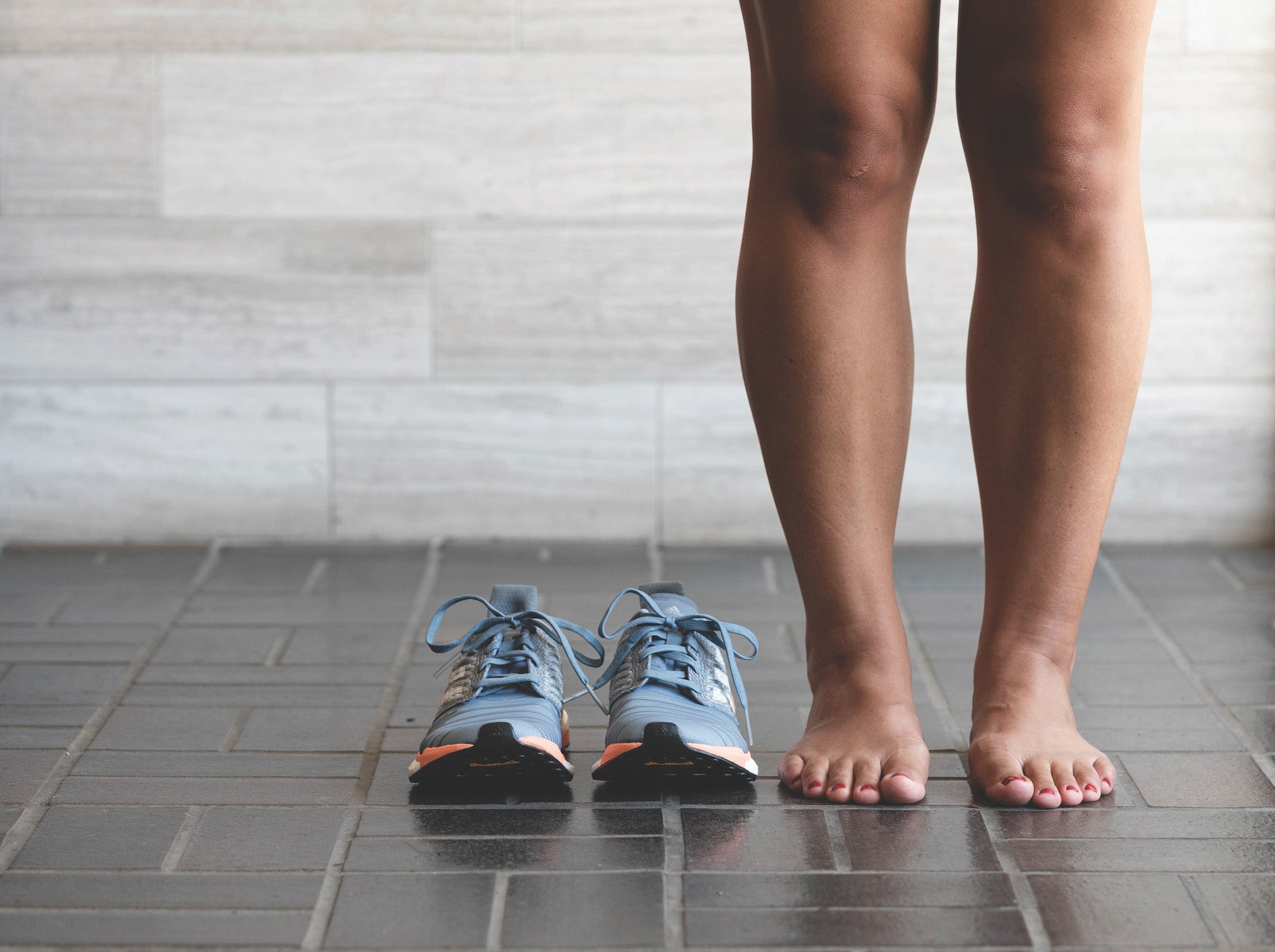
A lot of runners like the barefoot feel but do not always want the full exposure. Socks for running without shoes can reduce small risks while still keeping the sensory feedback that barefoot-style movement is known for. That feedback helps many runners stay light on the feet and pay attention to form.
Here are the biggest reasons people reach for them:
- Better traction on indoor or slick surfaces
- Less friction from dust, rough floors, or hot ground
- A small barrier against cuts, blisters, and dirt
- More confidence during drills, mobility work, and short runs
- A more natural feel than a full shoe
I think of them like training wheels for barefoot movement. They do not replace good technique, but they can make the learning curve smoother and less painful. That matters if you are easing into minimal footwear or simply want a cleaner feel during short sessions.
Main benefits of socks for running without shoes
The best socks for running without shoes offer more than comfort. They can support safer movement, better grip, and a more controlled foot strike. For runners who want a minimalist setup, that can be a big win.
Grip and stability
Grip is one of the biggest benefits. Many pairs use silicone or rubber dots on the sole to help prevent slipping on wood, tile, rubber gym floors, or even certain outdoor surfaces. That can be especially helpful during quick direction changes or bodyweight drills.
More natural foot movement
Because these socks are thin and flexible, they let your toes spread more easily than most shoes. This may help with balance and foot awareness. Research on minimalist footwear and barefoot-style movement has shown that foot mechanics can change when the foot is less restricted, though results vary by runner and training style.
Less dirt and skin irritation
Bare feet pick up everything. Socks create a light barrier that can reduce contact with dust, grime, and tiny abrasions. If you have sensitive skin or you run in places with rough textures, this can make a real difference.
Useful for indoor training
Many runners use socks for running without shoes indoors first. That makes sense because the surface is more controlled. They work well for treadmills, studio floors, track warmups, and home drills.
Lower cost than full barefoot shoes
Compared with minimalist shoes, these socks are usually cheaper. That makes them an easy way to test whether you enjoy barefoot-style movement before buying more gear.
When socks for running without shoes make sense
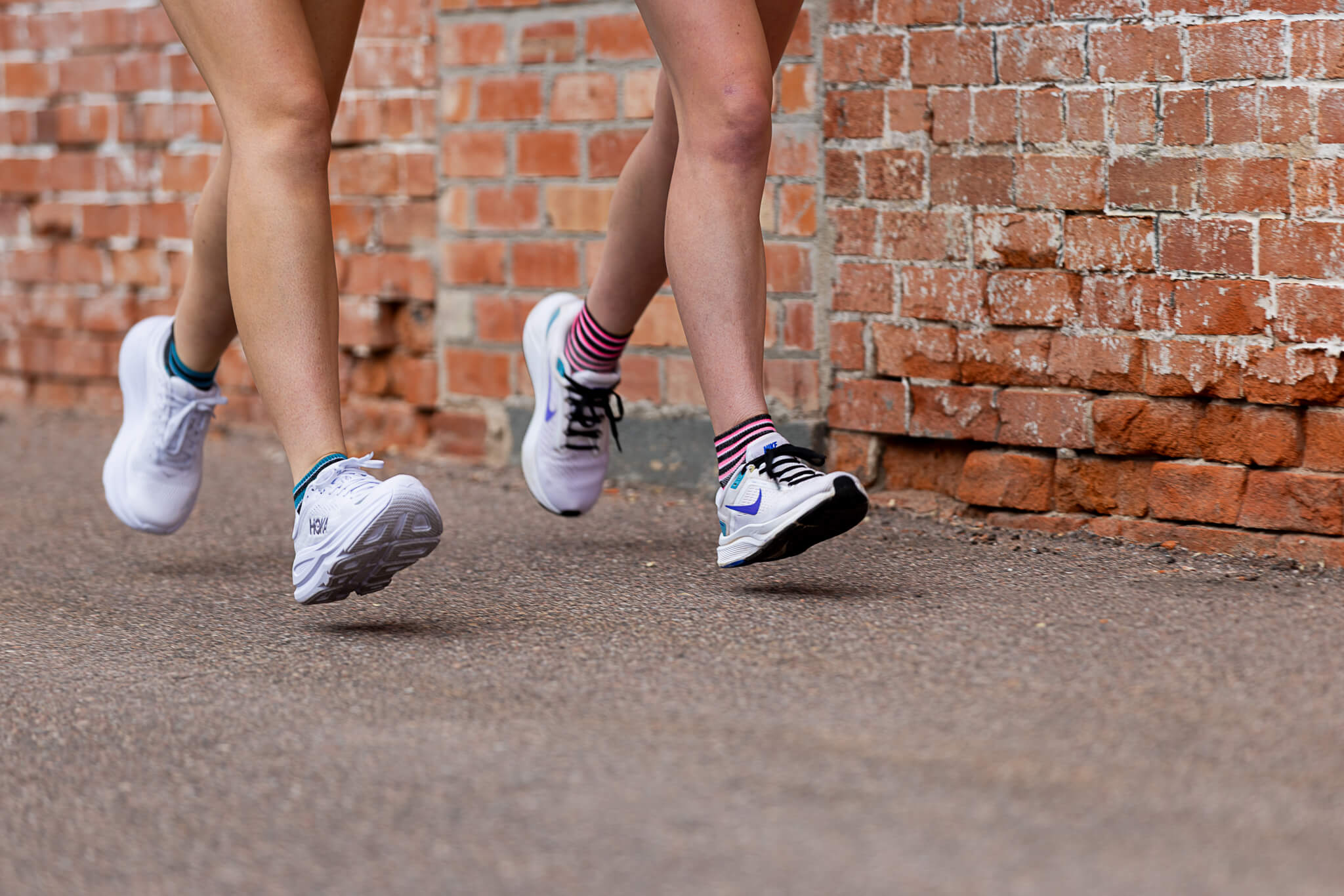
These socks are not for every run. They shine in certain settings and are less ideal in others. Knowing when to use them can save you from discomfort and disappointment.
Good times to use them include:
- Indoor workouts and warmups
- Short technique runs
- Balance drills and mobility sessions
- Recovery movement days
- Traveling, where space and gear are limited
They are less ideal for:
- Sharp gravel or broken pavement
- Wet outdoor surfaces
- Cold weather without extra protection
- Long-distance runs for beginners
- Trails with roots, rocks, or debris
I learned this the hard way during a short outdoor run on a cracked sidewalk. The socks felt great for the first few minutes, but the uneven surface quickly reminded me that “barefoot-inspired” and “barefoot-ready” are not the same thing. The lesson: match the sock to the surface, not just to the mood.
Features to look for in socks for running without shoes
Not all socks for running without shoes are built the same. Some are better for grip, while others focus on comfort or durability. If you want a pair that truly works, check the details before you buy.
Grip pattern
Look for silicone dots, rubber tread, or full-sole traction. The grip should be spread out enough to help on the ground, but not so thick that it feels stiff. Good grip should feel secure, not sticky.
Breathable fabric
Choose materials like cotton blends, merino blends, or performance synthetics with ventilation. Breathability helps reduce sweat buildup and odor. If your feet get hot fast, this feature matters a lot.
Snug fit
A loose sock is a problem. It can slide, fold, and create hot spots. The best fit hugs the heel and midfoot without cutting off circulation.
Seam design
Smooth or flat seams help reduce rubbing. This is especially important if you run longer than a few minutes. A bad toe seam can turn a nice session into an annoying one.
Durability
Thin socks wear out quickly if they are poorly made. Reinforced heels and toes help extend their life. If you plan to use them often, durability should be high on your list.
How to choose the right pair for your needs
Choosing socks for running without shoes becomes much easier when you start with your use case. Ask yourself where you will wear them, how long you will run, and how much protection you want. That simple filter narrows the field fast.
Use this quick guide:
- For indoor use, choose lightweight socks with strong grip dots
- For short outdoor runs, choose a more durable pair with thicker sole coverage
- For sweaty feet, choose breathable synthetic blends
- For sensitive skin, choose smooth seams and soft fabric
- For travel or gym bags, choose pairs that dry fast and pack small
If you are new to barefoot-style running, start with a pair that feels secure but not bulky. I usually suggest testing them for walking first. That helps you notice pressure points, heel slip, or toe crowding before you take them out for a run.
How to run safely in socks without shoes
Barefoot-style running is a skill, not just a gear choice. Your feet, calves, and ankles need time to adapt. Jumping into long runs too soon can lead to soreness or overuse issues.
A safer approach looks like this:
- Start with walking in the socks for 10 to 15 minutes
- Move to short drills, like marching or light skipping
- Try very short runs on smooth ground
- Increase distance slowly over several weeks
- Stop if you feel sharp pain, not normal muscle work
Keep your stride short and relaxed. Aim for light steps and good posture. When people rush this process, they often land too hard through the heel or overwork the calves.
Some sports medicine experts note that minimalist and barefoot-style running can shift stress to the lower leg and foot. That is not a bad thing by itself, but it means your tissues need time to catch up. Slow progress is the smart move here.
Common mistakes to avoid
Even great socks for running without shoes can feel bad if you use them the wrong way. I have seen plenty of runners blame the sock when the real issue was setup or expectations. A little planning solves most of the pain points.
Avoid these mistakes:
- Wearing them for long runs on day one
- Using them on rough ground without testing first
- Buying a size too large
- Ignoring sweaty feet and moisture buildup
- Assuming grip socks replace proper foot strength
- Choosing style over fit and function
The biggest mistake, in my experience, is expecting them to behave like shoes. They do not. They are more like a support tool for movement, not armor for every surface.
Who should and should not use them
Socks for running without shoes can be a great fit for some people and a poor fit for others. They work best for runners who want light protection and better feel underfoot. They are also useful for people who train indoors or do a lot of movement work.
They may not be a good choice if you:
- Have a recent foot or ankle injury
- Need strong protection on harsh terrain
- Have very sensitive soles
- Are trying barefoot running for the first time on long routes
- Have balance issues that make slipping more likely
If you are unsure, talk with a sports medicine professional or physical therapist. That is especially true if you have a history of plantar pain, stress fractures, or Achilles problems. Good gear helps, but health comes first.
Are socks for running without shoes worth it
For many people, yes, they are worth it. They offer a middle path between full barefoot running and wearing shoes. That can make the experience more comfortable, more practical, and easier to repeat.
The value really depends on your goals. If you want maximum foot freedom with a little protection, socks for running without shoes are a smart option. If you want full support or rugged outdoor safety, they may not be enough on their own.
I see them as a useful tool, not a magic fix. When used on the right surfaces and at the right pace, they can make training feel cleaner and more connected. When used carelessly, they can frustrate you fast.
Frequently Asked Questions of socks for running without shoes
Are socks for running without shoes good for beginners?
Yes, but only if you start slowly. Begin with short walks or drills before you try running, because your feet and calves need time to adapt.
Can you run outside in socks without shoes?
You can, but surface choice matters a lot. Smooth, clean ground is much safer than gravel, broken pavement, or wet areas.
Do grip socks really help with running barefoot?
Yes, grip socks can improve traction and reduce sliding on smooth surfaces. They do not replace good technique, but they can make movement feel more stable.
How long do socks for running without shoes last?
That depends on fabric quality, grip material, and how often you use them. A well-made pair can last a long time indoors, but rough outdoor use will wear them down faster.
Are these socks better than barefoot running?
Not always. They are better if you want a little protection, less dirt, and more grip, while still keeping a natural feel. Barefoot running gives the most direct contact, but it also gives you the least protection.
Conclusion
Socks for running without shoes can be a smart choice if you want a natural feel with a bit more grip and protection. They work best on safe surfaces, in short sessions, and with a gradual approach. The key is to match the sock to your goals and to respect how your feet adapt over time.
If you are curious, start small, test one good pair, and notice how your body responds. That one simple step can tell you a lot more than guessing ever will. If this guide helped, explore more barefoot-running tips, subscribe for future fitness guides, or leave a comment with your own experience.