Running Shoe Store That Scans Your Feet: Perfect Fit Guide 2026

A running shoe store that scans your feet helps match your stride, arch, and pressure points.
A good running shoe store that scans your feet does more than sell shoes. It uses foot scanning technology, gait analysis, and hands-on fitting to help you find a shoe that fits your body, not just your size. I’ve seen how much difference this makes for runners who deal with blisters, knee pain, or shoes that feel “almost right” but never quite work. If you want a smarter, more comfortable way to buy running shoes, this guide will walk you through what the scan does, why it matters, and how to use it well.
What Is a Running Shoe Store That Scans Your Feet?
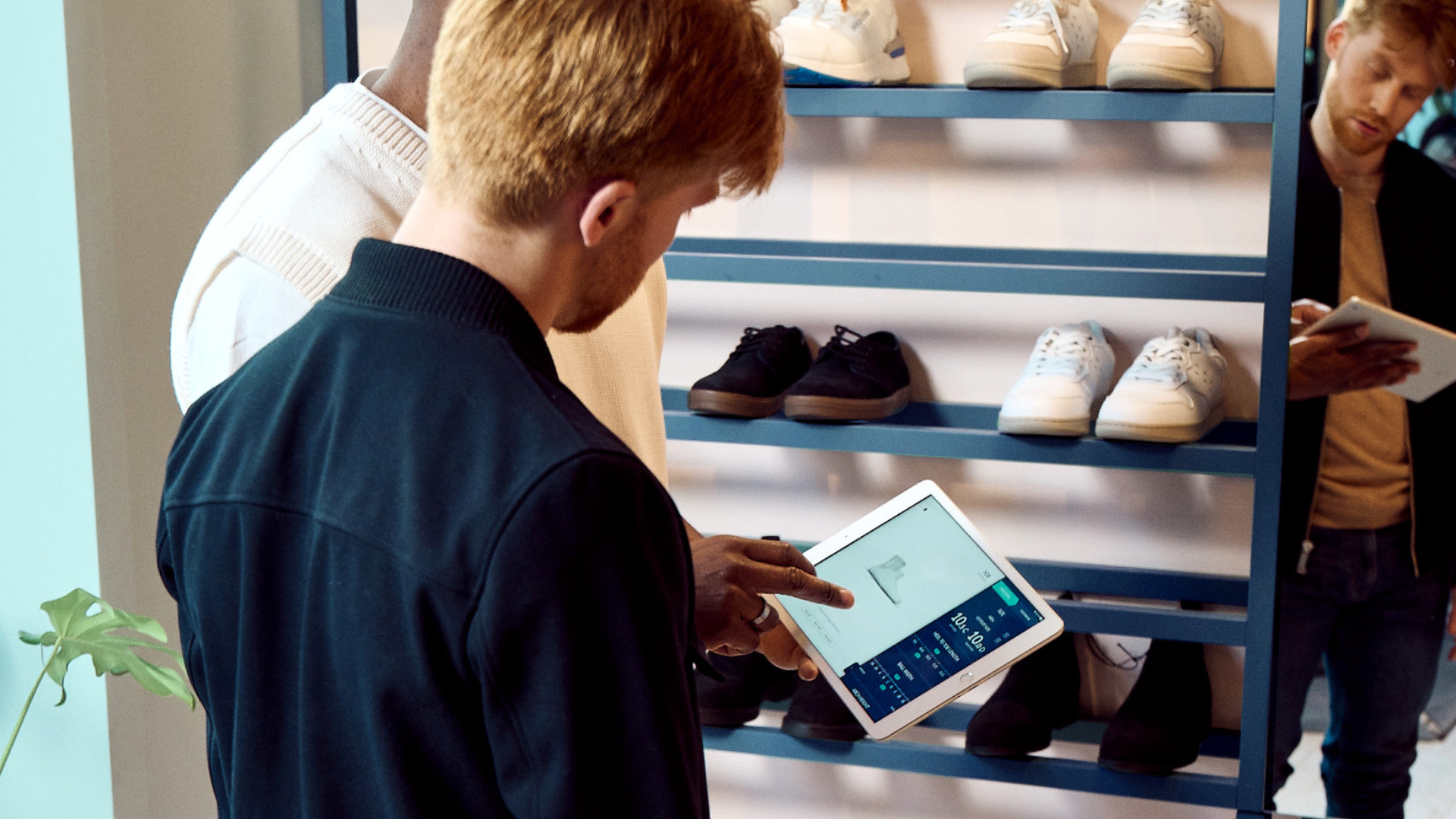
A running shoe store that scans your feet uses digital tools to measure your feet in detail. These tools often check length, width, arch shape, heel size, and pressure zones. Some stores also use treadmill video or gait analysis to see how you move when you run or walk.
This kind of store is built around fit, not guesswork. Instead of relying only on your normal shoe size, the staff uses data to narrow down the best options. That can be a big help because many runners wear the wrong size for years without knowing it.
A foot scan can reveal things like:
- One foot being slightly larger than the other
- A wide forefoot that needs more toe room
- A low arch or high arch
- Uneven pressure on the heel or ball of the foot
- Signs that you may need a stability shoe, neutral shoe, or wider fit
In my experience, the best fitting sessions happen when the scan is just the starting point. The scan gives useful data, but the real win comes from combining that data with comfort, movement, and real-world feel.

How Foot Scanning Technology Works
Most running shoe store that scans your feet setups use a 3D scanner or pressure plate. You stand still for a few seconds, and the system captures the shape of both feet. Some systems also look at how your feet spread under body weight, which matters because your feet are often larger and wider when you stand.
A staff member may then review the scan and talk through your running habits. They may ask about distance, training surface, past injuries, and what feels wrong with your current shoes. That context matters because a scan alone cannot tell the full story.
Common tools used in these stores include:
- 3D foot scanners
- Pressure mapping mats
- Treadmill gait cameras
- Brannock-style sizing tools
- Wear-pattern checks on old shoes
The scan is useful because feet are not flat, simple shapes. They are dynamic, soft structures that change with motion. That is why a running shoe store that scans your feet can be more accurate than buying shoes based on memory or online photos.
Why Foot Scanning Matters for Runners
Running puts repeated stress on your feet, ankles, knees, and hips. If your shoes do not fit well, even a small issue can turn into a bigger one over time. A store that scans your feet helps reduce that risk by showing how your foot actually behaves.
The biggest benefits often include:
- Better comfort during short and long runs
- Lower chance of blisters and black toenails
- More room for toe splay
- Better support for arch and heel shape
- Less guesswork when comparing brands
I once watched a runner come in thinking she needed a smaller shoe because her current pair felt loose in the heel. The scan showed her foot was actually wider than average, and her “slip” problem was coming from the wrong shape, not the wrong length. She left in a wider model that fit better in every way.
That is the real value of a running shoe store that scans your feet. It helps you stop blaming the wrong thing and start solving the real problem.
What to Expect During a Foot Scan Fitting
If you have never been to a running shoe store that scans your feet, the process is usually simple and friendly. Most fittings take 20 to 45 minutes, depending on how many shoes you try.
A typical visit may include:
- A short interview about your running history
- A foot scan while standing still
- A review of your scan results
- A walk or jog test
- Shoe recommendations based on your needs
- Final try-on and comfort check
Good staff will not rush you. They should ask how the shoe feels at the toe, midfoot, and heel. They should also check your socks and lacing, because those small details can change the fit a lot.
A personal tip: wear the socks you normally run in. I have seen people test shoes in thick casual socks and then wonder why the fit changes later. Simple mistake, big effect.
What the Scan Can and Cannot Tell You
A running shoe store that scans your feet can tell you a lot, but it is not magic. The scan gives useful numbers and shapes, yet it does not replace human judgment or personal comfort.
It can usually tell you:
- Foot length and width
- Arch type or arch height
- Foot volume
- Pressure patterns
- Potential size differences between feet
It cannot fully tell you:
- Whether a shoe feels good after 10 miles
- How your body will adapt over time
- Whether a past injury changes your shoe needs
- Your personal preference for firmness or softness
That is why the best fit is part science and part feel. A scan can guide the search, but the final answer comes from how the shoe performs on your foot.
Signs You Should Visit a Running Shoe Store That Scans Your Feet
You do not need an injury to benefit from a scan. In fact, visiting earlier can save you from problems later. If any of these sound familiar, a running shoe store that scans your feet may help:
- You get blisters in the same spot
- Your toes hit the front of the shoe on downhills
- One shoe wears out faster than the other
- You feel heel slip or midfoot squeeze
- Your current shoes cause arch pain or hot spots
- You have a wide foot, narrow heel, or bunion
- You are starting a new training plan or race build
Many runners keep wearing the same size for years, even after their feet change. But feet can change with age, weight shifts, pregnancy, training volume, and injury. A scan is a practical way to check in again.
How to Choose the Right Shoe After the Scan
The scan is only the first step. Once the running shoe store that scans your feet gives you results, you still need to compare shoe models and test them properly. Comfort should be your guide.
Look at these fit points:
- Toe room: You should have space to wiggle your toes
- Heel hold: Your heel should feel secure without rubbing
- Midfoot feel: The shoe should feel snug, not tight
- Width: No pinching along the sides
- Flex and support: The shoe should match your stride and comfort level
It helps to try several options. One shoe may match your scan perfectly but still feel wrong underfoot. Another may look less ideal on paper but feel great the second you jog in it.
I often tell runners to trust comfort first, then confirm with the scan. Shoes are like chairs for your miles. A good-looking chair that feels bad is still a bad chair.
Common Mistakes People Make
A running shoe store that scans your feet can save you from bad choices, but only if you use the process well. A few common mistakes keep showing up.
Watch out for these:
- Buying the size you wore years ago
- Ignoring width and volume
- Choosing shoes based only on brand loyalty
- Assuming all scans mean the same thing
- Picking a shoe that feels tight because it “will break in”
That last one is a classic mistake. Running shoes should feel comfortable pretty much right away. Minor changes can happen after a few runs, but a shoe should not hurt during the first fitting.
Another mistake is chasing the “perfect” foot type label. Not every runner fits neatly into neutral or stability buckets. Real feet are messy, and real fitting should be flexible.
Are Foot Scans Worth It?
For most runners, yes. A running shoe store that scans your feet often gives better fit guidance than guessing on your own. If you have narrow heels, wide feet, a bunion, or recurring discomfort, the value is even higher.
The scan is especially helpful if:
- You run often
- You have had fit problems before
- You are recovering from foot or leg pain
- You buy shoes from different brands
- You want to reduce trial and error
That said, the scan is most useful when the staff knows how to interpret it. A bad fitting session can still lead to a bad shoe choice. So the quality of the people in the store matters just as much as the machine on the floor.
Tips for Getting the Best Fit
If you visit a running shoe store that scans your feet, a little preparation goes a long way. I have found that runners get better results when they show up ready to test, not just browse.
Try these tips:
- Go later in the day when your feet are a bit more swollen
- Bring your current running shoes
- Wear your normal running socks
- Share your mileage and injury history
- Ask to test both neutral and stability models if needed
- Walk or jog in the shoes before buying
Also, be honest about your habits. If you mostly walk but want a shoe for a 5K training plan, say that. If you run on sidewalks instead of trails, mention it. The more accurate the details, the better the recommendation.
Why Stores Differ in Quality
Not every running shoe store that scans your feet offers the same experience. Some stores use excellent tools and highly trained staff. Others have the same scanner but weak fitting advice.
The best stores usually do these things well:
- Explain the scan in plain language
- Watch you move, not just stand still
- Offer multiple shoe choices
- Focus on comfort and function
- Tell you when a shoe is not the right match
A trustworthy store will not force one brand or push the most expensive shoe. It will help you leave with the right shoe, even if that means a lower price. That kind of honesty builds trust fast.
Frequently Asked Questions
What does a running shoe store that scans your feet actually measure?
It usually measures foot length, width, arch shape, and pressure zones. Some stores also check how your foot moves when you walk or run.
Is a foot scan better than knowing my shoe size?
Yes, because shoe size alone does not show width, volume, or shape differences. A scan gives more detail and can help you avoid fit problems.
Do I still need to try shoes on after the scan?
Yes, absolutely. The scan helps narrow the choices, but comfort and movement tests are still important before buying.
Can a foot scan help with pain?
It can help identify fit issues that may contribute to pain, like tight toes or unstable heels. But it is not a medical diagnosis, so ongoing pain should be checked by a health professional.
Are running shoe store foot scans accurate?
They are usually accurate for basic sizing and shape data. The best results come when the scan is combined with an experienced fitter’s advice.
Conclusion
A running shoe store that scans your feet can take a lot of stress out of shoe shopping. It gives you real data, better fit options, and a smarter way to match shoes to your feet and running style. When the scan is paired with honest staff advice and a proper try-on, the result is often a more comfortable and confident run.
If you have been dealing with pain, hot spots, or constant shoe returns, this is one of the easiest upgrades you can make. Try a scan, ask questions, and pay attention to how the shoes actually feel on your feet. If this helped, explore more fit tips, and feel free to leave a comment with your own shoe-buying experience.