Youth Cross Country Running Shoes: Best Picks For 2026

Youth cross country running shoes give young runners grip, comfort, and support on uneven race terrain.
Youth cross country running shoes matter more than many parents realize. The right pair can help a child feel steadier on grass, dirt, mud, and hills while also lowering the chance of painful blisters or sloppy foot movement. I’ve seen how a good fit can change a runner’s whole attitude before a race, and that is why choosing the right youth cross country running shoes deserves real attention.
What Makes Youth Cross Country Running Shoes Different
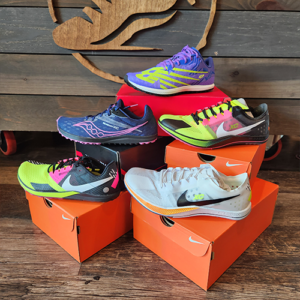
Youth cross country running shoes are built for off-road racing, not just everyday jogging. They usually have a grippier outsole, a lighter feel, and a lower-profile design than standard running shoes. That mix helps young runners move fast on soft, wet, or uneven ground.
The biggest difference is traction. Cross country courses often include grass, mud, dirt, gravel, and sharp turns. A regular road shoe can feel slippery or clunky in those conditions, while youth cross country running shoes are made to bite into the ground and stay stable.
Here are the main features that set them apart:
- Aggressive outsole lugs for traction on mud and grass
- Lightweight uppers to help reduce fatigue
- Secure midfoot fit to limit sliding inside the shoe
- Durable materials for rougher race surfaces
- Drainage-friendly construction in some models for wet conditions
From experience, I’ve found that many first-time buyers focus too much on looks or brand names. That can be a mistake. For cross country, fit and grip matter much more than style.
Why Fit Matters So Much for Young Runners
A youth runner’s foot is still growing, so shoe fit is not just about comfort. It affects balance, stride, and confidence. A shoe that is too tight can cause toe pain, while one that is too loose can lead to rubbing, instability, and wasted energy.
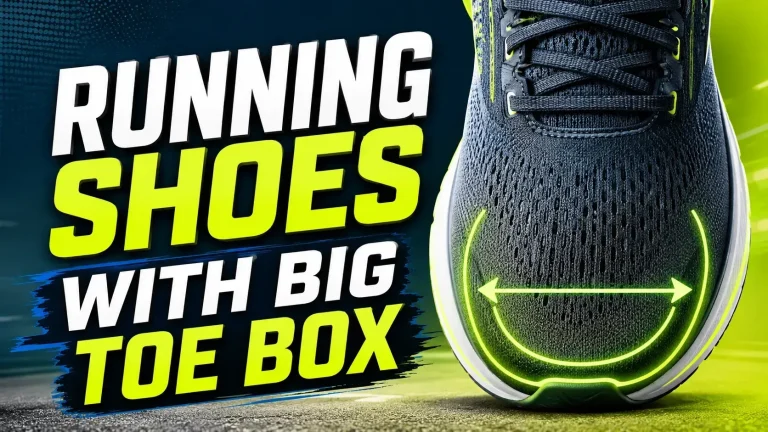
Good fit starts with the heel, midfoot, and toe box. The heel should feel snug without slipping. The toes should have enough room to spread naturally, especially on downhill sections where the foot slides forward.
A few fit tips that help in real life:
- Leave about a thumb’s width of space in front of the longest toe
- Check for heel lift when the runner walks and jogs
- Make sure the toe box is wide enough for natural toe splay
- Test both shoes, because one foot is often slightly bigger
- Try shoes later in the day, when feet are a bit more swollen
I once watched a young runner blame herself for “being slow” when the real issue was a shoe that pinched her toes. Once she switched to a better fit, her stride looked smoother within one practice. Small changes can make a big difference.
Key Features to Look For in Youth Cross Country Running Shoes
Not every shoe marketed for running is right for cross country. The best youth cross country running shoes balance grip, lightness, and support without feeling stiff or heavy. When shopping, it helps to look at the shoe from the ground up.
Important features include:
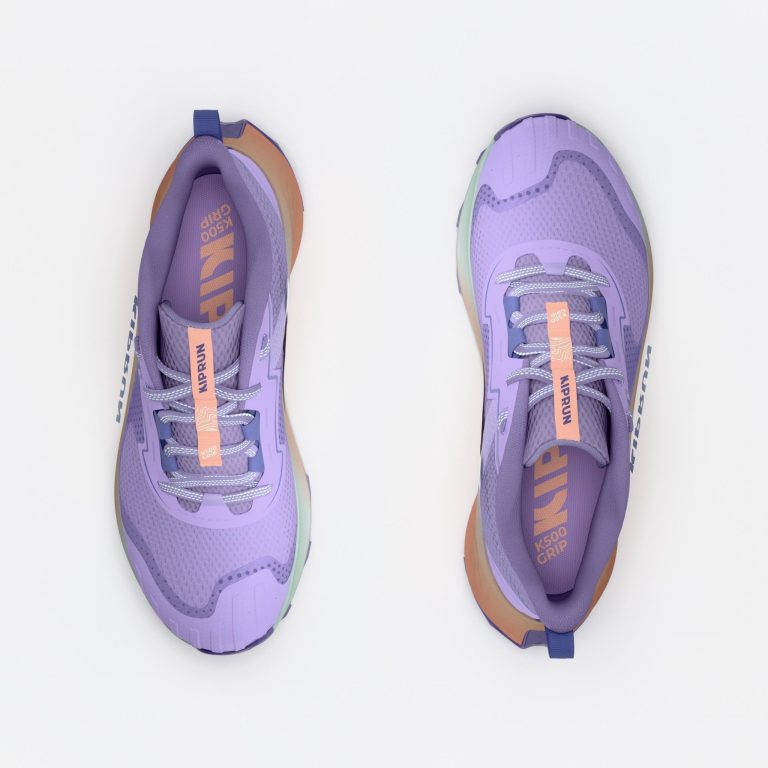
- Outsole lugs: These are the small grip points under the shoe. Deeper lugs help on mud, while shallower ones may work better on firmer courses.
- Weight: Lighter shoes can help young runners feel quick and less tired.
- Upper material: Breathable mesh keeps feet cooler, while reinforced overlays add durability.
- Cushioning: Enough cushioning protects growing feet, but too much can make the shoe feel bulky.
- Secure closure: Laces or hook-and-loop systems should hold the foot firmly in place.
- Drainage and drying time: Useful for wet meets or rainy practice.
In my experience, a shoe that feels “fast” in the store is not always the best race shoe. A little more structure can help young runners stay confident on hills and turns.
How to Choose the Right Youth Cross Country Running Shoes
Choosing youth cross country running shoes gets easier when you follow a simple process. Start with the course, then think about fit, then consider the runner’s experience level. That order usually leads to a smarter choice.
Use this step-by-step approach:
-
Look at the course surface
Muddy, soft, and hilly courses need more traction. Firmer courses may need a lighter, more flexible shoe. -
Think about the runner’s age and skill level
Beginners often do better in a comfortable, stable shoe. More experienced runners may want a lighter racing feel. -
Measure both feet
Kids grow fast, and foot size can change between seasons. Always measure before buying. -
Try the shoes with race socks
Socks can change fit more than people expect. Thin socks may feel snug, while thicker socks may reduce room. -
Watch the runner move
Have them jog, turn, and stop. The shoe should stay secure without rubbing or pinching.
One mistake I see often is buying a full size too big “for growth.” That can cause slipping and poor control. A small amount of growth room is wise, but too much space is a problem.
Best Materials and Construction for Cross Country Use
Materials affect comfort, durability, and performance. Youth cross country running shoes usually use mesh uppers, foam midsoles, and rubber outsoles. Each part has a job, and the best shoes balance all three.
Mesh uppers are popular because they are breathable and light. Reinforced overlays or welded strips can add support without making the shoe feel heavy. In the midsole, EVA or similar foam often provides cushioning and shock absorption.
Here is what to think about:
- Breathability: Helps reduce hot, sweaty feet during hard races
- Flexibility: Lets the foot move naturally through each stride
- Durability: Important for runners who train several times per week
- Protection: Useful if the course includes rocks, roots, or sharp debris
- Water resistance: Helpful in wet weather, though fully waterproof shoes are not always ideal because they can trap heat
For young runners, I usually prefer a shoe that feels breathable first and rugged second. Kids tend to run better when their feet stay cooler and less distracted.
Youth Cross Country Running Shoes vs. Road Running Shoes
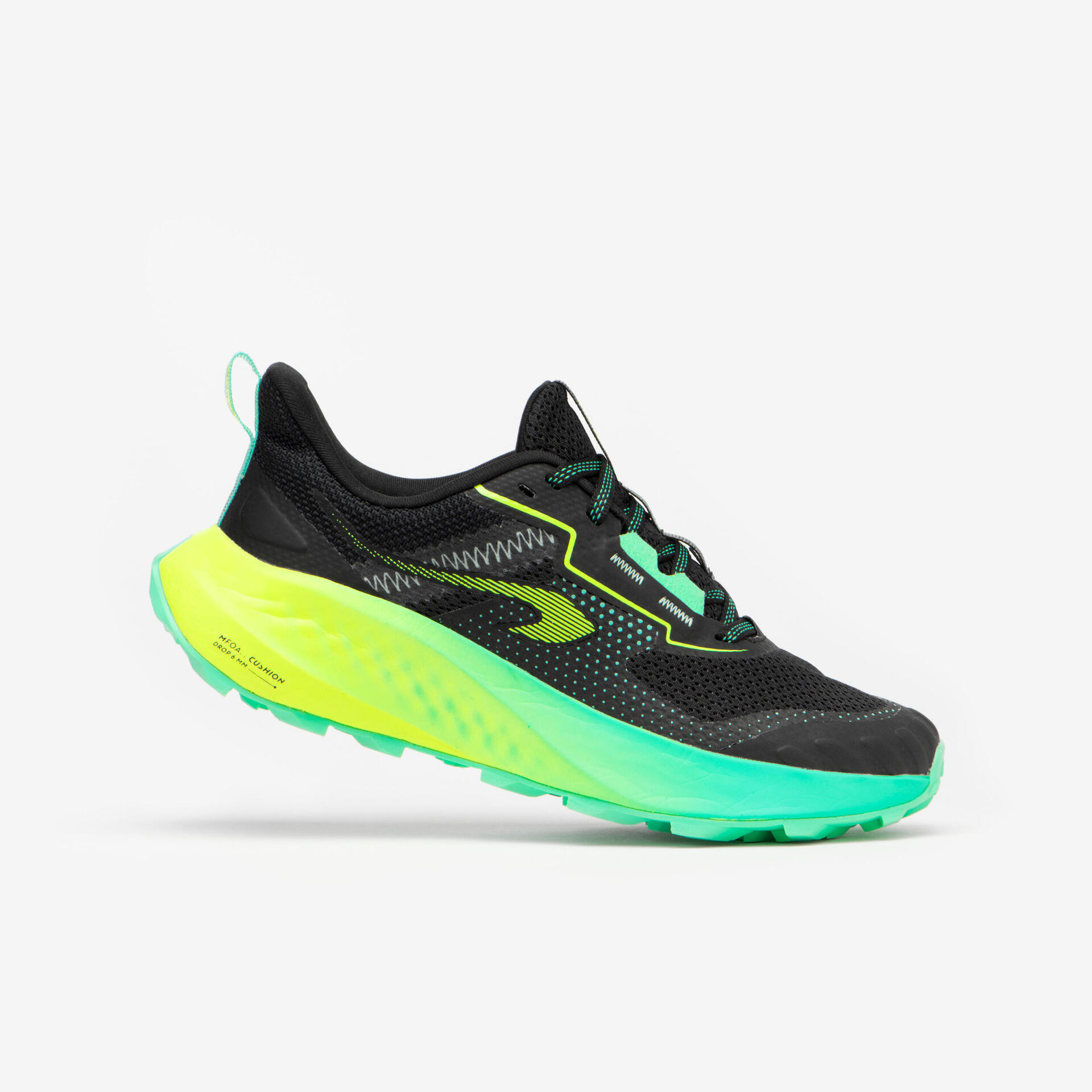
It is easy to assume any running shoe will work for cross country, but that is not true. Road shoes are designed for pavement and predictable surfaces. Youth cross country running shoes are built for grip and control on messy, changing terrain.
The difference shows up in three main areas:
- Traction: Cross country shoes have more aggressive tread
- Ground feel: They are often lower and more connected to the surface
- Stability: They are built to help with uneven ground and quick direction changes
Road shoes can sometimes work for dry, flat courses. But once the course gets muddy, hilly, or slick, cross country shoes usually perform much better. I’ve seen runners slide in road shoes like they were on wet tile, and that is never a fun lesson on race day.
Common Mistakes to Avoid When Buying Youth Cross Country Running Shoes
Buying the wrong shoe is surprisingly easy. Most mistakes come from rushing, guessing, or focusing on one feature while ignoring the rest. The good news is that these problems are easy to avoid once you know what to watch for.
Common mistakes include:
- Buying shoes that are too big for “future growth”
- Choosing road shoes instead of cross country shoes
- Ignoring toe room and heel slip
- Picking shoes based only on looks
- Not considering the course conditions
- Forgetting to test the shoes with race socks
- Skipping a short jog test before buying
The biggest lesson I’ve learned is that kids need shoes that match how they move, not just what the label says. A shoe can look perfect and still feel wrong after a few laps.
How to Care for Youth Cross Country Running Shoes
Good care can make youth cross country running shoes last longer and perform better. Mud, sweat, and wet grass can wear shoes out faster if they are left dirty and damp. A simple cleaning habit goes a long way.
Helpful care tips:
- Remove dirt after each muddy practice
- Let shoes air dry naturally
- Avoid direct heat, which can damage materials
- Use newspaper or dry paper towels to absorb moisture
- Rotate shoes if the runner trains often
- Check lugs and seams regularly for wear
I always tell parents to think of shoes like tools. If you clean and store them well, they usually give better results and last longer. That matters when a child is racing and training through a long season.
When to Replace Youth Cross Country Running Shoes
Even the best youth cross country running shoes do not last forever. The midsole can compress, the tread can wear down, and the upper can lose its secure fit. Once that happens, performance and comfort drop.
Look for these signs:
- The outsole lugs are worn smooth
- The heel feels loose or tilted
- The midsole feels flat or less responsive
- The upper has tears or stretched spots
- The runner starts complaining about discomfort in a shoe that used to feel fine
How long shoes last depends on mileage, body weight, terrain, and care. For many youth runners, shoes may last through one season or longer, but muddy training and rough terrain can shorten that life. Trust wear patterns, not just calendar time.
Health and Safety Considerations for Young Cross Country Runners
Youth running should support healthy growth, not fight against it. The right shoes can help reduce friction and improve comfort, but they cannot fix every problem. If a young runner has pain that keeps coming back, it is worth checking with a qualified sports medicine professional.
A few safety points matter a lot:
- Growth spurts can change fit quickly
- Blisters often point to rubbing or poor sizing
- Heel pain may signal stress from bad support or training load
- Uneven surfaces increase the need for traction and stability
- Rest and recovery matter just as much as shoe choice
Sports medicine groups and pediatric activity guidance generally support regular physical activity for children, but they also stress proper equipment and gradual training. That is where good youth cross country running shoes fit into the bigger picture.

Frequently Asked Questions
What are youth cross country running shoes used for?
Youth cross country running shoes are made for running on grass, dirt, mud, and other uneven surfaces. They provide better traction and control than regular road running shoes.
Can kids use track spikes for cross country?
Sometimes, but only if the race rules allow it and the course suits spikes. Many young runners do better in cross country shoes because they offer more comfort and versatility on mixed terrain.
How should youth cross country running shoes fit?
They should feel snug at the heel and midfoot, with enough room in the toe box for natural movement. The shoe should not pinch, rub, or let the heel slide too much when the runner jogs.
Are youth cross country running shoes good for everyday use?
They can be used for walking or light training, but they are best for off-road running. The aggressive tread may wear faster on pavement, and the fit may feel different from casual sneakers.
How often should youth cross country running shoes be replaced?
Replace them when the tread wears down, the cushioning feels flat, or the fit changes. For active young runners, that can happen after a season or more, depending on mileage and terrain.
Conclusion
Youth cross country running shoes are a smart investment when comfort, traction, and confidence matter most. The best pair supports young runners on muddy turns, uneven ground, and long training days without getting in the way of their natural stride. When you focus on fit, course type, and shoe quality, you make race day easier and safer.
If you are shopping for a young runner now, start with the basics: measure carefully, test the fit, and choose a shoe that matches the terrain. That simple approach can save money, prevent discomfort, and help a child enjoy the sport more. Explore a few trusted options, compare features, and take the next step with confidence.