Good Running Shoes For Morton’s Neuroma: Best Picks

The best running shoes for Morton’s neuroma are roomy, cushioned, and built to reduce forefoot pressure.
If you deal with Morton’s neuroma, the wrong shoe can feel like stepping on a sharp pebble with every mile. The right pair can make running feel smoother, calmer, and far less painful. In this guide, I’ll break down what to look for in good running shoes for Morton’s neuroma, what features matter most, and how to choose a pair that supports your feet without guessing.
What Morton’s Neuroma Means for Runners
Morton’s neuroma is a thickening of tissue around a nerve in the ball of the foot, most often between the third and fourth toes. It can cause burning, tingling, numbness, or a feeling like there is a small stone in your shoe. Running often makes it worse because each stride loads the forefoot again and again.
For runners, the main goal is simple. You want less squeeze in the toe box, less pressure under the forefoot, and more shock absorption. That is why good running shoes for Morton’s neuroma are usually not the sleekest or narrowest models on the wall.
In my experience, many runners wait too long before changing shoes. They keep wearing a favorite pair because it feels familiar, then wonder why the pain keeps returning. A shoe that looks “fast” on paper is not always fast for your foot if it pinches the forefoot.
Key Features to Look for in Good Running Shoes for Morton’s Neuroma
The best good running shoes for Morton’s neuroma share a few common traits. These features do not cure the condition, but they can help lower irritation and make running more tolerable.
Wide toe box
A roomy toe box gives the forefoot space to spread out. This can reduce compression on the irritated nerve and ease the pinching feeling that many runners report.
Look for shoes that come in wide or extra-wide options if needed. Even a shoe with a standard width can feel better if the upper has a naturally broad forefoot shape.
Soft, responsive cushioning
Cushioning helps absorb impact when your foot hits the ground. For Morton’s neuroma, that matters because repeated forefoot pressure can trigger pain.
A soft midsole can feel like a small buffer between your foot and the road. Just make sure it still feels stable enough for your stride, because overly soft shoes can sometimes feel sloppy.
Low pressure in the forefoot
Some shoes place more force on the ball of the foot than others. Good running shoes for Morton’s neuroma usually have enough cushioning and structure to spread that force more evenly.
A mild rocker shape can also help. It encourages a smoother roll from heel to toe and may reduce the time your forefoot spends under load.
Flexible but not overly bendy
A shoe that bends too easily in the forefoot can increase irritation. On the other hand, a very stiff shoe may feel harsh.
The sweet spot is usually a shoe that flexes naturally through the midfoot and rolls forward smoothly. That balance can help reduce stress without making the ride feel rigid.
Stable platform
A stable shoe can keep your foot from collapsing inward or shifting too much during the run. That matters because extra movement can increase pressure on the irritated nerve.
This does not mean you need a hard motion-control shoe. Many runners do well in neutral shoes with a broad, stable base.

Best Types of Running Shoes for Morton’s Neuroma
There is no single perfect shoe for everyone. Still, some categories tend to work better than others.
Cushioned neutral running shoes
These are often a strong first choice. They usually give you soft underfoot comfort without the extra rigidity of a heavy stability shoe.
They are often a good fit if you want:
• More shock absorption
• A smoother ride
• Less pressure on the ball of the foot
Wide-fit running shoes
If your toes feel crowded, wide-fit shoes can be a game changer. Even runners who do not usually wear wide shoes sometimes need them with Morton’s neuroma.
A little extra room can mean a lot of relief. The foot should not feel like it is fighting the shoe from the first step.
Rocker-bottom style shoes
Rocker-style shoes help move you forward with less forefoot bend. That can reduce direct pressure where the nerve is irritated.
These shoes are not for everyone, but many runners with forefoot pain find them helpful. They can feel especially nice on easy runs and longer walks too.
Max-cushion shoes
Max-cushion shoes provide a thick, soft layer underfoot. They can be useful if impact seems to flare your symptoms.
I’ve seen runners who were close to quitting switch into a more cushioned shoe and feel relief within days. The change is not magic, but it can take the edge off enough to keep training safely.
How to Choose the Right Pair
Picking good running shoes for Morton’s neuroma is part science and part comfort test. The shoe must fit your foot and your running style.
Step 1: Check the toe space
Stand up in the shoe and wiggle your toes. You should have room to spread them without hitting the sides.
If your toes feel compressed, move up in width or try a different model. Do not hope the shoe will “break in” enough to fix a tight forefoot.
Step 2: Walk before you run
Take a few laps in the store if possible. Pay attention to the ball of your foot and the space between your toes.
If you feel a hot spot, numbness, or sharp pressure right away, that shoe is probably not a good match.
Step 3: Match the shoe to your pain pattern
Some runners feel pain mostly during speed work. Others hurt even on short easy runs. The more your pain shows up with impact, the more cushioning and forefoot relief matter.
If hills make it worse, a rocker shape may help. If narrow shoes are the problem, go wider before trying anything else.
Step 4: Test with your usual socks and inserts
The sock you run in changes the fit. So does any metatarsal pad, insole, or orthotic you use.
Always test the shoe the way you plan to run in it. Small differences can make a big change in comfort.
Best Running Shoe Features Backed by Foot Health Principles
Foot and ankle specialists often recommend reducing pressure across the forefoot when Morton’s neuroma flares. That lines up with the shoe features discussed above.
A few practical principles are worth remembering:
• Less compression helps because the nerve is sensitive to tight spaces
• Cushioning helps because repeated impact can increase irritation
• A broader base helps because it spreads pressure more evenly
• A rocker shape helps because it can reduce time spent loading the forefoot
These ideas are consistent with common clinical guidance used by podiatrists and sports medicine providers. In plain language, the goal is to make each step feel less like a stomp and more like a glide.
Common Shoe Mistakes to Avoid
I see the same mistakes over and over when runners look for good running shoes for Morton’s neuroma.
• Choosing shoes that are too narrow just because they “look right”
• Picking very flexible racing shoes for everyday runs
• Ignoring pain in hopes it will fade on its own
• Buying based on heel comfort only and forgetting the forefoot
• Wearing worn-out shoes with compressed cushioning
One big lesson from real-world testing is this: comfort at the heel does not matter much if the front of the shoe is crushing the nerve. The forefoot has to be the priority.
Other Ways to Make Your Running Shoes Work Better
Sometimes the shoe is only part of the answer. Small changes can make a good running shoes for Morton’s neuroma fit even better.
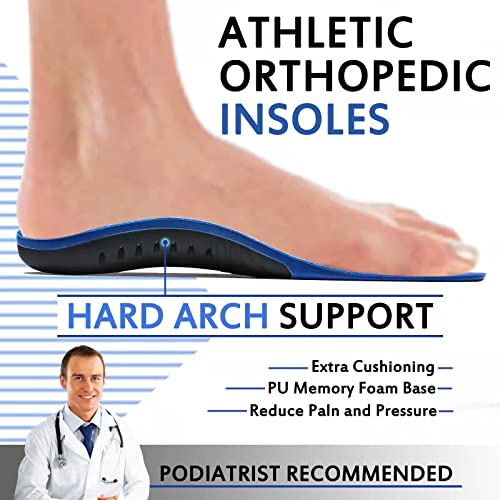
Use metatarsal pads
Metatarsal pads can shift pressure away from the painful nerve area. They often work best when placed just behind the ball of the foot, not directly under it.
Try thinner or seamless socks
Bulky seams can add pressure in the toe box. A smooth running sock can help the shoe feel less cramped.
Lace for relief
You can loosen the forefoot laces slightly if the shoe allows it. That small change can reduce squeeze without hurting stability.
Replace worn shoes early
Cushioning breaks down over time, even if the shoe still looks fine. If pain is returning, the midsole may be tired.
How to Train Without Making Symptoms Worse
Good running shoes for Morton’s neuroma can help, but your training habits matter too.
• Keep easy runs easy
• Avoid sudden jumps in mileage
• Limit repeated hill sprints if they trigger pain
• Add rest days when symptoms flare
• Cross-train with cycling, swimming, or elliptical work when needed
I’ve found that runners often do best when they treat flares like a warning light, not a challenge to push through. Pushing hard through sharp forefoot pain usually backfires.
When to See a Specialist
If pain keeps returning, it is smart to talk with a podiatrist, sports medicine doctor, or physical therapist. You may need a more detailed fit check, orthotic support, or a different diagnosis.
You should get help sooner if you notice:
• Persistent numbness
• Pain that affects daily walking
• Swelling that does not settle
• Symptoms in both feet
• Pain that keeps getting worse despite shoe changes
Good running shoes for Morton’s neuroma can go a long way, but they are not a substitute for proper care when symptoms are stubborn.
Frequently Asked Questions
What are the best features in good running shoes for Morton’s neuroma?
The best features are a wide toe box, soft cushioning, and a stable platform. A rocker shape can also help by reducing pressure on the ball of the foot.
Can I still run with Morton’s neuroma?
Many people can still run, but they often need shoe changes, lower mileage, or temporary training adjustments. If pain gets sharper or more frequent, it is better to back off and get evaluated.
Are wide shoes always better for Morton’s neuroma?
Wide shoes help many runners, but not every foot needs a wider size. The real goal is enough space in the forefoot without losing a secure fit through the heel and midfoot.
Do insoles help with Morton’s neuroma?
Yes, insoles or metatarsal pads can help shift pressure away from the irritated nerve. They work best when matched to the right shoe, so the combination matters.
Should I choose soft or firm running shoes?
Most runners with Morton’s neuroma do well with cushioning that feels soft but still stable. A shoe that is too soft can feel unstable, while a very firm shoe may increase pressure.
How often should I replace my running shoes?
A common range is around 300 to 500 miles, but it depends on the shoe and your body. If the forefoot cushioning feels flat or symptoms return, it may be time sooner.
Conclusion
Choosing good running shoes for Morton’s neuroma is really about giving your forefoot room, comfort, and less repeated stress. The right pair often has a wide toe box, solid cushioning, and a shape that helps you roll forward with less pressure. Small fit changes can make a big difference, especially if you combine them with smart training habits.
If you are dealing with Morton’s neuroma right now, start with fit first, then test cushioning and width before buying your next pair. Your feet will usually tell you the truth fast, so trust what feels calm, not just what looks fast. If this guide helped, explore more foot-friendly running tips and share your experience in the comments.