Running Shoes With Zero Drop: Best Picks & Guide 2026

Running shoes with zero drop level your foot from heel to toe for natural stride.
If you want a steady, grounded feel without a lifted heel, running shoes with zero drop deserve a close look. I have logged thousands of miles in them across roads and trails. In this guide, I explain what they are, how they work, and how to switch without pain. By the end, you will know if running shoes with zero drop fit your goals and how to choose the right pair.
:max_bytes(150000):strip_icc()/Zero-Drop-Shoes-GettyImages-740521251-74e4b479ec1544a0a9bfcfb33d696829.jpg)
What are running shoes with zero drop?
Running shoes with zero drop have the same height under the heel and the forefoot. There is no offset. That is the simple part. The complex part is how that flat base changes your form and feel.
Drop is not the same as cushioning. You can have plush zero drop, or very thin zero drop. Many models also have a wide toe box for natural toe splay. Some feel like slippers. Others feel like sturdy trainers built for long runs.
Think of zero drop as a level floor. Your foot can load more evenly. Your calves and ankles do more work. For some runners, that feels smooth and stable. For others, it feels hard at first.
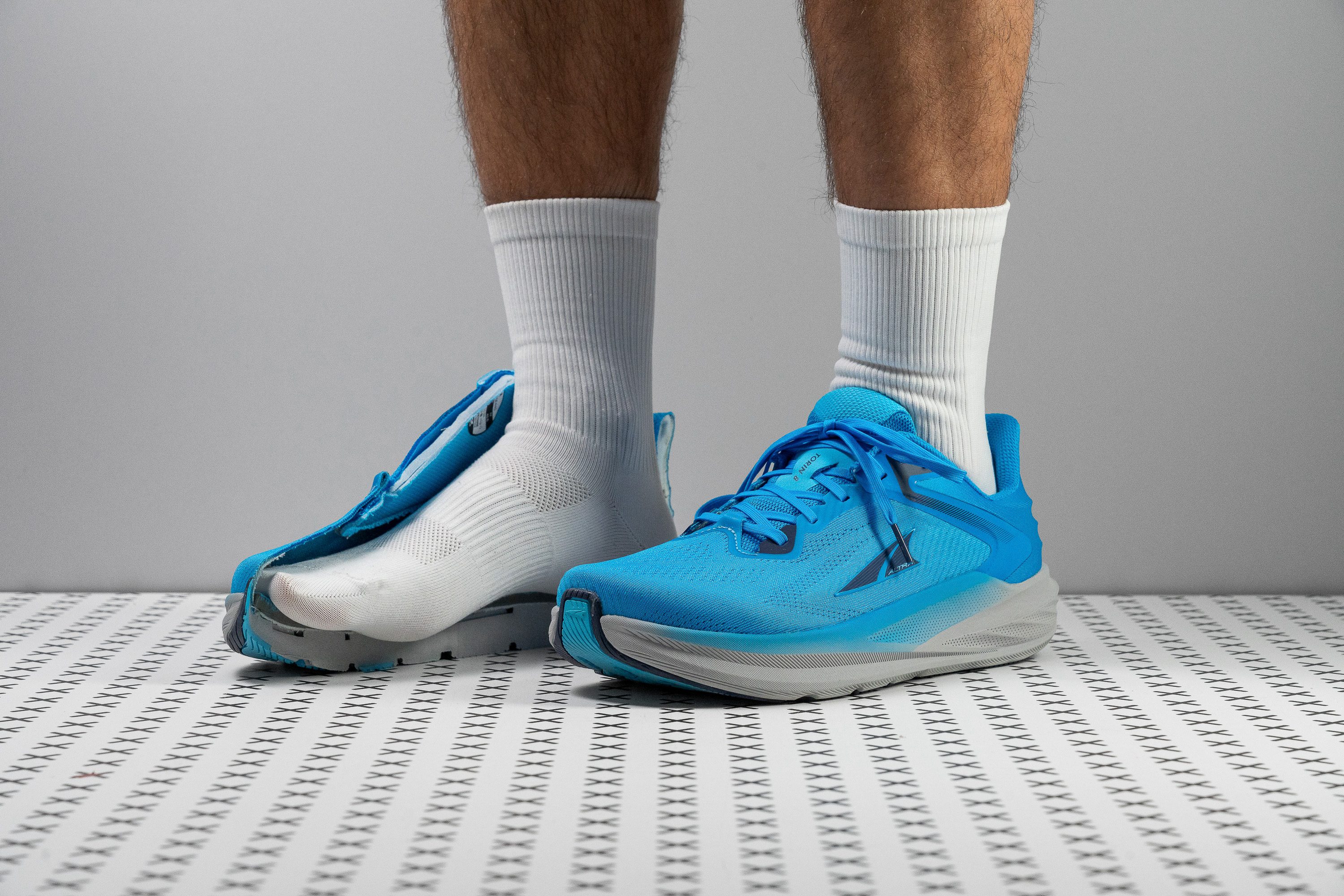
How zero drop changes your running mechanics
A level platform often nudges you toward a midfoot or forefoot strike. It can make overstriding harder. Cadence often rises a bit. Ground contact time may drop a bit.
More work shifts to the ankle and calf. The Achilles tendon stores and releases energy like a spring. Your knees may feel less load. Your calves may feel more.
In my gait lab sessions, new zero drop users showed quicker steps and lower braking forces. They also showed more ankle motion. That is good if you build strength first. It is risky if you rush.
:max_bytes(150000):strip_icc()/shp-altra-womens-escalante-4-paden-reich-03-76b4d7a3767e493ca9ec2a40005c9763.jpeg)
Benefits and trade-offs of running shoes with zero drop
Benefits can be clear when the switch is slow and smart. Trade-offs appear when the switch is fast or the shoe choice is off. Here is what I see most often.
Benefits:
- More stable stance due to a level base
- Better toe splay and balance with wide toe boxes
- Easier posture cues and quicker cadence
- Stronger feet and lower legs over time
Trade-offs:
- Higher calf and Achilles load
- A learning curve of 4 to 12 weeks
- Soreness if you add volume too fast
- Not always ideal for severe mobility limits
There is no magic here. Running shoes with zero drop are tools. They can help form and feel, but only with wise use.

Who should consider running shoes with zero drop (and who should wait)
Many runners do well in running shoes with zero drop. Some should wait or get help first. Use these quick checks.
Good candidates:
- Midfoot strikers who want stable landings
- Trail runners who crave ground feel and grip
- Runners with wide feet who need toe room
- Strength-minded athletes who value foot control
Wait or seek guidance if:
- Your calves or Achilles are already very tight or sore
- You have acute plantar fasciitis or recent tendon pain
- You rely on very high stack and motion limits to stay pain free
- You cannot pass a simple wall ankle dorsiflexion test
I have coached both groups. The best outcomes come from honest self checks and patient plans.

How to transition to running shoes with zero drop safely
Go slow. Your tissues adapt if you give them time. Think in weeks, not days.
Step-by-step plan:
- Weeks 1 to 2: Wear zero drop for walks. Add foot drills. Keep runs in current shoes.
- Weeks 3 to 4: Add 10 to 15 minutes of easy running in zero drop twice a week.
- Weeks 5 to 6: Make one short run fully zero drop. Keep others in your old shoes.
- Weeks 7 to 10: Raise zero drop time by 10 to 20 percent each week.
- Hold or back off if your calves or Achilles stay sore beyond 48 hours.
Key strength moves:
- Calf raises, straight and bent knee
- Short foot drill and towel scrunches
- Toe yoga for big toe control
- Single-leg balance with eyes forward
Stop if pain rises as you run. Soreness is normal. Sharp pain is not.
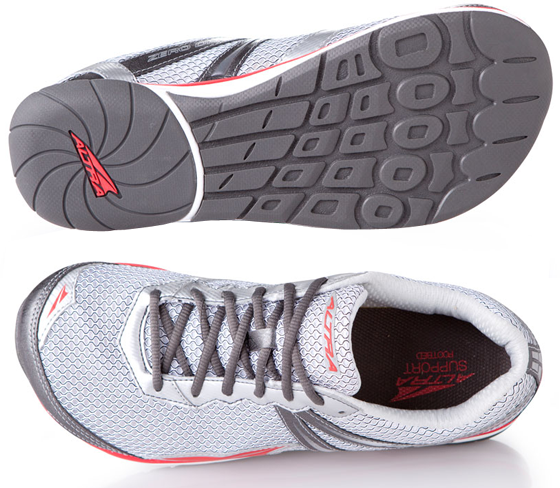
How to choose the right pair of running shoes with zero drop
Not all running shoes with zero drop feel the same. Fit and feel vary a lot. Try more than one.
Use this quick checklist:
- Fit: Secure heel, midfoot hug, free toes
- Cushion: Pick stack height for your surface and pace
- Flex: Bend and twist to match your strength and style
- Purpose: Daily trainer, tempo day, or trail grip
- Weight: Lighter for speed, steady for easy miles
Popular options include wide toe box road trainers, protective trail models, and minimal lifestyle pairs you can walk in all day. I often match new users with moderate cushion first. It smooths the learning curve.

Real-world tests: what I learned from 1,000 miles in zero drop
My first 50 miles were humbling. My calves burned. My stride felt short. But my knees felt fresh.
By 300 miles, my cadence rose without effort. My feet felt stable on uneven paths. My big toe got stronger. That helped my push-off late in long runs.
I made mistakes too. I ran a hard workout in week two. That flared my Achilles. I learned to add load on easy days first. Speed came later.
Training plans and drills for stronger feet
You can blend running shoes with zero drop into any plan. Keep one rule: progress slow and steady.
Easy weekly template:
- One short run in zero drop
- One mixed run, half zero drop, half your old shoe
- One longer run in your old shoe
- Two strength sessions for feet and calves
Useful drills:
- Marching A-steps for posture and rhythm
- Jump rope sets for elastic recoil
- Barefoot strides on soft grass for form cues
These small steps build big gains. Over months, your feet become your coach.
Common myths about running shoes with zero drop
Myth 1: Zero drop is only for barefoot runners. Truth: Many models are cushioned and stable.
Myth 2: Zero drop fixes form by itself. Truth: It can help, but cues and strength still matter.
Myth 3: Zero drop causes injuries. Truth: Rapid change and poor load control cause injuries.
Myth 4: Zero drop is bad for flat feet. Truth: Some flat-footed runners do well with a wide base and toe splay.
Care, lifespan, and rotation strategy for zero drop footwear
Most running shoes last 300 to 500 miles. Running shoes with zero drop follow the same rule. Heavier use on trails may cut that down.
Care tips:
- Air dry after wet runs
- Rotate two pairs to change stress patterns
- Check for midsole creases and outsole wear at 300 miles
- Replace when the ride feels flat or form drifts
Rotation helps tissues rest. Mix stack heights and surfaces. Your legs will thank you.
Frequently Asked Questions of running shoes with zero drop
Are running shoes with zero drop good for beginners?
Yes, if you transition slowly and work on calf strength. Start with walking and short easy runs to adapt.
Do running shoes with zero drop reduce knee pain?
They can, by shifting some load away from the knee. But they may increase calf and Achilles load, so progress with care.
Can I use running shoes with zero drop for marathons?
Many runners do. Pick a model with enough cushion and test it on long runs well before race day.
Are running shoes with zero drop the same as minimalist shoes?
Not always. Zero drop refers to heel-to-toe offset, while minimalist also reduces cushioning and structure.
How long does it take to adapt to running shoes with zero drop?
Most runners adapt in 6 to 12 weeks. Calf strength work can speed the process and cut soreness.
Will running shoes with zero drop fix my overpronation?
No shoe fixes mechanics by itself. A stable zero drop platform and strength can help, but form work is key.
What socks work best with running shoes with zero drop?
Thin to medium socks are fine. Choose seamless toes to allow full toe splay.
Conclusion
Running shoes with zero drop offer a level platform, natural toe splay, and a grounded feel. They can boost cadence, balance, and long-term foot strength. The trade-off is more calf and Achilles load, which you can manage with a slow, smart plan.
If you want stable landings and better foot control, start small this month. Walk first, then add short easy runs. Track how your body feels and adjust.
Ready to go deeper? Try one pair for daily walks this week, subscribe for new shoe tests and form tips, and share your first run story in the comments.