
Water Resistant Running Shoes for Women: Top Picks for 2024

Choosing the right running shoes is more than just style or comfort—especially if you run in wet conditions. For women, finding water resistant running shoes can make the difference between a great workout and a soggy, uncomfortable experience. Puddles, rain, and damp trails should not stop your training or daily jogs. With the right pair, you can focus on your run, not your feet.
The market for women’s water resistant running shoes is growing quickly. Brands now offer designs that keep water out while still allowing your feet to breathe. But with many choices, knowing what really matters is not easy. Some shoes claim to be waterproof, but are not comfortable for long runs.
Others feel great but soak through after a light rain. Understanding what to look for saves you money and helps you get the best performance from your shoes.
This guide will help you navigate everything about water resistant running shoes for women. You’ll learn how they work, what features to look for, and how to compare top models. We’ll also cover real-world tips, common mistakes, and what most beginners miss.
By the end, you’ll feel confident choosing the right shoes for your needs—no matter the weather.
Why Water Resistant Running Shoes Matter
Running in wet conditions is common, whether you live in a rainy city or enjoy early morning jogs when dew covers the ground. Wet feet are more than just uncomfortable. They can cause blisters, cold toes, and even lead to injury.
When your socks get wet, your feet slide around, increasing the risk of falls. Shoes that stay dry help you focus on your pace, not your problems.
Water resistant and waterproof are not the same. Water resistant shoes keep out light rain and splashes but may let in water if you step in deep puddles or run in heavy storms. Waterproof shoes use special materials and sealed seams to keep water out almost completely—but can sometimes feel less breathable. For most runners, water resistant shoes offer the best mix of dryness, comfort, and breathability.
A small detail many forget: wet feet get cold faster. In cool weather, this can make your whole run unpleasant. Dry feet stay warmer, even when the temperature drops. That’s why water resistant running shoes are useful not only for rain but for winter or muddy trails, too.
Key Features Of Water Resistant Running Shoes For Women
Knowing what features set water resistant running shoes apart will help you pick the right pair. Here’s what to watch for:
Upper Material
The upper is the part of the shoe that covers your foot. In water resistant shoes, this is usually made from synthetic mesh with a water-repellent coating or a lightweight GORE-TEX® membrane. The best shoes balance water protection with airflow, so your feet don’t overheat.
Sealed Seams And Gusseted Tongues
Water often gets in through seams or the tongue (the part under the laces). Look for sealed seams and a gusseted tongue—one that is attached to the sides of the shoe. This helps block water from sneaking in through the lace holes.
Traction And Outsoles
Wet surfaces are slippery. The outsole (bottom of the shoe) should have deep, multi-directional lugs or a sticky rubber that grips well on wet roads and muddy trails. Shoes made for trail running usually offer better traction than road shoes.
Cushioning And Support
Just because a shoe is water resistant does not mean you should sacrifice comfort. Look for shoes with responsive cushioning and good arch support. These features help you run longer without sore feet.
Weight
Water resistant shoes are sometimes heavier than regular running shoes due to the extra materials. However, the best models keep weight down while still protecting your feet. Lighter shoes feel faster and less tiring.
Fit And Sizing
Getting the right fit is even more important with water resistant shoes. If the shoe is too tight, your feet may feel cramped, especially if you wear thicker socks. If too loose, water can get in more easily. Many brands run a half size smaller in their water resistant versions, so always check sizing charts and try on shoes if possible.
Reflective Details
If you run in the rain, visibility is lower. Reflective accents on your shoes help drivers and cyclists see you. It’s a simple safety feature that’s often overlooked.
How To Choose The Right Water Resistant Running Shoes
Selecting the right pair is not just about picking a popular brand. Consider these steps:
- Assess Your Running Conditions: Are you mostly running on city streets, trails, or a mix? City runners need shoes with good road traction. Trail runners need aggressive tread and extra protection.
- Check Your Foot Type: Do you have flat feet, high arches, or neutral feet? Shoes are designed for different foot shapes and support needs.
- Consider Distance and Frequency: If you run long distances or several times a week, invest in shoes with extra cushioning and durability.
- Try Before You Buy: Water resistant shoes can fit differently due to their materials. Always try them on with your running socks. Walk around the store to check comfort.
- Read Real Reviews: User reviews often mention if shoes really keep water out, how they handle sweat, and how they perform after months of use.
Common Mistakes To Avoid
- Assuming all water resistant shoes are waterproof.
- Ignoring breathability: Some shoes keep water out but trap sweat, leaving feet damp.
- Buying only for looks: A stylish shoe is useless if it gives you blisters or slips on wet ground.
- Not testing in real conditions: Try walking through a wet patch before your first big run.
Top 10 Water Resistant Running Shoes For Women
Here’s a closer look at ten popular and highly rated water resistant running shoes for women. Each offers something a little different, from road to trail options and lightweight to maximum cushion designs.
1. Brooks Ghost 15 Gtx
A favorite among runners, this shoe uses a GORE-TEX® Invisible Fit membrane for reliable water resistance without feeling stiff. Offers soft cushioning and a smooth ride, suitable for most foot types.
2. Nike Pegasus Trail 4 Gore-tex
Great for mixed terrain, with a GORE-TEX® layer and sticky rubber outsole. Lightweight, flexible, and ideal for women who want to switch between road and trail.
3. Saucony Peregrine 13 Gtx
Built for rough trails with aggressive grip and a durable, water resistant upper. The PWRRUN cushioning gives comfort even on rocky paths.
4. Hoka One One Challenger Atr 7 Gtx
Known for its plush cushioning and wide base, this shoe handles both road and trail. The GORE-TEX® bootie keeps feet dry.
5. Salomon Speedcross 6 Gtx
Ideal for muddy or snowy runs, with deep lugs and a snug fit. The Quicklace system makes it easy to adjust, even with wet hands.
6. Asics Gel-cumulus 25 Gtx
A road running shoe with GORE-TEX® for rainy city days. Offers good arch support and shock absorption.
7. New Balance Fresh Foam Hierro V7 Gtx
Blends soft foam with a Vibram outsole for grip and water resistance. Works well for both trail and urban environments.
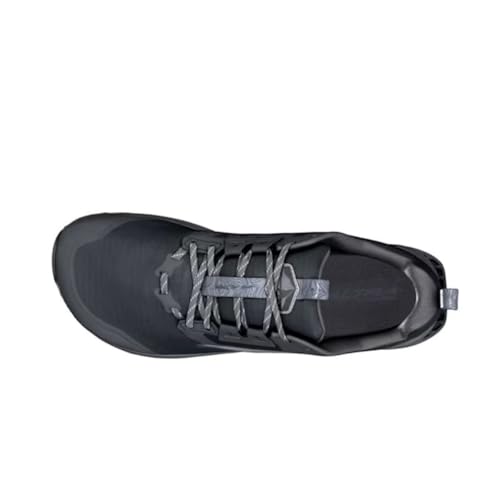
8. Altra Lone Peak All-wthr Low
Known for its foot-shaped design and zero-drop sole, this shoe uses an eVent® bootie to block water. Great for those who prefer a more natural stride.
9. Merrell Antora 3 Gtx
Designed specifically for women’s feet, with a flexible feel and Vibram Megagrip® outsole for slippery conditions.
10. Adidas Terrex Agravic Flow 2 Gore-tex
A lightweight, responsive trail shoe with a Continental™ rubber outsole. Good for fast-paced runs in wet weather.
Comparing Popular Water Resistant Running Shoes
To help you see the differences, here’s a comparison of three top models:
| Shoe | Best For | Waterproof Membrane | Weight (Women’s US 8) | Drop (mm) | Traction |
|---|---|---|---|---|---|
| Brooks Ghost 15 GTX | Road running | GORE-TEX® Invisible Fit | 9.2 oz | 12 | Moderate |
| Salomon Speedcross 6 GTX | Trail/Mud | GORE-TEX® | 9.3 oz | 10 | High |
| Nike Pegasus Trail 4 GTX | Mixed terrain | GORE-TEX® | 9.2 oz | 9 | High |
Non-obvious insight: Even with the same GORE-TEX® membrane, shoes may feel different in flexibility and weight due to the overall design. For example, Brooks Ghost feels softer underfoot, while Salomon Speedcross feels more secure on muddy paths.
Waterproof Vs. Water Resistant: What’s The Real Difference?
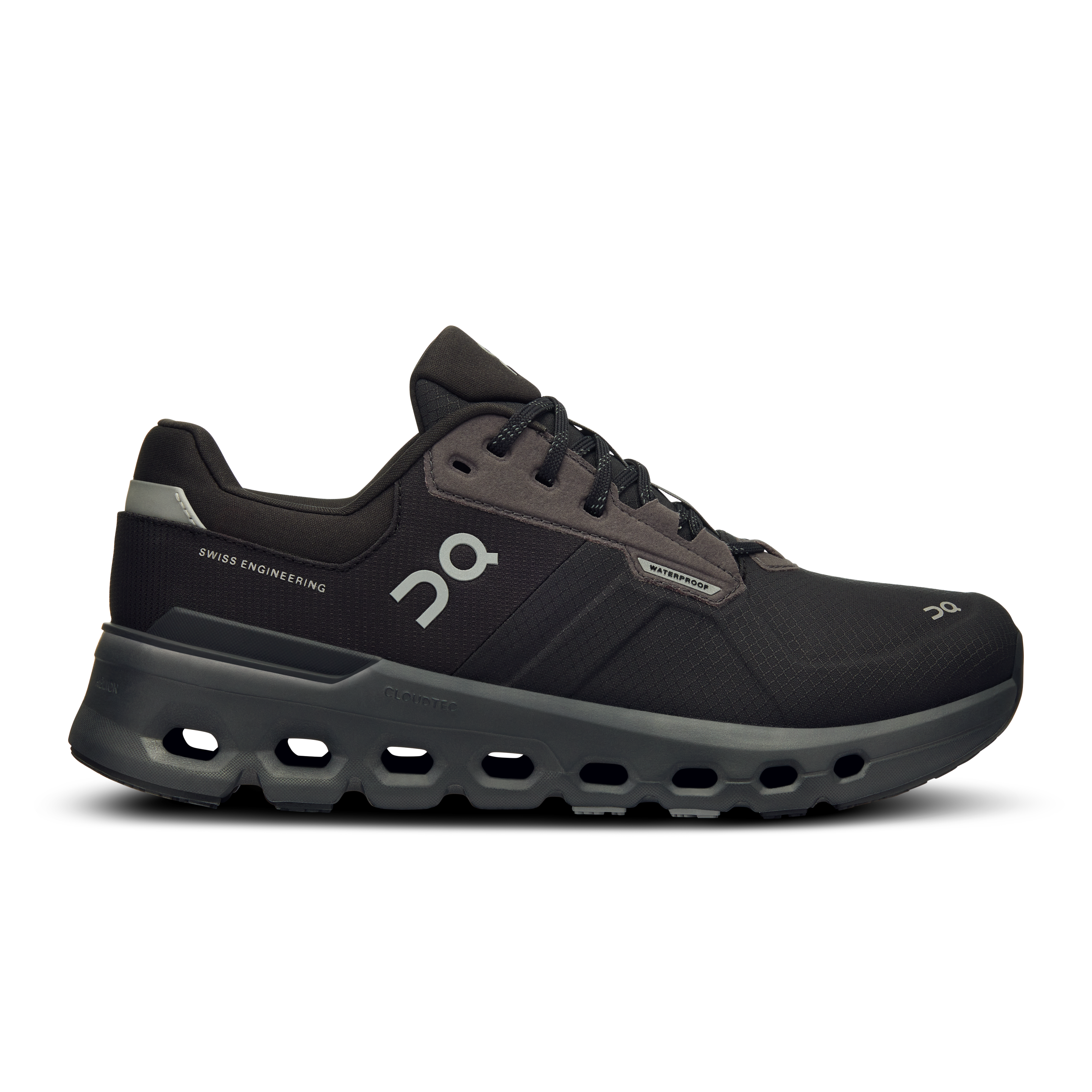
The terms waterproof and water resistant often confuse buyers. Water resistant shoes can handle light rain, quick splashes, and damp grass. They use treated fabrics or thin membranes that block water but let air flow.
Waterproof shoes, on the other hand, use full booties or sealed layers (like GORE-TEX® or eVent®) that stop water almost completely—even if you step in puddles or run in heavy rain. But, waterproof shoes can feel warmer and less breathable on hot days. They are better for winter or long, wet runs.
For most runners, water resistant shoes are enough. They keep feet dry in daily rain and won’t overheat in mild weather. If you run through streams or in very wet climates, consider waterproof shoes—but try them on first to check comfort.
Credit: www.on.com
How To Care For Water Resistant Running Shoes
To keep your shoes working well:
- Clean after every run: Rinse mud and salt with cold water. Avoid harsh soaps that can damage water resistant coatings.
- Air dry only: Do not use a dryer or direct heat. Remove insoles and let shoes dry naturally.
- Reapply water repellent: After several months, spray a water repellent treatment to restore protection.
- Store properly: Keep shoes in a cool, dry place. Avoid leaving them in hot cars or damp basements.
Extra tip: Don’t wash your shoes in a washing machine. The agitation can damage seams and remove protective coatings.
Price Range And What To Expect
Water resistant running shoes for women usually cost $110–$180. The price depends on the brand, technology, and materials. Well-known brands like Brooks, HOKA, and Salomon tend to be pricier, but offer better durability and fit.
Here’s a quick price comparison:
| Brand & Model | Average Price | Main Feature |
|---|---|---|
| Brooks Ghost 15 GTX | $160 | Soft cushioning, road focus |
| Salomon Speedcross 6 GTX | $150 | Trail grip, mud shedding |
| HOKA Challenger ATR 7 GTX | $170 | Plush, road/trail mix |
| Asics Gel-Cumulus 25 GTX | $140 | Road comfort, arch support |
| Adidas Terrex Agravic Flow 2 GTX | $130 | Lightweight, trail ready |
Insider advice: Sometimes last season’s models are heavily discounted but offer similar performance. If you find a pair that fits well, don’t worry about always having the newest version.
Do You Need Water Resistant Trail Running Shoes?
Trail running is popular with women who want to enjoy nature or escape crowded city streets. Trails are often wet, muddy, or snowy—so water resistance becomes even more important.
Trail shoes differ from road shoes in:
- Aggressive tread: Deeper lugs for grip on mud, rocks, and roots
- Toe protection: Reinforced areas to guard against stubs and scrapes
- More durable uppers: Tougher fabrics to resist tears from branches and rocks
If you run on trails more than twice a week, invest in a trail-specific water resistant shoe. For mixed use, look for hybrid models that can handle both pavement and dirt.
When Not To Use Water Resistant Running Shoes
While water resistance is useful, there are times when these shoes are not ideal:
- Very hot weather: Water resistant membranes can trap heat, making feet sweaty.
- Indoor running: Gyms or treadmills don’t require water protection and lighter, more breathable shoes are better.
- Dry climates: If you rarely see rain, regular running shoes may be more comfortable and affordable.
Pro tip: Some runners own two pairs—one water resistant for bad weather, one regular for dry days. This extends the life of both pairs and lets you choose what’s best for the day’s conditions.
How Water Resistant Running Shoes Are Tested
Brands use strict tests to measure water resistance. Shoes are placed in machines that spray water or are submerged in shallow tanks. Testers check for leaks at seams, tongue, and around the sole.
Real world tests matter even more. Runners report if their socks stay dry after a rainy 5K or a muddy half marathon. Pay attention to reviews that mention performance after months of use, not just out-of-the-box impressions.
Little-known fact: Shoes can lose water resistance after several washes or months of heavy use. Reapplying a spray can help, but it’s a sign you may need a new pair soon.
How To Break In Water Resistant Shoes
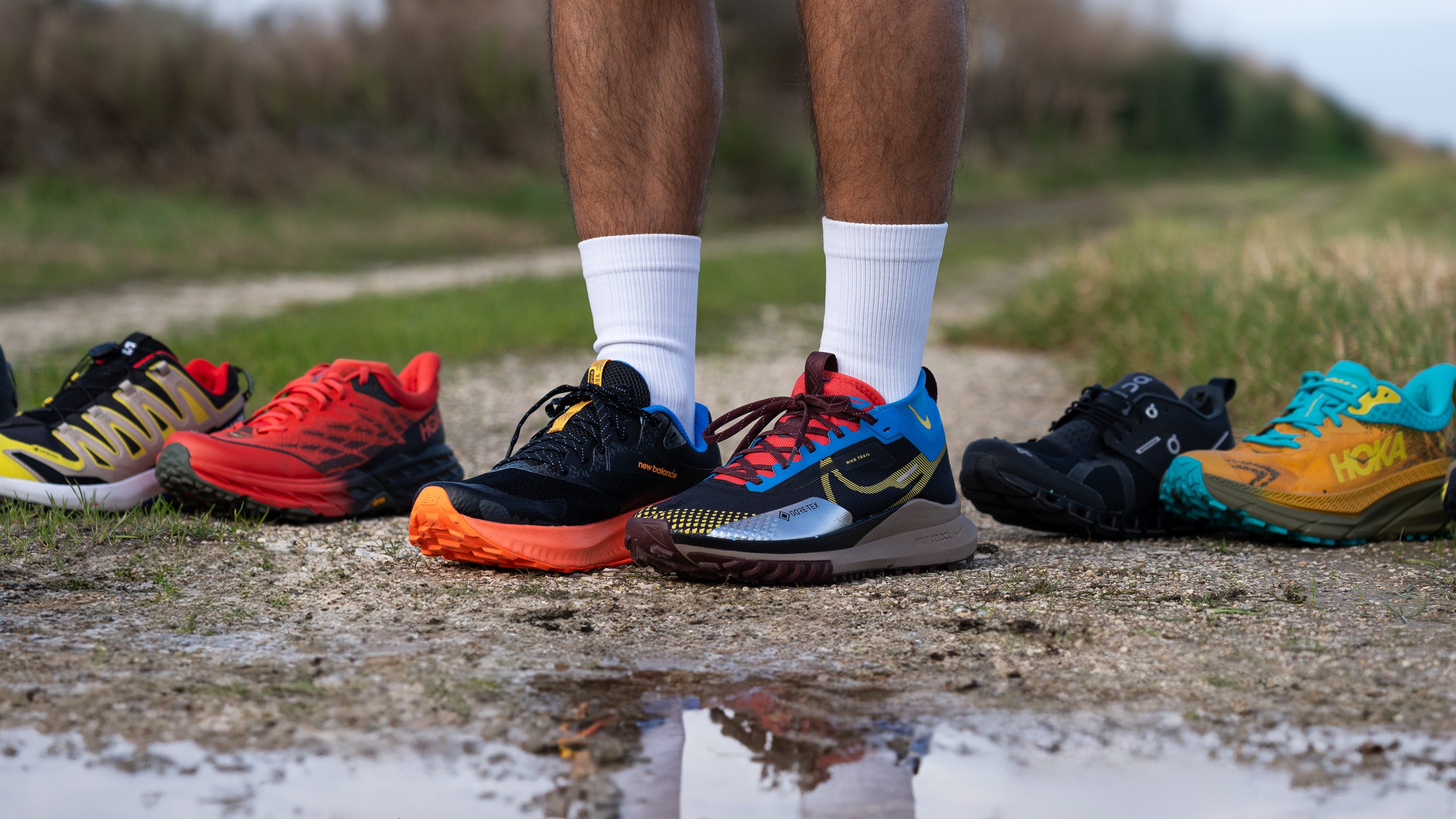
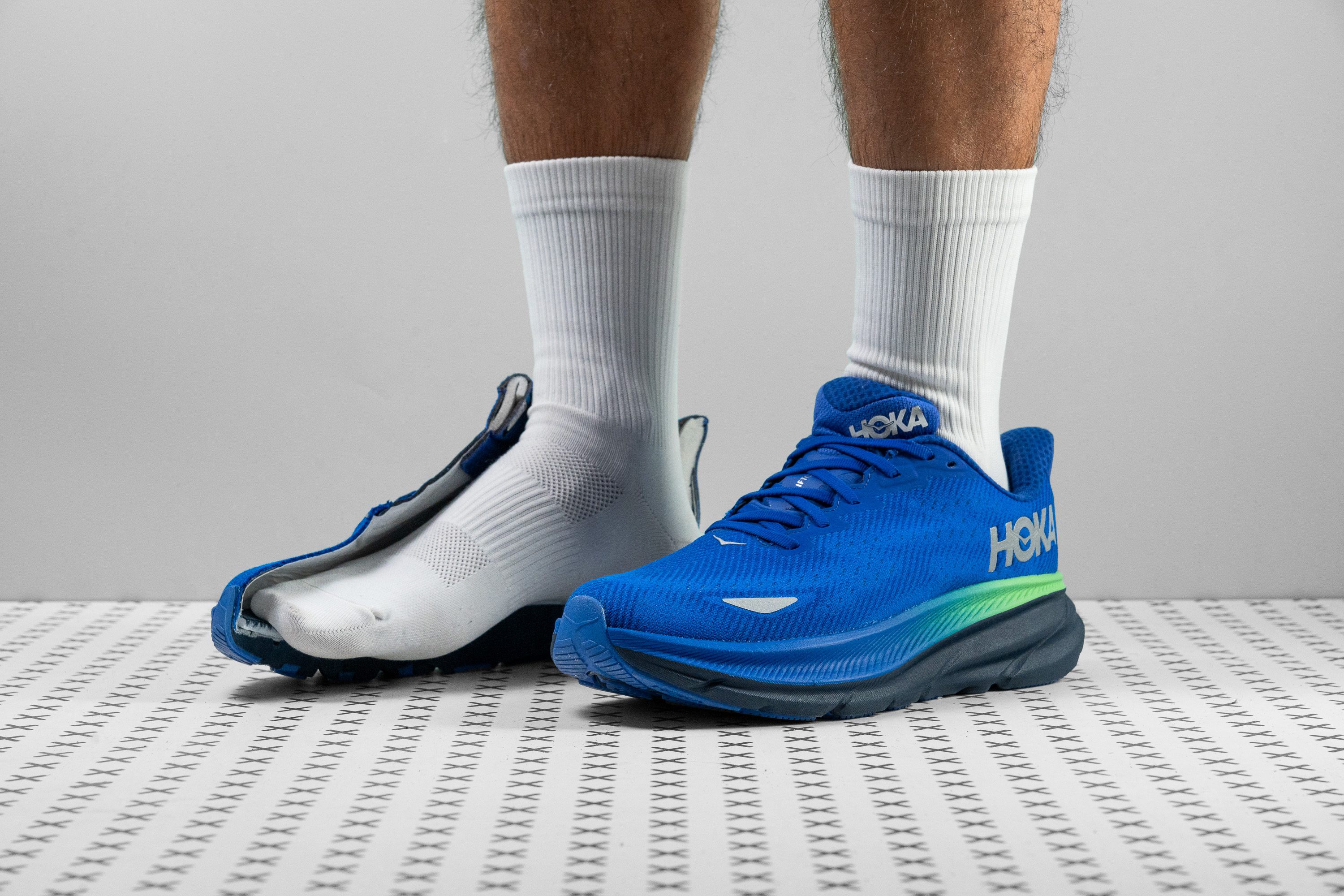
New water resistant running shoes can feel stiff at first because of the protective materials. Here’s how to break them in:
- Wear them around the house for an hour or two each day.
- Do short walks or easy runs before using them for a long workout.
- Use your usual running socks to check real fit.
- Check for hot spots (areas that rub or pinch). Adjust lacing or try different socks if needed.
If you still feel discomfort after 20–30 miles, consider trying a different size or model.
Credit: runrepeat.com
Socks Matter: Choosing The Right Pair
Good socks help your water resistant shoes work better. Thin cotton socks soak up water and dry slowly. Instead, choose:
- Synthetic or wool blends: These wick moisture away from your skin and dry quickly.
- Seamless designs: Reduce the risk of blisters.
- Ankle or crew length: Protect against mud and debris getting inside.
Double-layer socks are popular for long runs in wet conditions. They move friction away from your skin, lowering blister risk.
Non-obvious insight: A great water resistant shoe can still let water in from the ankle. If you run through deep puddles, consider wearing gaiters (fabric covers) to block water and debris.
How Often Should You Replace Water Resistant Running Shoes?
Most running shoes, including water resistant types, last 300 to 500 miles. After this, the sole loses grip and cushioning breaks down—even if the upper still looks good. For regular runners (20 miles per week), that’s about every 6 months.
Signs it’s time to replace your shoes:
- The tread is worn smooth
- You notice new aches or pains after running
- The upper is torn or leaks more easily
- The cushioning feels flat
Rotating two pairs can help extend the life of each and gives your shoes time to fully dry between runs.
Environmental Impact And Sustainability
Many runners care about the environment. Water resistant shoes often use synthetic materials and special coatings that can be hard to recycle. However, some brands now use recycled plastics or eco-friendly waterproofing.
Look for brands that:
- List recycled content in their materials
- Use PFC-free water repellents (safer for water sources)
- Offer recycling programs for worn-out shoes
Every small step helps reduce your impact while enjoying the outdoors.
Real-world Experiences: What Women Runners Say
First-hand experiences can offer valuable insights that specs and marketing cannot. Here’s what real women runners report after months of use with water resistant shoes:
- “I run early in the morning when the grass is still wet. My Brooks Ghost 15 GTX keeps my feet dry, and the fit is comfortable for long runs.”
- “Living in Seattle means rain almost every week. The Nike Pegasus Trail 4 GTX is light enough for road but has enough grip for muddy parks.”
- “I thought my feet would overheat in summer, but switching to thinner socks helped. The Salomon Speedcross 6 GTX stays dry even in puddles.”
- “I had to size up half a size for my HOKA Challenger. The water resistant layer made them fit tighter than the regular version.”
Key lesson: Not all water resistant shoes feel the same on your feet. Try several brands if you can and don’t be afraid to return or exchange if they don’t fit right.
Where To Buy Water Resistant Running Shoes For Women
Major sporting goods stores, running specialty shops, and online retailers carry a wide selection. Online shopping gives you more choices, but make sure the store has a good return policy. Some brands, like Brooks and Salomon, offer fit guarantees or free returns within 30 days.
Popular places to buy:
- Local running stores (try before you buy)
- Brand websites (sometimes offer exclusive colors or discounts)
- Big online retailers (like Amazon or Zappos)
- Outdoor gear specialists (REI, Backcountry)
For reviews and real user feedback, check out Runner’s World.
Frequently Asked Questions
What Is The Difference Between Water Resistant And Waterproof Running Shoes?
Water resistant running shoes use treated fabrics or membranes to block light rain, splashes, and dampness. They allow some air flow and are comfortable in most weather. Waterproof shoes use sealed booties or thick membranes to block water completely—even in heavy rain or puddles. However, they can feel warmer and less breathable. Choose based on your local climate and running needs.
Can I Use Water Resistant Running Shoes For Hiking?
Yes, many water resistant running shoes work well for light hiking, especially trail models. They offer good grip and protect against mud and water. However, for rocky or steep hikes, hiking shoes or boots with more ankle support may be better.
How Do I Clean Water Resistant Running Shoes?
Rinse mud and dirt off with cold water after each run. Remove insoles and let everything air dry. Avoid washing machines or dryers, as these can damage seams and water resistant coatings. Reapply a water repellent spray every few months to keep them working well.
Do Water Resistant Running Shoes Last As Long As Regular Ones?
Yes, water resistant running shoes generally last 300–500 miles, just like regular running shoes. However, if you run often in mud or rain, the coatings and materials can wear out faster. Rotate two pairs if you run in wet conditions often.
Are There Vegan Water Resistant Running Shoes For Women?
Yes, many brands make vegan-friendly water resistant running shoes using synthetic materials and glues. Check the product description or ask the manufacturer to confirm. Examples include certain models from Brooks, Merrell, and Adidas.
Finding the best water resistant running shoes for women is not just about staying dry—it’s about running with confidence, no matter the weather. With the right pair, you’ll enjoy your runs more and worry less about rain, puddles, or mud. Take your time, try different styles, and remember: dry feet make happy runners.
Credit: runrepeat.com
2 Comments