Running Shoes With Carbon Fiber Plate: Boost Your Speed Today

Running shoes have changed dramatically in recent years. Today, many top athletes and regular runners choose shoes with a carbon fiber plate. These shoes are not just a trend; they offer real benefits, from faster race times to reduced fatigue. But what is a carbon fiber plate, and why does it matter? If you’re curious about how these shoes work, who they’re for, and what to watch out for, you’re in the right place. This guide will help you understand everything about running shoes with carbon fiber plates, whether you’re aiming for a new personal best or just want more comfort on your daily jog.
What Is A Carbon Fiber Plate In Running Shoes?
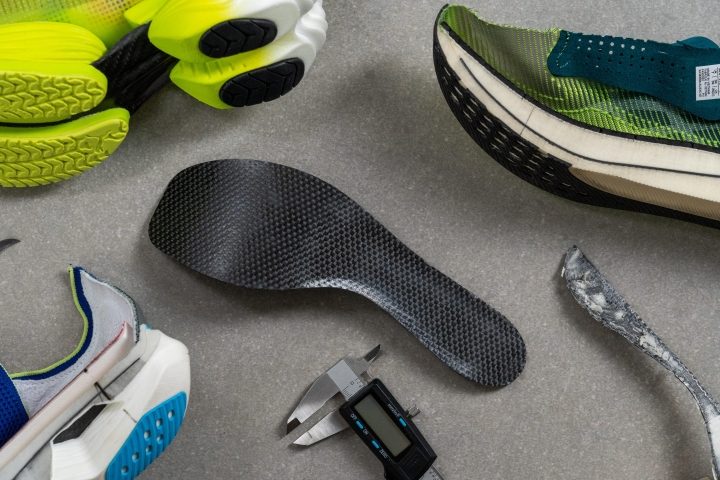
A carbon fiber plate is a thin, stiff sheet made from carbon fiber, placed inside the midsole of certain running shoes. Carbon fiber is known for being both strong and lightweight. When used in shoes, it acts like a spring. It helps push your foot forward with each step, making running easier and more efficient.
Most plates run from the heel to the toe. They are usually sandwiched between layers of foam. The plate is carefully shaped to match the natural curve of your foot. This curve, called the rocker shape, helps you roll smoothly from heel to toe.
Why carbon fiber? Unlike plastic or metal, carbon fiber doesn’t bend easily. It keeps its shape under pressure. This is important because you want the plate to store and return energy—not just flex and lose power.
How Carbon Fiber Plate Shoes Work
Carbon fiber plate shoes use a combination of materials and design to help runners. Here’s how they work:
- Energy Return: The plate stores energy when your foot lands and releases it as you push off. This gives you a small “boost” with every step.
- Stability: The stiff plate keeps the shoe from twisting. This helps maintain good form, especially when you’re tired.
- Rocker Geometry: Many shoes curve upward at the toe. This shape lets you roll forward easily, reducing stress on your calves and ankles.
- Lightweight Construction: Carbon fiber plates are much lighter than metal. This helps reduce the overall shoe weight, making it easier to run fast.
Example: In elite marathons, almost all winners now use shoes with carbon fiber plates. Studies have shown that these shoes can improve running economy by 4% or more. That means you can go faster with less effort.
The Science Behind Carbon Fiber Plates
Carbon fiber is made from very thin strands of carbon, woven together and then set in resin. The result is a material that’s much stronger than steel but far lighter. In running shoes, the plate is usually less than 1 mm thick.
Biomechanics: When you land, the plate bends slightly. As you push off, it snaps back into shape. This “snap” helps propel you forward. The plate also keeps the shoe from flexing in ways that waste energy.
Studies: Research published in the Journal of Sports Sciences found that runners wearing carbon fiber plate shoes used less oxygen at a given speed. This means their muscles worked more efficiently. For marathon runners, this can lead to faster race times and less fatigue.
Practical Insight: Beginners often think the plate is just for speed. But it also helps with stability and reduces the strain on the feet and ankles. This can be useful for anyone, not just elite athletes.
Key Benefits Of Running Shoes With Carbon Fiber Plate
Improved Speed And Efficiency
The main reason runners choose these shoes is to run faster. The plate helps you use less energy with each step. For elite runners, this can mean shaving minutes off a marathon time. For recreational runners, it might mean finishing a 5K with less fatigue.
Reduced Fatigue
The energy return and stability from the plate help delay tiredness. You can run longer before your legs feel heavy. This is especially helpful in races longer than 10K.
Enhanced Stability
The plate keeps the shoe stiff and stable. It prevents twisting and helps maintain good form. This is useful for runners who struggle with overpronation (rolling the foot inward) or who get tired late in races.
Injury Prevention
Some runners find that carbon fiber plate shoes reduce stress on their feet, ankles, and calves. The rocker shape helps the foot roll forward smoothly, reducing the chance of injury.
Lightweight Feel
Carbon fiber is lighter than metal or plastic. Combined with modern foams, these shoes often weigh less than traditional running shoes. This makes them feel fast and easy to wear.
Non-obvious Insight: The plate’s benefits depend on your running style. If you land hard on your heels, you may feel less energy return. If you land on your midfoot or forefoot, the plate works best.
Popular Models Of Carbon Fiber Plate Running Shoes
Many brands offer shoes with carbon fiber plates. Here are some of the most well-known options:
1. Nike Vaporfly Next%
One of the first and most famous models. Used by marathon world record holders.
2. Adidas Adizero Adios Pro
Features multiple carbon rods instead of a single plate. Known for high energy return.
3. Asics Metaspeed Sky
Designed for runners with a long stride. Offers a curved plate for smooth transitions.
4. Saucony Endorphin Pro
Combines a full-length plate with soft, responsive foam.
5. Hoka One One Carbon X
Focuses on endurance events, with a stable platform and a wide base.
6. New Balance Fuelcell Rc Elite
Lightweight and fast, ideal for racing.
7. Brooks Hyperion Elite
Offers a balance of speed and stability.
8. On Cloudboom Echo
Swiss-engineered with a unique plate shape for fast turnover.
Each model uses different foams and plate designs. Some are best for long races, others for sprints. It’s important to choose a shoe that matches your running style and goals.
Comparing Carbon Fiber Plate Shoes: Performance And Features
To help you understand the differences, here’s a comparison of some top models:
| Model | Weight (Men’s US 9) | Plate Type | Best For | Estimated Energy Return |
|---|---|---|---|---|
| Nike Vaporfly Next% | 6.6 oz | Full-length curved | Marathon, Half Marathon | ~4% |
| Adidas Adizero Adios Pro | 8.1 oz | Multiple rods | Marathon, 10K | ~3.5% |
| ASICS Metaspeed Sky | 7.2 oz | Full-length curved | Marathon | ~3.7% |
| Saucony Endorphin Pro | 7.5 oz | Full-length curved | 10K, Marathon | ~3.8% |
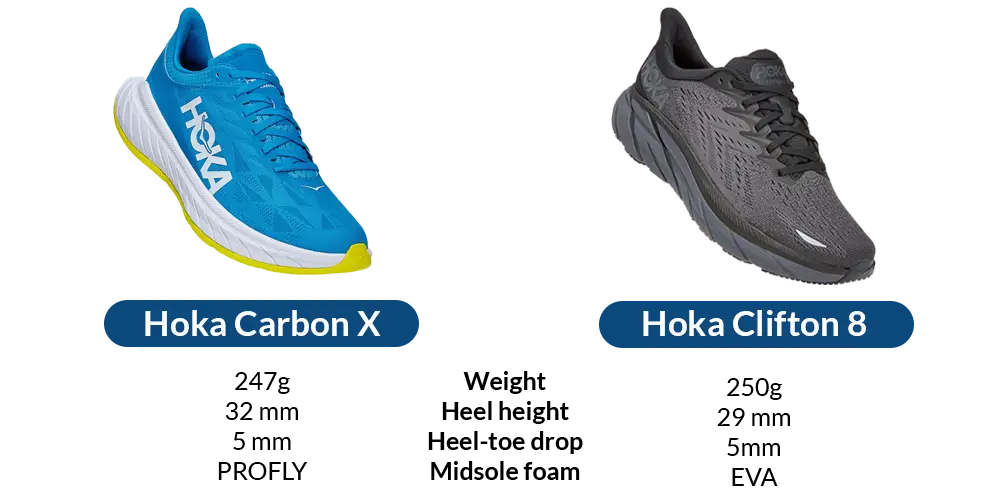
| Hoka Carbon X | 8.7 oz | Full-length flat | Ultramarathon | ~3% |
Non-obvious Insight: Shoe weight matters, but so does plate shape. Curved plates give more “pop” for fast turnover, while flat plates offer stability for longer runs.

Credit: www.amazon.in
How To Choose The Right Carbon Fiber Plate Running Shoe
Choosing the right shoe is not just about picking the most famous model. Here are key factors to consider:
1. Running Distance
- Short races (5K, 10K): Choose a shoe with a curved plate and lightweight foam for speed.
- Marathons: Look for a balance between energy return and cushioning.
- Ultramarathons: Stability and durability are more important than maximum energy return.
2. Foot Strike
- Forefoot/Midfoot Strikers: Curved plates work best, giving you more energy return.
- Heel Strikers: Some models may feel stiff or awkward. Look for shoes with softer foam and a flexible rocker.
3. Cushioning
- High cushioning is good for long races but may feel “squishy” for sprints.
- Low cushioning offers a more direct feel but less comfort.
4. Fit And Comfort
- Try shoes in person when possible. Carbon plate shoes often have a snug fit.
- Check for toe room, heel lock, and arch support.
5. Price
- Carbon fiber plate shoes are expensive. Most models cost $200–$250.
- Consider if you need them for every run or just races.
6. Durability
- Carbon plate shoes are designed for racing, not daily training.
- Typical lifespan: 200–300 miles before the plate or foam loses “pop”.
7. Brand And Model Differences
Each brand uses different foams, plate shapes, and fits. For example, Nike’s foam is very soft, while Saucony’s is firmer. Try several models to find what feels right.
Common mistake: Beginners often buy the most expensive shoe, thinking it’s always better. But if the fit is wrong, you won’t get the full benefit.
Carbon Fiber Plate Shoes: Pros And Cons
Every technology has strengths and weaknesses. Here are the main pros and cons:
Pros
- Faster race times: Proven in elite competitions.
- Reduced fatigue: Less energy used per step.
- Stable ride: Helps maintain form late in races.
- Lightweight: Feels fast and easy to wear.
- Injury prevention: Supports smooth transitions.
Cons
- Expensive: Most models cost $200+.
- Limited durability: Designed for racing, not high-mileage training.
- Stiff feel: Can be uncomfortable for some runners.
- Not for everyone: Works best for runners with good form.
- Restricted use: Some races limit “super shoes” for fairness.
Non-obvious Insight: The stiffness can make recovery runs or easy jogs feel awkward. Many runners keep these shoes just for races.
Training Vs Racing: When To Use Carbon Fiber Plate Shoes
Not all runs require a carbon plate shoe. Most runners use them for:
- Races: 5K, 10K, half marathon, marathon
- Speed workouts: Intervals, tempo runs
- Long runs (sometimes): When practicing race pace
For daily training, traditional shoes with foam only are better. They last longer and are more comfortable.
Example: Elite marathoners often save their plate shoes for race day and wear regular trainers for most workouts.
Common mistake: Using carbon plate shoes for every run can lead to fatigue or injury. The stiffness puts stress on your feet and legs.
The Role Of Foam In Carbon Plate Shoes
Carbon fiber plates work best with special foams. The foam cushions your foot and returns energy. Two main types are used:
- PEBA (Polyether block amide): Used by Nike and Adidas. Very soft and bouncy.
- EVA (Ethylene-vinyl acetate): Older foam, less energy return.
Some brands mix foams to balance durability and bounce. The plate and foam work together to give the “springy” feeling.
Data point: Nike’s PEBA foam, called ZoomX, is 20% lighter than traditional EVA and returns more energy.
Real-world Performance: Data And Studies
Carbon plate shoes are not just hype. Real-world tests show clear benefits:
- Elite marathoners: Since 2017, nearly all major marathon winners used carbon plate shoes.
- Amateur runners: Studies show 2–4% improvement in running economy.
- Time savings: For a 3-hour marathoner, this means finishing 3–6 minutes faster.
Research insight: A study in Sports Medicine found that the “spring” effect works best at fast paces. Slow jogs may not see much benefit.
Are Carbon Fiber Plate Shoes Allowed In All Races?
World Athletics, the global governing body, has rules about shoe technology. Shoes must be below a certain stack height (foam thickness) and must be available for sale to the public. Some races may ban shoes that break these rules.
Most mainstream models are legal, but check your race rules before competing.
Credit: runrepeat.com
Carbon Plate Shoes For Different Types Of Runners
Elite Athletes
For elite runners, carbon plate shoes are almost standard. They train hard and race fast, so the extra efficiency makes a big difference.
Recreational Runners
Many regular runners use these shoes for races or key workouts. Even if you’re not chasing records, the reduced fatigue and smoother ride can help.
Beginners
Beginners may not need carbon plate shoes right away. Focus on building good form and strength first. When you’re ready for races, consider trying them.
Non-obvious Insight: Some walkers and triathletes use carbon plate shoes for extra comfort and stability.
Comparing Carbon Fiber Plate Shoes To Traditional Running Shoes
Let’s look at how carbon fiber plate shoes stack up against regular foam shoes:
| Feature | Carbon Plate Shoes | Traditional Shoes |
|---|---|---|
| Weight | 6–9 oz | 8–11 oz |
| Energy Return | High | Medium |
| Durability | 200–300 miles | 400–600 miles |
| Price | $200–$250 | $100–$150 |
| Comfort | Stiff, bouncy | Soft, flexible |
| Best Use | Racing, speed workouts | Daily training |
Practical tip: Many runners own both types. Use traditional shoes for most runs and carbon plate shoes for races.
Common Mistakes When Using Carbon Fiber Plate Shoes
1. Using Them For Every Run
The stiffness can cause foot pain or fatigue. Save them for races and key workouts.
2. Choosing The Wrong Size
Carbon plate shoes often fit snug. Always try them on, or check return policies.
3. Ignoring Foot Strike
If you’re a heel striker, look for models with softer foam and a flexible rocker.
4. Not Breaking Them In
Wear them for a few short runs before racing. This helps your feet adjust.
5. Expecting Instant Results
Carbon plates can help, but you still need good training and form.
Non-obvious insight: The plate’s stiffness can make uphill running feel harder. Adjust your pace and stride.
Practical Tips For Buying Carbon Fiber Plate Running Shoes
- Shop at specialty stores: Staff can help find the right fit.
- Check reviews: Look for feedback from runners with your pace and style.
- Try before you buy: If possible, run a few steps in the store.
- Look for deals: Some models go on sale when new versions come out.
- Check return policies: You may need to exchange if the fit is wrong.
External resource: For detailed shoe reviews and updates, visit Runner’s World.
Caring For Your Carbon Fiber Plate Shoes
- Keep them dry: Moisture can weaken foam and glue.
- Rotate shoes: Don’t use the same pair every day.
- Clean gently: Use a damp cloth, avoid harsh chemicals.
- Store properly: Keep away from heat and sunlight.
Practical tip: Record your shoe mileage. Replace them when the foam feels flat or the plate loses its spring.
Are Carbon Fiber Plate Shoes Worth It?
For many runners, the answer is yes—if you’re racing or want to run faster. They offer clear benefits, especially in long races. But they cost more and don’t last as long.
If you’re new to running, focus on form and comfort first. As you gain experience, try carbon plate shoes for races. Most runners find they’re worth the price for the performance boost.
Non-obvious insight: Some runners use them for personal bests only, saving them for special occasions.
Credit: runeasi.ai
Frequently Asked Questions
What Makes Carbon Fiber Plate Shoes Different From Regular Running Shoes?
Carbon fiber plate shoes have a stiff plate inside, which helps return energy and keep the shoe stable. Regular shoes use foam only, which is softer and more flexible.
Can Beginners Use Carbon Fiber Plate Running Shoes?
Yes, but it’s best to build good running form first. Carbon plate shoes work best for runners with strong, efficient strides.
How Long Do Carbon Fiber Plate Shoes Last?
Most last 200–300 miles. After that, the foam and plate lose their “pop” and energy return.
Are Carbon Fiber Plate Shoes Legal For All Races?
Most models are legal in mainstream races. Check your race rules for any restrictions, especially in elite competitions.
Do Carbon Fiber Plate Shoes Help Prevent Injuries?
They can help by reducing strain on your feet and ankles. But if used too much, the stiffness may cause pain. Use them mainly for races and key workouts.
Running shoes with carbon fiber plates have changed the way people run and race. They offer a mix of speed, efficiency, and stability that was not possible with older shoe designs. Whether you’re an elite athlete or a weekend warrior, the right shoe can help you reach new goals.
But remember, they’re not magic—you still need good training and smart choices. If you use them wisely, carbon fiber plate shoes can be a powerful tool on your running journey.