
Men’s Trail Running Shoes on Sale: Best Deals for Runners

Trail running is more than just a hobby for many men—it’s a way to reconnect with nature, challenge the body, and find mental clarity. Whether you’re a weekend warrior or a seasoned ultra-runner, the right pair of trail running shoes can make a huge difference in both comfort and performance. And when you find those shoes on sale, it feels even better. But buying men’s trail running shoes isn’t as simple as picking the first discounted pair you see. There are important factors, hidden traps, and smart strategies that can save you money without sacrificing quality. In this article, you’ll learn how to choose the best men’s trail running shoes on sale, what features to prioritize, and how to spot real value—plus some common mistakes to avoid.
Why Trail Running Shoes Matter
Trail running is very different from running on the road. When you run on trails, you face rocks, roots, mud, water, and sharp turns. Regular running shoes can’t handle these challenges, and the wrong shoe can lead to injuries or ruined adventures. That’s why trail running shoes are built with special features:
- Aggressive outsoles for grip on slippery or loose surfaces.
- Protective toe caps to shield your feet from rocks and debris.
- Durable uppers that resist tears from branches and stones.
- Water resistance or drainage to handle wet conditions.
A good trail shoe doesn’t just protect; it also gives confidence. You move faster, feel more stable, and enjoy the run. It’s no wonder that many brands invest in advanced designs and materials.
Understanding Trail Running Shoe Discounts
When you see men’s trail running shoes on sale, it’s easy to get excited. But not every discount is a true bargain. Brands and retailers use different strategies to set prices:
- End-of-season sales: These happen when new models arrive. Last year’s shoes are still excellent, just not the latest style.
- Clearance sales: Sometimes, slow-selling colors or odd sizes are marked down.
- Flash sales: Limited-time online promotions can offer deep discounts, but sizes sell out fast.
- Retailer coupons or codes: Some stores offer extra percentages off during holidays or events.
Pro tip: The best sales often happen when new versions are released, so last year’s models get discounted. Don’t be afraid to buy a previous version if the features suit your needs.
What Makes A Good Trail Running Shoe?
Not all trail running shoes are equal. When shopping for men’s trail running shoes on sale, focus on these key features:
1. Grip And Traction
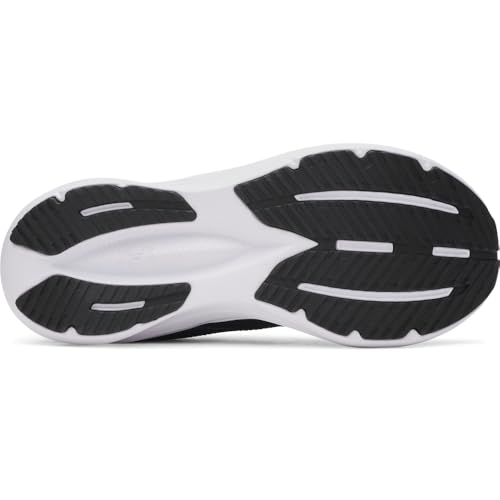
Trail surfaces change quickly. You might run on dry dirt, slippery mud, or sharp rocks—all in one outing. The outsole (bottom part) of a shoe is crucial. Look for:
- Deep, multi-directional lugs (the “teeth” on the bottom).
- Sticky rubber compounds for wet rocks.
- Patterns that shed mud instead of trapping it.
2. Fit And Comfort
Fit is personal—what works for one runner may not for another. Consider:
- Heel hold: Your foot shouldn’t slip at the back.
- Toe box space: Enough room to splay your toes, but not so loose you slide.
- Arch support: Match the shoe to your foot type (flat, neutral, or high arch).
Trying shoes on at the end of the day (when feet are a bit swollen) can give a more realistic idea of fit.
3. Protection
Trails hide surprises. Good shoes protect you with:
- Reinforced toe caps.
- Rock plates (thin, hard layers under the foot).
- Extra padding around the ankles.
But too much protection can add weight, so strike a balance if speed matters to you.
4. Weight
A lighter shoe can help you run faster, but it might sacrifice some protection. For longer runs, a bit more weight can mean more comfort. Aim for:
- Under 11 oz (310g) per shoe for speed.
- 11-13 oz (310-370g) for comfort and durability.
5. Water Management
Wet feet can ruin a run. Shoes handle water in two main ways:
- Waterproof membranes (like Gore-Tex) keep water out but may trap heat.
- Drainage systems let water escape quickly, ideal for hot climates or stream crossings.
6. Durability
Cheap materials wear out quickly. Look for:
- Reinforced stitching.
- High-quality rubber soles.
- Strong mesh or synthetic uppers.
If you run often, durability becomes even more important.
Top Men’s Trail Running Shoes Often Found On Sale
Every runner’s feet are different, but some shoes win more praise—and appear more often in sales—than others. Here are several popular models worth watching for deals:
| Shoe Model | Best For | Typical Sale Price | Weight (Men’s 9) | Waterproof |
|---|---|---|---|---|
| Salomon Speedcross 5 | Muddy, soft trails | $90–$120 | 11.5 oz | Optional |
| Brooks Cascadia 16 | All-around | $80–$110 | 11 oz | Optional |
| Altra Lone Peak 7 | Wide toe box, zero drop | $85–$105 | 10.6 oz | No |
| HOKA Speedgoat 5 | Cushion, long distance | $95–$130 | 10.3 oz | No |
| La Sportiva Bushido II | Technical, rocky trails | $95–$120 | 10.5 oz | No |
| New Balance Hierro v7 | Comfort, mixed terrain | $90–$115 | 11.1 oz | Optional |
Note: Prices are typical sale ranges and may vary based on retailer, color, or size.
Comparing Sale Features: What Really Matters?
When you see multiple shoes on sale, a quick comparison can help you narrow your choices. Here’s a side-by-side look at three popular models:
| Feature | Salomon Speedcross 5 | HOKA Speedgoat 5 | Altra Lone Peak 7 |
|---|---|---|---|
| Grip | Very aggressive | Good, but softer | Balanced |
| Cushion | Moderate | High | Low/Moderate |
| Toe Box | Standard | Standard | Wide |
| Drop | 10 mm | 4 mm | 0 mm |
| Best Use | Soft/muddy trails | Ultra distance | Natural feel |
If you’re unsure, try to visit a store to feel the shoes or read multiple user reviews online.
How To Spot A Real Bargain
It’s tempting to jump on the biggest discount, but smart shoppers look beyond the price tag. Here’s how to tell if a sale is truly worth it:
- Check the retail price: Some sales show a big “percentage off” but use inflated original prices.
- Research the model: Is it last year’s version or an outdated design? Some older models are still excellent.
- Compare across stores: Prices can vary by $20 or more between retailers.
- Look at return policies: A low price isn’t worth it if you can’t return the shoes if they don’t fit.
Non-obvious insight: Sometimes, “exclusive” colors are cheaper simply because they didn’t sell well—not because the shoe is lower quality.
Where To Find Men’s Trail Running Shoes On Sale
You have more options than ever before, both online and offline. Each has its own strengths:
- Brand official websites: Often have end-of-season sales or “outlet” sections.
- Major retailers (REI, Backcountry, Amazon): Wide selection and user reviews, but prices change quickly.
- Local running stores: You can try on shoes and sometimes find “last pair” deals.
- Outlet malls: Good for finding deals on previous years’ models.
- Secondhand platforms (eBay, GearTrade): Gently used shoes can be a real bargain, but inspect photos and seller ratings.
Pro tip: Sign up for retailer newsletters or alerts. Many stores send private coupon codes to subscribers.
For more info on shoe technology and design, the Wikipedia Trail Running page offers a good overview.
Sizing: Don’t Make This Common Mistake
One of the biggest errors men make when buying trail running shoes—especially on sale—is choosing the wrong size. Trail shoes often fit differently than road shoes. Here’s what to keep in mind:
- Feet swell on long runs. Go up half a size if you run for more than an hour.
- Socks matter. Try on shoes with the same socks you’ll run in.
- Width varies by brand. Altra and New Balance are known for wider toe boxes; Salomon and La Sportiva run narrower.
Non-obvious insight: If you plan to run in winter with thicker socks, consider sizing up further.

Credit: www.treelinereview.com
When To Replace Your Trail Running Shoes
Even the best shoes lose their cushion and grip over time. Saving money on sales is smart, but don’t push shoes past their lifespan. Most trail running shoes last:
- 300–500 miles (480–800 km)
- 6–12 months for frequent runners
Check for these signs:
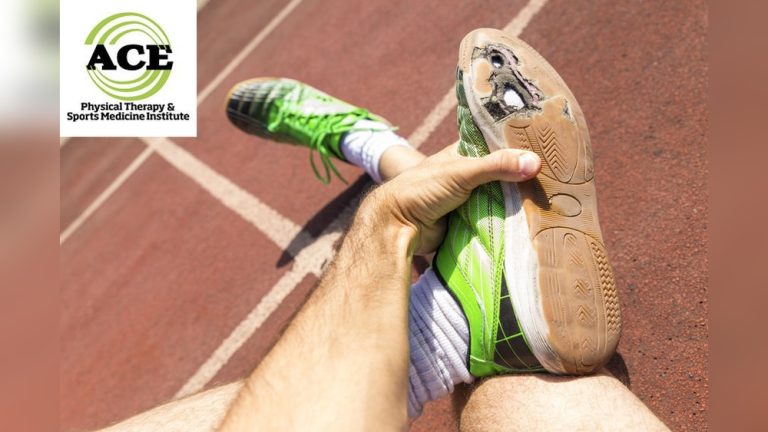
- Outsole lugs are flat or worn smooth.
- The midsole feels “dead” or less springy.
- Tears or holes in the upper.
- Less comfort or more foot pain after runs.
Rotating two pairs can extend the life of both.
Shopping Sales Online Vs. In-store
Both methods have upsides. Shopping online usually means more choices and better prices, while in-store shopping lets you try before you buy. Here’s a quick comparison:
| Shopping Method | Pros | Cons |
|---|---|---|
| Online | – More sizes and colors – Easy price comparison – User reviews |
– Can’t try on – Return shipping costs – Risk of fakes (on some platforms) |
| In-Store | – Try before you buy – Professional fitting advice – Support local business |
– Smaller selection – Prices may be higher – Limited sale stock |
How To Test Trail Running Shoes At Home
Many online stores now allow returns even after “test runs”—but always check the policy first. Here’s how to evaluate your new shoes at home:
- Wear them indoors: Walk and jog around the house for at least 30 minutes.
- Test with your socks: Use the same socks you’ll run in.
- Try different surfaces: If you have a backyard, test on grass or dirt (if allowed by return policy).
- Check for rubbing: No hot spots on heels or toes.
If you feel any discomfort or pressure, it usually gets worse during long runs.
Extra Tips For Finding The Best Deals
- Shop at the right time: Look for sales around Black Friday, spring/fall season changes, or after major races.
- Use price trackers: Some websites can alert you when shoes drop in price.
- Bundle deals: Some retailers offer socks or accessories with shoe purchases.
- Check for free shipping: This can save $10–$15 on your order.
Sustainability And Eco-friendly Choices
Many runners now care about the environmental impact of their gear. Some brands offer trail running shoes made from recycled materials or with eco-friendly production. Look for:
- Bluesign® or similar certifications on materials.
- Vegan options (no animal products).
- Repair or recycling programs for old shoes.
While these shoes may cost a bit more, they sometimes go on sale as new “green” models are released.
Avoid These Common Mistakes When Shopping Sales
- Buying only for color: The best-looking shoe is useless if it doesn’t fit well or perform on your trails.
- Ignoring fit for price: Don’t buy shoes that are too small or large just because they’re cheap.
- Not checking return policies: Especially important on final sale or clearance items.
- Missing warranty details: Some brands offer better guarantees than others.
- Assuming all trail shoes are the same: Features can be very different between models.
Matching Shoes To Trail Type
Different trails need different shoes. If you often run in one environment, look for sales on models built for that terrain:
- Muddy trails: Deep lugs, water drainage.
- Rocky, technical trails: Rock plates, sticky rubber.
- Dry, hard-packed dirt: Moderate lugs, lightweight.
- Mixed terrain: All-around grip and protection.
Example: The Salomon Speedcross line is famous for mud, while the La Sportiva Bushido II shines on rocks.
Breaking In New Trail Running Shoes
Even the best shoe needs a short break-in period. Here’s how to do it safely:
- Wear them around the house for a day or two.
- Take short runs (1–3 miles) at first.
- Check for hot spots or discomfort.
- Gradually increase distance.
If you feel pain or blisters after 2–3 runs, the shoe may not be right for you.

Credit: www.menshealth.com
Caring For Your Trail Running Shoes
To make your sale purchase last as long as possible:
- Clean them after muddy runs: Use water and a soft brush; avoid hot water.
- Dry naturally: Never use a dryer or direct heat.
- Loosen the laces: Helps shoes keep their shape.
- Store in a cool, dry place.
- Remove insoles: They dry faster, reducing odor and bacteria.
How To Read User Reviews
User reviews can be a goldmine—but also misleading. Watch for:
- Multiple reviews about sizing: If many say “runs small,” consider sizing up.
- Feedback on grip and durability: Not all shoes perform equally in all conditions.
- Complaints about defects: A few are normal, but many may mean a quality issue.
- Look for “verified purchase” badges: These are more trustworthy.
Real-world Example: Finding A Great Deal
Let’s say you find a HOKA Speedgoat 5 marked down from $150 to $100. Before you buy:
- Check your current shoe’s fit and size.
- Read at least 5 user reviews about how the shoe fits and performs.
- Look up the shoe on two other retailer sites to confirm it’s a true sale.
- Review the return policy.
- Buy only if the shoe matches your needs (terrain, distance, weather).
This extra 10 minutes can save you from a costly mistake.
The Role Of Socks In Trail Running
Good trail running socks are almost as important as the shoes themselves. They help prevent blisters, manage moisture, and improve fit. When shopping for shoes on sale:
- Try on shoes with your usual socks.
- Consider wool blends for moisture wicking.
- Thin socks for snug shoes; thicker socks for a looser fit.
Some runners buy new socks during shoe sales to match the season.
How Shoe Brands Differ
- Salomon: Known for grip, aggressive lugs, and quick-lace systems.
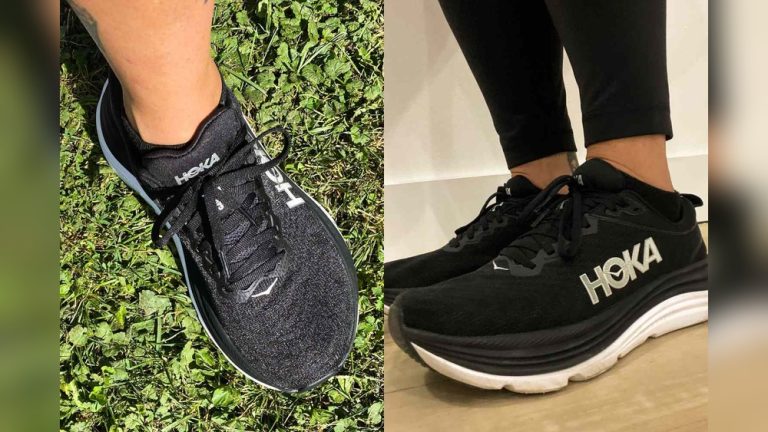
- HOKA: Famous for thick cushion and comfort over long distances.
- Altra: Loved for wide toe boxes and zero drop (no height difference between heel and toe).
- Brooks: Good all-around comfort, moderate cushion.
- La Sportiva: Sticky rubber, great for rocks, but often narrow fit.
Non-obvious insight: Some brands update their shoes every 12–18 months. When a new version drops, the old one often goes on sale—sometimes with only minor changes.
Trail Running Shoe Care: Cleaning And Longevity
Regular cleaning not only keeps shoes looking better, it also extends their life. Here’s a simple routine:
- Brush off dry dirt after each run.
- Rinse with cool water (never hot) if muddy.
- Remove insoles and laces to help them dry.
- Never put shoes in the dryer—let them air dry.
- Stuff with newspaper to absorb moisture faster.
If shoes start to smell, use a mild soap and rinse well.

Credit: www.brooksrunning.com
Upgrading Your Shoe: When Is It Time?
Sometimes, a great sale tempts you to upgrade before your current shoes are worn out. Ask yourself:
- Do your feet hurt after runs?
- Are the soles worn flat?
- Does water leak in more easily?
- Has your running style or terrain changed?
If you answer “yes” to any, it’s a good time to look for deals.
Frequently Asked Questions
What’s The Difference Between Trail And Road Running Shoes?
Trail running shoes have thicker, more aggressive soles for grip on mud, rocks, and dirt. They often include toe protection and sturdier materials. Road running shoes are lighter, smoother, and designed for flat pavement.
Should I Buy Trail Running Shoes A Size Bigger?
It depends. Many runners go up half a size to allow for foot swelling and thicker socks. However, too much space can cause sliding and blisters. Always try shoes on with your usual running socks.
Are Waterproof Trail Running Shoes Worth It?
Waterproof shoes help in cold, wet conditions but can be hot in summer and less breathable. If you often cross streams or run in rain, they’re useful. In hot, dry climates, non-waterproof shoes may dry faster and feel cooler.
How Long Do Men’s Trail Running Shoes Last?
Most trail running shoes last 300–500 miles (or about 6–12 months for regular runners). Check for worn soles, less cushioning, or new foot pain as signs it’s time for a replacement.
Are Expensive Trail Running Shoes Always Better?
Not always. Higher prices can mean better materials or technology, but sales often make top models affordable. Focus on fit, grip, and durability—not just price.
Trail running is an adventure, and your shoes are your most important gear. With smart shopping and a little patience, you can find high-quality men’s trail running shoes on sale that match your feet, your trails, and your budget. Be willing to try different models, read reviews, and check several stores.
Your feet—and wallet—will thank you for it. Happy running!
One Comment