Running Shoe With Wide Toe Box: Top Picks for Ultimate Comfort

Finding the right running shoe is more than just picking a brand you like or grabbing the latest model. For many runners, toe box width is a critical detail that can make the difference between a smooth, pain-free run and a frustrating experience filled with blisters, numbness, or even long-term foot problems. Yet, the importance of a wide toe box is often overlooked, especially by beginners or those with average feet who have never felt the pinch of a shoe that’s too narrow.
This article explores why a running shoe with a wide toe box matters, who benefits most, and how to choose the right pair. We’ll look at top models, compare popular brands, and address common questions. Whether you’re dealing with bunions, seeking comfort for marathon training, or simply want to keep your toes happy, understanding the role of toe box width can transform your running experience.
Why Toe Box Width Matters In Running Shoes
The toe box is the front part of the shoe where your toes sit. Its width determines how much room your toes have to spread out, splay, and move naturally during each stride. For many runners, a wide toe box is not just a matter of comfort—it can help prevent injuries and improve performance.
A narrow toe box forces your toes together, which can lead to:
- Blisters from friction between toes
- Bunions or worsening of existing bunions
- Black toenails from repeated impact
- Numbness or tingling due to nerve compression
- Morton’s neuroma (a painful nerve problem)
A wide toe box, on the other hand, allows for:
- Natural toe splay, which improves stability and balance
- Reduced risk of blisters and hot spots
- Better blood flow to your toes
- More comfort on long runs
Non-obvious insight: Even runners with “normal” feet can benefit from a wider toe box during longer runs, as feet tend to swell after several miles, making a previously comfortable shoe suddenly tight.
Who Needs Running Shoes With A Wide Toe Box?
While everyone can benefit from a comfortable toe box, some groups need it more than others:
- Runners with bunions or hammertoes: These foot conditions make the sides of your feet more sensitive to pressure. A wide toe box reduces pain and prevents further irritation.
- People with wide or high-volume feet: Standard-width shoes may feel too tight at the front, causing discomfort.
- Trail runners: Uneven surfaces mean your feet move more inside the shoe, so extra space in the toe box can help.
- Long-distance runners: Feet swell during long runs, and a narrow shoe can become painful after several miles.
- Runners who use orthotics: Custom or over-the-counter insoles often take up extra room in the shoe, requiring a wider fit at the toes.
Pro tip: Even if you don’t have a “wide” foot, consider a wide toe box if you regularly get black toenails, blisters between your toes, or numbness during runs.
How To Tell If You Need A Wide Toe Box
Not sure if your shoes are too narrow? Watch for these signs:
- Toes feel cramped or overlap inside the shoe
- Outer toes rub against the inside of the shoe, causing calluses or blisters
- Numbness or tingling in your toes during or after running
- Black or bruised toenails
- Shoes feel comfortable when first tried, but become tight after a few miles
The best way to check is the thumb test: with your shoe on, try to wiggle your toes. If you can’t spread them out naturally, or if your pinky toe feels pressure, your toe box may be too narrow.
Key Features Of A Good Wide Toe Box Running Shoe
When looking for a running shoe with a wide toe box, focus on these features:
- True anatomical shape: The toe box should be shaped like a real foot, not pointed. Brands like Altra and Topo Athletic are known for this.
- Width options: Many brands offer “wide” or “extra wide” versions. Check the width code (D for men’s standard, 2E for men’s wide, B for women’s standard, D for women’s wide).
- Flexible upper: A stretchy mesh allows more give for your toes, even if the base isn’t extra wide.
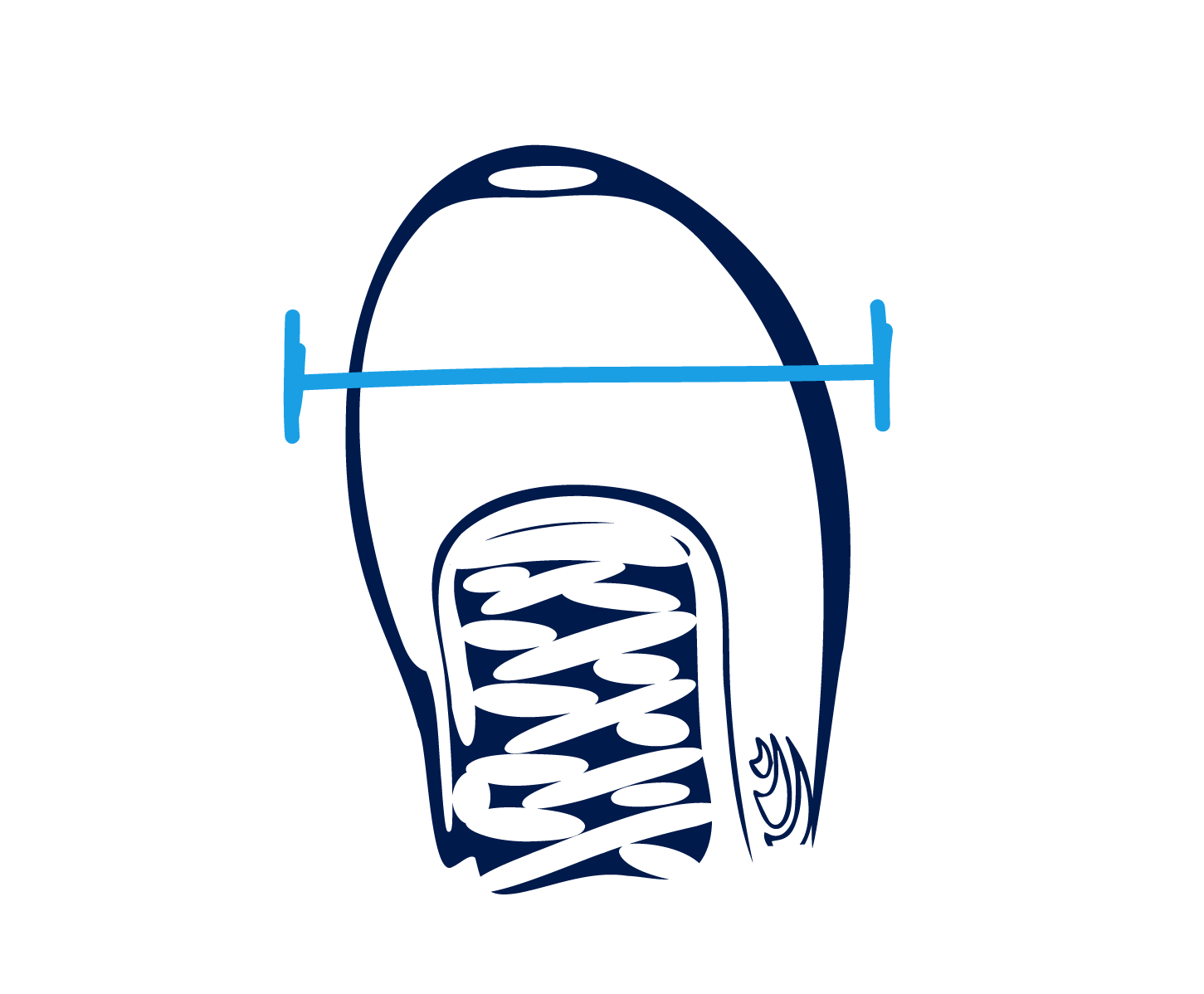
- Roomy forefoot: The shoe should look and feel wider at the front, not just at the midfoot.
- No internal seams: Seams inside the toe box can cause irritation, especially if your toes are already close to the edge.
Non-obvious insight: Some shoes may feel wider because of the upper material, but if the outsole is narrow, your toes are still restricted. Always check both the upper and the outsole shape.
Popular Brands And Models With A Wide Toe Box
Certain brands are known for their wide toe boxes or for offering wide-width options. Here’s a look at some of the best choices:
Altra
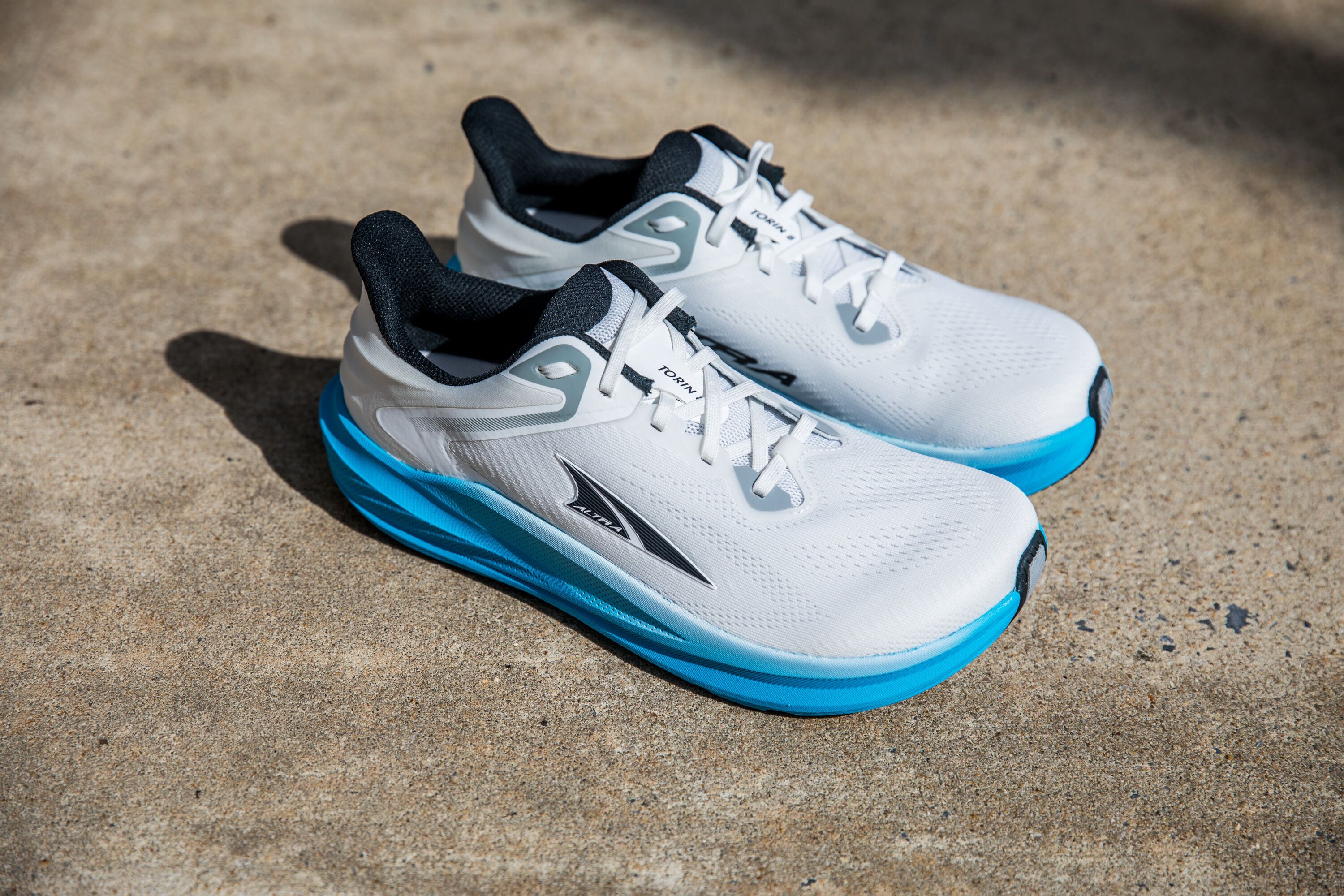
Altra’s “FootShape” design is famous for its wide, rounded toe box. All their running shoes feature this shape, making them a top pick for runners needing extra space.
- Popular models: Altra Escalante, Altra Torin, Altra Lone Peak (trail)
Topo Athletic
Topo shoes combine a roomy toe box with a more traditional heel, appealing to runners who want space up front but not a “sloppy” fit.
- Popular models: Topo Ultrafly, Topo Magnifly, Topo MTN Racer (trail)
New Balance
New Balance offers multiple width options (including 2E and 4E for men, D and 2E for women) in many of their models.
- Popular models: New Balance 1080, New Balance 880, New Balance Fresh Foam More
Brooks
Brooks features “wide” and “extra wide” options in many shoes, making them accessible for those with broader feet.
- Popular models: Brooks Ghost, Brooks Glycerin, Brooks Adrenaline GTS
Hoka
Known for maximum cushioning, HOKA also makes several models in wide widths, though the toe box shape can vary.
- Popular models: HOKA Clifton (wide), HOKA Bondi (wide), HOKA Speedgoat (wide, trail)
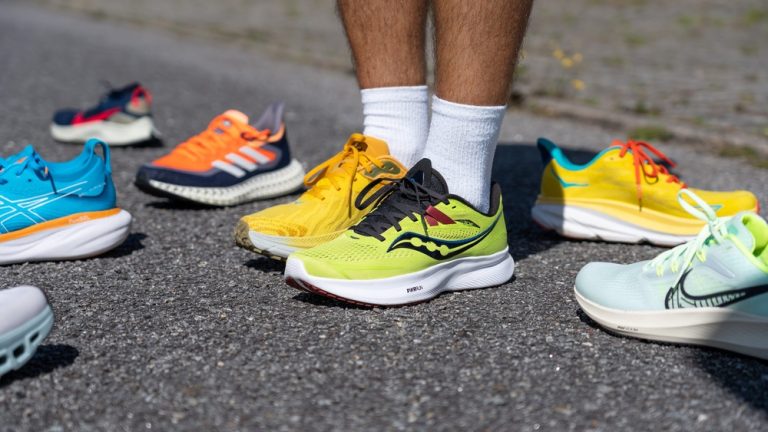
Saucony
Saucony’s wide models offer a little more space, though not as much as Altra or Topo.
- Popular models: Saucony Triumph (wide), Saucony Guide (wide), Saucony Peregrine (wide, trail)
Here’s a comparison of toe box width by brand (based on general fit, not all models):
| Brand | Toe Box Width (1=Narrow, 5=Very Wide) | Best For |
|---|---|---|
| Altra | 5 | Maximum toe splay, bunions |
| Topo Athletic | 4 | Roomy but secure |
| New Balance (wide) | 4 | Custom widths, orthotics |
| Brooks (wide) | 3 | General comfort, mild bunions |
| HOKA (wide) | 3 | Cushion lovers, swelling |
| Saucony (wide) | 2.5 | Slightly wide feet |
Note: Shoe fit can change with each model update. Always try on before buying.
Top 10 Running Shoes With Wide Toe Box
If you want specific recommendations, these ten models are frequently praised for toe space and overall comfort.
- Altra Escalante: Lightweight, zero drop, and very roomy in the toes.
- Topo Athletic Ultrafly: Great balance of toe space and secure fit.
- New Balance Fresh Foam 1080 (wide): Plush cushioning and comes in wide options.
- Brooks Ghost 15 (wide): Reliable daily trainer, available in D and 2E widths.
- HOKA Clifton 9 (wide): Soft ride, wider option available.
- Altra Torin: More cushioning than Escalante, same foot-shaped toe box.
- Topo Magnifly: Neutral, cushioned, and wide up front.
- New Balance 880 (wide): Durable workhorse, fits most foot shapes.
- Brooks Glycerin (wide): Extra plush for long miles, in wide widths.
- Saucony Triumph (wide): Premium cushioning, available in wider fit.
How To Choose The Right Wide Toe Box Running Shoe
Step 1: Measure Your Feet
Feet can change over time. Measure both length and width, preferably at the end of the day when feet are swollen. Don’t rely only on your “usual size. ”
Step 2: Try Shoes On (with Socks)
Wear the socks you plan to run in. Make sure you can freely wiggle and spread your toes. Stand and walk around—your feet spread more under pressure.
Step 3: Check The Fit
- There should be a thumb’s width between your longest toe and the front of the shoe.
- Toes should not touch the sides or the top of the toe box.
- The shoe should feel secure at the heel and midfoot but roomy at the front.
Step 4: Test While Running
If possible, jog in the shoes. Many specialty stores have treadmills for this. Notice any rubbing, pinching, or pressure points.
Step 5: Consider Volume And Orthotics
If you use custom insoles, bring them. Some shoes are “high volume,” offering more space vertically and horizontally.
Common mistake: Many runners size up in length to get more width. This can cause heel slippage and blisters. Instead, look for shoes that are wider in the forefoot.
Wide Toe Box Vs. Wide Shoe: What’s The Difference?
It’s easy to confuse these terms, but they aren’t the same.
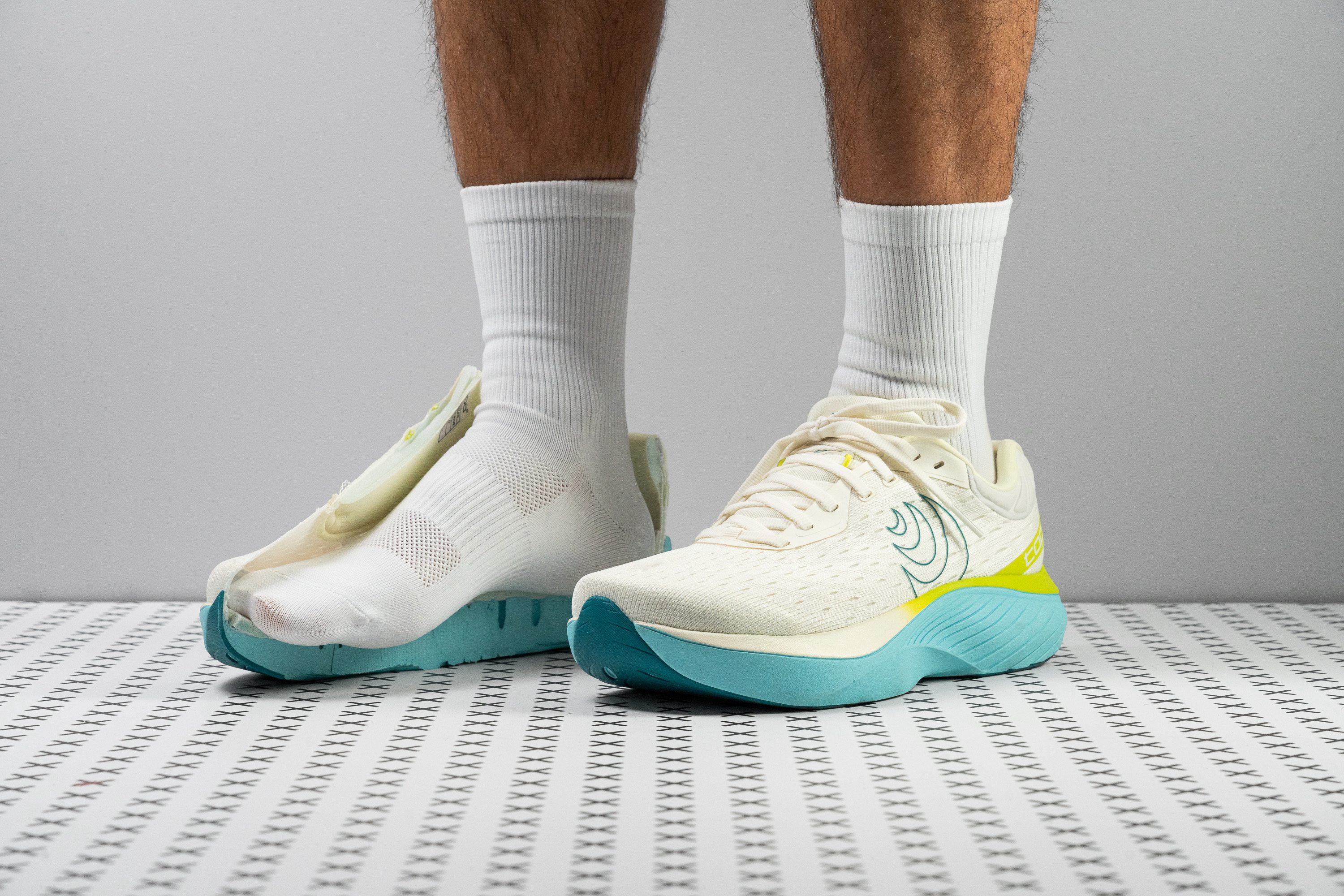
- Wide toe box: The front of the shoe is wider, giving your toes extra room.
- Wide shoe: The entire shoe is wider, from heel to toe. This helps if your whole foot is broad, but may feel sloppy if only your toes need more space.
Some shoes offer a wide toe box in a standard-width shoe (like Altra), while others require you to order a “wide” size to get more space up front (like Brooks or New Balance).
Credit: runrepeat.com
Pros And Cons Of Wide Toe Box Running Shoes
There are many benefits to a wide toe box, but it’s not right for everyone.
| Pros | Cons |
|---|---|
|
|
Tip: If you want the benefits but worry about a loose fit, try a runner’s loop lacing technique to secure the heel.
How Wide Toe Box Shoes Affect Running Form
A shoe with a wide toe box doesn’t just make you more comfortable—it can actually change your running mechanics.
- Natural toe splay: Your toes spread out when you land, helping absorb shock and stabilize your body.
- Better balance: With more contact area, your foot can make subtle adjustments on uneven terrain.
- Reduced injury risk: Less crowding means fewer blisters, less chance of bunions worsening, and more circulation.
Example: Many minimalist or “barefoot” running shoes feature an extra-wide toe box to mimic natural foot movement. Studies suggest that allowing natural toe splay can improve running economy and reduce injury risk, though not everyone will benefit in the same way.
Common Mistakes When Buying Wide Toe Box Running Shoes
- Sizing up instead of buying wide: Going up a half or full size for width can make the shoe too long, causing heel slip.
- Ignoring the upper material: Some shoes have a stiff upper that doesn’t stretch, so even a wide sole may feel tight.
- Focusing only on the brand: Not all models from a “wide” brand are truly wide at the toes.
- Skipping a test run: Always walk or jog in the shoes. Stand and spread your toes out inside.
- Assuming men’s and women’s widths are the same: Men’s “D” is standard, women’s “D” is wide.
Caring For Wide Toe Box Running Shoes
To keep your shoes performing well:
- Untie laces before removing to avoid stretching the upper.
- Allow shoes to dry between runs, especially if your feet sweat.
- Clean mesh and fabric gently with a soft brush and mild soap.
- Rotate shoes every other day to extend lifespan.
- Replace when you notice loss of cushioning or outsole wear (usually 300–500 miles).
Credit: www.runnersworld.com
When To Replace Your Running Shoes
Wide toe box or not, all running shoes need replacing eventually. Watch for these signs:
- The outsole is worn smooth
- The midsole feels flat or less cushioned
- You notice new aches or pains, especially in the feet or knees
- The upper is stretched and no longer holds your foot securely
Data point: Most running shoes last between 300 and 500 miles (480–800 km), but heavy runners or those running on rough surfaces may need to replace shoes sooner.
Are Custom Or Orthopedic Shoes Better?
For most runners, a well-chosen wide toe box shoe is enough. However, if you have severe foot deformities, diabetes, or need medical-grade support, consult a podiatrist about custom shoes. They can recommend brands or even prescribe custom orthotics to fit into wide toe box models.
Pro insight: Many running stores have fitting experts or offer 3D foot scanning to help you find the best shape and size.
What About Minimalist And Barefoot Shoes?
Minimalist shoes like Vibram FiveFingers or Vivobarefoot are designed to let your toes move freely. They often have a very wide toe box, but little or no cushioning. These are best for experienced runners who have transitioned slowly, as they require stronger foot muscles and a different running style.
Warning: Switching to minimalist shoes too quickly can lead to injuries. Transition gradually if you want to try this style.
Wide Toe Box For Walking And Everyday Use
You don’t have to be a runner to benefit from a wide toe box. Many people wear running shoes for walking, work, or standing all day. If you have foot pain, bunions, or just want more comfort, look for these features in your everyday shoes as well.
Price Range And What To Expect
Wide toe box running shoes range from about $90 to $180 for most models. Custom or orthopedic shoes can cost more. Don’t assume you have to pay top dollar for comfort—many popular wide models are priced similarly to their standard-width versions.
Here’s a quick price comparison of popular wide toe box running shoes:
| Model | Approximate Price (USD) | Widths Available |
|---|---|---|
| Altra Escalante | $130 | Standard (naturally wide toe box) |
| Brooks Ghost (wide) | $140 | D, 2E |
| New Balance 1080 (wide) | $160 | D, 2E, 4E |
| Topo Ultrafly | $135 | Standard (roomy toe box) |
| HOKA Clifton (wide) | $145 | D, 2E |
| Saucony Triumph (wide) | $160 | D, 2E |
Where To Buy Wide Toe Box Running Shoes
Most major running specialty stores carry wide toe box models. Online, sites like Running Warehouse, Zappos, and the brands’ official websites offer detailed fit information and return policies. Always check if the shoe is available in a wide width or if the standard model is already foot-shaped.
Pro tip: Check the return policy before buying online. Try shoes indoors to test fit before wearing them outside.
If you want to learn more about shoe fitting and running shoe design, check out this Wikipedia page on running shoes.
Credit: www.topoathletic.com
Frequently Asked Questions
What Is A “wide Toe Box” In A Running Shoe?
A wide toe box means the front part of the shoe (where your toes sit) is broader and more rounded than average. This gives your toes space to spread out naturally, reducing pressure and the risk of blisters, bunions, and black toenails.
Are Wide Toe Box Shoes Only For People With Wide Feet?
No. Many runners with average or even narrow feet prefer a wide toe box for extra comfort, especially on long runs or if their feet swell. It’s also helpful for people with bunions, hammertoes, or those who want to let their toes splay naturally.
Will A Wide Toe Box Shoe Feel Too Loose?
Not if you choose the right size and lacing method. A good wide toe box shoe is roomy at the front but secure at the heel and midfoot. If it feels sloppy, try different lacing techniques or a slightly smaller size.
Don’t size up in length just to get width.
How Do I Know If My Running Shoe’s Toe Box Is Wide Enough?
You should be able to wiggle and spread your toes without touching the sides or top. There should be a thumb’s width between your longest toe and the end of the shoe. If you feel pressure, rubbing, or get numb toes, you may need a wider toe box.
Which Brands Are Best For Wide Toe Boxes?
Brands like Altra and Topo Athletic are famous for naturally wide toe boxes. New Balance, Brooks, HOKA, and Saucony also make wide-width versions of popular models. Always try on shoes, as fit can vary by model and year.
Choosing a running shoe with a wide toe box can make a big difference in your running comfort and foot health. You’ll run more naturally, avoid common injuries, and enjoy your miles with happy toes. Don’t settle for a tight, cramped shoe—take the time to find the right fit, and your feet will thank you for every step.