Wide Running Shoes for Women: Top Picks for Comfort and Support

Finding the perfect running shoe is rarely simple, but for women who need wide running shoes, the search can be even more challenging. Many women experience discomfort, blisters, or even injuries because their shoes are too narrow. This is not just a matter of comfort—choosing the right width can protect your feet and support your running goals, whether you’re training for a marathon or just enjoy casual jogs.
If you’ve ever felt your toes cramped or noticed red marks after a run, you’re not alone. In fact, it’s estimated that about 30% of women need a wider running shoe than the standard “B” width, but many don’t realize it until foot problems appear. Shoe brands have noticed this trend, and today, there are more options than ever for women who need extra width. Still, not all “wide” shoes are created equal, and knowing what to look for can make a world of difference.
This guide will help you understand why shoe width matters, how to identify if you need wide shoes, what features to prioritize, and how to choose the best pair for your running style. You’ll also discover some top-rated wide running shoes for women, helpful comparison tables, and answers to the most common questions.
Let’s explore the world of wide running shoes and help you find your perfect fit.
Contents
- 1 Why Shoe Width Matters For Runners
- 2 How To Tell If You Need Wide Running Shoes
- 3 Key Features To Look For In Wide Running Shoes
- 4 Top Brands For Wide Running Shoes For Women
- 5 Comparison: Popular Wide Running Shoes For Women
- 6 Best Wide Running Shoes For Different Needs
- 7 How Wide Running Shoes Are Different
- 8 Table: Standard Vs. Wide Running Shoe Dimensions
- 9 Common Mistakes When Buying Wide Running Shoes
- 10 How To Care For Wide Running Shoes
- 11 Are Custom Orthotics Needed?
- 12 Should You Size Up Or Go Wider?
- 13 Table: When To Choose Wide Vs. Long
- 14 Where To Buy Wide Running Shoes
- 15 Real-world Experiences: What Runners Say
- 16 How Often Should You Replace Wide Running Shoes?
- 17 Price Range For Wide Running Shoes
- 18 The Evolution Of Wide Running Shoes For Women
- 19 Frequently Asked Questions
Why Shoe Width Matters For Runners
For runners, shoe fit is about more than just length. The width of a shoe affects how your foot sits, moves, and is supported during every stride. When shoes are too narrow, several problems can develop:
- Blisters and calluses: Tight shoes create friction, especially along the sides and toes.
- Bunions and hammertoes: Persistent pressure can worsen these conditions.
- Numbness or tingling: Pinched nerves are common with narrow shoes.
- Reduced stability: Your foot may roll or slide, increasing injury risk.
A wide shoe offers more space in the forefoot and midfoot, letting your toes splay naturally. This is especially important for women with flat feet, high arches, or specific foot shapes like bunions. Having the right width also improves blood flow and lets your feet swell slightly during a run, which is normal.
Not Just For Wide Feet
Some runners with “normal” width feet also prefer wide shoes for extra comfort, especially on long runs. Shoe width is not only about foot size—it’s about foot shape and personal preference.
How To Tell If You Need Wide Running Shoes
Many women wear shoes that are too narrow simply because they don’t know their true size. Here’s how to check if you might need wide running shoes:
- Red marks or blisters: Especially on the sides of your feet or little toes.
- Numbness or tingling: This often means your shoes are squeezing nerves.
- Feet spill over the sole: If your foot hangs off the edge, you need more width.
- Toes feel cramped: You should be able to wiggle all your toes.
- Shoes feel tight even when laced loosely: If loosening laces doesn’t help, the shoe is too narrow.
How To Measure Your Foot For Width
For the best fit, measure your foot at the end of the day, as feet tend to swell. Stand on a piece of paper, trace your foot, then measure across the widest part (usually the ball of the foot). Compare this to a brand’s sizing chart.
Pro Tip: Shoe width is often labeled with letters. For women, “B” is standard, “D” is wide, and “2E” or “EE” is extra wide. Some brands use “W” for wide.
Key Features To Look For In Wide Running Shoes
Not all wide running shoes are built the same. The best pair for you will depend on your running style, foot shape, and needs. Here are the most important features to consider:
1. True Wide Fit
Some shoes labeled as “wide” are only slightly wider. Look for brands with a reputation for making genuinely wide shoes. If possible, try shoes on in-person or order from stores with easy returns.
2. Toe Box Room
A wide shoe should have a roomy toe box, giving your toes space to move without being squeezed. Some models are wide in the heel as well, but most only add width in the forefoot.
3. Arch Support
Wide feet often need more arch support, especially for flat-footed runners. Check the insole or midsole shape and firmness.
4. Cushioning Level
Choose the amount of cushioning based on your running style and distance. Long-distance runners often need more padding, while sprinters may prefer a firmer feel.
5. Breathable Materials
Wide shoes can get hot if made from non-breathable materials. Look for mesh uppers that keep feet cool and dry.
6. Secure Fit
A common mistake is buying a shoe that’s wide everywhere. Your heel should stay snug, while the forefoot is roomy. Many brands now offer “engineered mesh” or adjustable lacing to lock the heel in place.
7. Durability
Wide shoes can wear out faster at the edges. Check for reinforced stitching and durable outsole materials.
Top Brands For Wide Running Shoes For Women
Some shoe brands are known for their wide options and comfort. Here are a few of the most reliable:
- New Balance: Famous for a huge range of widths, from standard to 4E.
- Brooks: Offers wide (D) and extra-wide (2E) in many models.
- ASICS: Popular models come in wide versions, especially for stability.
- Saucony: Known for soft cushioning and wide sizes.
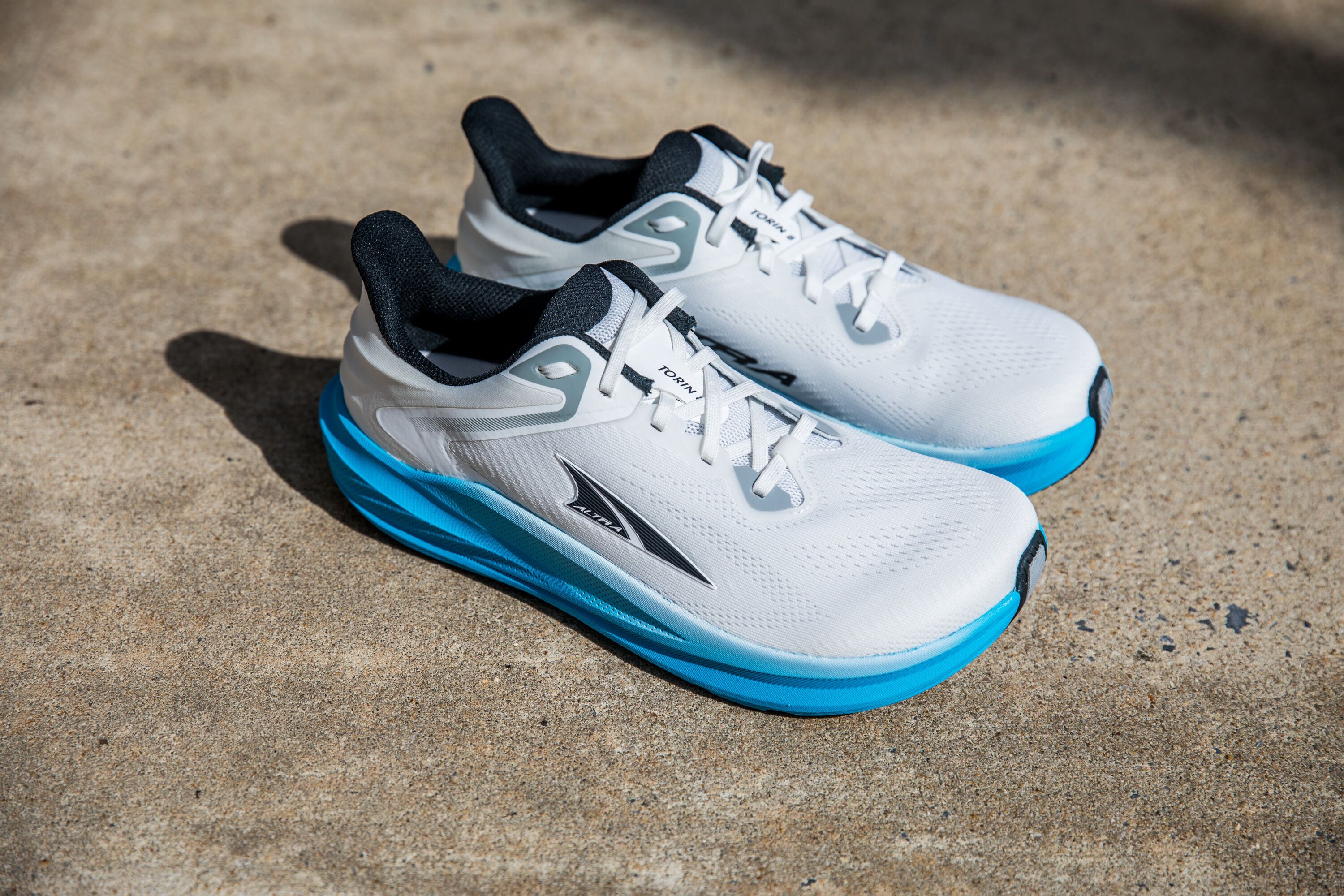
- Altra: Unique “FootShape” toe box, often fits wide even in standard width.
- HOKA ONE ONE: Plush cushioning, with select models in wide.
Comparison: Popular Wide Running Shoes For Women
Below is a comparison of some best-selling wide running shoes for women. This will help you see the differences in fit, cushioning, weight, and best use.
| Shoe Model | Widths Available | Cushioning | Weight (US W8) | Best For |
|---|---|---|---|---|
| New Balance 880v13 | B, D, 2E | Balanced | 8.6 oz | Daily Training |
| Brooks Ghost 15 | B, D, 2E | Soft | 9.1 oz | Road Running |
| ASICS GT-2000 11 | B, D, 2E | Moderate | 8.4 oz | Stability |
| HOKA Clifton 9 | B, D | Plush | 7.7 oz | Cushioned Runs |
| Saucony Ride 16 | B, D | Responsive | 8.1 oz | Everyday Miles |
| Altra Torin 7 | Standard (fits wide) | Moderate | 8.2 oz | Natural Fit |
Best Wide Running Shoes For Different Needs
Every runner is different. Here’s a closer look at top picks for specific needs:
Wide Shoes For Flat Feet
Flat feet need extra support to prevent overpronation (foot rolling in). Good options include:
- ASICS GT-2000 11 Wide
- Brooks Adrenaline GTS 23 Wide
- New Balance 860v13 Wide
These shoes feature supportive midsoles and structured heels for stability.
Wide Shoes For High Arches
High arches need cushioning to absorb impact. Look for:
- Brooks Ghost 15 Wide
- Saucony Ride 16 Wide
- HOKA Clifton 9 Wide
These shoes offer soft, shock-absorbing soles with a roomy forefoot.
Wide Trail Running Shoes
If you run on dirt or rocky paths, consider:
- Altra Lone Peak 7
- New Balance Fresh Foam Hierro v7 Wide
- Brooks Cascadia 16 Wide
Trail shoes have grippy outsoles and toe protection.
Wide Shoes For Overpronation
Women who overpronate need stability features:
- Brooks Adrenaline GTS 23 Wide
- ASICS GT-2000 11 Wide
- New Balance 860v13 Wide
These shoes have firm medial posts to guide your stride.
Wide Shoes For Neutral Runners
If your foot lands straight, try:
- New Balance 880v13 Wide
- Brooks Ghost 15 Wide
- Saucony Ride 16 Wide
These models balance comfort and flexibility.
Credit: runrepeat.com
How Wide Running Shoes Are Different
You might wonder what makes a wide running shoe different from the regular version. It’s not just extra material. Here are the main differences:
- Toe Box Shape: The front of the shoe is wider and rounder.
- Midfoot Width: More space across the ball of the foot.
- Outsole Size: The rubber sole is often slightly wider, giving better ground contact.
- Upper Materials: Sometimes more flexible to allow for swelling.
It’s important to note: Wide shoes are not always bigger overall—the length stays the same, only the width changes.
Table: Standard Vs. Wide Running Shoe Dimensions
Below is an example of how dimensions change between standard and wide sizes in US women’s running shoes (size 8):
| Width Label | Ball (mm) | Heel (mm) | Toe Box Circumference (mm) |
|---|---|---|---|
| B (Standard) | 92 | 64 | 235 |
| D (Wide) | 98 | 67 | 243 |
| 2E (Extra Wide) | 104 | 71 | 251 |
Insight: Even a few millimeters can make a big difference in comfort. If you’re between sizes, try both to see which feels best.
:max_bytes(150000):strip_icc()/vwt-running-shoes-test-mar-24-altra-via-olympus-2-womens-road-riddley-schirm-6-c53a85de9be0457186eceb328606a319.jpeg)
Credit: www.verywellfit.com
Common Mistakes When Buying Wide Running Shoes
Even experienced runners can make mistakes when choosing shoes. Here are some pitfalls to avoid:
1. Assuming All Brands Fit The Same
A “wide” in one brand may feel different in another. Always check the fit and don’t rely only on the label.
2. Ignoring Heel Fit
Some women buy wide shoes and find the heel slips. Make sure the shoe is only wide where you need it.
3. Not Considering Socks
Thick or padded socks can affect fit. Try shoes on with the socks you plan to wear.
4. Not Allowing For Swelling
Feet often swell during long runs. Buy shoes in the afternoon or evening and leave a thumb’s width in front of your toes.
5. Skipping Break-in Period
Even wide shoes may need a few short runs to soften up. Don’t judge comfort on day one.
How To Care For Wide Running Shoes
Wide shoes can last as long as regular ones with the right care:
- Clean regularly: Remove mud and dirt with a brush and mild soap.
- Dry properly: Don’t use direct heat. Stuff with newspaper and air-dry.
- Rotate pairs: Alternate shoes to let them recover between runs.
- Check for wear: Wide shoes can wear faster at the edges. Replace when the outsole is flat or the upper is stretched.
Credit: www.runnersworld.com
Are Custom Orthotics Needed?
Some women with wide feet also use orthotics for extra support. Most wide running shoes have removable insoles, so you can insert custom or over-the-counter orthotics. Make sure the shoe still feels roomy with your orthotic in place.
Non-obvious insight: If you use thick orthotics, you may need to size up in width, not length, to keep the fit comfortable.
Should You Size Up Or Go Wider?
Many runners try to fix a tight fit by buying longer shoes. This rarely solves the problem and can lead to tripping or blisters on the heel. It’s better to choose the correct width while keeping the right length.
Pro Tip: If you’re between sizes, most brands recommend going wider, not longer.
Table: When To Choose Wide Vs. Long
This quick guide can help you decide:
| Symptom | Solution |
|---|---|
| Toes touch front | Try longer shoe |
| Sides feel tight | Try wider shoe |
| Heel slips | Lace tighter or try different brand |
| General discomfort | Test both options |
Where To Buy Wide Running Shoes
While more stores now carry wide options, selection can be limited in-person. Online stores usually have a better range, including specialty widths (D, 2E, 4E). Look for shops with free returns, so you can try multiple pairs.
- Brand websites: New Balance, Brooks, ASICS, HOKA, and others sell directly.
- Running specialty stores: Staff can measure your feet and recommend models.
- Major online retailers: Amazon, Zappos, and Running Warehouse offer many wide options.
When buying online, read reviews from other women with wide feet. Their feedback often reveals if the shoe runs true to size.
Real-world Experiences: What Runners Say
Many women only discover the need for wide shoes after years of foot problems. Here are some examples:
- Maya, 38, Half-Marathoner: “Switching to wide Brooks Adrenalines changed my running. No more numb toes after 5 miles!”
- Jess, 29, Trail Runner: “I always thought I had to ‘break in’ shoes. Turns out, I just needed more width. The Altra Lone Peak fits perfectly out of the box.”
- Ava, 44, Beginner: “I used to buy men’s shoes for more space. Now I know women’s 2E is a better fit.”
Non-obvious insight: Some runners with bunions or foot injuries find that Altra’s FootShape design fits well even if the shoe isn’t technically “wide.” Always try different brands and shapes.
How Often Should You Replace Wide Running Shoes?
Most running shoes last 300–500 miles. Wide shoes follow the same rule, but if you have a unique foot shape, check for uneven wear on the sides. Replace your shoes if:
- The outsole is flat or uneven.
- The upper is stretched and loose.
- You feel new aches or pains after running.
Tip: Track your mileage with a running app or calendar.
Price Range For Wide Running Shoes
Wide running shoes usually cost the same as standard-width versions, though some specialty sizes are $10–$20 more. Expect to pay:
- Budget: $70–$100
- Mid-range: $100–$140
- Premium: $140–$180
Insurance usually does not cover wide running shoes unless prescribed as a medical device. If cost is a concern, look for last year’s models, which often go on sale.
The Evolution Of Wide Running Shoes For Women
Years ago, women with wide feet had few options. Many wore men’s shoes, but these often didn’t fit well in the heel or arch. Today, brands recognize that women’s feet are shaped differently and offer gender-specific designs in multiple widths.
Recent studies show that wide shoe sales have increased by over 20% in the last five years. Brands are investing in research to understand women’s foot anatomy, leading to better comfort and fewer injuries. For more on the importance of shoe fit, visit the American Podiatric Medical Association.
Frequently Asked Questions
What Is The Difference Between Wide And Extra Wide Running Shoes For Women?
Wide shoes (D width) are about 6mm wider than standard (B) shoes, while extra wide (2E or EE) are typically 12mm wider. Extra wide is best for very broad feet or women with bunions or foot braces.
Are Men’s Running Shoes A Good Choice For Women With Wide Feet?
Men’s shoes are wider, but they also have different heel and arch shapes. Women’s wide shoes are better designed for the female foot. Only use men’s shoes if you cannot find a women’s shoe that fits.
Can Wide Running Shoes Help With Bunions Or Hammertoes?
Yes, a wide toe box reduces pressure on bunions and allows toes to move more freely. Some brands, like Altra, use unique shapes that work well for bunions even in standard width.
Should I Always Buy The Same Brand For Wide Running Shoes?
Not necessarily. Fit varies by brand and even between models. It’s best to try several brands and check the fit for each shoe, as your needs may change over time.
How Do I Know If My Running Shoe Is Too Wide?
If your foot slides inside the shoe, or you feel unstable, the shoe may be too wide. Look for a snug heel fit and make sure your foot does not move side-to-side when running.
Choosing the right wide running shoes for women can change your running experience for the better. With so many options now available, you can find a pair that fits well, feels great, and supports your goals—without sacrificing style or performance. Listen to your feet, try different brands, and don’t settle for discomfort. Your perfect fit is out there.