
Women’s Neutral Running Shoes: Top Picks for Comfort & Performance

Women’s Neutral Running Shoes: The Complete Guide
Running is more than just a workout—it’s a way to clear your mind, boost your mood, and stay healthy. For many women, the right pair of running shoes can make all the difference between a comfortable, enjoyable run and nagging foot pain. Among the many options out there, neutral running shoes are a top pick for women who want a natural stride and balanced support. But what exactly makes a running shoe “neutral”? How do you pick the best pair for your needs? And what should you look for to avoid common mistakes? This guide will answer these questions and give you the insights you need to find the perfect women’s neutral running shoes for your unique feet.
What Are Neutral Running Shoes?
When you shop for running shoes, you’ll often see terms like “neutral,” “stability,” and “motion control. ” These refer to the type of support the shoe offers. Neutral shoes are designed for runners who have a normal gait—meaning, your foot doesn’t roll inward (overpronate) or outward (underpronate) too much when you run.
Neutral running shoes have a balanced midsole without extra arch support or heavy corrective features. This allows your foot to move naturally, which is ideal if you have a neutral arch and stable ankles. For many women, these shoes offer a blend of cushioning and flexibility that works well on roads, tracks, or even light trails.
Key Features Of Neutral Running Shoes
- Cushioning: Soft midsoles absorb impact, making long runs comfortable.
- Flexibility: The shoe bends easily to match your foot’s movement.
- Lightweight: Many neutral shoes are lighter than stability models, reducing fatigue.
- Minimal Correction: No added posts or rails to force your foot into a certain position.
If you’re not sure about your gait, a quick test can help. Try standing with wet feet on a piece of paper. If the imprint shows a clear, defined arch, you likely have a neutral stride.
Why Women’s Neutral Running Shoes Matter
Women’s feet aren’t just smaller versions of men’s—they often have a different shape and biomechanics. For example, women tend to have a narrower heel, slightly wider forefoot, and lower body mass. These differences affect how shoes fit and feel.
Manufacturers design women’s neutral running shoes with these factors in mind. The result: shoes that better support your natural stride, reduce the risk of injury, and help you run more comfortably. Choosing a women-specific neutral shoe can make a real difference, especially if you’ve struggled with blisters, heel slippage, or arch pain in the past.
Common Issues Solved By The Right Shoes
- Blisters: A narrow heel prevents rubbing and slipping.
- Arch pain: Proper support matches the shape of a woman’s foot.
- Toe crowding: Wider forefoot gives toes room to move.
It’s easy to overlook these details, but they matter for your long-term comfort and foot health.
Who Should Choose Neutral Running Shoes?
Neutral running shoes are ideal for:
- Women with normal arches who don’t overpronate or supinate.
- Runners who want a natural feel and flexibility in each stride.
- Women who use custom orthotics—neutral shoes provide a good base for inserts.
But if you have flat feet, high arches, or a history of ankle injuries, you may need a shoe with more support. A gait analysis at a specialty running store can help you decide. Sometimes, women assume they need “extra support” when a neutral shoe is actually the better choice.
How To Choose The Best Women’s Neutral Running Shoes
Picking the right pair can feel overwhelming with so many brands and models. Here’s what really matters:
1. Fit Comes First
No feature matters if your shoes don’t fit. Try these tips:
- Shop later in the day when your feet are slightly swollen.
- Leave a thumb’s width between your longest toe and the end of the shoe.
- The heel should feel snug but not tight.
- Your toes should move freely.
Don’t assume your size in one brand is the same in another. Always try shoes on, or check return policies for online orders.
2. Check The Cushioning
Some women love plush, “cloud-like” shoes for long runs. Others prefer a firmer, more responsive feel. Cushioning affects:
- Shock absorption: Softer midsoles protect joints on hard surfaces.
- Energy return: Firmer shoes can help you run faster.
Think about your main use—recovery runs, races, or daily training—and pick a shoe that matches.
3. Consider Weight And Flexibility
Lightweight shoes reduce fatigue, especially for long distances or races. Flexible shoes let your foot move naturally. If you run on hilly routes, a bit more structure might help.
4. Upper Material And Breathability
Hot, sweaty feet can ruin a run. Look for shoes with:
- Mesh uppers for ventilation
- Seamless designs to prevent irritation
- Moisture-wicking linings
5. Durability And Outsole Grip
If you run mostly on roads, a rubber outsole with good grip and abrasion resistance is important. Trail runners need lugs for traction on dirt and rocks. Check the wear pattern on your old shoes to see where you need extra durability.
6. Price And Value
Quality running shoes usually cost $100–$160. More expensive doesn’t always mean better, but super-cheap shoes often lack support and wear out fast. Look for last year’s models to save money without losing quality.
Key Factors Comparison
Here’s a side-by-side look at what to check when choosing women’s neutral running shoes:
| Factor | Why It Matters | What to Look For |
|---|---|---|
| Fit | Prevents blisters, pain, and injury | Snug heel, roomy toe box, correct length |
| Cushioning | Absorbs impact, protects joints | Plush for comfort, firm for speed |
| Weight | Reduces fatigue over distance | Light, but not flimsy |
| Breathability | Keeps feet cool and dry | Mesh upper, moisture-wicking lining |
| Durability | Saves money, extends shoe life | Strong outsole, quality stitching |
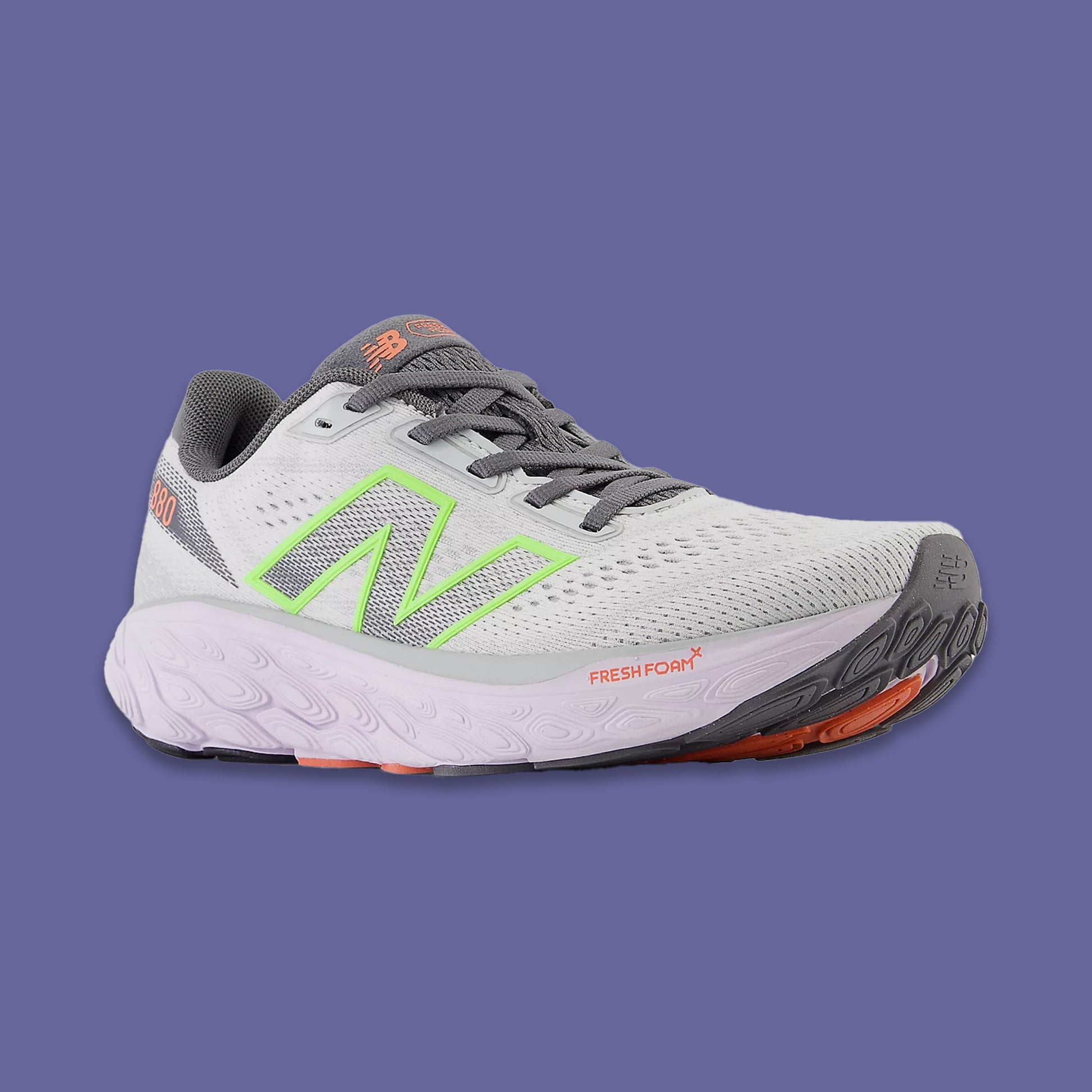
Credit: www.bigislandrunningcompany.com
Top Women’s Neutral Running Shoes Of 2024
With so many choices, it’s hard to pick the right shoe. Here are some of the top-rated women’s neutral running shoes this year, based on expert reviews and runner feedback.
1. Brooks Ghost 15
The Brooks Ghost is a favorite for its soft cushioning and smooth ride. The latest version offers a breathable mesh upper and improved durability. It’s great for daily training and long runs.
2. Nike Air Zoom Pegasus 40
Known for its responsive cushioning and lightweight feel, the Pegasus 40 suits both beginners and experienced runners. The fit is snug, with a flexible forefoot for natural movement.
3. Asics Gel-nimbus 25
This shoe is famous for plush comfort and shock absorption. The Gel-Nimbus 25 features a stretchy knit upper and extra gel in the heel, making it ideal for high-mileage runners.
4. Saucony Ride 16
With a balanced ride and durable outsole, the Ride 16 is a solid choice for women who want a shoe that works for everything from tempo runs to long races.
5. New Balance Fresh Foam 1080v13
The 1080v13 uses Fresh Foam for a soft, bouncy feel and adapts to your foot shape. It’s roomy in the toe box and has a smooth transition from heel to toe.
6. Hoka Clifton 9
Known for its maximal cushioning and lightweight design, the Clifton 9 is a top pick for runners with sensitive joints or those who want lots of shock absorption without extra weight.
7. Adidas Ultraboost Light
This shoe stands out for its energy return and stylish look. The Ultraboost Light uses a knit upper for comfort and a responsive midsole for faster runs.
8. Mizuno Wave Rider 27
A classic neutral trainer, the Wave Rider 27 offers a firm but cushioned ride. The wave plate in the sole gives extra stability without being intrusive.
9. Altra Torin 7
If you prefer a “zero drop” shoe (no height difference between heel and toe), the Altra Torin 7 is for you. It has a foot-shaped design and plenty of cushioning for longer runs.
10. On Cloudswift 3
The Cloudswift 3 uses unique pods in the sole for a springy, responsive feel. It’s lightweight, with a sleek upper and good urban grip.
Shoe Comparison Table
To help you compare, here’s a summary of the key features for these top models:
| Shoe | Cushioning | Weight (oz) | Best For | Price Range |
|---|---|---|---|---|
| Brooks Ghost 15 | Soft | 9.0 | Daily training | $140 |
| Nike Pegasus 40 | Medium | 8.5 | All-around | $130 |
| ASICS Gel-Nimbus 25 | Plush | 9.2 | Long distance | $160 |
| Saucony Ride 16 | Balanced | 8.8 | Tempo/long runs | $140 |
| NB 1080v13 | Soft | 8.6 | Wide feet | $160 |
| HOKA Clifton 9 | Maximal | 7.8 | Joint relief | $145 |
| Adidas Ultraboost Light | Responsive | 9.1 | Faster runs | $190 |
| Mizuno Wave Rider 27 | Firm | 8.3 | Stability | $140 |
| Altra Torin 7 | Soft | 8.6 | Natural feel | $150 |
| On Cloudswift 3 | Springy | 8.5 | Urban running | $160 |
How To Test And Break In Your Neutral Running Shoes
Buying the right shoe is only the first step. Here’s how to make sure your shoes will work for you:
Try Them Indoors First
Most stores allow returns if you only wear shoes indoors. Walk and jog around your house to check for any discomfort, rubbing, or tight spots.
Wear The Right Socks
Test your new shoes with the socks you plan to use when running. Thick or thin socks can change the fit.
Gradually Break Them In
Don’t take your new shoes straight to a marathon. Start with a few short runs (2–3 miles) to allow the materials to adjust to your foot. Most shoes need 10–20 miles to soften up and feel their best.
Watch For Warning Signs
If you feel pain, numbness, or blisters after several runs, the shoes may not be right for your foot shape. Don’t ignore these signals—swap them out before you risk injury.

Credit: www.runnersworld.com
Common Mistakes When Buying Women’s Neutral Running Shoes
Even experienced runners make mistakes when picking shoes. Here are some to avoid:
1. Choosing Shoes Based Only On Looks
Color and style are fun, but comfort and fit matter far more. A great-looking shoe that hurts your feet is never a good buy.
2. Ignoring Your Unique Needs
Just because a shoe is popular doesn’t mean it’s right for you. Pay attention to your arch type, running surface, and mileage. For example, trail runners need different grip and protection than road runners.
3. Not Replacing Shoes Often Enough
Running shoes lose their cushioning and support over time. Most pairs last 300–500 miles. If you notice more aches, flat spots in the midsole, or worn treads, it’s time for a new pair.
4. Wearing The Wrong Size
Your foot size can change over time due to age, pregnancy, or increased training. Always measure before buying new shoes.
5. Overlooking Width Options
Many brands offer narrow, regular, and wide sizes. Don’t settle for a shoe that pinches or is too loose—look for options that fit your foot shape.
How To Care For Your Neutral Running Shoes
A good pair of shoes is an investment. Here’s how to help them last:
- Rotate pairs: If you run often, alternate between two pairs to let each recover.
- Air them out: Remove insoles after each run to dry out sweat.
- Clean gently: Use a soft brush and mild soap—never put shoes in the washing machine.
- Store properly: Keep shoes in a cool, dry place out of direct sunlight.
With good care, most women’s neutral running shoes will last through 400–500 miles of use.
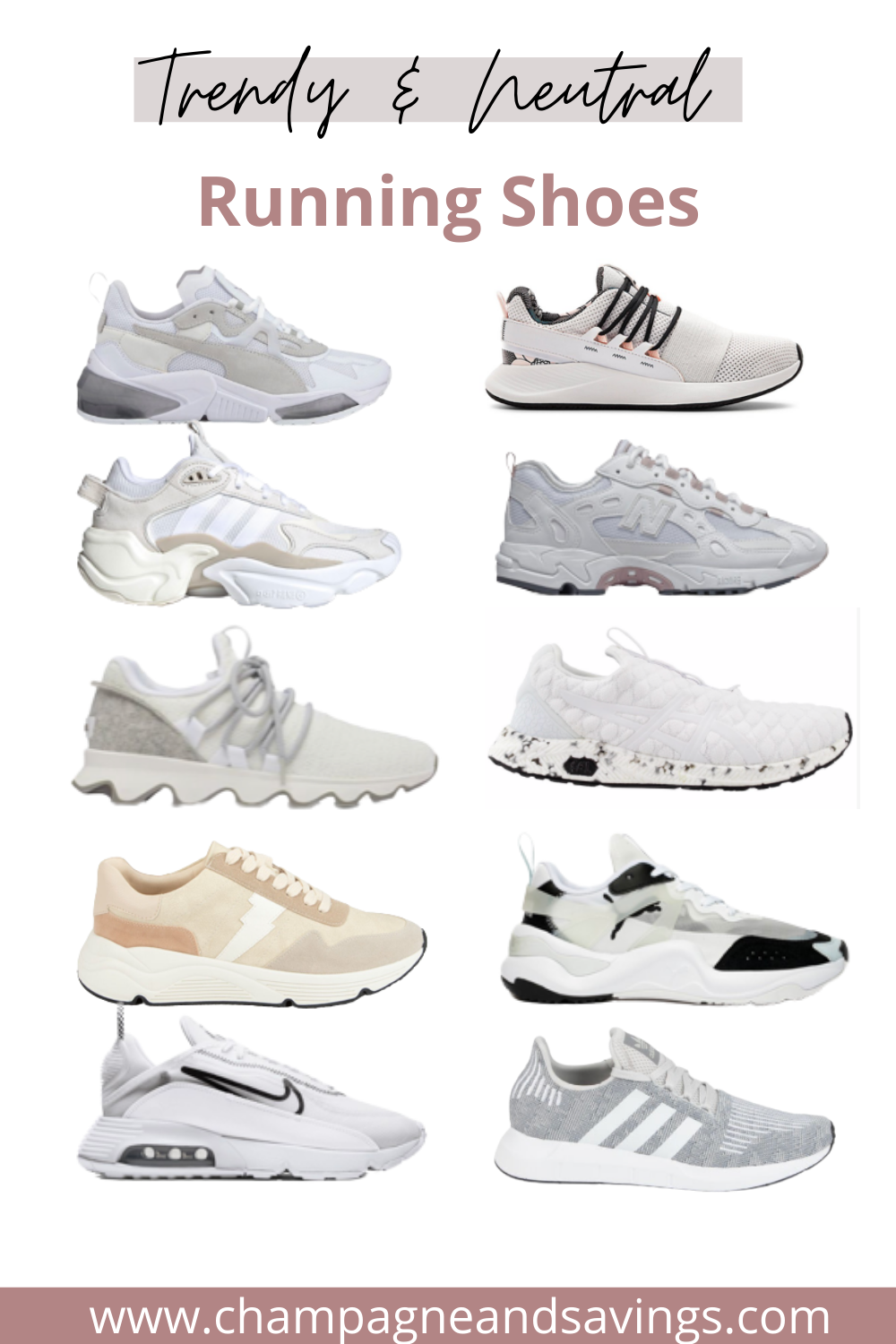
Credit: champagneandsavings.com
Special Considerations For Women Runners
Pregnancy And Foot Changes
During pregnancy, hormone changes can loosen ligaments and make your feet swell or flatten. This may require a larger size or more cushioning. Don’t be afraid to adjust your shoe choice during this time.
Injury Recovery
If you’re coming back from injury, look for shoes with extra cushioning or even consider a slightly wider fit to reduce pressure on sore spots.
Running Surfaces
Where you run matters. Asphalt and concrete need more cushioning. Trails require grip and protection from rocks. Some neutral shoes handle both, but many are designed for a specific surface.
Understanding The Science Behind Neutral Shoes
Some runners wonder if neutral shoes really make a difference. Research shows that matching your shoe to your foot’s biomechanics can reduce injury risk and improve comfort. A study published in the British Journal of Sports Medicine found that runners who wore shoes suited to their arch type had fewer injuries than those who didn’t.
But here’s an insight many beginners miss: it’s not just about pronation or arch height. Your stride, weight, and running goals all play a part. That’s why it’s smart to try different models and listen to your body.
For more detailed scientific background, check out this Wikipedia article on running shoes.
Budget-friendly Tips For Buying Neutral Running Shoes
Running shoes can be expensive, but you don’t have to break the bank:
- Shop end-of-season sales: Last year’s models are often heavily discounted.
- Check online deals: Trusted sites sometimes offer coupon codes or free shipping.
- Join loyalty programs: Many specialty stores reward repeat customers.
- Don’t skimp on quality: Ultra-cheap shoes may lead to injury and cost more in the long run.
Matching Your Shoes To Your Running Goals
Your goals should guide your shoe choice:
- Beginner: Look for plush cushioning and comfort.
- Speed work: Choose lightweight, responsive shoes.
- Marathon training: Pick durable shoes with shock absorption.
- Trail running: Go for grip and protection, even in neutral models.
Don’t be afraid to own more than one pair if your training varies.
Women’s Neutral Running Shoes Vs. Stability Shoes
Many women wonder if they should choose neutral or stability shoes. Here’s how they compare:
| Feature | Neutral Shoes | Stability Shoes |
|---|---|---|
| Support | Natural, minimal correction | Extra arch/midfoot support |
| Best for | Normal gait, neutral arches | Overpronators, flat feet |
| Weight | Lighter | Heavier |
| Flexibility | More flexible | Less flexible |
| Use with orthotics | Recommended | Not always ideal |
If in doubt, start with a neutral shoe—especially if you have no history of injuries or foot issues.
Frequently Asked Questions
What Does “neutral” Mean In Running Shoes?
Neutral running shoes are designed for runners whose feet do not roll in (overpronate) or out (underpronate) too much during running. They offer balanced cushioning without extra support or correction, letting your foot move naturally.
How Do I Know If I Need Neutral Running Shoes?
If you have a normal arch and your foot doesn’t roll excessively inward or outward, neutral shoes are likely right for you. A wet footprint test or a gait analysis at a running store can help you find out.
How Often Should I Replace Women’s Neutral Running Shoes?
Most running shoes last 300–500 miles. Replace them if you notice loss of cushioning, increased aches, or worn-out tread. Keeping track of your mileage helps you avoid running in worn-out shoes.
Are Neutral Running Shoes Good For Flat Feet?
Not always. Flat feet often need extra support, which stability or motion control shoes provide. However, some women with flexible flat feet and no pain do well in neutral shoes. When in doubt, consult a specialist.
Can I Use Neutral Running Shoes For Walking Or Gym Workouts?
Yes, neutral running shoes work well for walking, gym sessions, and everyday wear. They offer comfort and shock absorption for many activities, but may not be ideal for sports with lots of side-to-side movement, like tennis.
Finding the right women’s neutral running shoes is a journey, not just a purchase. Take your time, try different options, and listen to your body. The right pair will help you run farther, faster, and happier—mile after mile.

One Comment