How To Play Back Row Defense In Volleyball: Master the Basics

Playing back row defense in volleyball is crucial for a team’s success. It involves quick reflexes and understanding the game well.
Back row defense is essential because it keeps the ball in play and sets up offensive opportunities. Players need to anticipate the opponent’s moves and react quickly. They must stay alert and communicate with teammates. Good back row defense can change the course of a game.
It requires practice and focus. In this guide, we will explore the key skills and techniques for effective back row defense. From positioning to footwork, you will learn how to enhance your defensive game and help your team win. Let’s dive into the essentials of playing back row defense in volleyball.
Introduction To Back Row Defense
When it comes to volleyball, the back row defense is like the unsung hero of the team. While spikers and setters often steal the limelight, it is the back row players who form the bedrock of a solid defense. Understanding how to play back row defense can dramatically improve your team’s performance. Let’s dive into this critical aspect of the game and explore its importance, the role of back row players, and some essential tips to master this skill.
Importance Of Back Row Defense
Why is back row defense so crucial? Simply put, a strong back row defense can be the difference between winning and losing. Here are some reasons why:
- Prevents Scoring: Effective back row defense stops the opposing team from scoring easy points.
- Sets up Offense: A good defensive play can quickly turn into an offensive attack, giving your team the upper hand.
- Boosts Morale: Consistent, strong defense can boost team morale and confidence.
Imagine a game where every hard spike from the opposition is met with a solid dig from your back row. It’s not just a physical advantage; it’s a psychological one too!
Role Of Back Row Players
Back row players are the last line of defense and their role is multifaceted. Let’s break it down:
| Role | Responsibilities |
|---|---|
| Libero | The libero specializes in defensive skills. They are the player in the different-colored jersey, always ready to dig and pass with precision. |
| Defensive Specialist | Similar to the libero, but with more flexibility to play in other positions, their main job is to ensure the ball stays in play. |
The key to playing effective back row defense is positioning and anticipation. Back row players need to always be on their toes, ready to dive, dig, and pass the ball. It’s not just about physical skills; it’s about reading the game and anticipating the opponent’s moves.
Have you ever watched a seasoned libero in action? It’s like watching a maestro conducting an orchestra, every move deliberate and with purpose. The ability to cover the court, communicate with teammates, and deliver accurate passes is what separates good back row players from great ones.
Ready to step up your back row defense game? Remember, practice makes perfect. Keep working on your positioning, communication, and anticipation skills, and soon, you’ll be the rock your team relies on in those crucial moments.

Credit: www.youtube.com
Defensive Stances
Playing back row defense in volleyball is an art form. It requires agility, quick reflexes, and a keen understanding of the game. One of the most crucial aspects of back row defense is mastering the right stances. These stances help you react swiftly to the ball, maintain balance, and execute effective plays. Let’s dive into the fundamental defensive stances that every volleyball player should know.
Ready Position
The ready position is the foundation of a solid defense. It prepares you to move in any direction at a moment’s notice. To get into the ready position, follow these steps:
- Stand with your feet shoulder-width apart.
- Bend your knees slightly, keeping them over your toes.
- Lean forward slightly, placing your weight on the balls of your feet.
- Keep your arms in front of you with your hands ready to react.
This stance might feel awkward at first, but with practice, it becomes second nature. Think of it as your defensive home base – always return to this position after every play.
Footwork Techniques
In volleyball, your feet are your best friends. Proper footwork allows you to cover the court efficiently and reach the ball quickly. Here are some essential footwork techniques:
- Shuffle Steps: Use small, quick steps to move side-to-side. This helps you stay low and maintain balance.
- Crossover Steps: When you need to cover more ground, use crossover steps. Cross one foot over the other to move faster.
- Drop Steps: To move backward, use drop steps. Step back with one foot while keeping your body facing the net.
Footwork drills can help you improve these techniques. Try practicing with a partner or against a wall to get the hang of it. Good footwork can make the difference between a missed opportunity and a game-changing play.
Remember, mastering defensive stances and footwork techniques takes time and dedication. But with consistent practice, you’ll find yourself becoming more confident and capable on the court. So, lace up those shoes, hit the gym, and start perfecting your defensive stance today!
Reading The Opponent
Playing back row defense in volleyball requires a keen understanding of your opponent’s moves. Reading the opponent allows you to anticipate their actions and respond swiftly. Mastering this skill can make the difference between a successful defense and a lost point.
Anticipating The Hit
Anticipating the hit involves watching the hitter’s body language. Pay attention to their approach, arm swing, and hand position. These clues can tell you where the ball might go. If their shoulders are open, they may hit cross-court. Closed shoulders often mean a line shot.
Observe their eyes too. Many hitters glance at their target before striking. This can give you a split-second advantage. Position yourself based on these observations. Stay low and ready to move in any direction.
Identifying Attack Patterns
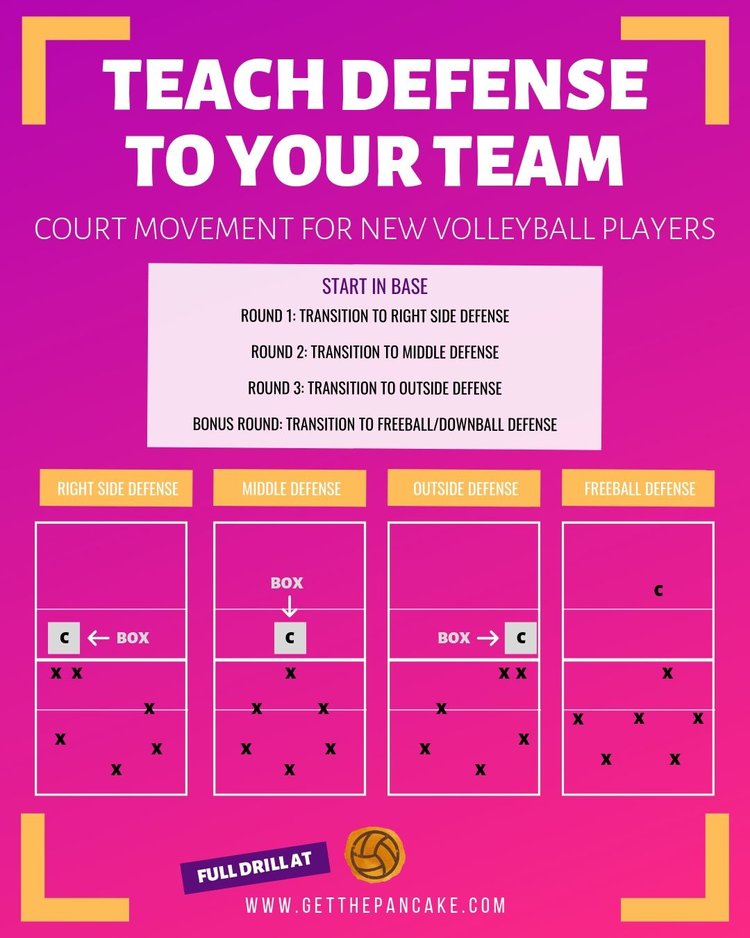
Identifying attack patterns helps you predict the opponent’s next move. Each team has tendencies and preferred plays. Some teams favor quick attacks, while others rely on high sets. Watch their previous plays to spot these patterns.
Take note of the setter’s habits. Do they often set to the outside hitter? Or do they mix up their plays? Understanding these patterns allows you to position yourself more effectively. Communicate with your teammates about what you observe. Sharing this information can improve the entire team’s defense.
Credit: getthepancake.com
Digging Techniques
Digging is crucial for effective back row defense in volleyball. It involves stopping the ball from hitting the floor after an opponent’s attack. Mastering digging techniques improves your ability to keep the ball in play.
Forearm Pass
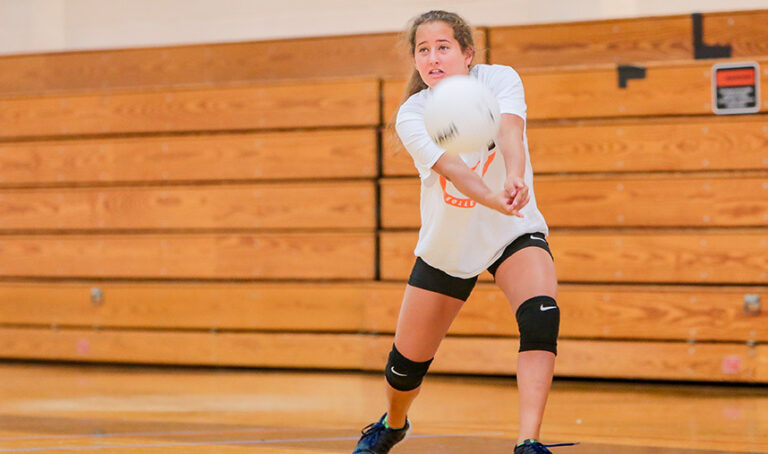
The forearm pass, or bump, is fundamental in volleyball defense. Position yourself with knees bent and feet shoulder-width apart. Hold your arms out straight, keeping them together. Use the flat part of your forearms to contact the ball. Direct the ball by angling your arms and adjusting your body position.
Keep your eyes on the ball at all times. Move your feet quickly to get into position. Remember to stay low and be ready to move in any direction. Practice these steps to improve your forearm passing skills.
Overhand Dig
The overhand dig is another essential technique. This method is useful for high-speed attacks. Start with your hands above your head. Keep your fingers spread and elbows slightly bent. Use your palms to direct the ball upward.
Maintain a stable stance and be ready to move. Watch the ball and anticipate its path. Practice reacting quickly to different types of attacks. The overhand dig helps in controlling powerful hits and keeping the ball in play.
Both the forearm pass and overhand dig are vital for a solid back row defense. Regular practice will improve your digging skills and overall game performance.
Communication Strategies
Playing defense in the back row of a volleyball game can be intense. One of the most important skills to master is communication. Without effective communication, the team can quickly fall apart. Here, we’ll discuss some key communication strategies to help you and your teammates stay in sync.
Calling The Ball
When it comes to calling the ball, clarity is key. Every player on the court should know exactly who is going for the ball. This avoids confusion and ensures that someone is always ready to make the play. Here are some tips:
- Be loud and clear: Shouting “Mine!” or “Got it!” helps everyone know your intentions.
- Use names: If you see a teammate going for the ball, call out their name to confirm they’re on it.
- Repeat if necessary: If you’re not heard the first time, don’t hesitate to call out again.
Remember, a quiet court is a losing court. Make sure your voice is heard to keep the team coordinated.
Supporting Teammates
Supporting your teammates isn’t just about encouraging words; it’s about being there for them when they need it. Here are some ways to provide support:
- Covering gaps: If a teammate dives for a ball, be ready to cover the space they leave behind.
- Offering directions: Sometimes, a player may not see the whole court. Give quick, clear directions like “Left!” or “Deep!”
- Positive reinforcement: After a play, whether successful or not, offer a quick high-five or a “Nice try!” to keep morale high.
These small actions go a long way in building trust and ensuring that everyone feels supported on the court.
In conclusion, effective communication can be the difference between a well-coordinated defense and a chaotic scramble. By calling the ball clearly and supporting your teammates, you’ll help create a solid back row defense. Remember, volleyball is as much about teamwork as it is about individual skill. So, speak up and play your part!
Drills For Improvement
Improving your back row defense in volleyball requires focused practice. Drills help players react swiftly and cover the court effectively. This section covers key drills to enhance your skills.
Reaction Drills
Reaction drills sharpen your reflexes. Stand with a partner who tosses balls randomly. Focus on quick movements to the ball. This improves your reaction time and agility.
Another drill involves a coach or teammate hitting balls at various speeds. Reacting to fast and slow balls trains your eyes and feet. It helps you stay alert and ready.
Coverage Drills
Coverage drills ensure you can cover different areas of the court. One common drill is the “shadow drill.” Move to different court spots as a coach points to them. This helps you learn proper positioning.
Another useful drill is the “triangle drill.” Set up three markers forming a triangle. Move quickly between the markers, simulating different play scenarios. This improves your court coverage and footwork.
Incorporate these drills into your practice routine. They will help you become a better back row defender.
Common Mistakes
Playing back row defense in volleyball requires skill and awareness. Many players make common mistakes that can be avoided with practice. Understanding these mistakes can help improve your game.
Poor Positioning
Poor positioning is a frequent issue in back row defense. Players often stand too far forward or backward. This makes it hard to react to the ball. The correct stance is crucial. Bend your knees slightly. Keep your weight on the balls of your feet. This stance will help you move quickly in any direction.
Another positioning mistake is not staying low. A high stance reduces your ability to dive for low balls. Stay low and be ready to move. Watch the hitter’s body language. Anticipate where the ball will go. This will improve your positioning and your chances of making a good play.
Lack Of Communication
Lack of communication is another common mistake. In volleyball, every player must communicate. Calling out “mine” or “yours” can prevent confusion. Silence leads to missed opportunities. Speak up and let your teammates know your intentions.
Communication is not just about calling the ball. Talk about positioning and strategy during the game. Let your teammates know if you see a pattern in the opponent’s play. This information is valuable. It helps the team to adjust and defend better.
Remember, good communication builds trust. It makes the team stronger. So, always keep talking and listening.
Advanced Tips
Playing back row defense in volleyball requires advanced techniques and sharp instincts. Improving these skills can elevate your game and make you a valuable asset. Here are some advanced tips to enhance your back row defense.
Adjusting To Different Opponents
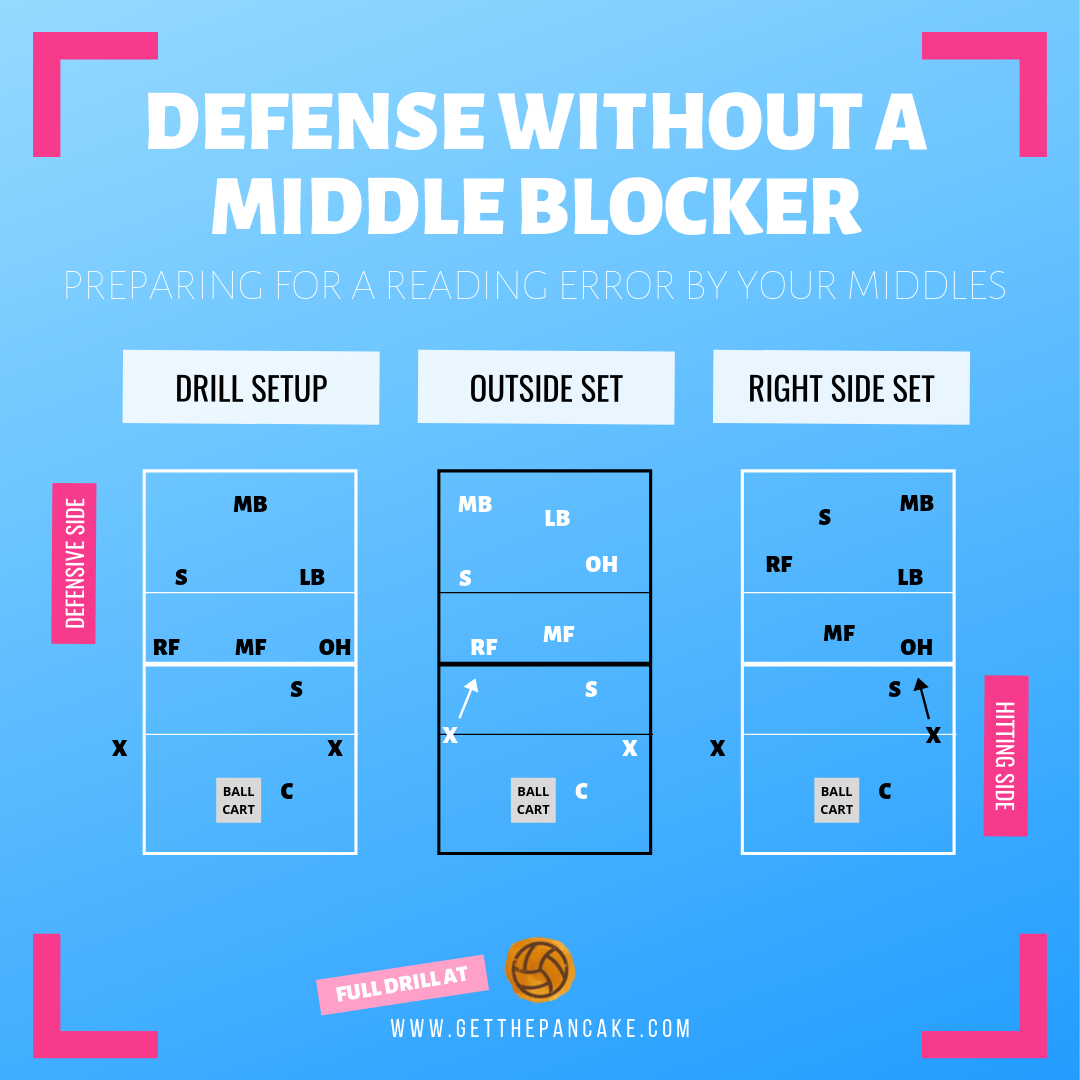
Each opponent has unique playing styles and strategies. Recognizing these patterns quickly is crucial. Observe their hitting angles and shot preferences. Adapt your positioning to counter their strengths. Stay on your toes and be ready to shift as the play develops. This flexibility can make a significant difference in your defensive effectiveness.
Staying Mentally Focused
Mental focus is key in back row defense. Concentrate on the ball and anticipate the opponent’s moves. Stay present and avoid distractions. Practice mindfulness techniques to keep your mind sharp during the game. Remember, a clear and focused mind leads to quicker reactions and better decisions.
Credit: getthepancake.com
Frequently Asked Questions
How To Play Back Row In Volleyball?
Play back row in volleyball by focusing on defense, receiving serves, and setting up attacks. Stay alert, communicate, and move quickly.
What Is The Back Row Defensive Position In Volleyball?
The back row defensive position in volleyball includes the libero, who specializes in defensive skills and receives serves.
How To Do A Backset In Volleyball?
To do a backset in volleyball, face forward, bend your knees, and position your hands above your head. Push the ball backward with your fingers while extending your arms. Ensure accurate aim by following through with your hands. Practice to improve precision and control.
Can A Back Row Player Block In Volleyball?
No, a back row player cannot block in volleyball. Only front row players can legally block at the net.
Conclusion
Playing back row defense in volleyball takes practice and patience. Focus on positioning and quick reactions. Communicate with teammates to cover the court effectively. Stay low and be ready to move fast. Remember, consistency is key. Keep practicing these tips, and you’ll improve over time.
Enjoy the game and have fun while learning!