How Tall Are Opposite Hitters In Volleyball: Key Height Facts

Opposite hitters in volleyball are usually quite tall. Their height helps them excel at blocking and attacking.
In volleyball, each player has a specific role. Opposite hitters play a crucial part in both offense and defense. Their height gives them an edge in reaching higher to spike the ball and block opponents’ shots. This position demands a mix of strength, agility, and, notably, height.
Understanding the typical height range for opposite hitters can offer insights into what makes them successful on the court. Whether you are a player aiming to improve or a fan curious about the game, knowing this can deepen your appreciation for the sport. Let’s explore the height dynamics of opposite hitters in volleyball.
Introduction To Opposite Hitters
Volleyball is a dynamic sport that combines power, agility, and strategy. Each player has a specific role that contributes to the team’s success. One key position is the opposite hitter. This position is crucial to a well-rounded team. But what does an opposite hitter do? Let’s dive in.
Role In Volleyball
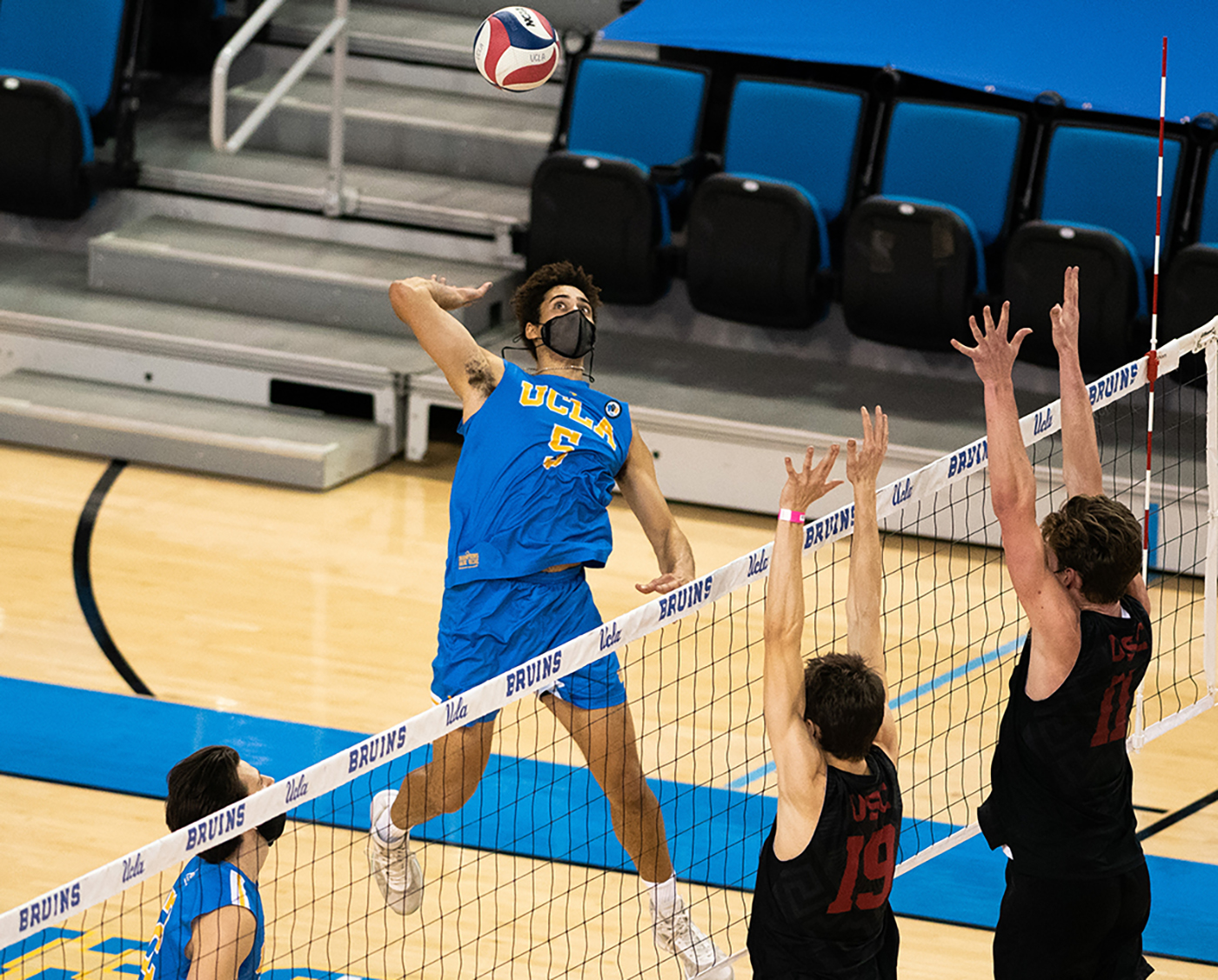
The opposite hitter is a versatile player. They are positioned opposite the setter. This allows them to attack from the right side. They also block the opponent’s outside hitter. Besides attacking, opposite hitters defend. They cover the back row and pass the ball. Their role combines both offense and defense. This makes them essential in every match.
Importance Of Height
Height is a significant factor for opposite hitters. Taller players have a distinct advantage. They can reach higher and block more effectively. A higher reach means stronger and more challenging attacks. Taller players intimidate the opponents. Their presence is a psychological advantage.
Most top opposite hitters are above 6 feet tall. This height gives them the leverage needed. It ensures they can perform at the highest level. Teams often look for tall players for this position. Height is not the only factor, but it is a critical one. Skill and agility complement their stature, making them formidable players.

Credit: volleyballblaze.com
Average Height Statistics
When discussing volleyball, the height of opposite hitters is often a topic of interest. Their height can impact their performance and how they play the game. Let’s explore the average height statistics for both male and female opposite hitters in volleyball.
Male Opposite Hitters
Male opposite hitters usually stand between 6’3″ and 6’8″ tall. This height range allows them to block effectively at the net. It also helps them deliver powerful spikes. Taller players often have a reach advantage. This can be crucial during high-stakes matches. Consistency in height can be seen among professional players. It is rare to find male opposite hitters below 6’2″ in top leagues.
Female Opposite Hitters
Female opposite hitters generally have an average height of 5’11” to 6’4″. This range helps them perform well in both offense and defense. Height is a significant factor in their ability to spike over blockers. It also aids in setting up strong defensive plays. Players at this height can cover more ground. They can also reach higher, making them valuable team members. The majority of professional female opposite hitters fall within this height range.
Height Advantages
Hey friends, today we’ll talk about how tall opposite hitters in volleyball have some cool advantages. Height can make a big difference in the game. Let’s dive into two main benefits: blocking efficiency and hitting power.
Blocking Efficiency
Blocking is super important in volleyball. When you’re tall, you can reach higher, right? This gives you an edge in blocking shots from the other team.
- Reach: Taller players can extend their arms higher, blocking more shots.
- Timing: Tall players can better time their blocks, making it harder for the opponent to score.
- Coverage: With long arms, they can cover more space at the net.
I remember a game where our tallest player blocked almost every shot. It was like having a wall at the net! That’s the kind of impact height can have.
Hitting Power
Now, let’s talk about hitting power. Taller players can hit the ball from a higher point. This means more power and better angles.
- High Contact: They can hit the ball at a higher point, making it harder for defenders to react.
- Downward Angle: They can spike the ball at a steep angle, making it tough to defend.
- Momentum: More height often means more momentum, leading to stronger hits.
Think of a tall tree falling. The higher it is, the stronger the impact when it hits the ground. That’s similar to how taller players can hit with more force.
So, in volleyball, being tall as an opposite hitter is a big advantage. It helps with blocking and hitting, making you a key player on the court. Remember, height isn’t everything, but it sure helps!

Credit: www.gobigrecruiting.com
Height Challenges
Height plays a crucial role for opposite hitters in volleyball. Tall players often dominate the net and deliver powerful spikes. But height brings its own set of challenges. Let’s explore some of them.
Mobility Issues
Height can affect agility and quick movements. Taller players may struggle with swift lateral movements. This can hinder their performance on the court. They must work harder on agility drills.
Coaches often emphasize balance and coordination exercises. This helps mitigate mobility issues. It is crucial for maintaining peak performance.
Injury Risks
Taller players face higher injury risks. Their long limbs are more prone to strains and sprains. Knee and lower back issues are common. This can be due to the increased stress on joints.
Proper warm-ups and strength training are essential. These help reduce injury risks. Regular physiotherapy can also be beneficial. It ensures players remain fit and healthy throughout the season.
Notable Tall Opposite Hitters
Hey friends! Today, let’s dive into the world of volleyball, focusing on some of the tallest opposite hitters in the game. These players are not just tall; they are also exceptionally skilled and have made significant contributions to their teams. Let’s explore some of the famous male and female players who stand out not just for their height, but also for their talent.
Famous Male Players
When it comes to male opposite hitters, several names come to mind. These players have used their height to dominate the court and deliver powerful spikes.
- Maxim Mikhaylov – Standing tall at 6 feet 8 inches, Maxim is a powerhouse. His height gives him an incredible reach, making it difficult for opponents to block his spikes.
- Ivan Zaytsev – Known as the “Italian Stallion,” Ivan is 6 feet 8 inches tall. His height, combined with his agility, makes him a formidable force on the court.
- Dmitry Muserskiy – A giant in the volleyball world, Dmitry stands at 7 feet 2 inches. His towering presence is intimidating, and his skills are unmatched.
Famous Female Players
Now, let’s talk about some of the tallest female opposite hitters who have made waves in volleyball. These women are not only tall but also incredibly talented and dedicated to the sport.
- Ekaterina Gamova – At 6 feet 8 inches, Ekaterina is one of the tallest female volleyball players. Her height gives her a significant advantage when it comes to spiking and blocking.
- Paola Egonu – Standing at 6 feet 4 inches, Paola is known for her powerful spikes and impressive vertical jump. She is a key player for her team.
- Yekaterina Kosianenko – Another tall player, Yekaterina is 6 feet 6 inches. Her height helps her dominate the net and deliver strong attacks.
These notable tall opposite hitters are proof that height can be a significant advantage in volleyball. But remember, it’s not just about being tall; it’s also about skill, dedication, and passion for the game. So, whether you’re tall or not, keep practicing and honing your skills. Who knows? You might become the next big name in volleyball!
Credit: dailybruin.com
Training And Conditioning
Opposite hitters in volleyball have a unique role. Their training and conditioning differ from other players. They need strength, agility, and quick reflexes. Let’s dive into the essential exercises that help opposite hitters excel.
Strength Exercises
Strength is vital for opposite hitters. They need powerful arms and legs. Squats and lunges build leg strength. These exercises help with jumping and stability. Arm strength is equally important. Push-ups and bench presses build upper body power. Consistent strength training improves performance on the court.
Agility Drills
Agility is crucial for opposite hitters. They need to move quickly and change direction fast. Ladder drills enhance footwork and speed. Cone drills improve quick direction changes. Both are easy to set up and practice. Regular agility drills increase on-court efficiency.
Height Variations Across Regions
Hey friends, today we are diving into the world of volleyball. Specifically, we’re talking about opposite hitters and their height. You might be wondering, do players from different regions have different heights? The answer is yes, and it’s quite interesting! Let’s explore how the height of opposite hitters varies across different regions.
European Players
In Europe, volleyball is a big deal. Many top players come from countries like Italy, Russia, and Poland. Opposite hitters in these countries are known for their impressive height.
Here’s a quick look at some key stats:
| Country | Average Height (cm) |
|---|---|
| Italy | 200 |
| Russia | 205 |
| Poland | 202 |
Why so tall? Well, height is a major advantage in volleyball. Taller players can hit the ball from a higher point. They can also block opponents more effectively.
I recently watched a game between Italy and Russia. The players were giants! It was exciting to see such tall athletes jump and spike the ball with incredible power.
Asian Players
Now, let’s move to Asia. Volleyball is also popular here, especially in countries like Japan, China, and South Korea. Opposite hitters in Asia might not be as tall as their European counterparts, but they have their own strengths.
Here’s a quick comparison:
| Country | Average Height (cm) |
|---|---|
| Japan | 190 |
| China | 195 |
| South Korea | 188 |
You might think, “Why are they shorter?” Well, it’s partly genetics. But don’t be fooled by height alone. These players are quick, agile, and have amazing technique. They can outsmart taller players with their speed and precision.
I remember watching a match where a Japanese player, despite being shorter, was all over the court. His agility was something to behold. He made some incredible plays that left the audience in awe.
So, height does vary across regions. But remember, volleyball is not just about height. Skill, strategy, and teamwork are equally important. Whether they are tall or short, opposite hitters from all regions bring their own unique style to the game. And that’s what makes volleyball so exciting to watch!
Future Trends
Hey friends, ever wondered about the future of opposite hitters in volleyball? Well, there’s a lot to think about. From how tall they’ll be to how their height will affect game strategies, the future looks interesting. Let’s dive into some predictions and impacts that could shape the game in the coming years.
Height Predictions
So, how tall will opposite hitters be in the future? This is a question many volleyball enthusiasts ask. Currently, the average height for these players is around 6 feet 6 inches. But what about five or ten years from now?
According to some experts, we might see opposite hitters getting even taller. Maybe by a couple of inches. It might not sound like much, but in volleyball, every inch counts.
Here’s a simple table to show you the possible height changes:
| Year | Average Height |
|---|---|
| 2023 | 6’6″ |
| 2028 | 6’7″ |
| 2033 | 6’8″ |
These predictions are based on current trends and improvements in training and nutrition. So, taller players could become the norm.
Impact On Game Strategy
Now, let’s talk about how these height changes could impact the game strategy. A taller opposite hitter means a stronger attack. They can reach higher and hit harder. This could change how teams plan their games.
Here are a few ways game strategy might change:
- Blocking: Taller players mean better blocking. Teams could focus more on blocking techniques.
- Serving: Height can also affect serving. Taller players can serve from a higher point, making it harder for opponents to receive.
- Defense: With stronger attacks, defenses need to get smarter. Positioning and quick reflexes will be key.
Think about it. If you have a player who can hit the ball from a higher point, the opposing team needs to adjust their defense. This could make the game more exciting and challenging.
In my own experience, playing against taller players always required a different approach. You have to be quick, anticipate their moves, and sometimes change your tactics on the fly.
The good news? These changes could make volleyball even more thrilling to watch and play. So, keep an eye on those opposite hitters. They might just surprise you with how high they can go!
Frequently Asked Questions
How Tall Are Hitters In Volleyball?
Hitters in volleyball typically range from 6 feet to 6 feet 8 inches tall. This height aids in spiking and blocking.
Is Opposite Hitter A Good Position In Volleyball?
Yes, the opposite hitter is a crucial position in volleyball. They need strong attacking and blocking skills, contributing significantly to the team’s success.
What Is The Height Requirement For A D1 Libero?
There is no specific height requirement for a D1 libero. Skills and performance are more important.
Is 5’7″ Tall For Volleyball?
5’7″ is considered average for volleyball. Players can excel with strong skills and athleticism regardless of height.
Conclusion
Opposite hitters in volleyball have varying heights. Taller players often have advantages. They can reach higher and block better. But shorter players can excel too. Skills, speed, and strategy matter most. Coaches look at overall performance. Height is one part of the game.
Both tall and shorter players can succeed. Focus on improving your skills. Train hard and stay dedicated. Every player can make a difference.