Grass Volleyball Court Dimensions: Essential Guide for Players

Grass volleyball is a fun, outdoor activity. It combines skill and strategy.
Understanding grass volleyball court dimensions is vital for fair play. A grass volleyball court offers a unique playing experience compared to indoor courts. It provides a natural surface, which affects movement and ball behavior. Knowing the exact dimensions ensures proper setup, promoting competitive and enjoyable games.
Whether you’re setting up a casual backyard game or organizing a local tournament, accurate measurements are key. In this post, we’ll explore the standard dimensions for a grass volleyball court. This will help you create a perfect playing area, ensuring everyone has a great time. Let’s dive into the details to make your grass volleyball games the best they can be!
Introduction To Grass Volleyball Courts
Grass volleyball courts have specific dimensions. The standard court size is 60 feet by 30 feet. This provides ample space for competitive play.
Hey friends, today we’re going to dive into something really fun – grass volleyball courts. If you love volleyball and spending time outdoors, this is for you. Grass volleyball courts are a fantastic way to enjoy the game in a more natural setting. Let’s get started with the basics and see why this sport is growing in popularity.What Is Grass Volleyball?
Grass volleyball is just like regular volleyball, but played on a grass surface. Imagine a sunny day, fresh grass under your feet, and the thrill of the game. It’s a wonderful experience. The court dimensions are similar to indoor volleyball, but the setting makes it unique. – Court Size: The court is 16 meters long and 8 meters wide. – Net Height: For men, the net is set at 2.43 meters. For women, it’s slightly lower at 2.24 meters. – Lines: Boundary lines should be clearly marked, usually with tape or chalk. Playing on grass is different from indoor or beach volleyball. The grass is softer and can cushion falls, making it safer for beginners.Popularity And Growth
Grass volleyball is becoming more popular every year. Why? Because it’s easy to set up and fun to play. Here are a few reasons for its growth: – Accessibility: You don’t need a special court. Any open grassy field can become a volleyball court. – Cost: It’s cheaper than maintaining an indoor court. All you need is a net, a ball, and some friends. – Community: Grass volleyball events bring people together. Whether it’s a local tournament or just a weekend game, it builds friendships. I recently joined a local grass volleyball game in my neighborhood. The good news? It was so easy to get started. Just a few friends, a net, and we were ready to go. The best part? Everyone had a blast, regardless of skill level. Grass volleyball is growing fast. More schools and communities are setting up courts. More people are playing. The good news? You can be part of this fun, growing sport. Enjoy the game, and don’t forget to have fun! “`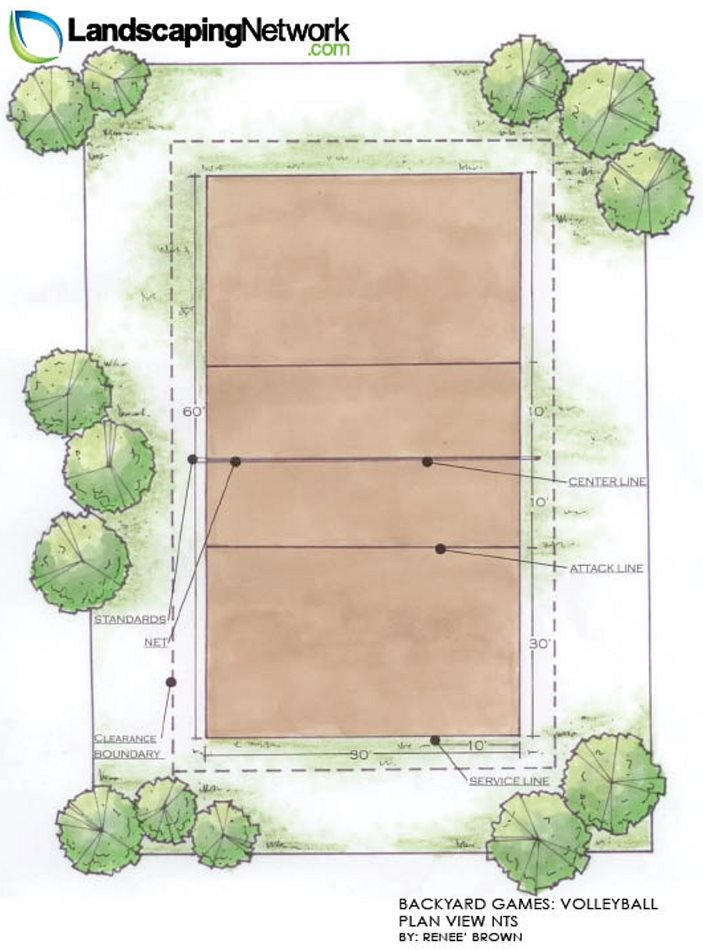
Credit: www.landscapingnetwork.com
Court Size And Layout
Hey friends, today we are diving into the basics of grass volleyball court dimensions. If you’re setting up a grass volleyball court, knowing the right size and layout is key. Trust me, getting this right will make your games more fun and fair. Ready? Let’s get started!
Standard Dimensions
The standard dimensions for a grass volleyball court are straightforward. Imagine a rectangle. The court should be 16 meters long and 8 meters wide. This size is perfect for both casual and competitive play. It’s not too big, so you won’t get tired quickly. But it’s also not too small, so you have enough space to show off your skills.
| Dimension | Measurement |
|---|---|
| Length | 16 meters |
| Width | 8 meters |
Boundary Lines
Now, let’s talk about the boundary lines. These lines are super important because they show the players where the court ends. If the ball lands outside these lines, it’s out of play.
Here’s a simple breakdown:
- End Lines: These run across the width of the court at the ends. They are 8 meters long.
- Side Lines: These run along the length of the court. They are 16 meters long.
- Center Line: This line divides the court into two equal halves. It runs parallel to the end lines.
When setting up your court, make sure the lines are clear. You can use tape or chalk. My friend once used flour, which worked well until it rained!
And there you have it! The basic dimensions and layout of a grass volleyball court. Now go out there and enjoy your game!
Net Height And Specifications
The net height is crucial for grass volleyball. It ensures fair play and follows official rules. This section covers the standard net heights for men and women. Knowing these specifications helps set up a proper court.
Men’s Net Height
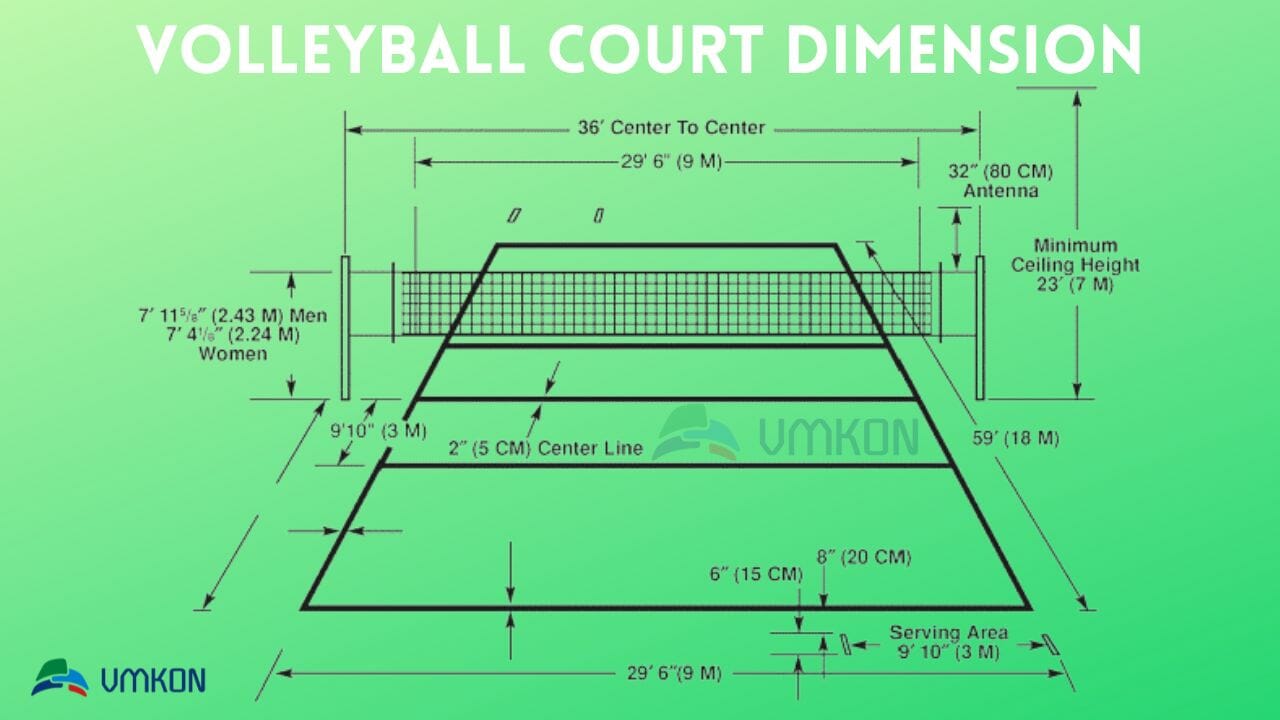
For men’s grass volleyball, the net height is set at 2.43 meters. This height challenges players and suits their physical capabilities. It maintains the competitive spirit of the game.
Women’s Net Height
For women’s grass volleyball, the net height is slightly lower. It is set at 2.24 meters. This adjustment accounts for average height differences and ensures fair play. Players can enjoy a balanced and exciting game.
Surface Preparation
Preparing the surface for a grass volleyball court is crucial. A well-prepared surface ensures player safety and game enjoyment. Let’s dive into the key aspects.
Grass Type And Maintenance
Choosing the right grass type is essential. Bermuda grass is popular for its durability. It withstands heavy traffic and recovers quickly. Another option is Kentucky Bluegrass. It’s known for its lush appearance. However, it requires more maintenance.
Maintaining the grass is important. Regular mowing keeps it at the ideal height. The recommended height is 1-2 inches. This height provides good cushioning and playability. Watering the grass deeply encourages deep root growth. Deep roots make the grass more resilient.
Leveling The Field
A level field is critical for volleyball. Uneven surfaces can cause injuries. Start by removing any debris. Rocks, branches, and other objects should be cleared. Next, use a lawn roller to flatten the ground. A heavy roller works best for this task.
Check the field for any low or high spots. Fill low spots with topsoil. Rake the soil to spread it evenly. Then, compact the soil with the roller again. Repeat this process until the field is level. This ensures a safe and enjoyable playing area.
Marking The Court
Hey friends, today we’re diving into marking a grass volleyball court. Whether you’re setting up for a friendly match or a local tournament, having clear and precise lines is crucial. We’ll break down the process into simple steps. Ready to get started? Let’s go!
Boundary Marking Techniques
Marking the boundaries of your grass volleyball court is key to a fair game. There are a few techniques to make this easy and efficient.
- String and Stakes: One common method is using string and stakes. Simply outline the court dimensions with string, securing it with stakes. This method is quick and easy.
- Paint: Another option is using paint. Specially formulated grass paint can create clear, visible lines. This is a more permanent solution.
- Chalk: For a temporary option, chalk works well. It’s great for a one-day event or practice session.
Each technique has its pros and cons. Think about what works best for your needs and the duration of your game.
Using Temporary And Permanent Lines
Now, let’s talk about the difference between temporary and permanent lines. Both have their place in marking a grass volleyball court.
- Ideal for short-term use: Temporary lines are great for practices, one-day tournaments, or casual games.
- Easy to set up: They can be quickly laid out and removed without much hassle.
- Versatile: Options like string and chalk are adjustable and can be moved easily.
- Best for long-term use: If your court is in regular use, permanent lines are the way to go.
- Durable: Paint or other permanent markers stay put, even with frequent play.
- Professional look: They give your court a polished, professional appearance.
When I set up my first grass volleyball court, I used string and stakes. It was a quick solution for a weekend game. Later, I switched to paint for a more permanent setup. Both methods worked well, depending on my needs at the time.
Remember, the key to a great game is clear, visible lines. Choose the method that fits your situation and get ready for some fun on the court!
So, which method will you choose for marking your grass volleyball court? Let us know in the comments below!
Credit: vmkonsport.com
Equipment And Gear
Playing grass volleyball requires specific equipment and gear to ensure a fun and fair game. This gear makes setting up the court easier and helps players perform their best. Let’s explore the essential equipment and optional accessories for grass volleyball.
Essential Equipment
The first essential item is a volleyball net. The net should be sturdy and adjustable to accommodate different heights. A good quality net ensures the game runs smoothly.
Next, you need a grass volleyball. This ball is designed for outdoor play, offering better grip and durability. It should be easy to handle and visible on the grassy court.
Boundary lines are also crucial. They define the playing area and help avoid disputes. Use bright-colored lines for better visibility on the grass.
Stakes and ropes are necessary to secure the net. They keep the net taut and stable, preventing it from falling during play. Make sure the stakes are firmly anchored into the ground.
Optional Accessories
For added comfort, consider a portable bench or chairs. These provide seating for players and spectators during breaks.
A scoreboard can be useful to keep track of scores. It helps both players and spectators stay engaged in the game.
Another handy accessory is a ball pump. This ensures the volleyball remains properly inflated throughout the game.
Finally, a carrying bag for your equipment can be very convenient. It helps you transport and store all your gear easily.
Safety Considerations
When setting up a grass volleyball court, it’s essential to keep safety top of mind. Ensuring the safety of players helps prevent injuries and makes the game more enjoyable for everyone. Let’s dive into some key safety considerations, focusing on Injury Prevention and Weather Conditions.
Injury Prevention
Playing volleyball on grass can be fun, but it’s important to take steps to prevent injuries. Here’s what you can do:
- Check the ground: Make sure the playing surface is even. Remove rocks, sticks, and other debris that could cause trips or falls.
- Proper footwear: Wear shoes that provide good grip and support. Avoid playing barefoot to reduce the risk of cuts and bruises.
- Warm-up and cool down: Encourage players to stretch before and after games. This helps prevent muscle strains and other injuries.
- Hydration: Keep plenty of water on hand. Staying hydrated helps maintain energy levels and prevents cramps.
Weather Conditions
Weather can play a big role in the safety of your grass volleyball court. Here are some tips to consider:
- Rain: Wet grass can be slippery. If it’s raining or the ground is wet, it might be best to postpone the game to avoid falls.
- Sun: Playing in direct sunlight can lead to heat exhaustion. Schedule games in the early morning or late afternoon. Provide shade and encourage players to wear sunscreen.
- Wind: Strong winds can make it difficult to control the ball. If it’s too windy, consider rescheduling the game.
Keeping these safety considerations in mind can help ensure that everyone has a good time while staying safe. I remember once playing a game on a slightly uneven patch of grass. One of our team members tripped on a hidden root and twisted their ankle. Ever since then, I’ve been extra careful to check the ground before starting a game. Simple precautions can make a big difference.
Tips For Players
Playing on a grass volleyball court can be a unique experience. The natural surface offers different challenges compared to indoor courts. Here are some tips for players to improve their game on grass courts.
Improving Performance
Understanding the dimensions of a grass volleyball court helps with positioning. The court is typically 16 meters long and 8 meters wide. Knowing where to stand and move can improve your performance.
Footwork is crucial on grass. The uneven surface requires quick and stable movements. Practice agility drills to enhance your footwork.
Communication with teammates is key. Clear and loud calls help avoid confusion during plays.
Common Mistakes
A common mistake is underestimating the impact of the grass surface. Grass can be slippery or uneven. Wear appropriate footwear for better traction.
Another mistake is neglecting to warm up. Grass courts can be hard on muscles. Always warm up to prevent injuries.
Many players forget to adjust their playing style. The ball behaves differently on grass. Adapt your strategy to suit the surface.
Credit: www.landscapingnetwork.com
Frequently Asked Questions
What Size Is A 2v2 Beach Volleyball Court?
A 2v2 beach volleyball court measures 16 meters long and 8 meters wide. The court is smaller than indoor courts.
What Is Volleyball Court Size?
A volleyball court measures 18 meters long and 9 meters wide. The net height is 2. 43 meters for men and 2. 24 meters for women.
What Is The Size Of Ncaa Volleyball Court?
The size of an NCAA volleyball court is 18 meters long and 9 meters wide. The attack line is 3 meters from the net.
What Is The Height Of The Grass Net In Volleyball?
The height of the grass net in volleyball is 7 feet 11 5/8 inches (2. 43 meters) for men and 7 feet 4 1/8 inches (2. 24 meters) for women.
Conclusion
Understanding grass volleyball court dimensions helps create the perfect playing area. Proper measurements ensure a fair and enjoyable game. Keep the court well-maintained for the best experience. Knowing the dimensions also aids in setting up the net correctly. This knowledge benefits both casual and competitive players.
Enjoy your time on the grass court, and remember, practice makes perfect. Happy playing!