Is Volleyball Hard? Uncover the Challenges and Skills Required

Volleyball can be challenging. It requires skill, teamwork, and quick reflexes.
For those new to the sport, it might seem difficult at first. Volleyball involves various physical and mental demands. Players must master techniques like serving, spiking, and blocking. Coordination and communication with teammates are crucial. Plus, the fast-paced nature of the game tests agility and endurance.
Beginners often struggle with these aspects, but practice and dedication make a difference. Understanding the sport’s complexity can help overcome initial hurdles. This blog will explore the difficulties players face in volleyball and offer insights into how to tackle them effectively. Whether you’re a novice or looking to improve, you’ll find valuable tips and encouragement here.
Credit: provolleyballshorts.com
Introduction To Volleyball
Hey friends, today let’s dive into the world of volleyball. Whether you’re a sports enthusiast or a curious learner, understanding the basics of volleyball can be both fun and rewarding. Let’s get started!
Brief History
Volleyball is a fascinating sport with a rich history. It was invented in 1895 by William G. Morgan. He was a YMCA physical education director who wanted to create a game for his classes. He combined elements of basketball, baseball, tennis, and handball to create what we know today as volleyball.
In the beginning, volleyball was called “Mintonette.” The name didn’t stick for long. It was later changed to volleyball because the main action in the game is to “volley” the ball back and forth over the net.
Popularity And Growth
Over the years, volleyball has grown in popularity. It is now played all over the world. The game is easy to learn and can be played by people of all ages. This makes it a popular choice for schools, clubs, and recreational centers.
- Volleyball is an Olympic sport.
- There are professional leagues in many countries.
- Beach volleyball is also very popular.
One reason for volleyball’s growth is its simplicity. You don’t need much equipment. Just a ball, a net, and a few friends. This makes it accessible to many people.
So, is volleyball hard? It can be challenging, but it’s also a lot of fun. With some practice and a good team spirit, anyone can enjoy this exciting sport!

Credit: blog.seas.upenn.edu
Basic Rules Of The Game
Understanding the basic rules of volleyball can make the game more enjoyable. Knowing the rules helps players and fans appreciate the sport better. Here, we will cover some fundamental aspects of volleyball.
Court Dimensions
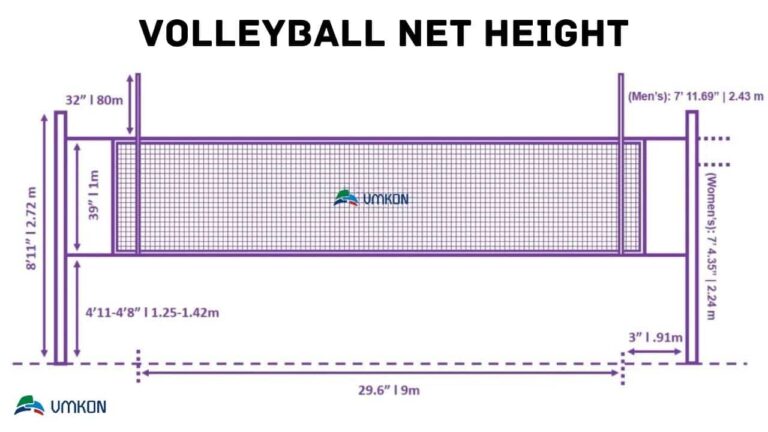
The volleyball court is rectangular. It measures 18 meters long and 9 meters wide. A net divides the court into two equal halves. The net height varies for men and women. For men, it is 2.43 meters high. For women, it is 2.24 meters high. The court also has attack lines. These lines are 3 meters from the net on each side. The attack lines mark the front and back court areas.
Scoring System
Volleyball uses a rally scoring system. Each rally results in a point for one team. A team scores a point if the ball lands in the opponent’s court. They also score if the opponent makes a fault. Matches are usually best of five sets. A set is won by the first team to reach 25 points. They must win by at least 2 points. The fifth set, if needed, is played to 15 points. The same 2-point margin rule applies.
Physical Demands
Hey friends, today we’re diving into the world of volleyball. You might be wondering, “Is volleyball hard?” Well, let’s talk about the physical demands. Volleyball isn’t just about hitting a ball over a net. It requires a lot of physical effort. Let’s break it down with some specific aspects.
Endurance
First up, endurance. Volleyball players need to have stamina to keep up with the game. Matches can be long and intense. Think of it like running a marathon, but with breaks in between.
- Constant movement on the court
- Quick sprints to reach the ball
- Jumping and diving
All this means players need to be in great shape. They need to practice running and other cardio exercises. This helps them stay strong throughout the game.
Strength And Power
Next, let’s talk about strength and power. Volleyball isn’t just about quick movements. It’s also about using your muscles.
- Jumping: Players need strong legs to jump high and block the ball.
- Hitting: Powerful arms are needed to hit the ball hard and score points.
- Serving: A strong serve can make it hard for the other team to return the ball.
I remember when I first started playing volleyball. My arms were sore from all the hitting. But with practice, my strength improved. The key is to keep working on your muscles.
So, is volleyball hard? Yes, it can be. The physical demands are high. But with the right training, anyone can improve. Remember, it’s about having fun too. Enjoy the game and keep practicing!
Technical Skills
Volleyball requires a range of technical skills that players must master. These skills are crucial for effective gameplay and teamwork. Let’s explore some of these essential skills, focusing on serving and passing.
Serving
Serving is the first action in a volleyball rally. A good serve can make a big difference. There are different types of serves: underhand, overhand, and jump serve. Each type has its own technique. The player must hit the ball with the right force and direction. This skill requires practice and focus. The goal is to make it difficult for the opponent to return the ball.
Passing
Passing is a critical skill in volleyball. It sets up the next move. Players use their forearms to hit the ball to a teammate. This is also known as a bump. Proper passing can lead to a good set and spike. Good passing requires coordination and communication. It is important to move quickly and get into the right position. Consistent practice improves accuracy and control.
Tactical Knowledge
Tactical knowledge plays a vital role in volleyball. Understanding strategies can boost performance and teamwork. Players need to know more than just physical skills. They must grasp the mental aspects of the game.
Team Strategies
Team strategies are essential in volleyball. Each team has a unique play style. Effective communication is key. Players must understand their roles. They need to execute plays with precision. A well-coordinated team can outmaneuver the opponent.
Rotations, formations, and set plays are crucial. These elements keep the team organized. They help in covering the court efficiently. Good strategies can create scoring opportunities. They also help in defending against powerful attacks.
Opponent Analysis
Analyzing opponents is a critical tactic. Players must study the other team’s strengths and weaknesses. Knowing the opponent’s tendencies can give an edge. This information helps in making quick decisions during the game.
Watching past games and noting key players is useful. It helps in predicting their moves. Coaches often prepare detailed reports. They guide players on how to counter specific threats. A well-prepared team can adapt and respond effectively.

Credit: medium.com
Mental Toughness
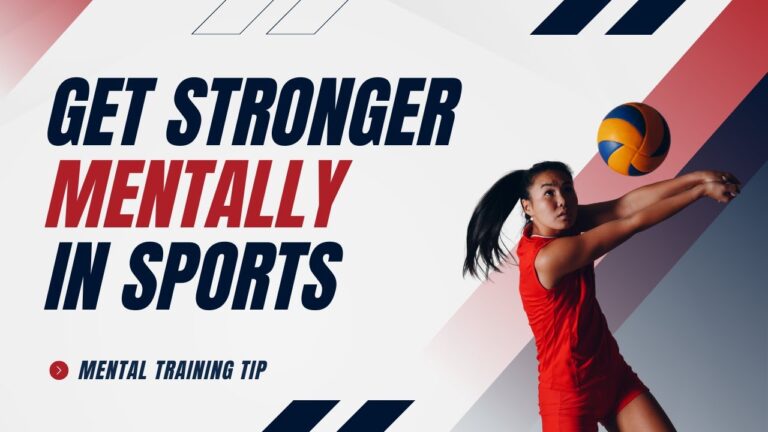
Mental toughness is key in volleyball. It separates good players from great ones. Volleyball is fast-paced. Players must stay focused even when tired. This requires strong mental skills. Let’s dive into two main aspects: concentration and resilience.
Concentration
Concentration is vital in volleyball. Players need to watch the ball closely. They must also be aware of their teammates and opponents. A slight distraction can lead to a missed point. Training helps improve this skill. Drills that mimic game situations are especially useful. Players also practice mindfulness. This helps them stay present during the game. Strong concentration leads to better performance.
Resilience
Volleyball can be tough. Players face setbacks and losses. Resilience helps them bounce back. It keeps them motivated. Developing resilience involves a positive mindset. Players learn from mistakes. They don’t dwell on them. They also support each other. This builds team spirit. Resilient players handle pressure well. They stay calm in tough situations. This makes them valuable assets to their team.
Training And Practice
Training and practice are the backbones of volleyball. Success in the sport requires dedication and consistent effort. Players must focus on various aspects to improve their skills. This section will discuss the key elements of training and practice in volleyball.
Drills
Drills are essential for skill development in volleyball. They help players perfect their techniques. Passing drills improve accuracy and control. Serving drills focus on power and precision. Blocking drills enhance timing and positioning. Repetition is key. Regular practice of these drills leads to better performance during games.
Conditioning
Conditioning is vital for volleyball players. It builds strength, endurance, and agility. Players need to be quick on their feet. Cardio exercises, like running, improve stamina. Strength training, such as weightlifting, boosts muscle power. Flexibility exercises, like stretching, prevent injuries. A well-conditioned player can maintain high performance throughout the match.
Common Challenges
Volleyball might seem like a fun and easy sport. Yet, it comes with its own set of challenges. From physical injuries to the complexity of team dynamics, players face many hurdles. Understanding these challenges can help you appreciate the sport better.
Injuries
Injuries are common in volleyball. Players frequently dive and jump. These actions can strain muscles and joints. Sprained ankles and shoulder pain are typical issues. Proper warm-up and stretching can help reduce these risks. But, even with precautions, injuries still occur.
Team Dynamics
Team dynamics play a crucial role in volleyball. Communication between players is vital. Misunderstandings can lead to lost points. Trust and coordination are essential for success. Each player must know their role well. Strong team dynamics can turn the tide of a game. Without it, even skilled teams may struggle.
Frequently Asked Questions
Is Volleyball An Easy Or Hard Sport?
Volleyball can be both easy and challenging. Basic skills are simple to learn, but mastering the game requires dedication and practice.
What Is The Hardest Thing In Volleyball?
Mastering the timing and technique for spiking is often the hardest thing in volleyball. It requires precision and power.
Is 13 Too Late To Start Volleyball?
No, 13 is not too late to start volleyball. Many players begin at this age and succeed.
Is Volleyball Hard On Your Body?
Volleyball can be tough on your body due to repetitive jumping and quick movements. Injuries like sprains, strains, and knee issues are common. Proper training and conditioning can help minimize these risks. Always warm up and cool down to protect your muscles and joints.
Conclusion
Volleyball can be challenging, but it’s rewarding. It tests your skills and teamwork. Practice and dedication make it easier over time. Enjoy the fun and energy of the game. Remember, every player was once a beginner. Keep playing and improving.
Volleyball’s joy is in the journey, not just winning.