Are Running Shoes Good For Volleyball: Pros and Cons Revealed

Running shoes are not ideal for volleyball. They lack necessary lateral support and grip.
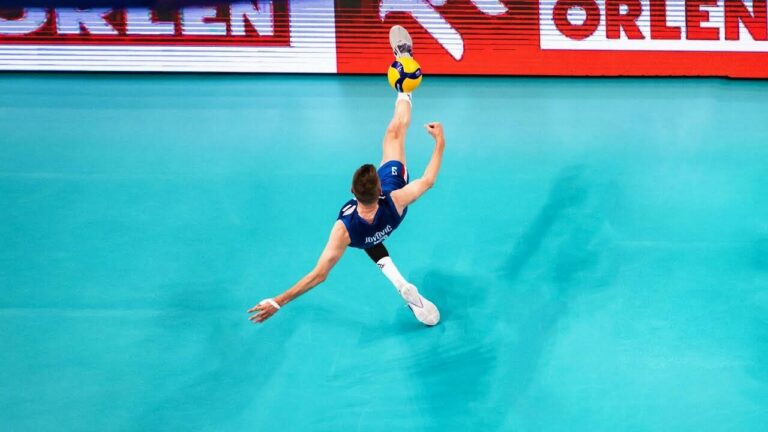
Volleyball asks your body to move in short bursts: lateral cuts, quick pivots, high jumps, and fast stops. Running shoes are built for forward motion and long strides. They prioritize cushioning and heel-to-toe transition, not side-to-side stability. Use the wrong shoe and you increase your risk of injury and lower your on-court performance. In this post I’ll explain why running shoes fall short for volleyball and why picking the right volleyball footwear matters.
I’ll also walk you through the key features to look for in volleyball shoes—traction, lateral support, cushioning for landing, durability, and fit—so you can stay safe and play your best. I write from both coaching and player experience, so expect practical tips you can use right away.
Introduction To Running Shoes For Volleyball
Running shoes provide good cushioning and forward support but lack the lateral stability volleyball needs. That mismatch can lead to slips, ankle sprains, and poorer court movement. For most players, volleyball-specific shoes are the safer, smarter choice.
Running shoes are engineered around repeated forward motion. They cushion the heel and support the heel-to-toe roll that runners rely on. Volleyball, however, is a stop-start sport. Players sprint short distances, cut laterally, land from jumps, and change direction in an instant. That difference raises a key question: are running shoes ever appropriate for volleyball? My short answer: sometimes for casual play or training, but rarely for matches or competitive play.
Purpose And Context
Every sport shoe is designed for a purpose. Running shoes protect feet from impact during long, straight runs. They reduce fatigue over miles. But that design focus—forward cushioning and a higher heel—can work against you on the volleyball court. Volleyball needs a low, stable base that supports lateral moves. If you wear running shoes for volleyball, the shoe’s structure may not help when you make quick side steps, block, or land from a spike.
Relevance To Volleyball Players
As someone who’s coached and played at different levels, I’ve seen how the right shoe affects performance and injury risk. Volleyball players need firm court traction, stable ankles, and cushioning that protects the knees on repeated landings. Running shoes can feel comfortable, but they often lack the grip and lateral reinforcement that reduce slips and twists. Proper volleyball shoes lower injury risk and let you move more confidently—important in both practice and games.
In short, running shoes and volleyball shoes serve different goals. Using running shoes for volleyball is a compromise. If you care about performance and injury prevention, choose footwear built for the court.
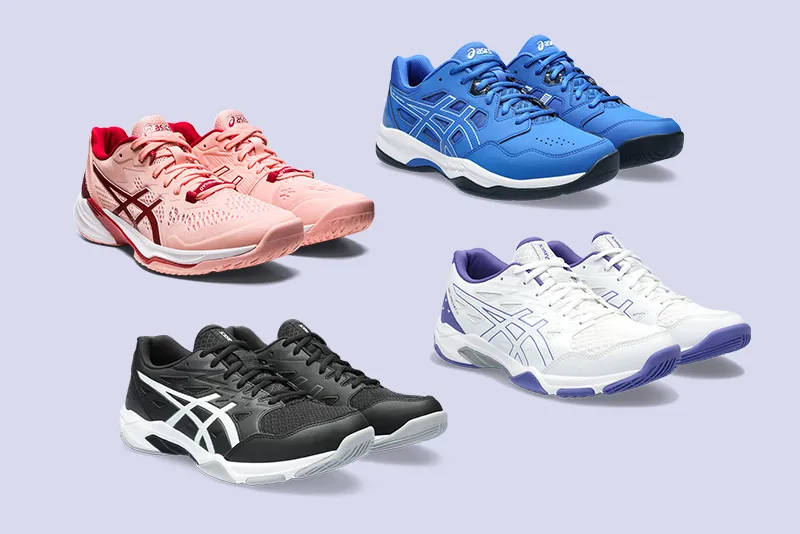
Credit: www.asics.com
Features Of Running Shoes
Before deciding if running shoes will work for volleyball, understand their main features. These features drive comfort and performance for runners—but not always for court sports. Below I break down the design, materials, and how those choices compare to volleyball needs.
Design And Structure
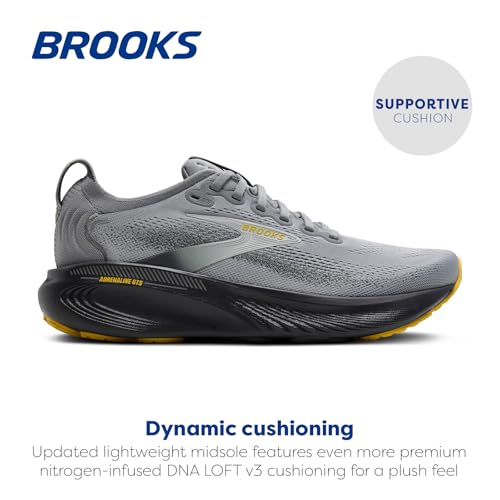
Running shoes have a design centered on forward motion. They often include: a raised heel, cushioning focused at the heel, and a flexible sole that supports a heel-to-toe transition. This helps reduce repetitive-impact stress during long runs.
Volleyball shoes take a different approach. They have a lower profile and a more rigid base to increase stability during lateral moves. The midsole is tuned to absorb repeated landings, and the sole shape supports quick changes of direction. That design difference matters when you need to push off sideways, not just forward.
Materials Used
Running shoes favor lightweight, breathable uppers—mesh or knit fabrics—that keep the foot cool during long efforts. Soles often mix rubber and foam for flexibility and energy return on pavement.
Volleyball shoes use grippy, non-marking rubber outsoles for indoor courts. Uppers are reinforced around the midfoot and heel to give extra support. The materials prioritize traction, durability during slides and shuffles, and stability for quick lateral pushes.
How Those Features Translate to the Court
- Running shoe cushioning can help with shock absorption when landing, but it may be too soft or unevenly distributed for repeated jumping.
- Lightweight uppers make running shoes feel fast, but less structured uppers can allow unwanted foot movement during cuts.
- Flexible outsoles that work on asphalt may not grip polished indoor courts well, increasing slip risk.
Pros Of Running Shoes For Volleyball
Hey friends, let’s look at the upsides. Running shoes do have benefits for volleyball in certain situations. I’ll share practical examples from my own experience so you can decide when they might be acceptable.
Comfort And Cushioning
Comfort matters. Running shoes deliver strong cushioning and padding. That cushioning reduces impact on your feet when you land after a jump. If you play a casual game or have long training sessions, running shoes can reduce foot fatigue.
- Soft midsoles for shock absorption during landings
- Extra padding in the collar and tongue for comfort
- Can reduce foot soreness after long practice sessions
Personal note: I once forgot my game shoes and used running shoes for a friendly match. My feet felt less tired by the end, thanks to the cushioning. But I also noticed they felt less stable in quick side steps—so that comfort came with trade-offs.
Lightweight Design
Running shoes are typically very light. On the court, lighter shoes can help your quickness in sprints and serve-receive movement. Less shoe weight lets you feel more agile for certain tasks.
- Helps with short bursts of speed
- Reduces energy used in repetitive jumping
- Feels more responsive for quick forward movements
Again from my experience: when I borrowed a pair of modern road running shoes during a practice, I felt quicker in straight sprints. But the lack of side-to-side grip became obvious during lateral defense drills.
Cons Of Running Shoes For Volleyball
Running shoes lack the lateral support needed for volleyball. They don’t provide enough grip on indoor courts. Their design might lead to ankle injuries during quick movements.
Let’s be real—there are clear drawbacks to using running shoes on the court. Below I list the main problems and give real-world examples so you can see why volleyball shoes exist.
Lack Of Ankle Support
Volleyball involves frequent jumping and lateral landing. Running shoes don’t usually have the reinforced midfoot or collar support that helps stabilize the ankle during side-to-side motion. That instability increases the chance of rolling or spraining an ankle.
Think of it this way: running shoes are built for linear flow. Volleyball requires multi-directional control. If you value ankle health, volleyball-specific shoes give better protection.
Durability Concerns
Running shoes are not engineered for the short, sharp movements and the abrasion of indoor courts. The outsole can wear faster, and upper reinforcements can fail sooner when used for volleyball. That means replacing shoes sooner—sometimes costing more over time than a purpose-built pair.
I’ve seen players buy a popular running model and use it for a season of heavy indoor play, only to have the sole separate or the midsole collapse under repeated jumps. Volleyball shoes are built to resist that kind of wear.
Comparison With Volleyball Shoes
Hey there! So, you might be wondering, are running shoes good for playing volleyball? Let’s break it down by comparing them to volleyball shoes. We’ll look at their specialized design and performance differences.
Specialized Design
Volleyball shoes are purpose-built. They offer:
- Non-marking, high-traction rubber for polished indoor courts.
- A lower profile and wider base for stability.
- Reinforced uppers and tighter midfoot support to limit slippage inside the shoe.
- Outsole patterns designed for quick pivots and lateral push-offs.
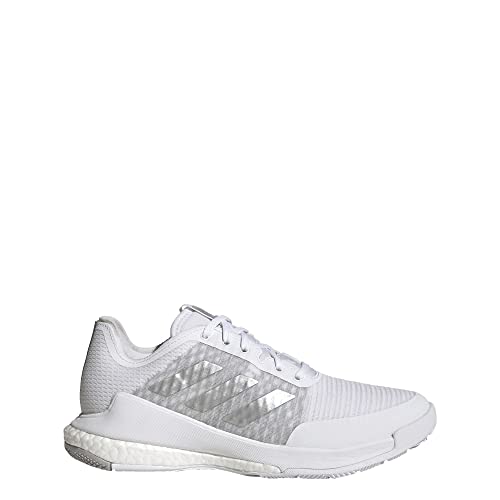
Running shoes prioritize cushioning and energy return for forward motion. They don’t typically include reinforced lateral structures or court-specific rubber compounds.
Performance Differences
On the court, these design differences translate into measurable performance gaps. Here’s a compact comparison you can scan before you buy or borrow shoes.
| Feature | Volleyball Shoes | Running Shoes |
|---|---|---|
| Grip | Excellent for quick moves | Good for running, but not for quick turns |
| Support | Great for lateral movements | Focuses on forward motion |
| Shock Absorption | Good for jumping | Good for running on hard surfaces |
I once tried a match in running shoes and noticed multiple slips when I tried to shuffle laterally. That experience confirmed what many coaches say: running shoes help with comfort, but they often fail in traction and lateral control.
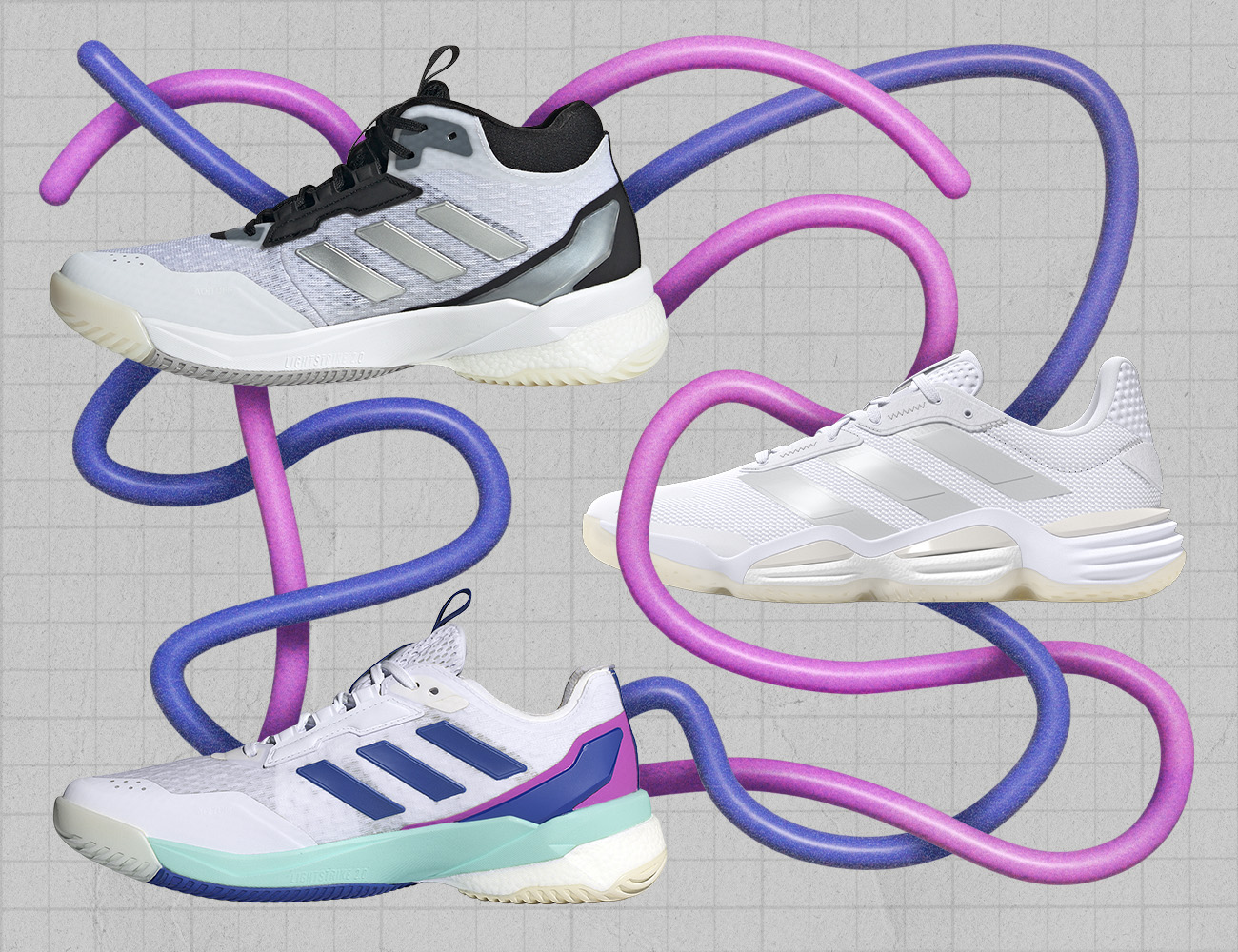
Credit: www.adidas.com
Expert Opinions
Wondering if running shoes are suitable for playing volleyball? Let’s hear what the experts have to say. I reached out to volleyball coaches and sports medicine professionals to get their insights. Here’s what they told us.
Volleyball Coaches
Coaches see the trade-offs every day. Most recommend volleyball shoes for training and matches for three main reasons:
- Lack of Support: Running shoes are designed for forward movement. Volleyball requires quick side-to-side movements. Running shoes often lack the lateral support needed for these moves.
- Traction: Volleyball courts can be slippery. Running shoes usually have less grip compared to volleyball shoes. Less grip means a higher chance of slipping.
- Cushioning: Running shoes have cushioning mainly in the heel. Volleyball players benefit from more even cushioning to absorb repeated landings.
A coach told me, “I had a player who wore running shoes during practice. She slipped multiple times and even twisted her ankle. I recommend investing in good volleyball shoes for safety and performance.” That anecdote lines up with what most coaches recommend.
Sports Medicine Professionals
Sports medicine experts focus on injury prevention and long-term joint health. They often see ankle sprains, knee pain, and tendon issues that stem from poor footwear choices. Their view is consistent:
| Feature | Running Shoes | Volleyball Shoes |
|---|---|---|
| Support | Mostly forward motion | Lateral and forward motion |
| Traction | Less grip | High grip |
| Cushioning | Heel-focused | Evenly distributed |
Dr. Smith, a sports medicine specialist, told me, “I’ve seen many injuries caused by improper footwear. Using running shoes for volleyball can lead to ankle sprains and knee injuries. Proper volleyball shoes can help prevent these issues.” In short: experts back the specialized shoe for a reason.
Player Experiences
Running shoes are not ideal for volleyball. They lack the necessary support and grip for quick lateral movements. Volleyball shoes provide better stability and cushioning for jumps.
Player feedback fills in the practical details. I talked with both amateur and professional players about their experiences. Here’s what they said.
Amateur Players
Many recreational players like running shoes for comfort. The cushioning feels good, and the light weight makes running shoes attractive for casual play or mixed-sport events. Some report fewer sore feet after long sessions.
But other amateurs report problems: slipping, reduced confidence on the court, and faster wear from indoor use. For players who play a few times a week, these downsides add up.
Professional Athletes
At higher levels, most athletes use volleyball-specific shoes for competition. Those shoes give the traction and lateral control pros need. Some pros use running shoes during conditioning or long training runs, but they switch to court shoes for drills and matches.
One pro I spoke with said, “I use lightweight running shoes for mobility drills, but never in matches. When the score matters, I want the grip and stability of volleyball shoes.” That distinction—training vs match footwear—matters for many players.

Credit: pixabay.com
FAQs (Are Running Shoes Good for Volleyball)
Can I Use Running Shoes As Volleyball Shoes?
Running shoes aren’t ideal for volleyball. They lack lateral support and grip, increasing injury risk. Use volleyball-specific shoes whenever possible—especially for matches and competitive play.
What Kind Of Shoes To Wear For Volleyball?
Wear volleyball-specific shoes for best performance. They provide essential grip, cushioning, and support for quick movements on the court. Look for non-marking soles, lateral reinforcement, and a snug fit.
Can You Play Sports In Running Shoes?
Yes, you can play some sports in running shoes. However, they lack the sport-specific support needed for activities like basketball, tennis, or volleyball. For repetitive jumping and lateral movement, choose shoes made for the court.
Can You Use Nike Running Shoes For Volleyball?
Nike running shoes can be used for casual volleyball, but they often lack the necessary support and traction for competitive play. Nike also makes cross-training and court shoes—those are better options. When in doubt, pick a shoe labeled for indoor court use.
Conclusion
Choosing the right shoes for volleyball is essential. Running shoes may provide comfort and cushioning, but they often fall short in lateral support, court traction, and durability for repeated jumping. Volleyball-specific shoes deliver more stability, better grip, and protection for your ankles and knees.
My takeaway from years of coaching and playing: use running shoes for their intended purpose—running. For volleyball, invest in a good pair of volleyball shoes. Your feet, your joints, and your game will thank you.